Mount Kilimanjaro, the "Roof of Africa," stands as a beacon for mountaineers and ecotourism enthusiasts globally. While the mountain offers several paths to its iconic Uhuru Peak, few command the respect and admiration of the Lemosho Route. Renowned for its low traffic, pristine wilderness, and superior acclimatization profiles, the Lemosho trail has emerged as the premier choice for those seeking a profound connection with nature without sacrificing the probability of reaching the summit.
As Kilimanjaro Tanzanite Safaris, a premier local DMC, continues to facilitate world-class expeditions, the emphasis remains clear: in the realm of high-altitude trekking, the quality of the journey is as vital as the summit itself.
Main Facts: The Appeal of the Lemosho Route
The Lemosho route is frequently cited by industry professionals as the most aesthetically pleasing and ecologically diverse path up the mountain. Unlike busier routes that converge quickly, Lemosho approaches from the west, allowing trekkers to traverse the untouched Shira Plateau.
Why Lemosho Stands Out
- Low Traffic Density: By avoiding the heavy footfall of the Marangu or Machame routes during the initial days, climbers enjoy a sense of solitude that enhances the ecotourism experience.
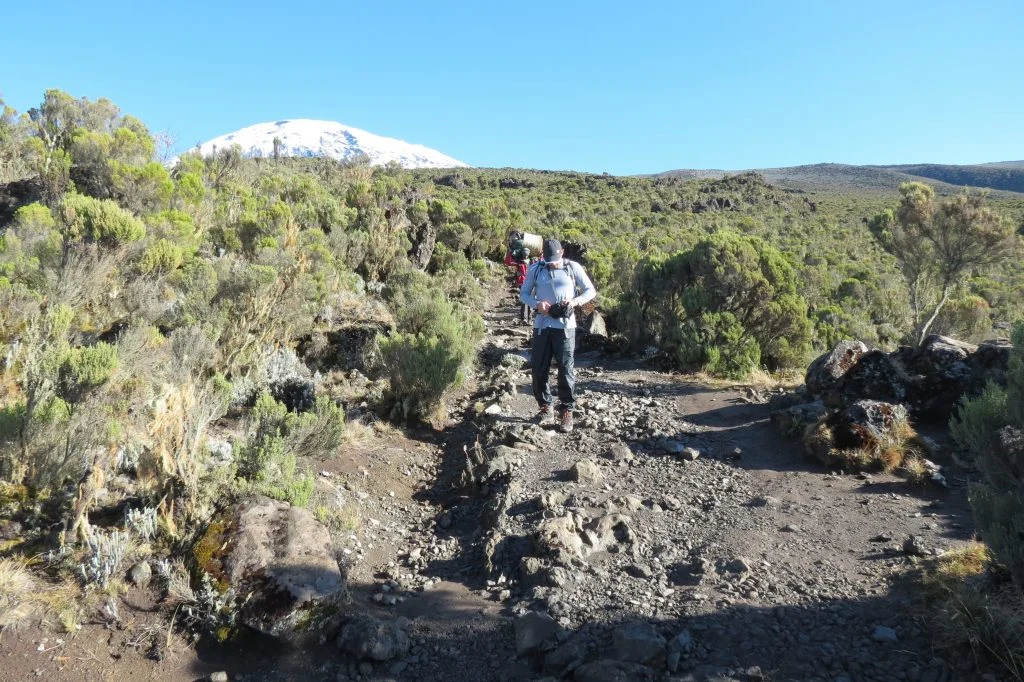
- Scenic Splendor: The route passes through lush rainforests, giant heather moorlands, and high-altitude alpine deserts, providing unparalleled opportunities for wildlife spotting and landscape photography.
- Success Rates: The route’s topography is intentionally designed to facilitate "climb high, sleep low" strategies. While a 7-day itinerary is available, an 8-day expedition is statistically proven to offer higher success rates due to the additional time allowed for physiological adaptation to altitude.
Chronology: A Day-by-Day Expedition Breakdown
A successful summit of Kilimanjaro is a masterclass in endurance and logistics. Whether you choose the 7-day or the optimized 8-day program, the journey follows a meticulously planned itinerary designed by Kilimanjaro Tanzanite Safaris to ensure maximum safety and enjoyment.
The Initial Ascent (Days 1–3)
The expedition begins with a transfer from Moshi or Arusha to the Londorosi Park Gate. After registration, a 4WD vehicle navigates the forest track to Lemosho Glades. The first day’s trek leads through dense, ancient forest to the Mti Mkubwa (Big Tree) campsite.
On Day 2, the terrain shifts into the giant heather moorland zone. Trekkers cross several pristine streams before gaining the Shira Ridge. The descent into the Shira 1 camp offers the first breathtaking views of the plateau. By Day 3, the trek is characterized by gentle walks across the Shira Plateau—an essential period for acclimatization. This day allows the body to adjust to the 3,850m elevation, a crucial buffer for the challenges to come.
The Mid-Mountain Challenge (Days 4–5)
Day 4 sees the trek turn east toward the iconic Lava Tower. Following the descent to Barranco Hut, the 8-day itinerary offers a distinct advantage: an additional night at the Karanga Camp. This extra day is the secret to success for many, as it prevents the physical exhaustion that often plagues climbers rushing toward the summit.
Day 5 involves a scramble up the Great Barranco Wall, followed by a traverse of scree and ridges toward the Karanga Valley, set directly beneath the dramatic icefalls of the Heim, Kersten, and Decken Glaciers. The trek concludes at the arid, stark landscape of Barafu Hut (4,600m), the final base camp.
The Summit and Descent (Days 6–7)
The summit push begins in the early hours of Day 6. Traversing the rim between the Rebmann and Ratzel Glaciers, climbers push toward the final ascent to Uhuru Peak. Reaching the highest point in Africa at dawn offers vistas of the Mawenzi peak and the Meru plains that defy description. The descent is rapid but careful, moving down through the forest zone to Mweka Hut, eventually culminating in a final trek to the park gate on Day 7.
Supporting Data: Ecotourism and Professional Logistics
The shift toward ecotourism is not merely a trend; it is a necessity for the preservation of Mount Kilimanjaro’s delicate alpine ecosystem. Kilimanjaro Tanzanite Safaris emphasizes that professional operators prioritize Leave No Trace principles.
The Economics of the Climb
Prices for these expeditions are comprehensive, covering the entire spectrum of logistical support:
- Safety Protocols: Every climb is equipped with emergency oxygen bottles and pulse oximeters. Furthermore, the inclusion of AMREF Flying Doctor Air Rescue insurance provides a critical safety net.
- Local Expertise: The cost includes the salaries of a professional team of guides, porters, and cooks—individuals who are the lifeblood of the Tanzanian trekking industry.
- Discounted Access: Educational programs, student groups, and authorized travel agents are often eligible for specialized pricing, fostering a culture of academic and professional engagement with the mountain.
While the 8-day itinerary carries a higher cost than the 7-day package, the return on investment—measured in summit success and physical well-being—is significant. It is an investment in safety and a deeper immersion into the Tanzanian wilderness.
Official Responses and Best Practices
Kilimanjaro Tanzanite Safaris, as a local Destination Management Company (DMC), has built a reputation on transparency and guest satisfaction. Their operational philosophy is built on the understanding that the mountain is a living, breathing entity.
Recommendations for Prospective Climbers
"The choice of route determines the quality of your memory," states a spokesperson for the company. They strongly advise that while the mountain is accessible, it should never be underestimated. The company’s policy of excluding hotel stays from the base price is intentional: it grants travelers the freedom to select eco-resorts in Moshi that align with their personal ethics and comfort preferences.
Furthermore, they emphasize that essential gear—boots, trekking poles, and thermal wear—should be vetted for quality. While rentals are available, the physical preparation of the climber remains the most important variable in the equation.
Implications: The Future of Kilimanjaro Tourism
The global rise in interest for "photographic safaris" and "nature trekking" places a spotlight on the Northern Circuit and the Rongai route alongside the Lemosho path. As more travelers seek authentic, low-impact adventures, the role of local DMCs in regulating traffic and protecting the environment becomes paramount.
Why Sustainable Tourism Matters
The implications of choosing a reputable, locally-based operator are profound. By supporting firms like Kilimanjaro Tanzanite Safaris, travelers contribute directly to the local economy, ensuring that the benefits of the tourism boom reach the communities at the base of the mountain.
Moreover, the emphasis on longer, more gradual acclimatization programs like the 8-day Lemosho route helps distribute the pressure on the mountain’s infrastructure. It is a sustainable model that balances the human desire for adventure with the biological necessity of environmental conservation.
Final Thoughts for the Adventurer
Whether you are an amateur hiker looking for your first big peak or a seasoned mountaineer seeking the majesty of the Eastern Icefields, the Lemosho route offers the perfect blend of rigor and reward. For those ready to embark on this life-changing journey, the path is clear: plan, prepare, and choose a partner that values the integrity of the mountain as much as the summit itself.
Contact Information for Planning:
For those interested in booking their 2024/2025 expeditions, direct inquiries regarding custom itineraries, photographic safari additions, or student discounts can be made through official channels. Kilimanjaro Tanzanite Safaris continues to set the benchmark for excellence, ensuring that every climber leaves with a certificate of achievement and a lifetime of memories.
For more information on the Lemosho trail and other customized trekking packages, contact the team via their official portal at Kili-TanzaniteSafaris.com.