Adani Energy Solutions Limited (AESL), a core component of the diversified Adani Group, has officially secured a critical transmission project in the Indian state of Maharashtra. Valued at approximately $491.7 million (Rs47 billion), the project represents a strategic leap in India’s efforts to integrate massive volumes of renewable energy and pumped storage capacity into its national power grid. By bridging the energy gap between Southern and Western India, this initiative underscores the country’s aggressive decarbonization trajectory.
Project Overview: The Satara Transmission Backbone
The project, officially titled "Network Expansion Scheme in Western Region to Cater to Pumped Storage Potential near Satara (up to 4,500MW) – Part A," was won through a rigorous tariff-based competitive bidding (TBCB) process. The primary objective of the infrastructure development is to facilitate the evacuation of up to 4.5GW of renewable energy and pumped storage power.
This electricity will be sourced from renewable generation hubs in Karnataka and transported to major load centers across Maharashtra, including the critical industrial and urban hubs of Satara, Pune, and the Mumbai Metropolitan Region.
To execute this vision, AESL has established a Special Purpose Vehicle (SPV) titled Satara Power Transmission. The company has committed to a stringent construction timeline of 36 months, aiming to bring this vital artery of the national grid online to meet rising power demands in India’s western economic corridor.
Technical Specifications and Infrastructure Scope
The engineering scale of the Satara project is substantial, reflecting the growing complexity of India’s electrical infrastructure. The scope of work encompasses the following key developments:
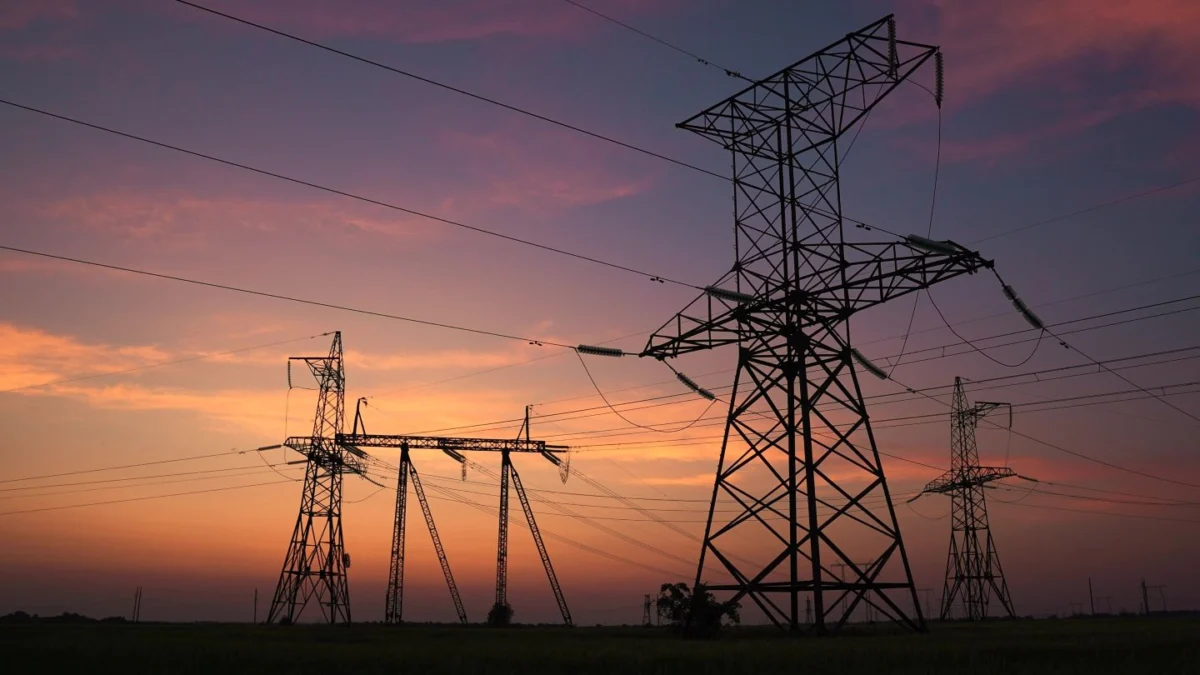
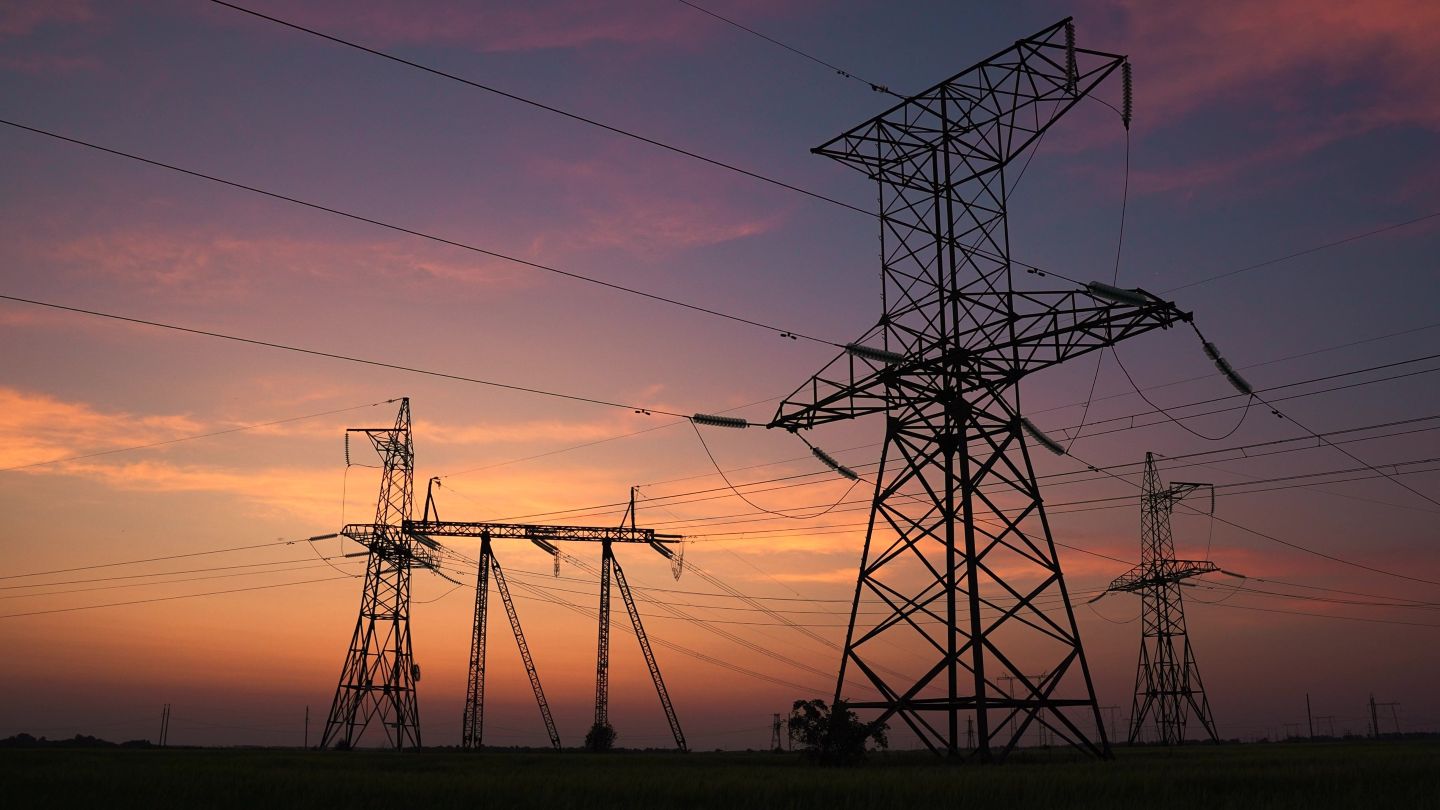
- Transmission Lines: The construction of 562 circuit kilometres (ckm) of new, high-voltage transmission lines.
- Substation Infrastructure: The centerpiece of the project is a new 765/400kV substation located in Satara, which will serve as a hub for regional power distribution.
- Grid Connectivity: A 765kV double-circuit transmission line will be established, linking Kolhapur and Satara. This is complemented by significant enhancements to the existing Kolhapur pooling station.
- Capacity Expansion: The project adds 9,000 megavolt amperes (MVA) of transformation capacity to the network.
Upon the completion of these works, AESL’s total transmission network will reach a staggering 29,739 circuit kilometres, with a cumulative transformation capacity of 143,425 MVA. These figures cement AESL’s position as a dominant force in the private transmission sector in India.
Strategic Chronology: A Trajectory of Growth
The acquisition of the Satara project is not an isolated event but rather the latest milestone in a series of strategic expansions by Adani Energy Solutions.
- Foundational Growth: Over the past decade, AESL has consistently increased its footprint through both organic growth and the acquisition of distressed assets, transforming them into high-performing grid components.
- The Andhra Pradesh Win: Just last month, AESL made headlines by securing an inter-state transmission project in Andhra Pradesh valued at approximately Rs85 billion. This back-to-back success demonstrates the company’s operational efficiency in winning and executing large-scale projects.
- Current Order Book: Following the successful bid for the Satara project, AESL’s transmission order book now stands at an impressive Rs850 billion, providing the company with a robust revenue pipeline for the coming years.
- The 36-Month Horizon: The next three years will be defined by the execution phase of the Satara project. With the clock ticking on the 36-month delivery target, the project management team at AESL is expected to mobilize resources immediately to ensure timely commissioning.
Official Perspectives: The Role of Pumped Storage
Kandarp Patel, CEO of Adani Energy Solutions, emphasized the broader implications of the project during the announcement. He noted that the integration of pumped storage is a "critical enabler" of India’s clean energy transition.
"Pumped storage projects are emerging as a critical enabler of India’s clean energy transition by providing the flexibility and reliability required to integrate large-scale renewable energy into the grid," Patel stated. "The Satara transmission project will create a vital transmission backbone to support both renewable energy evacuation and energy storage deployment, strengthening power flows between Southern and Western India."
Patel reaffirmed the company’s long-term vision, adding, "AESL remains committed to building future-ready transmission infrastructure that enables renewable energy growth, enhances grid stability, and supports India’s long-term decarbonization goals."
Implications for the Indian Power Sector
The implications of this project extend far beyond the immediate construction of towers and lines. The Satara initiative is a diagnostic response to the inherent volatility of renewable energy sources such as wind and solar.
Enhancing Grid Stability
As India increases its reliance on intermittent renewable energy, the ability to store and dispatch power becomes paramount. Pumped storage acts as a giant battery, consuming excess power during low-demand periods and releasing it when the grid is stressed. By building the infrastructure to evacuate 4.5GW of this power, AESL is providing the "plumbing" necessary for India to move away from coal-based baseload power.
Cross-Regional Connectivity
One of the historical weaknesses of the Indian power grid has been the regional imbalance between generation-rich Southern states and load-heavy Western states. By facilitating the flow of electricity from Karnataka to Maharashtra, this project effectively flattens the regional disparities in power availability, ensuring that the industrial output of the Mumbai Metropolitan Region is not throttled by localized energy shortages.
Supporting the Net-Zero Ambition
India has pledged to achieve net-zero emissions by 2070. To meet this goal, the power sector must undergo a structural transformation. AESL’s commitment to building "future-ready" infrastructure aligns with the government’s push for green corridors. The 765kV capacity of the new lines indicates that the grid is being built not just for today’s capacity requirements, but for the exponential growth in demand expected over the next two decades.
Market Leadership
With an order book of Rs850 billion, AESL is effectively acting as the private sector backbone for India’s energy transition. The company’s diversified operations—ranging from smart metering and cooling services to transmission and distribution—allow it to offer integrated solutions that few other players in the market can match.
Conclusion: A New Era for Transmission
The Satara project is a microcosm of the larger changes occurring within the Indian energy landscape. As the country shifts toward a decentralized, renewable-led energy model, the role of transmission providers becomes increasingly sophisticated. It is no longer just about moving electrons from point A to point B; it is about creating a flexible, resilient, and intelligent network that can handle the complexities of a modern, green economy.
For Adani Energy Solutions, the project is a testament to its technical capability and financial resilience. For India, it represents a necessary step toward energy security and sustainability. As the 36-month construction cycle begins, all eyes will be on the Satara region, where the foundations of a greener, more stable power future are being laid. By bridging the gap between the renewable wealth of the South and the industrial heartland of the West, this project ensures that India’s growth remains powered by the clean, reliable energy of tomorrow.