In a landmark decision for Australia’s transition toward a decarbonized economy, the Victorian Government has officially approved the development of the 1.5GW Warracknabeal Energy Park. Spearheaded by renewable energy developer WestWind Energy, this massive infrastructure project is set to become the largest wind farm in the Southern Hemisphere, marking a pivotal moment in the state’s ambition to lead the global energy transition.
The project, which will span approximately 26,000 hectares of agricultural land, represents a significant leap forward in regional economic development and environmental sustainability. By leveraging the vast wind resources of western Victoria, the energy park is poised to deliver a substantial influx of clean power, bolstering the stability of the national grid while serving as a centerpiece for the state’s aggressive renewable energy targets.
Main Facts: The Scope of the Warracknabeal Energy Park
The Warracknabeal Energy Park is a multifaceted project designed to integrate wind generation with cutting-edge battery storage technology. Located near the town of Warracknabeal, the project comprises two primary sites situated 5km north-west and 8km south-west of the township.
Key Specifications:
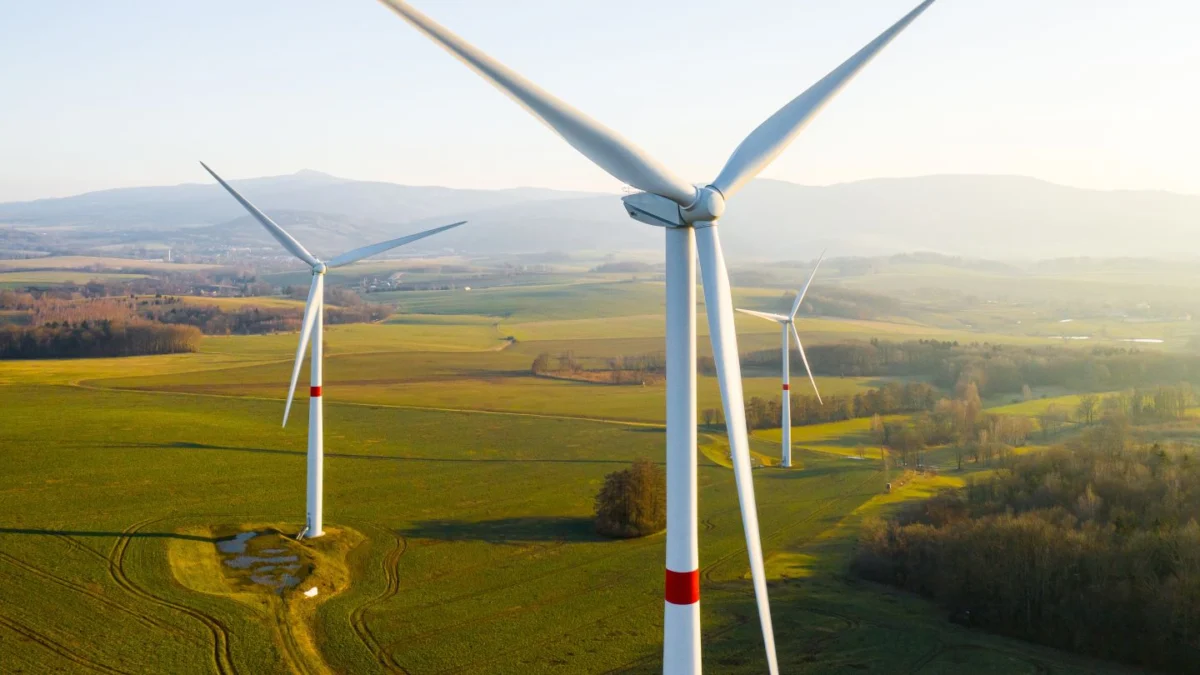
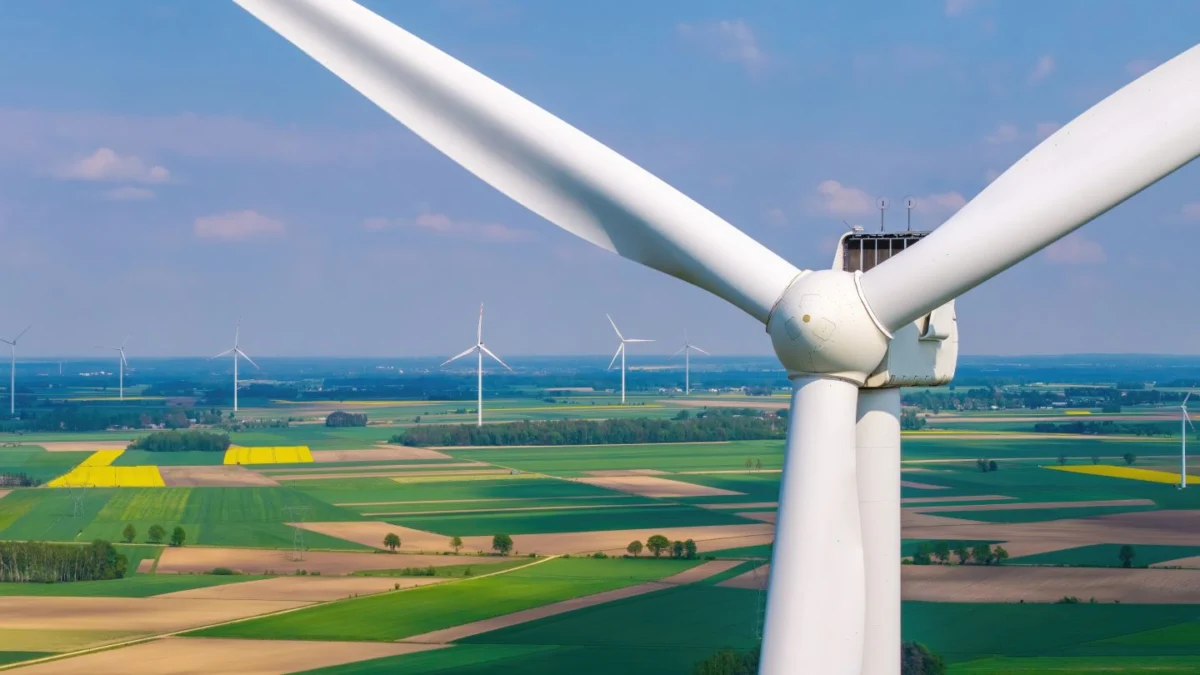
- Capacity: 1.5 gigawatts (GW) of wind generation.
- Infrastructure: Installation of up to 219 state-of-the-art wind turbines.
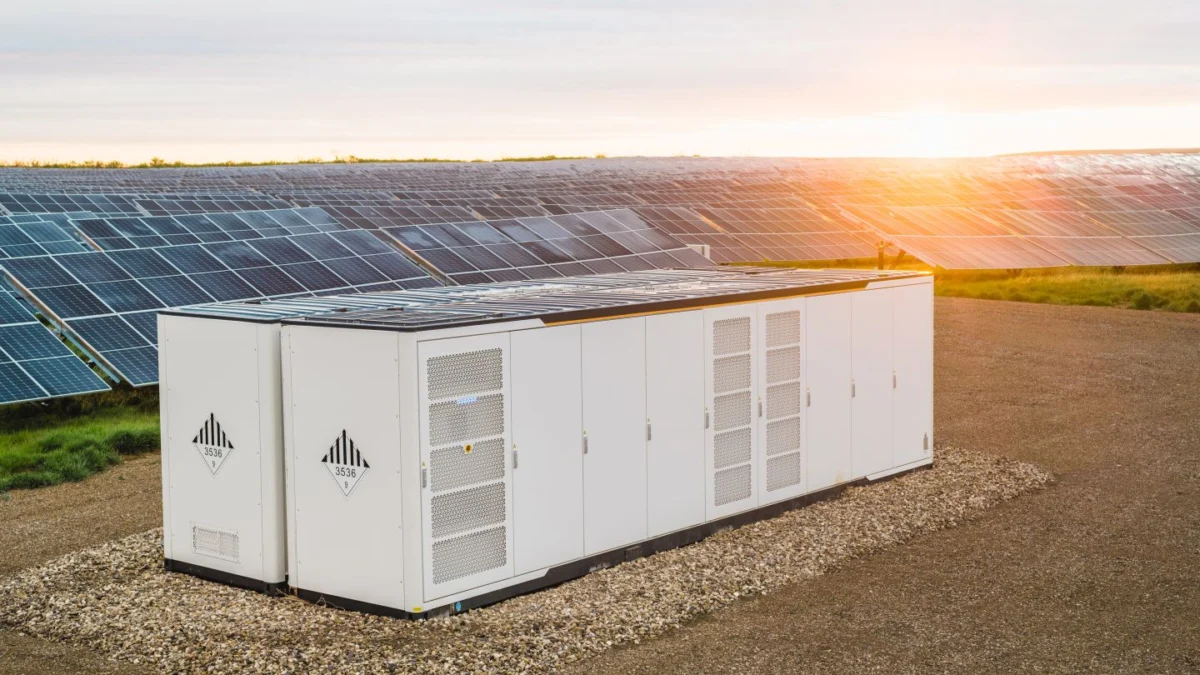
- Energy Storage: Inclusion of two 300MW battery energy storage systems (BESS), providing a combined 600MW of storage capacity to manage intermittency.
- Output: Sufficient electricity to power approximately 1.2 million Victorian households.
- Environmental Impact: A projected reduction of 4.2 million tonnes of carbon dioxide emissions annually.
- Land Use: Utilization of 26,000 hectares of land, strategically positioned to capture high-velocity wind patterns while maintaining harmony with existing agricultural operations.
The dual-site configuration allows for operational redundancy and flexibility, ensuring that the facility can contribute consistently to the state’s energy mix. The addition of the large-scale battery storage units is particularly critical, as it allows the facility to store excess energy generated during periods of low demand and dispatch it back into the grid during peak usage, thereby stabilizing energy prices and reducing the reliance on fossil-fuel-based "peaker" plants.
Chronology: A Rigorous Path to Approval
The approval of the Warracknabeal Energy Park is the culmination of years of technical, environmental, and social scrutiny. Unlike smaller renewable projects, the scale of this development necessitated an exhaustive regulatory review process to ensure long-term viability and public interest alignment.
The Approval Lifecycle:
- Site Identification and Feasibility (2022–2023): WestWind Energy identified the western Victorian plains for their exceptional wind consistency and proximity to existing transmission infrastructure.
- Environmental Effects Statement (EES): The project underwent the rigorous EES process, which is the most comprehensive assessment level in Victoria. This stage included detailed ecological surveys, noise modeling, and visual impact assessments.
- Community and Stakeholder Engagement: Over several months, the developer engaged with local farmers, traditional owners, and residents to address concerns regarding land use and rural amenity.
- Public Inquiry: An independent panel conducted a public inquiry to review the EES findings, weighing the benefits of the project against potential local impacts.
- Ministerial Approval (October 2026): Following the successful completion of the inquiry and the integration of feedback into the final plan, the Victorian Government granted the formal planning approvals necessary to commence the next phase.
While the project has received high-level approval, WestWind Energy continues to work through final technical permits and planning conditions required by state and local authorities. This ongoing process ensures that construction adheres to the highest safety and environmental standards.
Supporting Data: Economic and Energy Implications
The economic impact of the Warracknabeal Energy Park extends far beyond its electricity generation. According to project estimates, the construction phase alone is expected to generate approximately 950 direct jobs, providing a significant stimulus to the western Victorian economy. Beyond construction, the facility will require a permanent, skilled workforce to manage operations, maintenance, and logistics, offering long-term regional employment.
Grid Contribution
Government modeling indicates that the facility will satisfy between 11.8% and 12.5% of Victoria’s future energy requirements. This is a critical component of the state’s broader energy roadmap, which aims to reach 65% renewable energy by 2030 and 95% by 2035.
Environmental Benefits
The reduction of 4.2 million tonnes of CO2 per year is equivalent to removing roughly one million petrol-powered passenger vehicles from the road annually. This massive abatement is essential for Victoria to meet its commitments under the Climate Change Act and to contribute to Australia’s national international emissions targets.
Official Responses and Political Discourse
The project has become a lightning rod for broader political debates regarding Australia’s energy future. The Victorian Government has positioned the project as a cornerstone of its "renewable-first" policy, framing it as a solution to both climate change and the rising cost of living.
Ministerial Stance
Victoria’s Minister for Energy and Resources, Jaclyn Symes, emphasized the importance of the project in the face of political opposition. "While Labor is getting on with building the energy projects Victoria needs, the opposition wants to scrap projects like this—putting jobs at risk and pushing power bills up," Symes stated during the announcement.
Echoing this sentiment, Minister for Planning Sonya Kilkenny highlighted the dual benefit of the energy park: "We are delivering more energy that will help lower power bills. The opposition’s desire to cut renewable energy projects is a direct threat to the state’s economic stability and its transition to a cheaper, cleaner energy future."
The political rhetoric highlights a clear divide in the state, where the government argues that large-scale investment is the only way to insulate consumers from the volatility of international gas and coal prices, while critics—primarily from the Coalition—have raised concerns regarding the visual impact on rural landscapes and the potential for agricultural displacement.
Implications for the Future of Australian Energy
The Warracknabeal Energy Park serves as a blueprint for the future of the National Electricity Market (NEM). As aging coal-fired power stations continue to retire, the need for "firming" capacity—provided here by the 600MW battery storage—becomes paramount.
Regional Revitalization
By situating the project in western Victoria, the government is also signaling a shift in how regional areas are integrated into the national economy. These projects often bring upgrades to local transmission lines and road infrastructure, which can benefit other industries in the region.
The "Southern Hemisphere" Benchmark
The status of the project as the largest in the Southern Hemisphere underscores Australia’s emergence as a global leader in renewable energy deployment. It serves as a proof-of-concept for developers worldwide that large-scale wind integration can be successfully permitted and managed, provided there is a strong framework for environmental protection and local community involvement.
Challenges Ahead
Despite the celebration of the approval, the path ahead is not without challenges. WestWind Energy must navigate the complexities of supply chain management, ensuring that the 219 turbines—a significant procurement task—are delivered and installed within the project’s timeline. Additionally, grid connection infrastructure must be finalized to ensure that the 1.5GW of power can be efficiently transmitted to population centers in Melbourne and beyond.
Conclusion
The approval of the Warracknabeal Energy Park is more than just a regulatory milestone; it is a declaration of intent. As Victoria moves toward its ambitious 2035 targets, the project stands as the primary engine of that transition. With the backing of the state government and the technological integration of wind and battery storage, the park represents the new standard for modern, sustainable energy generation.
For the residents of western Victoria and the broader state, the coming years will be defined by the construction and eventual activation of this facility. As it nears completion, the Warracknabeal Energy Park will serve as a testament to the fact that, even in the face of political and logistical headwinds, the march toward a renewable future is gathering unprecedented momentum.