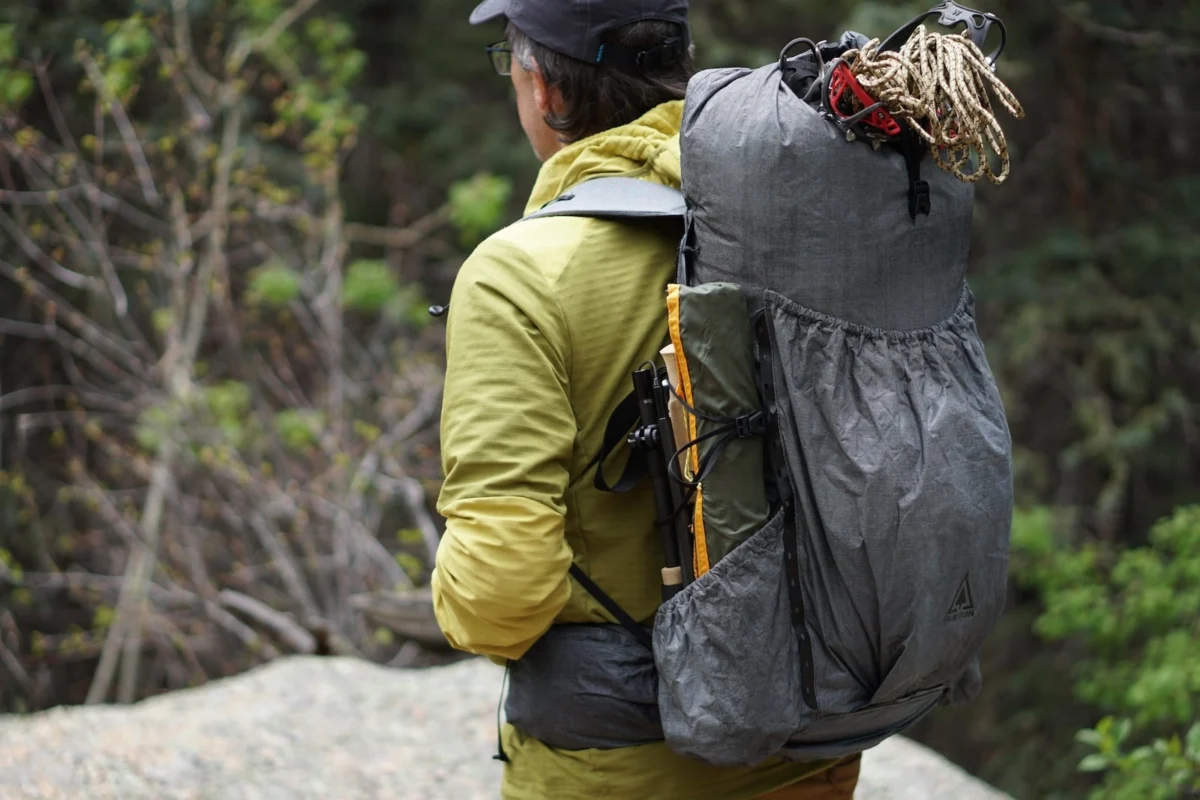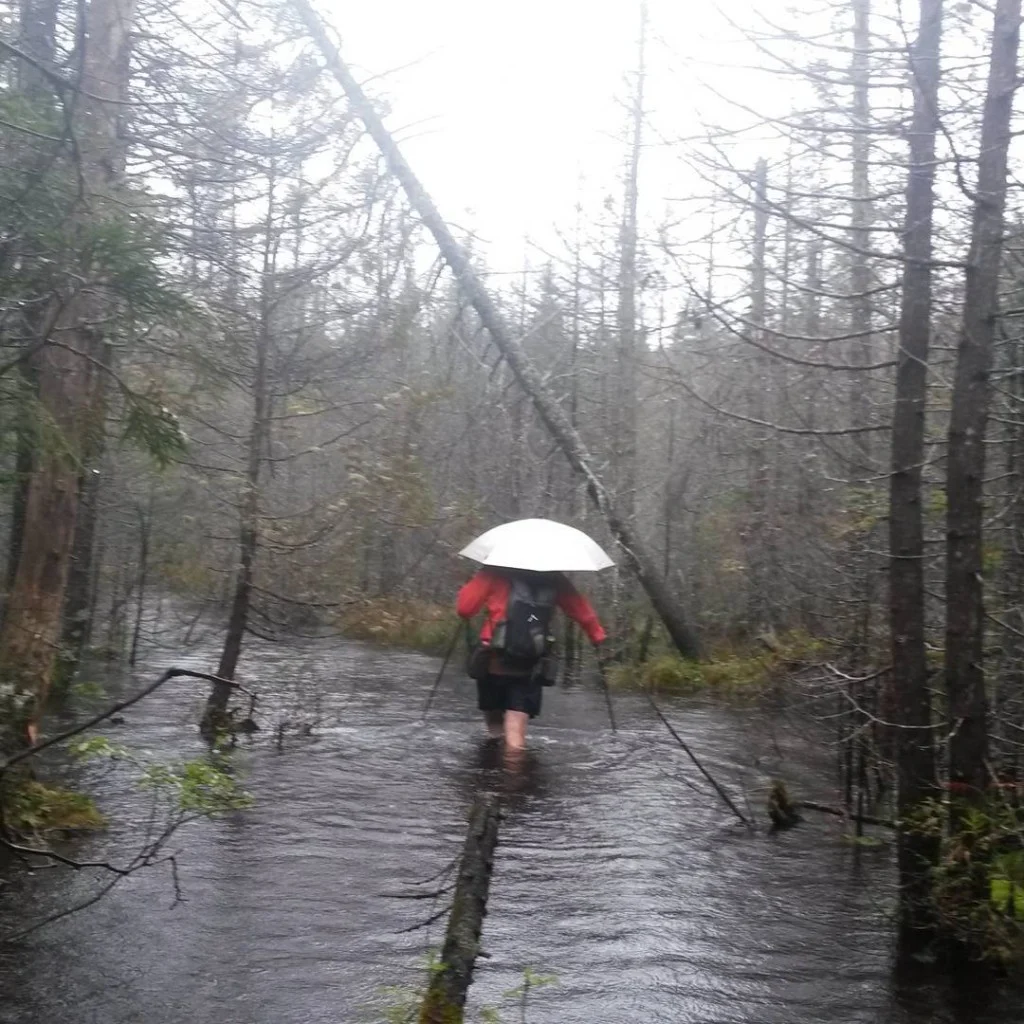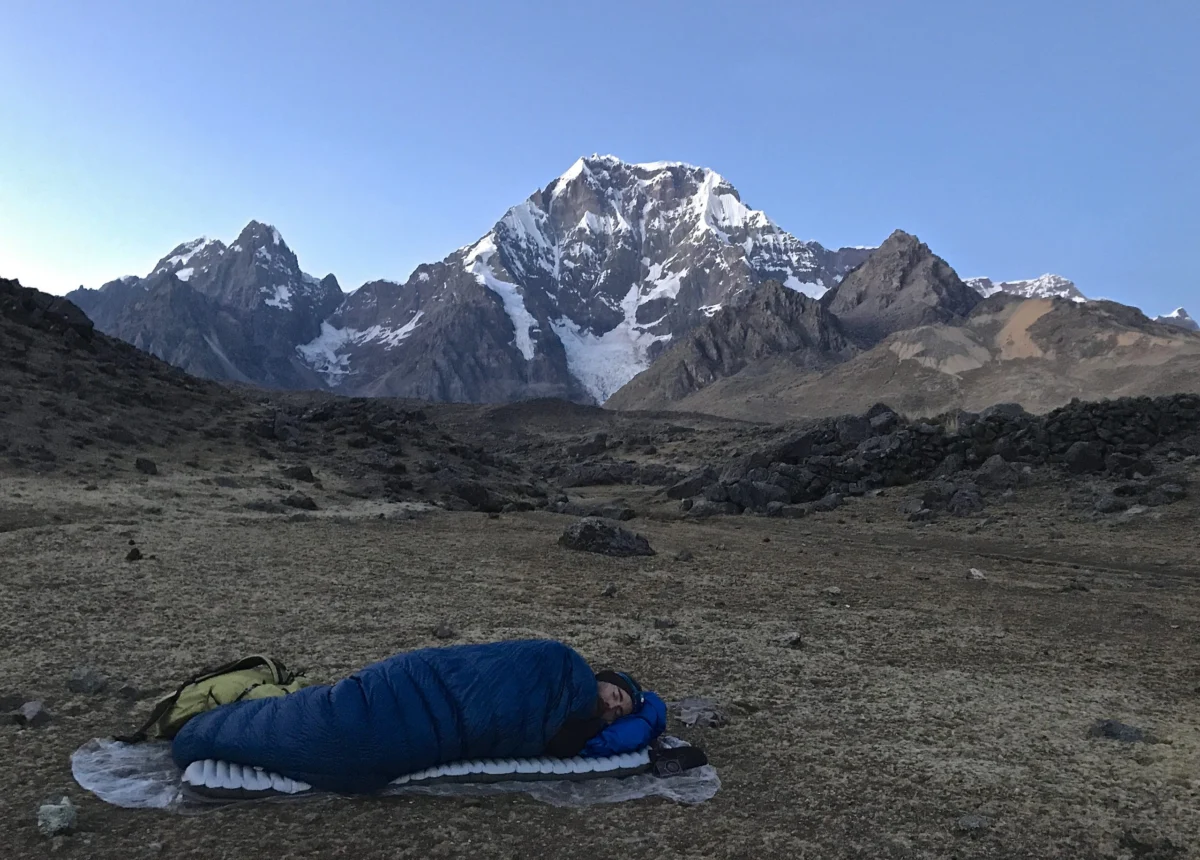
For outdoor enthusiasts across the United States, the Labor Day weekend is synonymous with more than just the end of summer—it represents the premier window for upgrading technical hiking and backpacking equipment. As retailers clear out seasonal inventory to make room for winter stock, savvy hikers are finding themselves in the midst of a "golden window" of deep discounts.
Whether you are planning a late-season alpine trek or preparing for a thru-hike in the coming year, the current surge in Labor Day sales offers an unparalleled opportunity to acquire high-performance gear at a fraction of the typical retail price.
The State of the Market: Why Now?
The outdoor retail sector operates on a strict seasonal cycle. As temperatures begin to shift and the high-altitude windows in mountain ranges like the Sierra or the Rockies begin to close, retailers shift their inventory focus. This creates a supply-side pressure that benefits the consumer.
Industry analysis suggests that this year’s Labor Day sales are particularly significant due to a surplus of inventory following a fluctuating retail cycle in the outdoor industry. Major retailers—including REI, Cascade Designs, Sea to Summit, and Backcountry—are currently deploying aggressive pricing strategies to incentivize consumer spending before the retail "dead zone" of late autumn.
A Curated Selection: Tested and Proven
One of the greatest challenges for a hiker is discerning between "gadgetry" and "utility." With an endless array of gear hitting the market, the risk of purchasing items that fail in the backcountry is high.
The recommendations curated here are not merely based on price; they are rooted in field experience. Having carried these specific items through diverse environments—ranging from the high-altitude passes of the Nepal Himalaya to the rain-soaked trails of the Pacific Northwest—I can attest to their durability and functional design. In many instances, these are the same pieces of kit that have been put through thousands of miles of rigorous testing by the wider hiking community.
Chronology of the Sale Cycle
- Early August: Retailers begin preliminary markdowns to gauge early-season interest.
- Late August: "Labor Day Preview" sales initiate, offering early-bird pricing for loyalty members.
- September 1st–7th: The primary window. Inventory levels are high, and discounts are at their deepest.
- Post-Labor Day: Remaining inventory is moved to "Clearance" sections, often with broken size runs and limited color options.
Strategic Gear Acquisition: What to Prioritize
When approaching a sale of this magnitude, it is easy to succumb to the "gear acquisition syndrome." However, the most effective way to utilize these sales is to focus on items that directly impact your safety, comfort, and pack weight.
1. Shelter and Sleep Systems
High-end shelters and sleeping bags are often the most expensive items in a hiker’s kit. During the Labor Day event, you can frequently find 20% to 30% discounts on premium brands. Look for ultralight tents that balance weight with structural integrity. If you are a side-sleeper or a frequent winter camper, now is the time to invest in a high-R-value sleeping pad, as these are rarely discounted outside of major holiday windows.
2. Navigational and Safety Tech
As seen in recent expeditions to the Nepal Himalaya, the ability to monitor weather patterns and maintain communication in remote areas is non-negotiable. Satellite communicators, such as the Garmin inReach series, are staples of the modern hiker’s kit. While these units are high-investment items, even a modest 10–15% discount can equate to significant savings, providing you with a reliable safety net for future excursions.

3. Footwear and Apparel
While it is tempting to buy footwear online, it is only recommended if you are already familiar with the specific brand’s fit. If you are, use this time to stock up on two or three pairs of your favorite trail runners. Hiking footwear is a consumable item; having a fresh pair ready to go when your current set hits its mileage limit is a hallmark of a prepared hiker.
Official Responses and Industry Outlook
Retail giants like REI have signaled a shift in how they handle these seasonal events. In recent statements, company representatives noted that the "Labor Day Sale" has evolved from a simple inventory clearinghouse into a strategic customer acquisition event.
"Our focus is on ensuring that the community has access to the best technology available, whether they are weekend warriors or long-distance trekkers," an industry spokesperson noted. "By aligning our sales with the end of the traditional hiking season, we allow our customers to prepare for the upcoming year at a more accessible price point."
Implications for the Modern Hiker
The implications of these sales extend beyond mere financial savings. By acquiring higher-quality, lighter-weight gear, hikers can fundamentally change their trail experience.
A lighter pack reduces fatigue, which in turn reduces the risk of injury. A more reliable sleep system leads to better recovery during multi-day trips. A more accurate navigation system increases confidence in remote terrain. Essentially, the "Labor Day Discount" is not just about saving money; it is about raising the baseline of safety and enjoyment for every person who steps onto the trail.
Essential Tips for Navigating the Sales
- Check the Return Policy: Even during sales, reputable companies like REI maintain excellent return policies. Verify that the items you are purchasing are eligible for return if they do not meet your expectations upon arrival.
- Compare Across Platforms: While REI is a destination retailer, brands like Backcountry or Sea to Summit may occasionally offer direct-to-consumer discounts that differ from third-party retailers. Always cross-reference prices.
- Read the Fine Print: Some deep discounts are on "closeout" items. These are often final sale. If you are buying a piece of equipment that requires a precise fit (like a technical pack or boots), ensure you are 100% certain of your size.
- Community Feedback: Before finalizing a purchase, check the comments and reviews. Often, fellow hikers will note if a specific model has had design changes or if the sizing runs small.
Conclusion
As we move toward the final days of the Labor Day window, the focus should remain on utility and preparedness. The gear that supports you on your journey is an investment in your personal development and your relationship with the outdoors.
Whether you are looking to replace a worn-out rain shell, upgrade your water filtration system, or finally invest in that satellite communicator for your next solo adventure, the current sales landscape provides a unique opportunity. Make your selections carefully, prioritize the gear that will keep you safe and comfortable, and above all, ensure that you get back onto the trail as soon as possible.
If you have questions regarding specific pieces of gear or need advice on how to build your kit for the upcoming season, please feel free to leave a comment below. I make it a point to engage with the community to ensure we are all as prepared as possible for the challenges of the wild.
Disclosure: This post contains affiliate links, which means The Hiking Life may earn a small commission if you purchase an item after clicking one of the links. This comes at no additional cost to you and helps pay the bills to keep the site running. Your support is greatly appreciated.