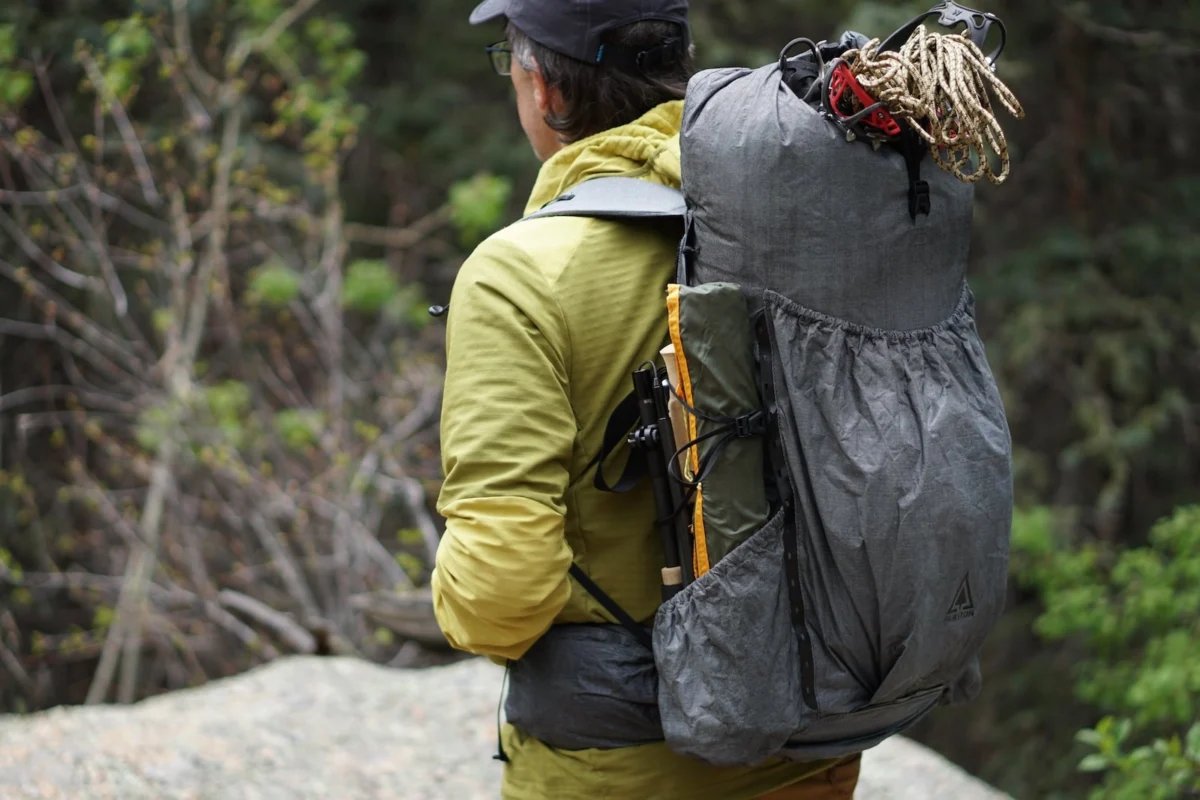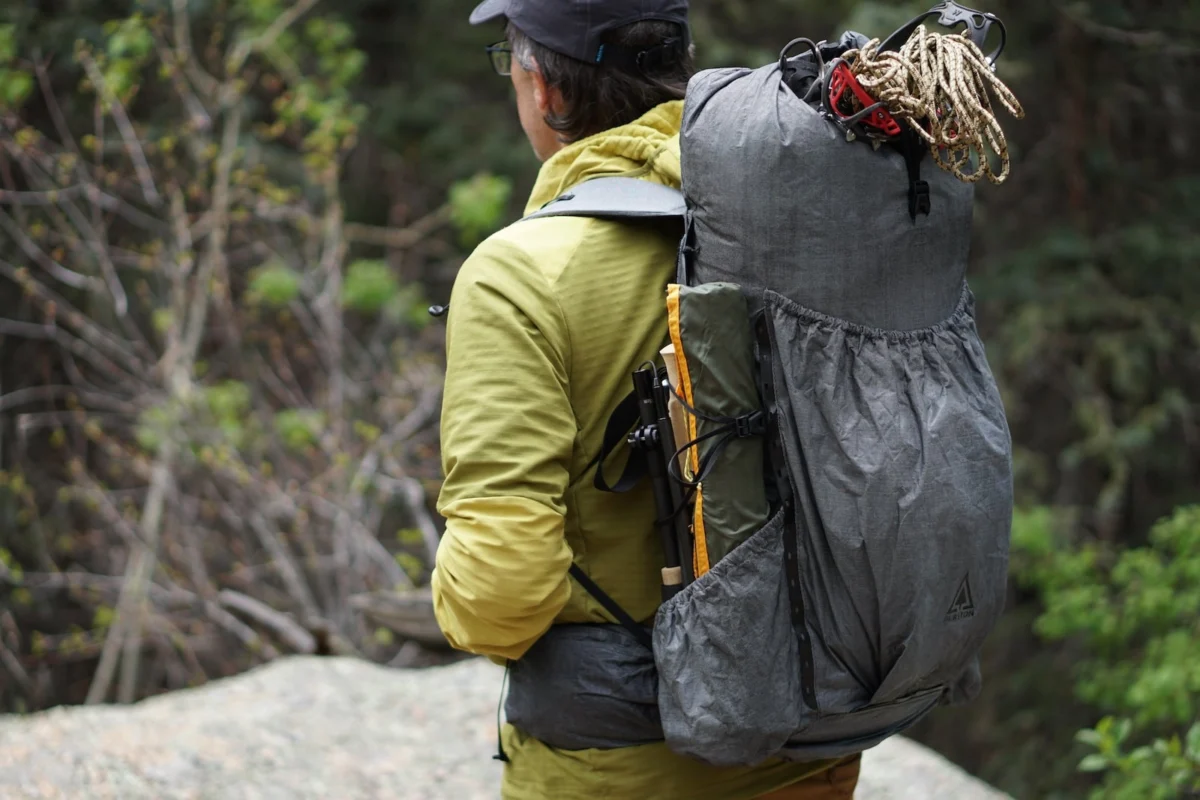
In the evolving landscape of ultralight backpacking, the "frameless pack" has long been defined by a minimalist philosophy: shave weight, simplify the architecture, and accept the trade-offs. However, the introduction of the Durston Wapta 30 has sparked a rigorous debate within the community. Marketed as a synthesis of high-end materials—specifically Aluula Graflyte—and sophisticated ergonomic shaping, the Wapta 30 aims to provide a "refined" carry that ostensibly bridges the gap between a standard soft-pack and a structured, load-bearing system.
Yet, as with any gear that promises to disrupt established norms, the technical reality requires closer inspection. Does the Wapta 30 truly offer improved load transfer, or has it simply perfected the aesthetics of comfort?
Main Facts: An Anomaly in the Ultralight Market
The Durston Wapta 30 weighs in at approximately 14 ounces, a competitive figure for a 30-liter pack. Its construction utilizes Aluula Graflyte, a high-modulus, ultra-durable fabric that has recently become the gold standard for weight-to-strength ratios in outdoor gear.
The pack distinguishes itself from competitors through a design language centered on "comfort" and "refinement." Unlike traditional frameless packs that rely solely on the tension of a folded sleeping pad for structure, the Wapta 30 features:
- A padded hip belt: Designed with integrated pockets.
- An ergonomic back panel: Utilizing dual vertical foam/airmesh pads to create a ventilation channel.
- S-shaped straps: Padded and configured with dual integrated shoulder pockets.
The core question for the modern hiker is whether these features—while undeniably more comfortable than a basic webbing-strap setup—function as a genuine suspension system or merely as high-end padding that masks the inherent limitations of a frameless design.
Chronology of the Testing Phase
To provide an objective assessment, this review moved beyond theoretical analysis to real-world field testing. Over the course of the testing cycle, the Wapta 30 was subjected to various configurations of a standard three-season mountain kit.
The Test Kit:
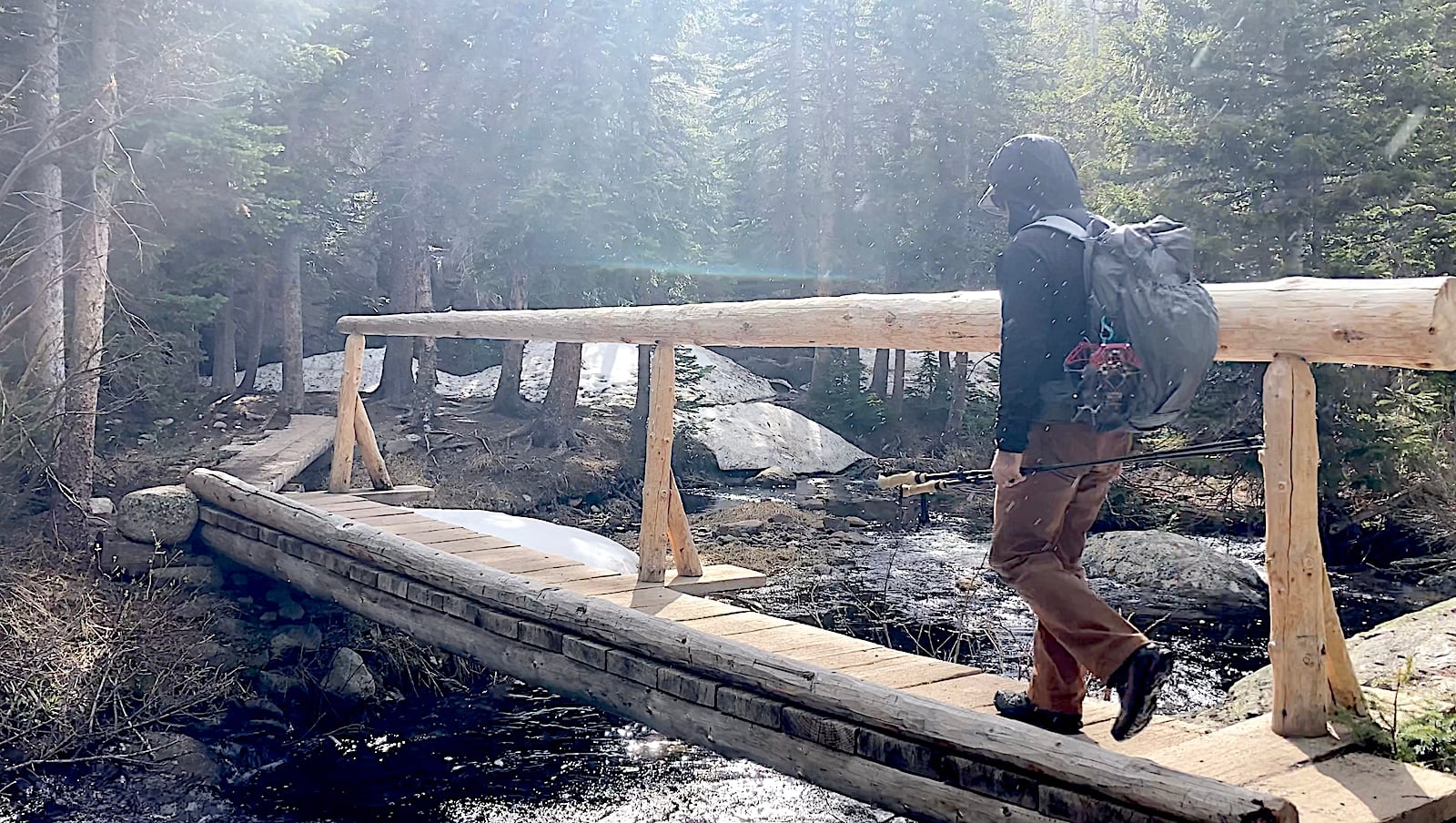
The payload included standard three-season insulation, a solo tent, specialized snow- and rock-scrambling equipment (including a haul rope), and three days of food. Total pack weights fluctuated between 22 and 29 pounds.
The Testing Progression:
- Initial Load-out (Day 1-2): Focused on baseline stability and strap comfort. We assessed how the pack handled "bouncing" during rapid movement and how the shoulder straps distributed pressure across the collarbone and traps.
- Structural Stress Testing (Day 3-5): The focus shifted to load transfer. By incrementally tightening the hip belt and adjusting the shoulder tension, we sought to determine if the weight was physically shifting from the shoulders to the iliac crest—the hallmark of an effective suspension.
- Comparative Analysis (Ongoing): The Wapta 30 was consistently compared against a wide array of packs, ranging from the structurally rigid Gossamer Gear Mirage 40 to the minimalist Zpacks Nero Pro 30.
Supporting Data: Comparative Suspension Mechanics
The following table contextualizes the Wapta 30 against current industry benchmarks, specifically highlighting how "load transfer" is often confused with "stabilization."
| Pack | Structural Logic | Primary Mechanical Goal |
|---|---|---|
| Durston Wapta 30 | Frameless; relies on bag shape | Stability & comfort padding |
| Gossamer Gear Mirage 40 | Carbon fiber X-frame | True frame-mediated load transfer |
| Arc’teryx Alpha SL 30 | Bonded framesheet | Semi-structural alpine movement |
| Nashville Cutaway | Torso-coupled vest | Dynamic movement stability |
The data suggests a critical distinction: Stability is not suspension. A pack that stays glued to your back via a well-designed harness (like the Wapta or the Nashville Cutaway) will feel better than a poorly fitting pack, but that does not mean it is moving the weight of the gear off your shoulders. In a true suspension system, the load is mechanically bridged from the pack bag to the hip belt. In a frameless system, the load is almost always gravity-fed directly into the shoulder straps.
Official Responses and Industry Context
Durston’s marketing copy consistently highlights the "refinement" of the Wapta. In discussions with the manufacturer and within the broader ultralight community, the prevailing defense of the Wapta’s design is that "comfort is subjective."
Many users argue that the combination of the Wapta’s specific harness geometry and the rigidity of the Aluula fabric creates a "self-structuring" effect. When the pack is packed correctly—with high-density items pressed against the back panel—the bag effectively creates a temporary column of support. While this is not a traditional frame, it is a significant step above the "floppy" nature of older, lightweight soft-packs.
However, industry experts remain divided. Critics argue that by focusing on "padded comfort," manufacturers are distracting users from the physical reality that 25+ pounds will always create high pressure on the shoulders in a frameless pack, regardless of how fancy the foam or fabric is.
Implications: Does the Wapta 30 Change the Game?
The implications of the Wapta 30’s design are twofold.
1. The "Comfort" Trap
The primary implication is that users must be clear about what they are buying. If you are purchasing the Wapta 30 expecting it to perform like a framed pack—where you can carry 30+ pounds with 80% of the weight on your hips—you will likely be disappointed. Its improvements are primarily in the realm of harness ergonomics and stabilization, not load distribution.
2. The Future of Frameless Materials
Conversely, the Wapta 30 represents a successful application of material science. The use of Aluula Graflyte allows the pack to maintain its shape under stress far better than traditional sil-nylon or older Dyneema composites. This structural integrity allows the pack to move with the user, reducing the "slop" that often leads to fatigue. In this sense, the Wapta is a triumph of engineering, even if it doesn’t break the laws of physics regarding load transfer.
Final Assessment
The Durston Wapta 30 is a high-performance, precision-crafted tool for the ultralight hiker who has already optimized their base weight. It is not a "magic bullet" that makes heavy loads disappear. Instead, it is a refinement of the frameless category. It acknowledges that if you are going to carry a load on your shoulders, that experience should be as comfortable as possible.
For the hiker who carries 15–20 pounds and values agility, breathability, and top-tier materials, the Wapta 30 is likely the current apex of the genre. But for those looking to carry heavier, multi-day, or technical loads, the physics of a frame—as seen in the Gossamer Gear Mirage—remains the gold standard. The Wapta 30 succeeds by being the most "refined" version of a frameless pack ever produced; it simply shouldn’t be mistaken for something it is not.
As we move forward, the challenge for manufacturers like Durston will be to see if they can maintain this level of comfort while incorporating even more sophisticated, weight-conscious structural elements. Until then, the Wapta 30 stands as a masterclass in ergonomic soft-pack design.