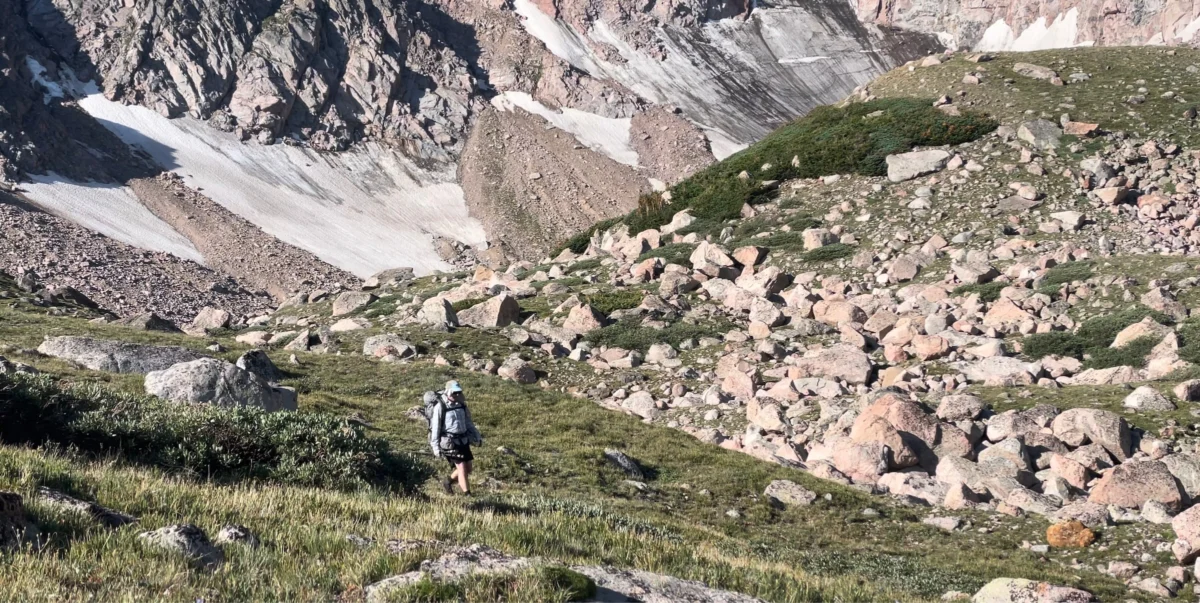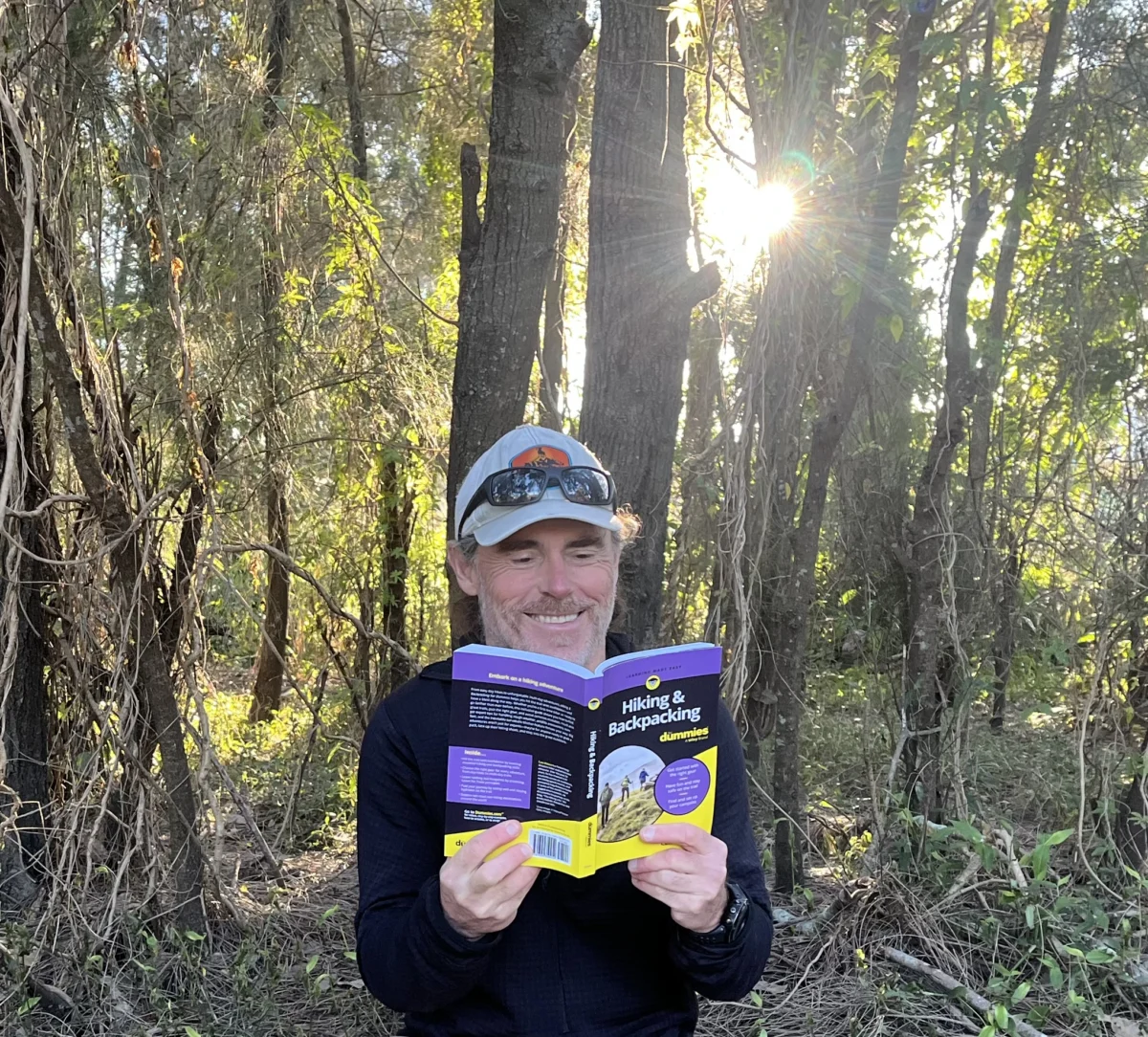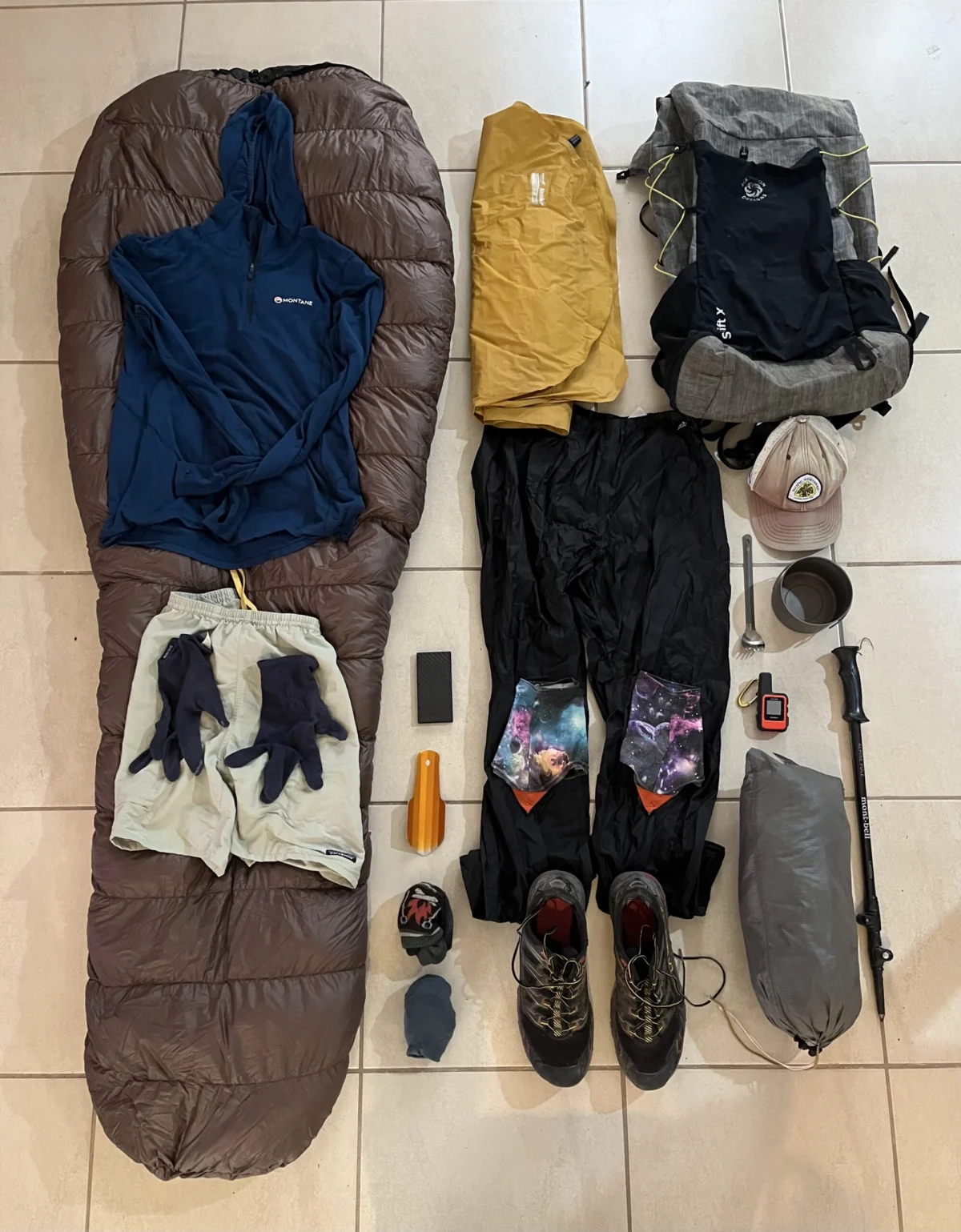
In the late summer of 2023, experienced thru-hikers Kate “Swept Away” Pickett and the author of The Hiking Life undertook an ambitious, two-part expedition across Iceland. The journey combined a trek through the remote Hornstrandir Peninsula with a grueling north-to-south traverse of the entire country. Spanning approximately 720 kilometers (448 miles) of volcanic terrain, glacial rivers, and unpredictable Arctic weather, the expedition served as a masterclass in ultralight gear management under extreme duress.
Main Facts: The Scope of the Journey
The expedition was divided into two distinct phases. The first, a 120km (75-mile) traverse of the Hornstrandir Peninsula, acted as a proving ground for equipment. The second, a 600km (373-mile) north-to-south traverse of Iceland, tested the limits of endurance and logistical planning.
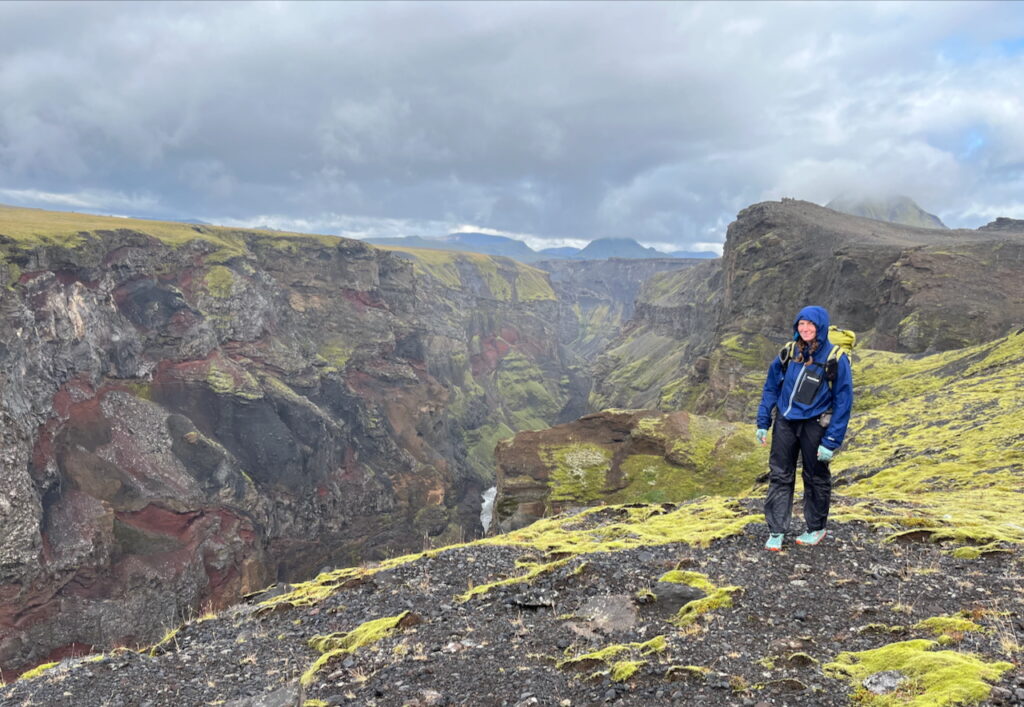
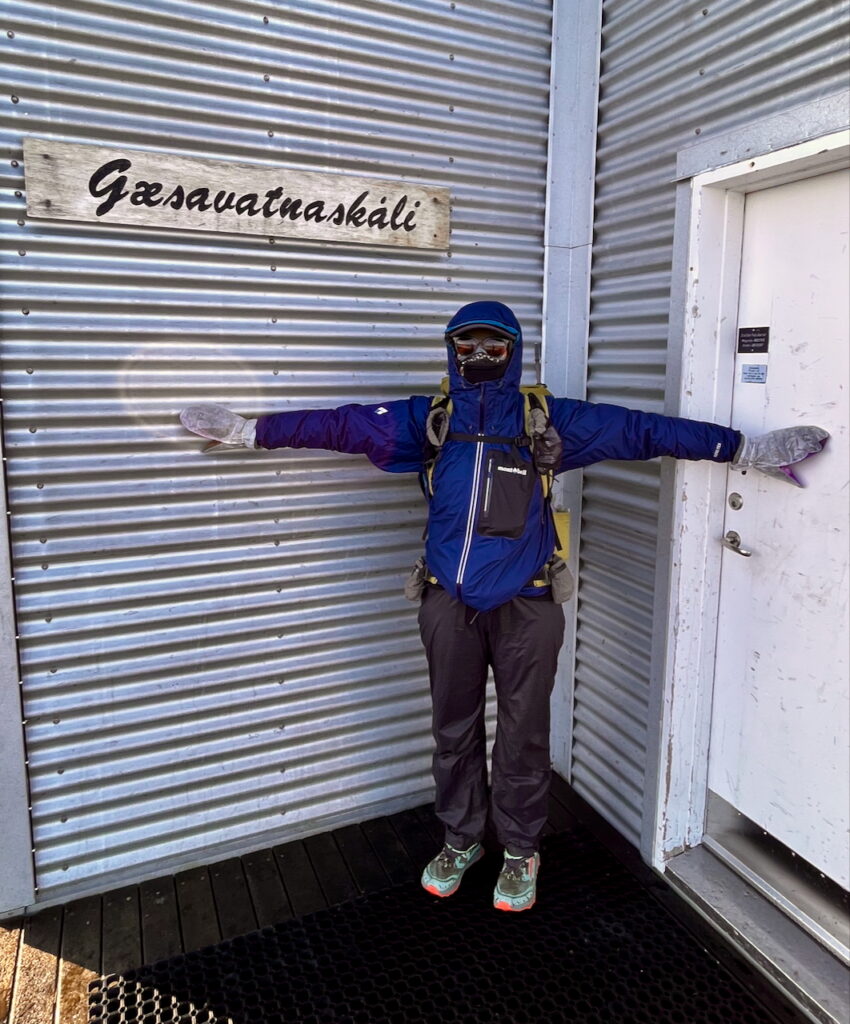
Temperatures throughout the trip oscillated between mid-teen Celsius (low 60s Fahrenheit) and sub-zero conditions, dipping as low as -5°C (23°F). While the Hornstrandir phase presented localized storm systems, the true test arrived in early September during the Iceland Traverse. While navigating the Central Highlands, the team faced a sustained weather front characterized by relentless rain, heavy snow, and gale-force winds reaching 100 km/h (62 mph).
Chronology of the Expedition
The trek was meticulously planned to balance autonomy with the logistical constraints of Iceland’s interior.
- Phase I: The Hornstrandir Peninsula: The team navigated one of the most isolated regions in Europe. This segment involved significant coastal navigation and required a 5.5-day food carry.
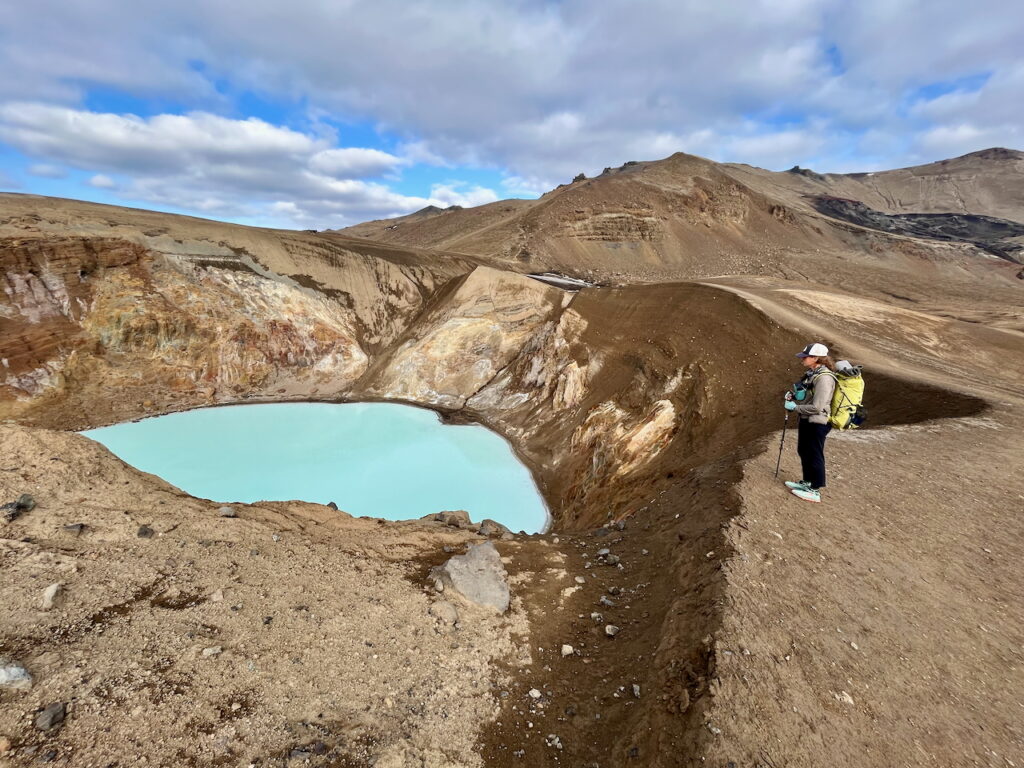
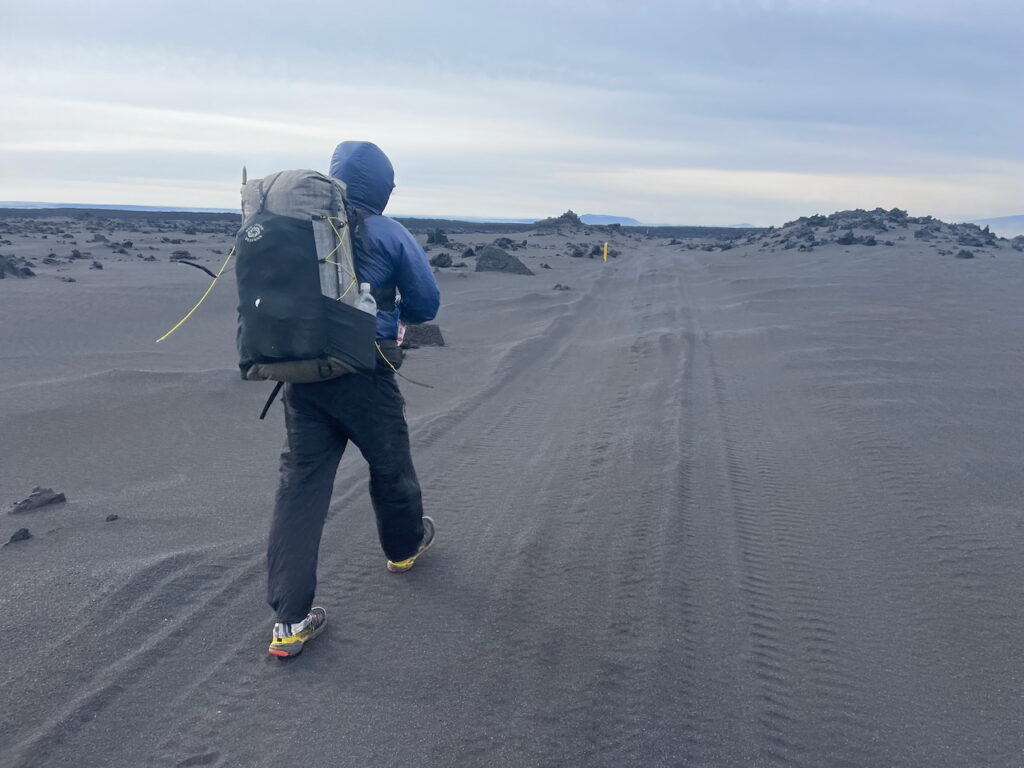
- Phase II: The Central Highlands: Moving south, the terrain shifted to expansive, barren volcanic deserts. This section demanded a more rigorous approach to supply management, with food carries extending to eight days in some stretches.
- The Storm Window: Between September 1 and September 4, 2023, the expedition entered its most challenging phase. The team pushed through constant driving wind and precipitation, utilizing a combination of strategic route planning and high-performance, “bombproof” shelter systems to mitigate the risks of exposure.
Supporting Data: Gear and Loadout
Despite the harsh environment, the expedition was defined by a commitment to a functional, albeit slightly heavier, base weight compared to standard ultralight benchmarks.
Equipment Specifications
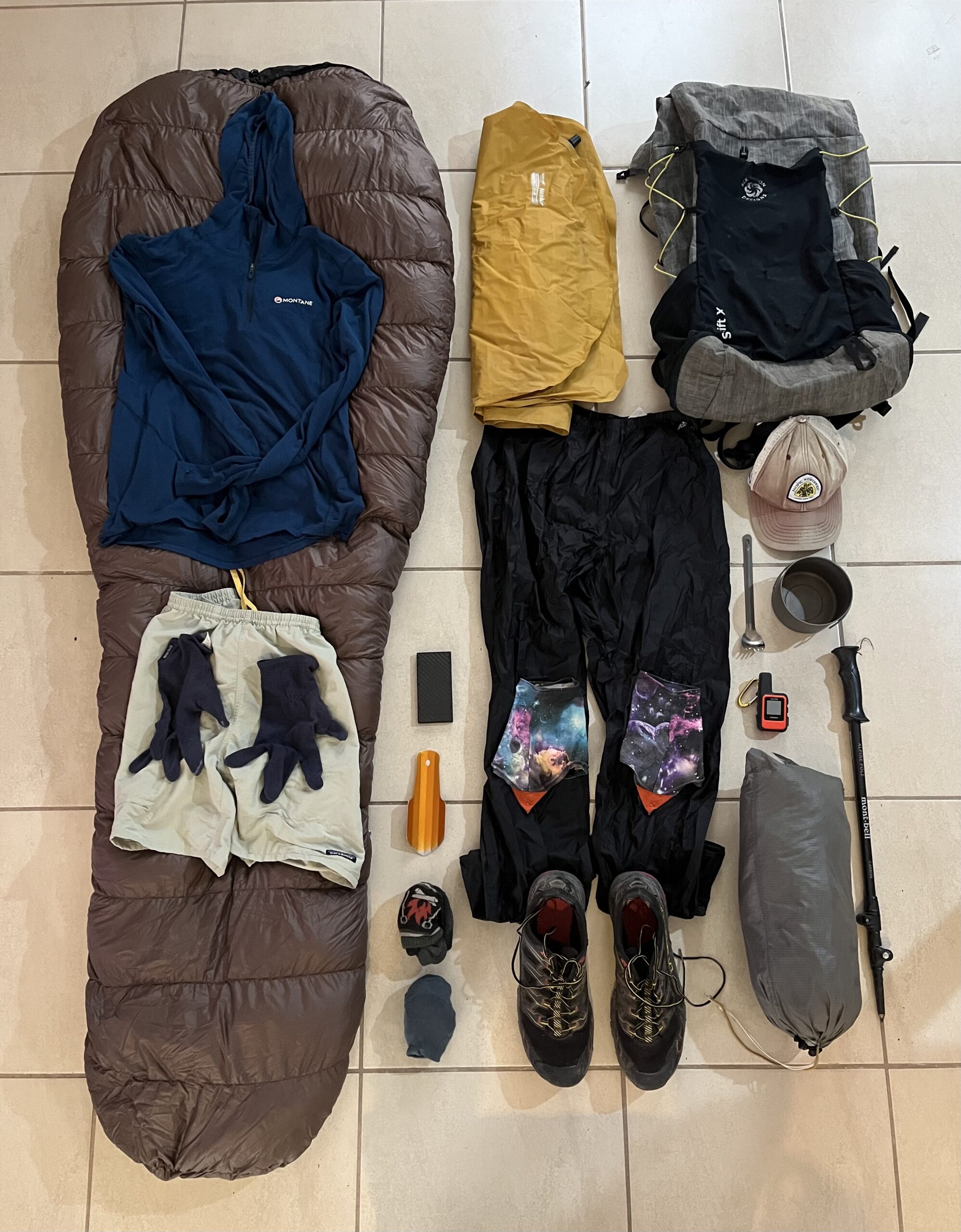
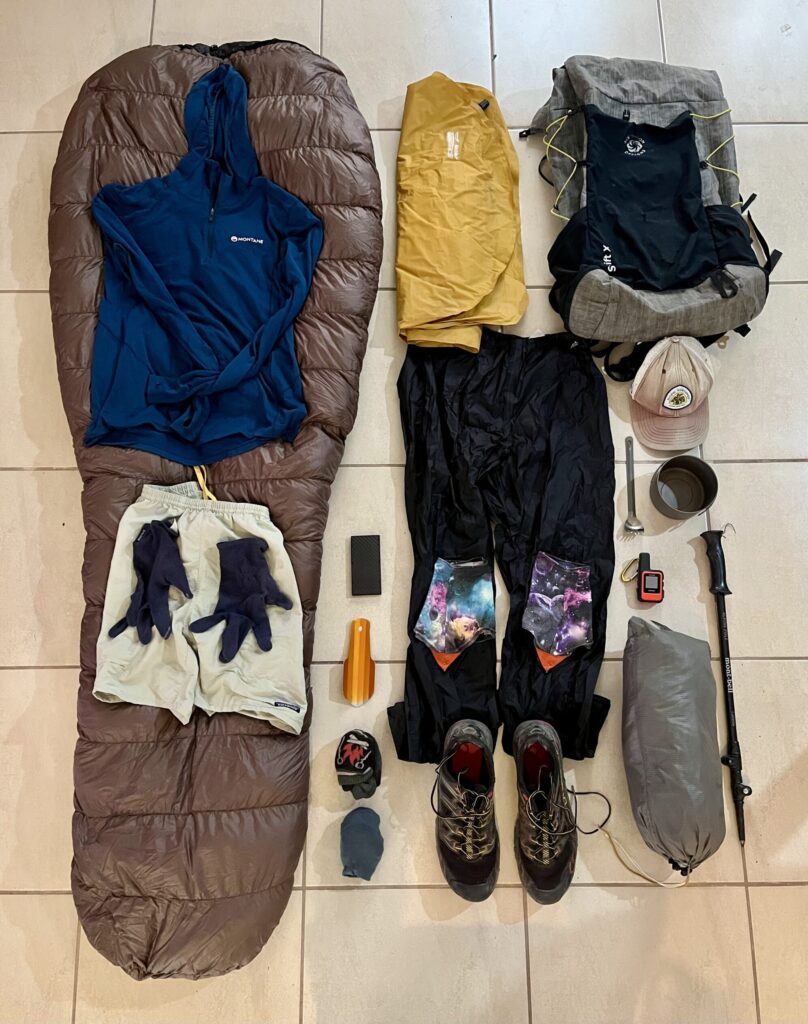
The expedition’s base weight settled at 13.1 lbs (5.7 kg), with a total pack weight, including consumables, reaching approximately 16 lbs (7.3 kg).
| Item | Weight (oz) | Key Function |
|---|---|---|
| Backpack | 38 | Six Moon Designs Swift X (Internal frame for heavy loads) |
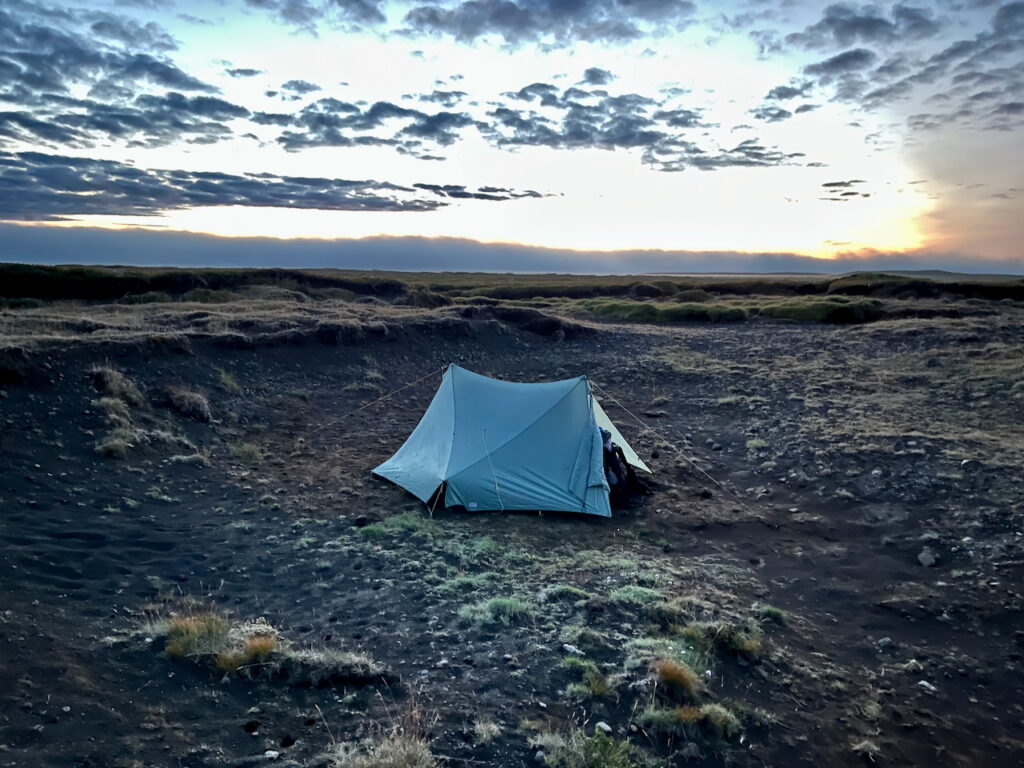
| Shelter | 42 | Tarptent Stratospire 2 (Silpoly) |
| Sleep System | 36 | Katabatic Alsek 22 / Thermarest NeoAir |
| Kitchen | 10.6 | SOTO Windmaster / Toaks 900ml Pot |
| Clothing | 43.3 | Montbell layers / Storm Cruiser rain jacket |
The choice of the Tarptent Stratospire 2 proved critical. The shelter was subjected to 80km/h (50mph) gusts and sustained heavy rain, maintaining structural integrity throughout the ordeal. The team noted that while Dyneema versions of such shelters are lighter, the durability and cost-to-performance ratio of the silpoly model were superior for a multi-week, high-abrasion environment.
Footwear and Ergonomics
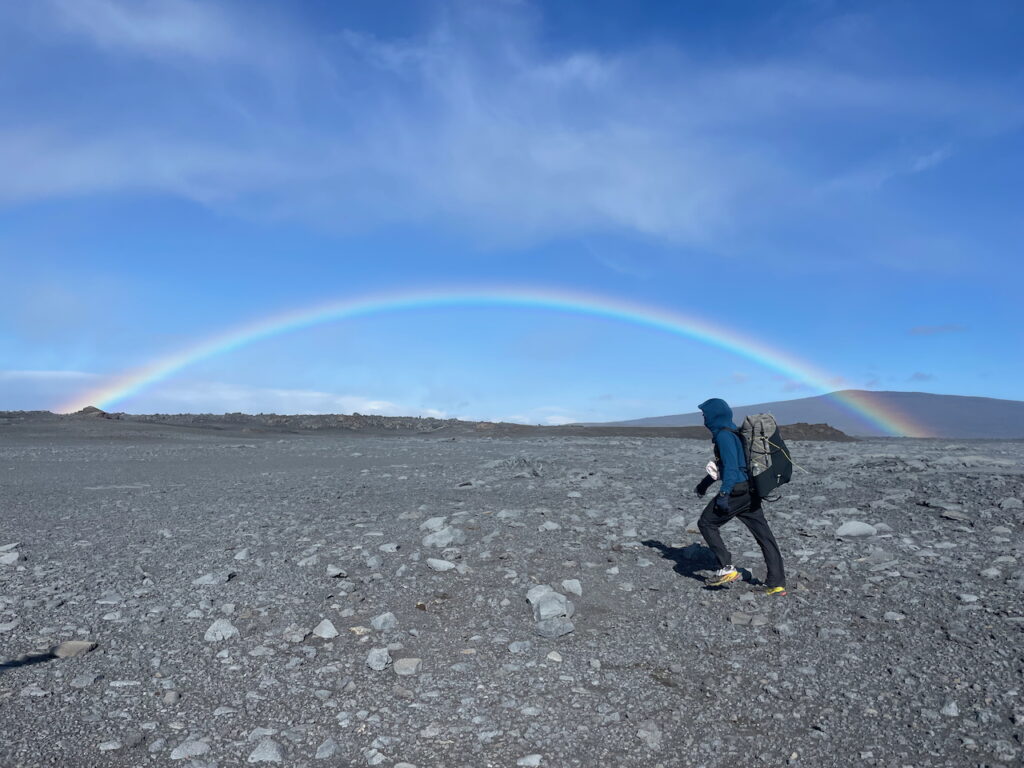
The team utilized La Sportiva Akashas throughout the entire 720km journey. This selection highlights the preference for trail running shoes over traditional boots, even in rugged, volcanic, and wet terrain. The Akashas offered a wider toe box and sufficient cushioning for long-mileage days, with the team estimating the shoes retained 200–300 miles of life even after the traverse was completed.
Field Notes: Insights on Arctic Trekking
The success of an Icelandic traverse relies as much on psychological preparation as physical fitness. The following observations were documented during the expedition:
1. The Imperative of "Bombproof" Shelter
The interior of Iceland offers virtually no natural windbreaks. When the wind picks up, the lack of trees or topographical cover means the tent is the only barrier between the hiker and the elements. Hikers must ensure their shelter is pitched with extreme tension. Relying on "marginal" sites during high-wind forecasts is a recipe for catastrophic gear failure.
2. Strategic Resupply
Logistics in Iceland require coordination with local infrastructure. The team successfully utilized local knowledge in Akureyri and collaborated with the Ferðafélag Íslands (Icelandic Touring Association) to forward-cache fuel canisters at the Dreki ranger station near the Askja caldera. This level of planning is non-negotiable for longer traverses.
3. Safety and Technology
While gear lists are often focused on the "big three" (shelter, pack, sleep system), the team emphasized the necessity of specific digital safety tools. They utilized the Garmin inReach Mini for communication, noting that battery life is exceptional—often lasting a month between charges when tracking is disabled and messaging is restricted to essential "in-camp" check-ins.
Implications for Future Hikers
The 2023 expedition highlights a shifting trend in long-distance hiking: the move away from "gram-counting" in favor of "resilience-focused" ultralight gear.
Resilience Over Minimalism
The author notes that this expedition featured one of the heaviest base weights of the millennium for their personal record. This was a conscious choice. In an environment as volatile as the Icelandic Highlands, the penalty for gear failure—be it a torn tent or an inadequate sleeping bag—is severe. The decision to carry a heavier internal-frame pack (Six Moon Designs Swift X) allowed for more comfortable carrying of 8-day food supplies, which proved to be the right decision during the remote, waterless, and food-depleted stretches of the interior.
Environmental Stewardship
Iceland’s wilderness is fragile. The use of the Deuce of Spades trowel and strict adherence to "Leave No Trace" principles are essential. The team’s focus on repurposing small containers for toiletries and using reliable, multi-use gear (such as the Buff for both warmth and hygiene) minimizes the expedition’s footprint.
The Role of Hot Springs
A recurring theme of the journey was the restorative power of Iceland’s geothermal features. The inclusion of a small microfiber towel is highly recommended. It serves a dual purpose: it is vital for drying off after a spontaneous dip in the geothermal waters of Landmannalaugar or other volcanic springs, and it acts as an effective tool for managing condensation within the shelter during the humid, damp mornings common in the region.
Conclusion: Lessons from the North
The 2023 traverse of Iceland served as a reminder that the "lightweight" philosophy must remain subservient to the environment. Whether it was the choice of a robust, 3-layer rain jacket (Montbell Storm Cruiser) to combat persistent Arctic precipitation, or the reliance on tried-and-true, albeit slightly heavier, footwear, the expedition’s success was rooted in pragmatic gear selection.
For those considering a similar traverse, the takeaway is clear: Iceland is not a place for experimental equipment. It is a place for proven gear that has been stress-tested, a meticulous approach to weather monitoring, and a profound respect for a landscape that can change from peaceful to perilous in a matter of minutes. As the team concluded, the most important piece of equipment carried was not found in the pack, but in the decision-making process that determined when to push forward and when to seek the safety of a mountain hut.