Date: October 12, 2026
Series: Principles of Outdoor Gear Design (Part 1 of 4)
Host: Ryan Jordan, Backpacking Light
In the high-stakes environment of the backcountry, gear is more than just equipment—it is a critical interface between the user and the elements. When a piece of gear fails, the consequences range from minor inconvenience to life-threatening emergency. Yet, for all its importance, the concept of "durability" is frequently misunderstood, marketed as a vague superlative rather than a quantifiable engineering standard.
In the debut installment of the four-part series Principles of Outdoor Gear Design, Ryan Jordan unpacks the complex, often counterintuitive relationship between product design, user behavior, and the physics of wear. This series, developed in partnership with Vaer Watches under the "Built by Vaer" initiative, aims to bridge the gap between abstract engineering theory and the practical realities of the trail.
The Core Thesis: Redefining Durability
Durability is not an inherent trait of a material; it is a dynamic relationship. Jordan argues that to truly understand durability, one must look past the marketing hyperbole of "bombproof" construction and analyze the intersection of three pillars: the product’s design intent, the specific use case, and the user’s operational behavior.
The Myth of "Indestructibility"
A common pitfall for both manufacturers and consumers is the pursuit of universal durability. However, engineering is a game of tradeoffs. Every increase in material thickness or structural reinforcement carries a penalty in weight and cost. If a backpack is over-engineered to withstand the rigors of an expedition-grade haul, it becomes an inefficient, heavy burden for a weekend hiker.
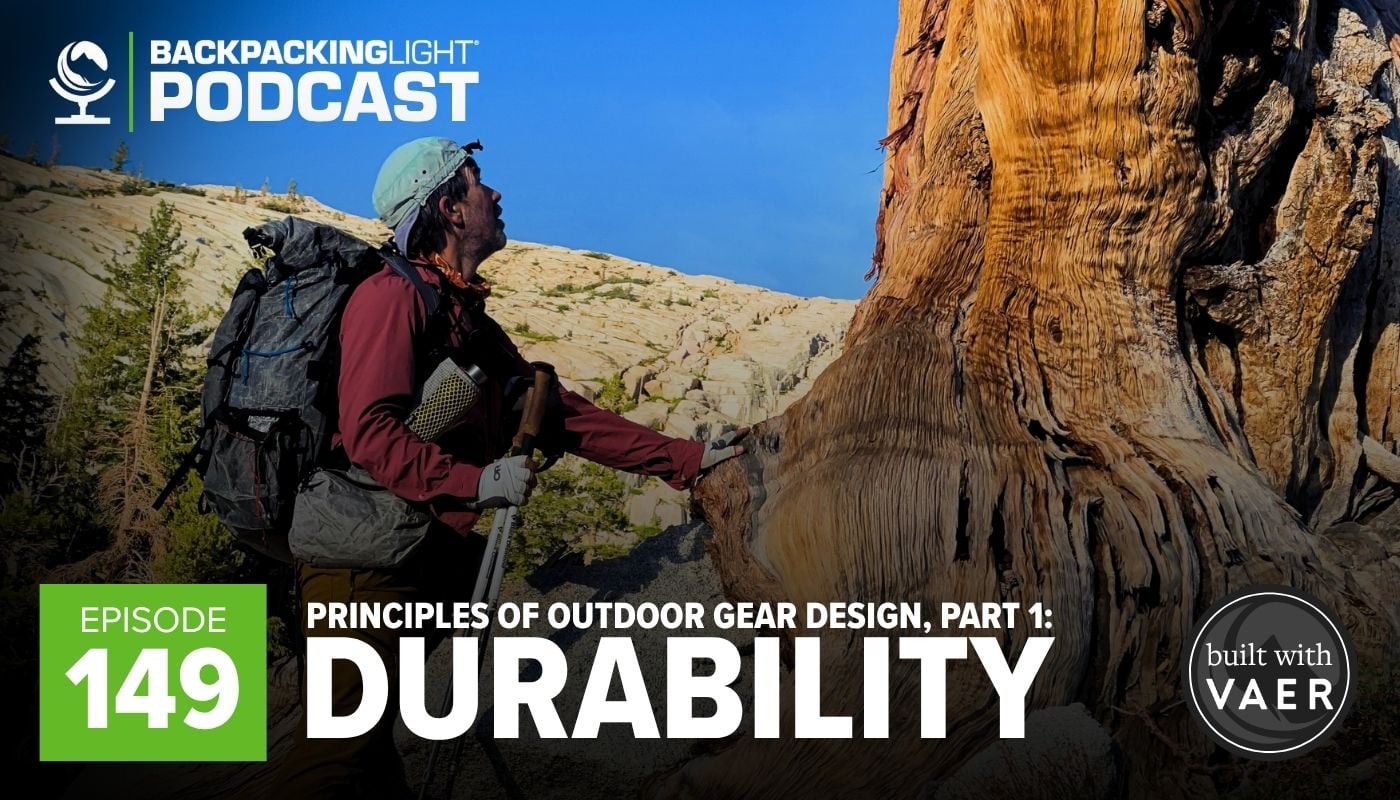
Jordan posits that true durability is "continued function." A product is durable only if it maintains its utility for the duration of its expected lifecycle under the conditions for which it was designed. If a piece of gear survives an apocalypse but is too heavy to carry on a 20-mile hike, it has failed as a functional tool.
Chronology of a Product’s Lifecycle
To manage expectations, the podcast outlines a lifecycle model for outdoor gear. Understanding this progression allows users to make better purchasing decisions and perform more effective maintenance.
- The Engineering Phase: Designers define the "service life" of a product. Materials (such as DWR coatings, ripstop nylons, or stainless steel) are selected based on anticipated environmental stressors—UV radiation, abrasion, tension, and moisture.
- The Manufacturing Phase: Quality control and construction techniques (seam sealing, bar-tacking, welding) determine the integrity of the product as it leaves the factory.
- The Deployment Phase: The user introduces the product to the field. This is where the gap between lab-tested durability and real-world performance is revealed.
- The Degradation Phase: Every cycle of use accumulates micro-damage. Wear is inevitable; the goal of design is to ensure that wear is predictable and, ideally, repairable.
- The Maintenance/Failure Phase: This is the critical juncture. Does the user possess the knowledge to maintain the gear? Is the failure a "catastrophic failure" (end of life) or a "field-repairable failure" (continued life)?
Supporting Data: Engineering vs. Reality
In the episode, Jordan highlights the importance of standardized testing—such as ASTM (American Society for Testing and Materials) procedures—as a baseline. However, he warns against treating these metrics as gospel.
"Standardized testing occurs in a vacuum," Jordan explains. "An ASTM abrasion test tells you how a fabric handles a mechanical rub, but it cannot account for the way a user loads a pack, the way grit infiltrates a zipper, or the chemical breakdown of coatings caused by DEET or sunscreen."
Material Science and Tradeoffs
- Weight vs. Longevity: Lighter materials often require more delicate handling. Users must weigh the benefit of shaving grams against the frequency of replacement.
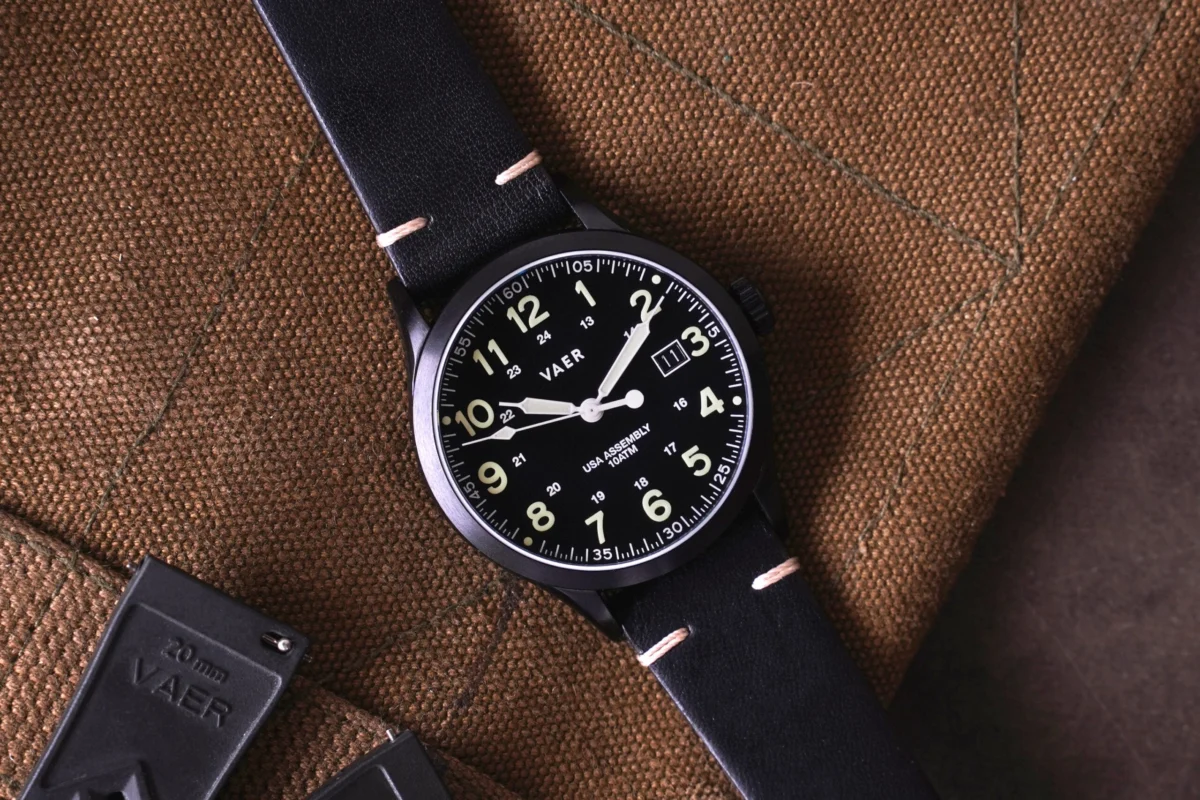
- The "Built by Vaer" Philosophy: As a partner in this educational series, Vaer Watches serves as a case study for intentional design. The C5 Tactical Field Solar watch provides an excellent proxy for the broader discussion: it utilizes a sapphire crystal for scratch resistance and a solar-powered movement to eliminate battery changes. These design choices prioritize "continued function"—ensuring the tool works without the user having to worry about it—while keeping the weight at a manageable 64g.
Official Perspective: The "Built by Vaer" Collaboration
The partnership between Backpacking Light and Vaer Watches is rooted in the shared belief that consumers deserve transparency in product design. By providing educational resources on how watches and outdoor gear are constructed, the initiative aims to cultivate a more informed, critical consumer base.
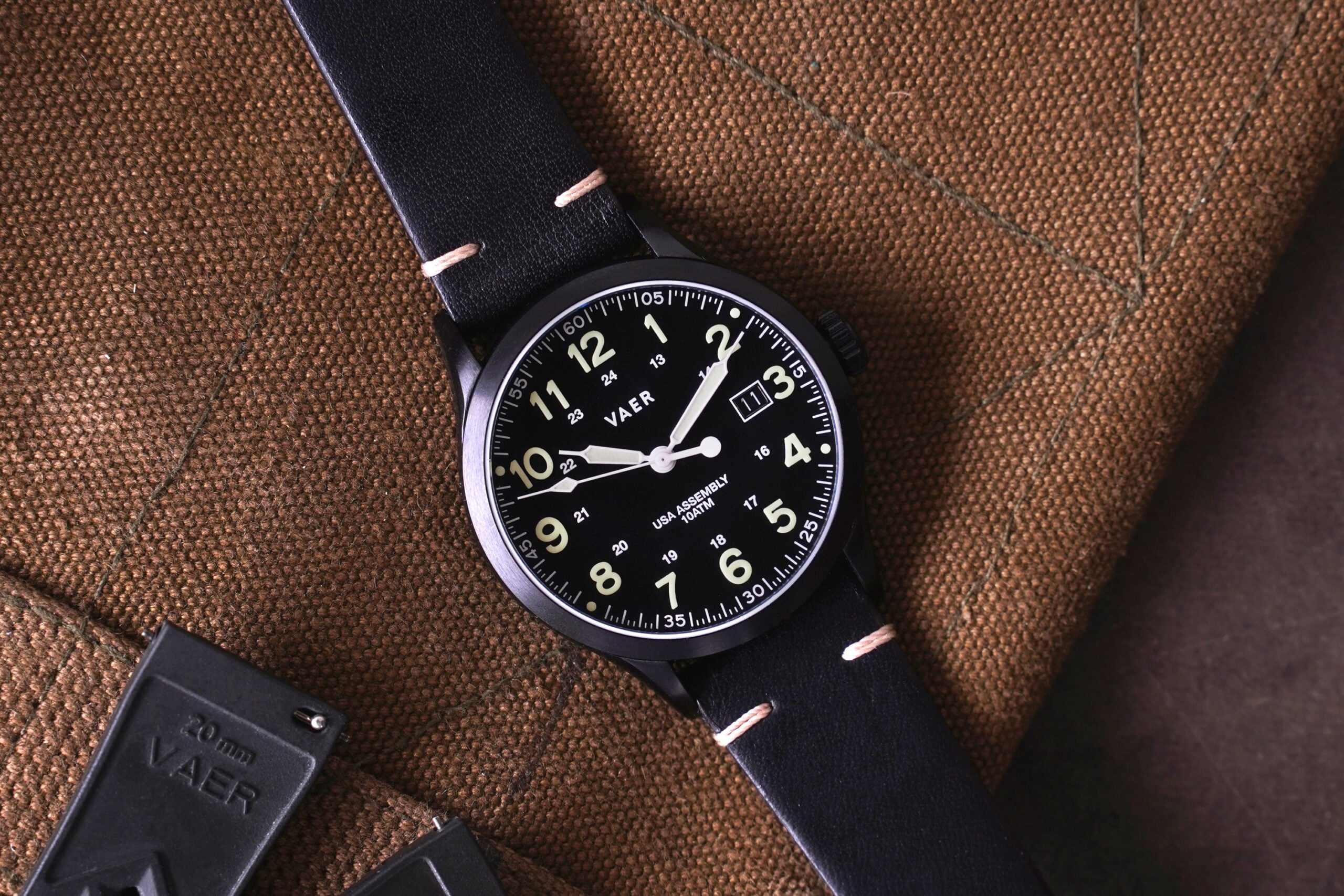
"Durability isn’t about bulk," the initiative notes. "It’s about reliability. Whether it’s a watch that holds a six-month power reserve or a backpack that balances high-tenacity fibers with lightweight structural integrity, the goal is to create gear that facilitates the experience rather than becoming the center of it."
Implications for the Modern Hiker
The series forces listeners to confront their own role in the durability equation. If you are a user who rarely maintains your equipment, you should prioritize products with higher "margin of error" design, even if they are heavier. If you are an ultralight enthusiast, you must accept that your gear will have a shorter lifespan and require proactive, skilled maintenance.
Key Takeaways for Evaluating Gear:
- Read the Specs, but Question the Use Case: Don’t buy a technical climbing pack for an urban commute, and don’t buy an ultralight race pack for off-trail bushwhacking.
- Assess Repairability: Can the zippers be replaced? Can the seams be resealed? A durable product is one that can be fixed.
- Understand the "Failure Point": Know what is likely to break first on your equipment. If you know the zipper is the weak point, treat it with care and keep it clean.
- The Cost of Maintenance: Durability often requires work. Cleaning your gear, reapplying DWR, and checking structural points is the only way to extend the service life of high-performance materials.
Looking Ahead: The Series Continues
This episode is merely the foundation. In the subsequent three episodes of Principles of Outdoor Gear Design, the series will pivot toward:
- Usability: How intuitive design affects the safety and efficiency of gear in high-stress environments.
- Simplicity: Why the removal of features is often the most sophisticated design choice.
- Performance: The final synthesis of durability, usability, and simplicity in creating the ultimate backcountry tool.
By moving beyond the marketing brochures and into the philosophy of engineering, Jordan and the team at Backpacking Light are providing a roadmap for the future of outdoor equipment. The goal is to move the industry toward a model where gear is built not just for the next season, but for a lifetime of exploration.
For more information on the principles discussed, including engineering references and deeper dives into material science, visit the Backpacking Light library and the ongoing educational modules provided by the Built by Vaer initiative.