By [Your Name/Journalistic Desk]
In an era defined by rapid urbanization, digital saturation, and the relentless pace of modern consumerism, the human connection to the natural world has become increasingly tenuous. As our daily lives migrate into virtual spaces and climate-controlled environments, we are witnessing an unprecedented "nature deficit." This psychological and physical distancing has resulted in a profound erosion of our collective understanding of the ecosystems upon which we depend.
William E. Simpson II, a noted naturalist, author, and conservationist, posits that while documentaries and digital media provide a window into the wild, they remain a mere shadow of reality. "There is no substitute for ecotourism programs that uniquely provide actual immersion into nature and the experience of the wonders that exist therein, first hand," Simpson argues. As society faces the growing pressures of resource depletion, the need for a tangible, immersive relationship with the environment has never been more urgent.
The Sensory Imperative: Why Immersion Matters
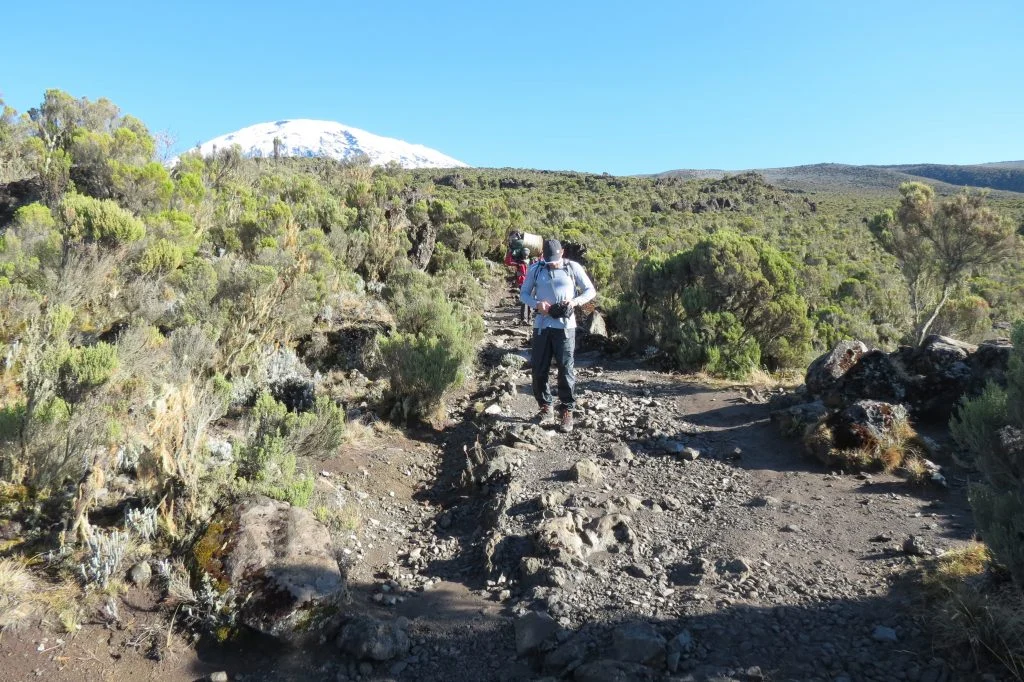
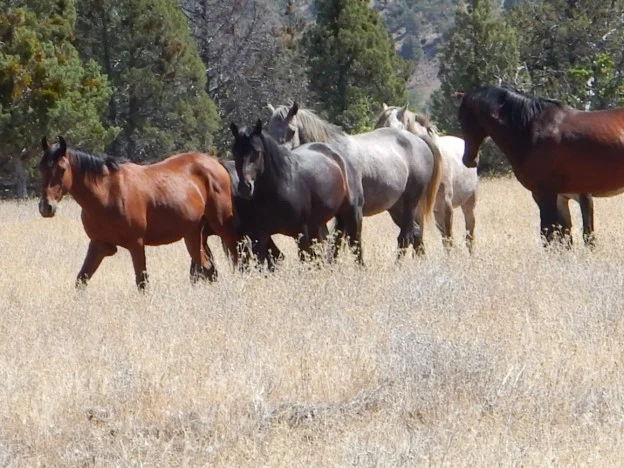
The human experience is built upon sensory input—the crisp scent of a pine forest after a rain, the sharp, melodic dialogue of eagles circling an alpine thermals, the sight of a wild stallion standing sentinel over his band, or the rhythmic, percussive sound of a mountain stream tumbling over granite. These are not merely aesthetic experiences; they are biological requirements that ground the human psyche.
Ecotourism serves as the bridge over the "growing abyss" between man and nature. Unlike passive consumption of media, ecotourism demands physical presence. This immersion facilitates a "communion with nature" that fosters a deeper level of stewardship. When an individual witnesses the complexity of an ecosystem firsthand, they are far more likely to develop the compassion necessary to advocate for, and participate in, the preservation of that landscape. It transforms abstract environmental policy into a personal, emotional imperative.
A Case Study in Rewilding: The American Wild Horse
One of the most compelling arguments for integrating ecotourism with intelligent natural resource management is found in the ongoing debate surrounding the American wild horse. For decades, these animals have been viewed through a narrow lens of livestock conflict, often resulting in expensive roundups and long-term government storage.
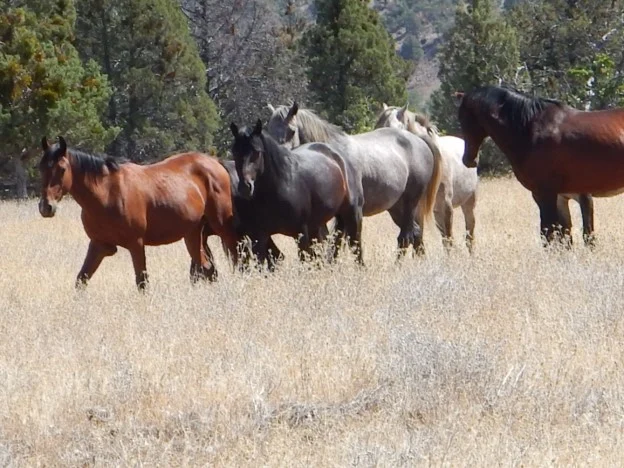
However, a shift in perspective—supported by data from Moffat County, Colorado—suggests that wild horses are not merely a burden, but a potent economic and ecological asset. When managed as a component of a regional ecotourism strategy, these animals have been shown to provide a significant boost to local economies, drawing tourists from across the globe who are eager to witness a symbol of the American frontier in its natural habitat.
The Economic and Ecological Balance
The implications for the Bureau of Land Management (BLM) are stark. Currently, the federal government spends approximately $100 million annually on the holding and maintenance of captured wild horses. By implementing a strategy of "appropriate rewilding"—relocating horses from areas of high agricultural conflict to wilderness zones where they can thrive—the government could achieve a massive reduction in costs.
Beyond the balance sheet, there is a compelling ecological argument: wildfire mitigation. Properly managed wild horse populations act as natural land managers, grazing on grasses and brush that otherwise accumulate as "fuel loads." In an era of catastrophic wildfires, this natural reduction of flammable biomass offers a low-cost, ecologically sound alternative to intensive mechanical thinning or chemical treatments.
Chronology of the Modern Conservation Movement
The evolution of the ecotourism movement can be viewed through several distinct phases:
- Pre-1970s (The Extraction Era): Nature was primarily viewed as a resource to be harvested, with tourism restricted to national parks and recreational fishing/hunting.
- 1980s–1990s (The Awakening): The rise of global environmental awareness led to the birth of "Ecotourism" as a formal industry. Organizations like The International Ecotourism Society (TIES) were founded to create standards for sustainable travel.
- 2000s–2010s (The Technological Shift): Digital media and high-definition documentaries (e.g., Planet Earth) piqued global interest in wildlife but inadvertently led to a "virtual-only" engagement model.
- 2020–Present (The Reconnection Era): Post-pandemic, there is a renewed surge in demand for "slow travel" and immersive wilderness experiences, shifting the focus back to the benefits of direct, face-to-face interaction with nature.
Supporting Data and Economic Impact
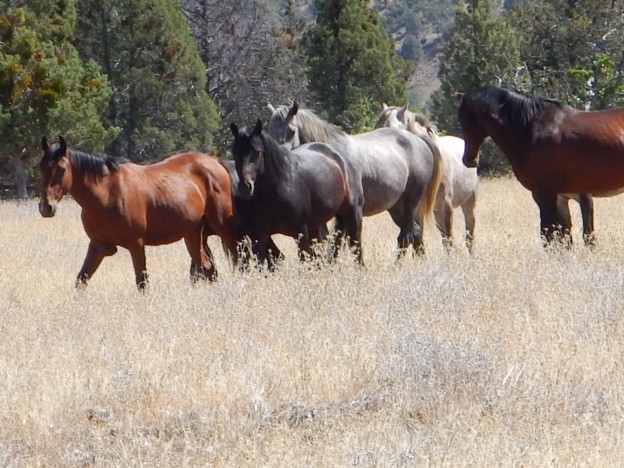
The efficacy of ecotourism is backed by data that highlights its role in rural development. In areas where wild horse tourism has been introduced, local municipalities have reported increased revenue in lodging, dining, and guide services.
- Direct Spending: Tourists attracted by wildlife photography and observation spend significantly more per capita in gateway communities than casual travelers.
- Infrastructure Longevity: Ecotourism encourages the development of sustainable, low-impact infrastructure, which preserves the land for future generations while generating consistent annual income.
- Conflict Resolution: By pivoting from "removal" to "managed tourism," regional stakeholders can bypass the high-cost legal battles that often accompany land-use disputes, allowing for a more harmonious integration of diverse interests.
Official Responses and Stakeholder Perspectives
The debate remains polarized, with traditional agricultural interests often at odds with conservationists. However, the emerging consensus among non-partisan economists and land-management experts is that a "hybrid model" is required.
The Bureau of Land Management (BLM): While the agency has historically focused on the logistical challenges of horse management, recent policy discussions indicate an openness to alternative management strategies, including fertility control and habitat expansion, as the costs of the current model become increasingly unsustainable.
Conservationists: Groups like the one led by William E. Simpson II argue that the "commercialization" of public lands is not the goal; rather, it is the valorization of these lands. When a community sees a wild horse as a tourist attraction, the horse ceases to be a pest and becomes an asset. This shift in social perception is the cornerstone of effective wildlife policy.
Implications: The Path Toward Stewardship
What does the future hold for our relationship with the natural world? The implications of a successful, widespread adoption of ecotourism are profound.
1. Shift in Educational Paradigms
We must move from "classroom ecology" to "experiential ecology." When students and adults alike are given the chance to observe the complex, chaotic, and beautiful realities of a wilderness ecosystem, the lessons stick. We begin to understand that an ecosystem is not just a backdrop for our lives, but a functional, interdependent system.
2. Economic Diversification
For rural communities, ecotourism provides a hedge against the volatility of traditional resource extraction. By diversifying the local economy to include nature-based tourism, these regions become more resilient and better incentivized to protect the very environments that draw visitors.
3. The Moral Imperative
Perhaps the most significant implication is moral. As we reconnect with the wild, we cultivate compassion. This compassion is the antidote to the "abyss of understanding" that Simpson describes. When we know the land, we feel its pain—whether that be through the lens of wildfire, habitat loss, or over-exploitation—and we are moved to act.
Conclusion
The modern world is at a crossroads. We can continue to view nature as a resource to be consumed and managed into oblivion, or we can choose to re-integrate ourselves into the natural cycle. Ecotourism is not merely a vacation choice; it is a vital tool for survival. By fostering direct, sensory, and educational connections with our environment, we create a citizenry that is informed, compassionate, and dedicated to the stewardship of our planet’s remaining wonders.
As William E. Simpson II aptly reminds us, the smell of the forest and the sound of the wild are not luxuries—they are the threads that bind us to the earth. To preserve them is to preserve ourselves.
For more information on the intersection of wild horse management and ecotourism, visit www.WHFB.us or consult the resources provided by The International Ecotourism Society.