In an era defined by rapid urbanization and the increasing digital insulation of daily life, the concept of a "therapeutic garden" has moved from the periphery to the center of community health discussions. A flourishing garden in Korson, Finland, serves as a compelling case study for this phenomenon. Beyond its primary function as a space for sustainable agriculture, this site has evolved into a vibrant social hub, bridging generational gaps and promoting physical and mental restoration through nature-based interventions.
This report explores the multidimensional role of gardening—not just as a method of food production, but as a framework for community engagement, cognitive health, and the management of invasive, high-yield crops.
The Social Ecology of the Garden: Bridging Generations
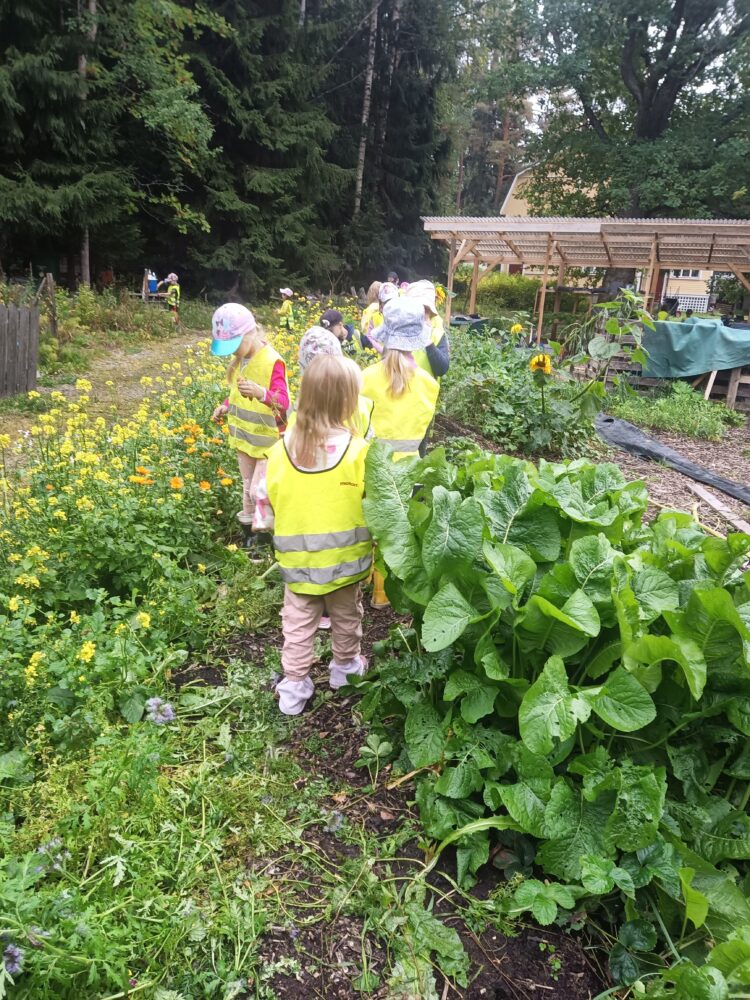
The garden serves as a living laboratory for intergenerational connection. For several years, it has hosted regular visits from a neighboring kindergarten and, more recently, a local care home for the elderly. These interactions are structured to facilitate more than just recreation; they are intentional exercises in community bonding and sensory engagement.
The Kindergarten Connection
For the preschoolers, the garden provides a vital exposure to biodiversity. Research consistently indicates that early childhood exposure to the complex microbiome of a natural environment is essential for the development of a robust immune system. By engaging with soil, harvesting wild herbs, and participating in the fermentation of garden produce, these children are not merely learning about plants—they are building a physiological resilience that modern, sterile environments often fail to foster.
The Elderly: Nostalgia and Cognitive Restoration
For residents of the nearby care home, the garden serves as a sanctuary for cognitive and emotional stimulation. Activities are centered on the enjoyment of local, seasonal foods and the restorative properties of the landscape. Under the shade of a historic, Tsarist-era oak tree, elderly visitors often find their memories stirred, reflecting on their own childhoods or the kitchen gardens they once tended.
The Science of "Forest Bathing" and Animal Interaction
The therapeutic benefits of this garden are not merely anecdotal; they are rooted in biophilic science. The garden utilizes the concept of Shinrin-yoku—or "forest bathing"—by leveraging the chemical emissions of the surrounding flora.
Terpenes and Cognitive Health
Trees and soil release complex organic compounds into the air. Of particular interest are terpenes, such as limonene and pinene, emitted by coniferous trees. When inhaled and absorbed into the bloodstream, these compounds have been shown to:
- Lower cortisol levels: Promoting a state of physiological relaxation.
- Boost immune function: Enhancing the activity of natural killer (NK) cells.
- Improve cognitive performance: Increasing focus and alleviating symptoms of mental fatigue.
The Role of Animal-Assisted Therapy
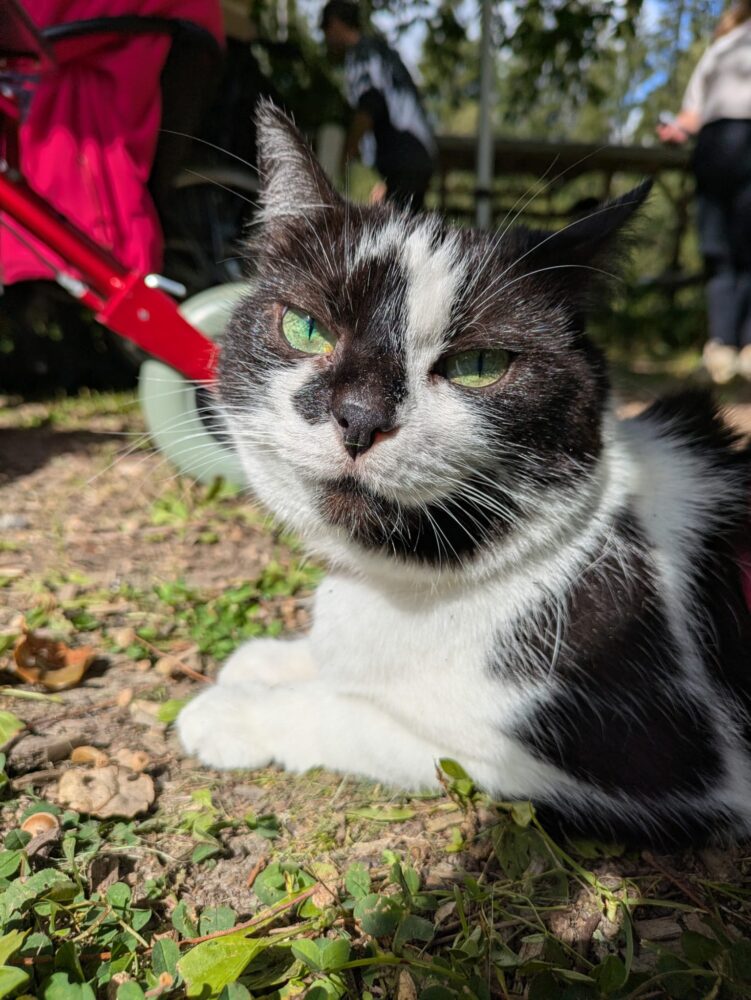
The presence of "Siiri," the garden’s resident cat, highlights the efficacy of animal-assisted interventions. The simple act of encountering and stroking an animal triggers the release of oxytocin, the "bonding hormone," which plays a critical role in reducing blood pressure and enhancing mood. Observations from the site suggest that these interactions are particularly effective in breaking down social barriers for elderly visitors, as the animal acts as a bridge between the visitor and the environment.
Sustainable Management: The Challenge of the Jerusalem Artichoke
While the social aspects of the garden are flourishing, the practical management of the land has required significant horticultural innovation. When the current stewards first moved to the Korson site, approximately 25% of the total cultivation area was dominated by Jerusalem artichoke (Helianthus tuberosus).
The "No-Dig" Strategy
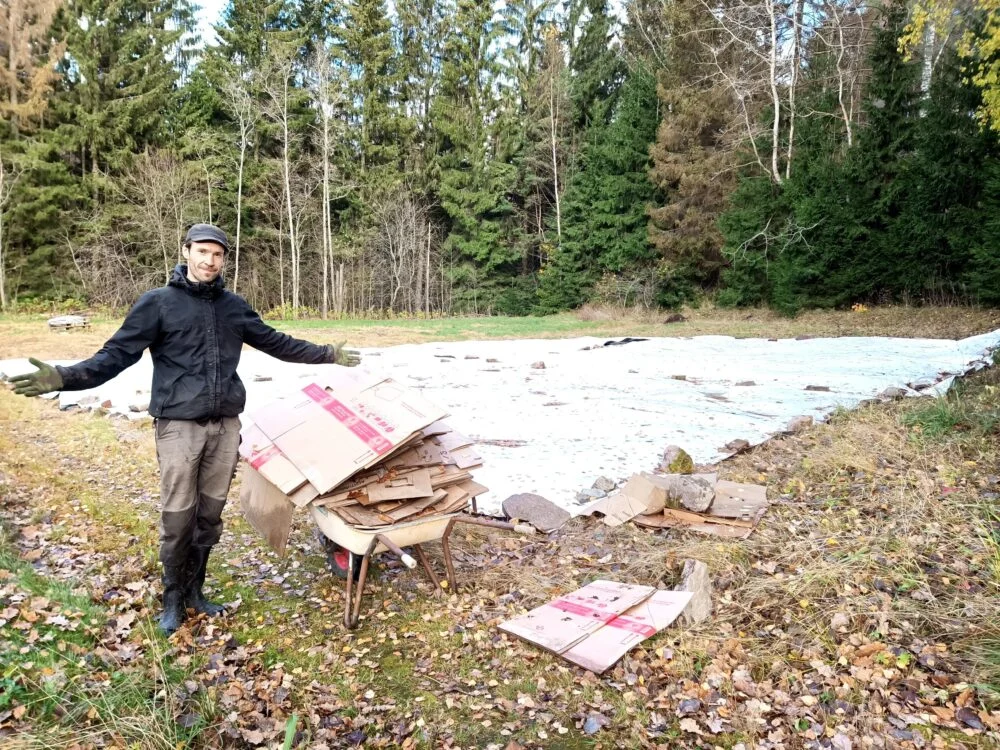
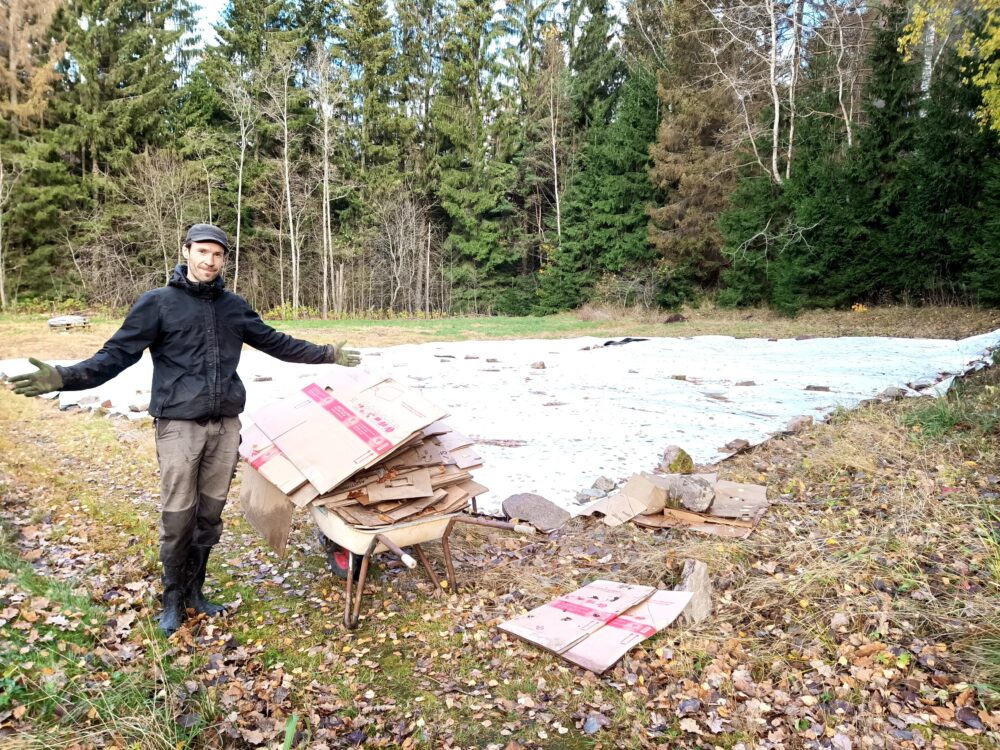
Jerusalem artichoke is notorious for its aggressive growth and persistence. To reclaim the space for a more diverse range of crops without relying on synthetic chemicals, the stewards adopted "No-Dig" (or "No-Till") techniques.
- The Cardboard Method: By layering cardboard over the infested soil and topping it with compost, the team effectively smothered the Jerusalem artichoke while suppressing competitive weeds.
- Repurposing the Soil: The invasive tubers were eventually relocated to raised beds constructed from earth excavated during the creation of a new pond. This transformed a pest management challenge into a sustainable infrastructure project.
Successive Harvesting and Diversification
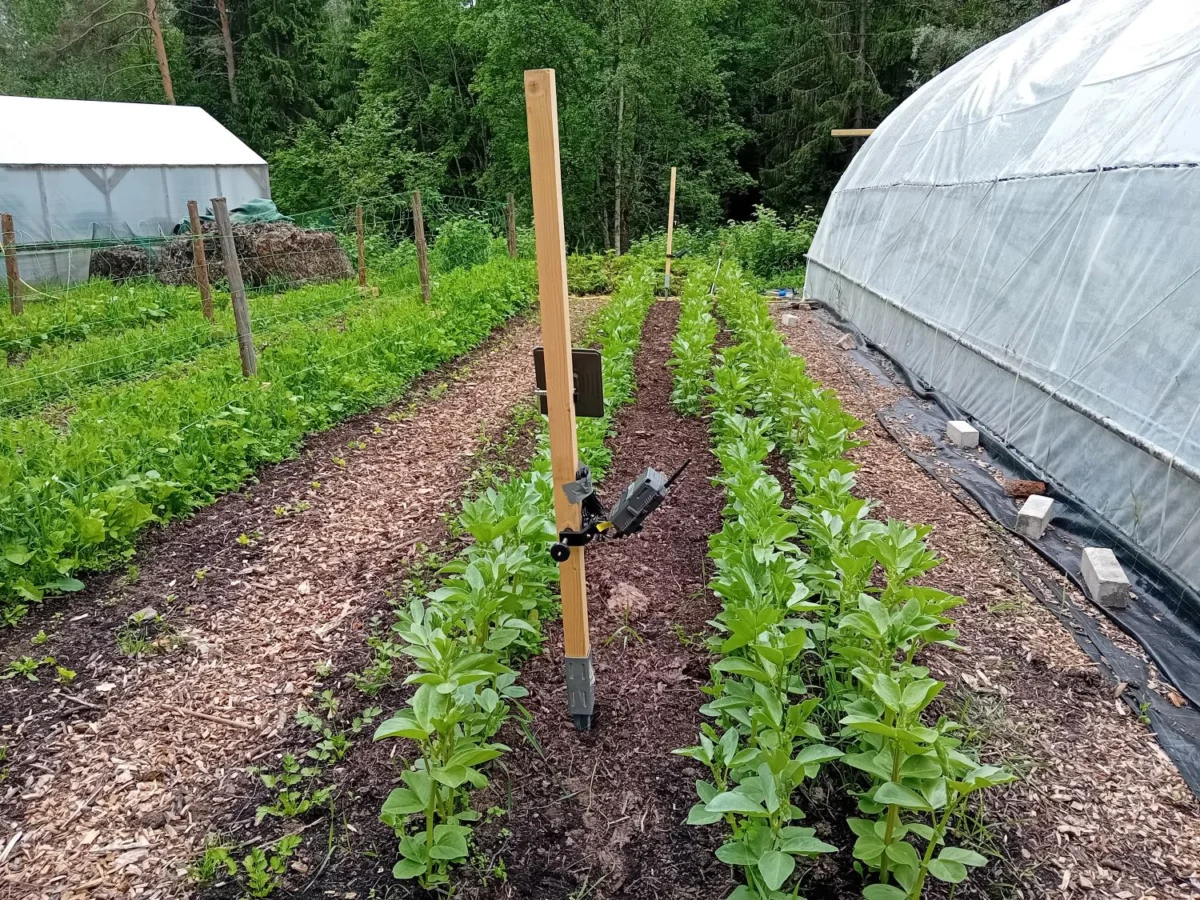
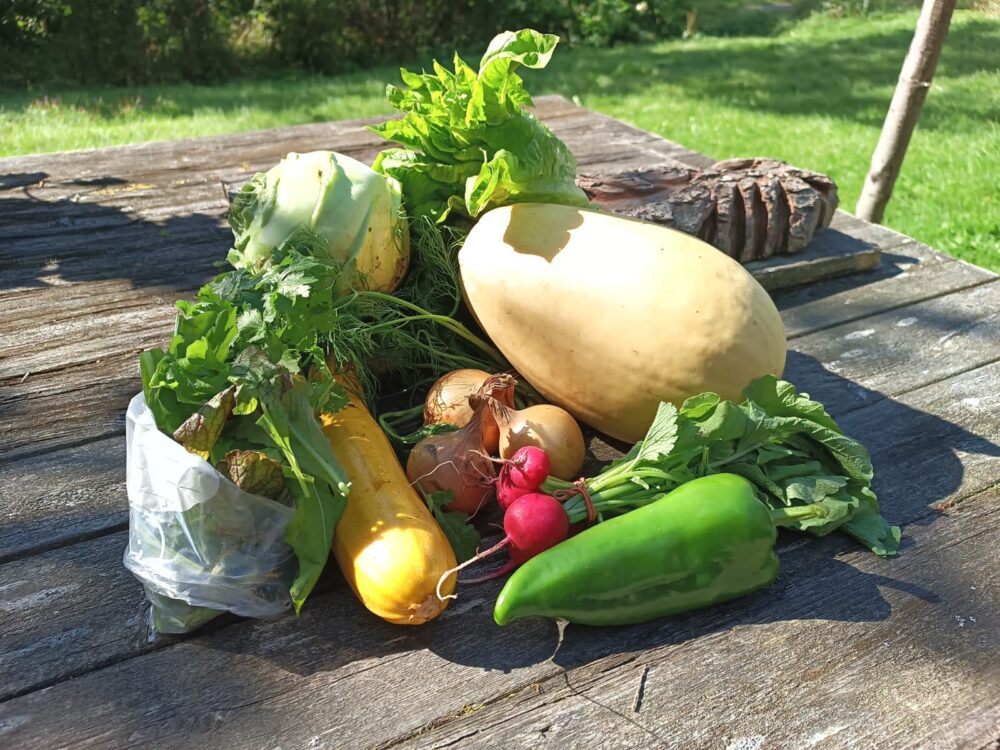
By mid-summer, once the primary garlic crop was harvested, the now-reclaimed land was transitioned into a high-intensity production zone. The garden successfully yielded:
- Radishes and Lettuce: Quick-growing staples.
- Chinese Cabbage and Daikon Radish: For winter storage.
- Sarepta Mustard (Brassica juncea): Specifically the ‘Red Giant’ variety, which has become a staple for its peppery, rucola-like bite and ability to produce multiple harvests per season.
Culinary Implications: The Jerusalem Artichoke Reclaimed
Despite efforts to contain it, the Jerusalem artichoke remains a productive, low-maintenance powerhouse. Its hardiness and the fact that it flowers late in the season—providing a vital nectar source for pollinators when other flora have faded—make it an essential, if demanding, garden resident.
Nutritional Considerations
The primary challenge with Jerusalem artichoke is its high inulin content. Inulin is a prebiotic fiber that, while beneficial for gut health in moderate amounts, can cause significant digestive distress for many individuals if consumed in large quantities. The culinary solution is twofold:
- Variety: Pairing the artichoke with other root vegetables during roasting dilutes the inulin concentration.
- Processing: Careful peeling and slow-cooking methods, such as in a creamy soup base (traditionally served with leeks, potatoes, and white beans like Borlotti), render the tubers more digestible and palatable.
The Rise of the Root Chip
One of the most effective ways to utilize a surplus of Jerusalem artichokes is through the preparation of root chips. By slicing the tubers thinly—often leaving the skin on to reduce labor—and baking them until crispy, the garden provides a healthy, local alternative to processed snacks. This preparation method bypasses the need for intensive peeling while maintaining the unique, nutty flavor profile of the vegetable.
Supporting Data: The Impact of Garden Interventions
| Benefit Category | Mechanism | Observed Outcome |
|---|---|---|
| Physical | Terpene absorption (Limonene/Pinene) | Lowered stress, enhanced immune response |
| Cognitive | Multisensory engagement (Soil/Plants) | Improved mood, stimulated memory in elderly |
| Social | Intergenerational interaction | Reduced isolation, community cohesion |
| Environmental | No-Dig methodology | Soil health preservation, high biodiversity |
Implications for Public Health and Urban Planning
The Korson garden serves as a scalable model for urban development. The integration of "edible landscapes" into spaces occupied by schools, care homes, and community centers offers a triple-dividend: it increases food security, improves public health through nature-based therapies, and fosters social capital.
Official Perspectives on Therapeutic Horticulture
Health professionals are increasingly advocating for "Green Prescriptions." The evidence from the Korson site supports the notion that the garden is not merely an amenity, but a clinical asset. By prioritizing the process of gardening—digging, weeding, harvesting, and communal dining—over the product alone, organizations can create environments that support the mental health of vulnerable populations.
Future Outlook: Scaling the Model
As the climate changes, the importance of resilient, local food systems becomes more acute. The success of the Korson site in managing invasive species through sustainable, low-impact methods provides a roadmap for other community gardens. The transition from a mono-crop infestation to a diverse, high-yield, and socially inclusive garden demonstrates that nature, when managed with intentionality, can heal both the land and the people who inhabit it.
In conclusion, the garden at Korson is a testament to the fact that when we cultivate the earth, we are also cultivating our own health. Whether it is a child discovering the world through soil, an elderly person finding peace under an ancient oak, or a gardener mastering the art of the harvest, the lessons learned here offer a blueprint for a more resilient and connected future.
For those interested in supporting the continuation of this work, and to gain further insights into sustainable, nature-based journalism, consider subscribing to publications like Suomen Luonto, which continue to champion the vital connection between humanity and the natural world.