By Marjaana Toivonen | September 1, 2026
In the quiet, cool darkness of the Finnish countryside, a scientific mystery is unfolding—or perhaps, it is failing to unfold. While global research has increasingly highlighted the critical role of nocturnal pollinators in sustaining crop yields and global food security, a pioneering study in Finland has hit an unexpected snag: the pollinators are nowhere to be found.
As I began my investigation into the night-time activities of insects on our farmlands, I was fueled by optimism. International literature suggested that moths, beetles, and other night-active creatures were the "unsung heroes" of agriculture. Yet, as our cameras remain fixed on the fields, the silence of the night is becoming a data point in itself.
The Core Investigation: Why the Night Matters
The premise of this research, which began 18 months ago, is simple: do our food crops rely on the dark? In many parts of the world, nocturnal pollination is a vital, often overlooked component of the ecosystem. If a significant portion of a crop’s pollination occurs while the sun is down, then current agricultural practices—which focus almost exclusively on daytime insect activity—might be missing a massive piece of the puzzle.
To bridge this knowledge gap, I teamed up with researcher Paula Humberg. Our goal was to quantify the abundance of night-active pollinators on Finnish fields and measure their specific impact on crop yields. We operated under the assumption that these insects would be readily observable, acting as a secret, industrious workforce contributing to our food production.
A Chronology of Discovery and Frustration
Phase I: The Trial Run (May–June 2025)
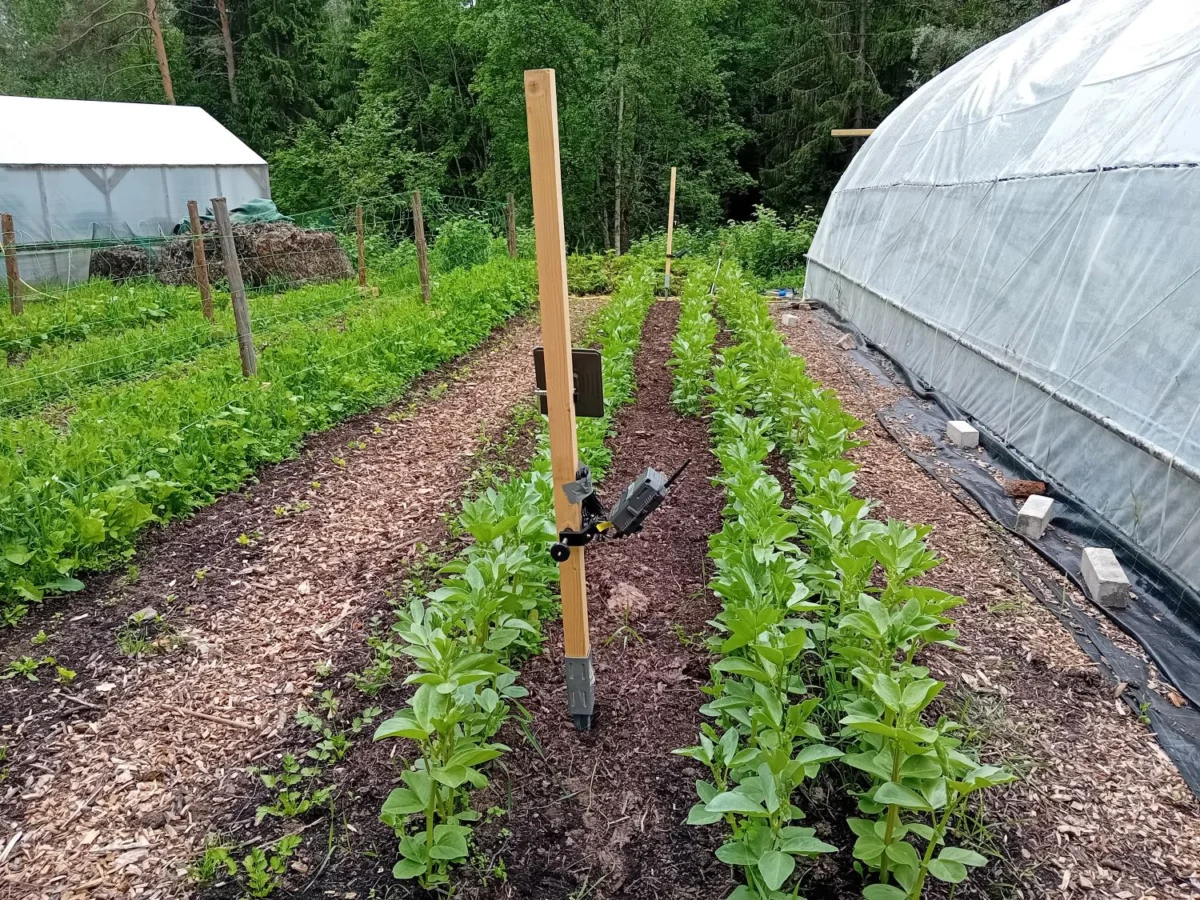
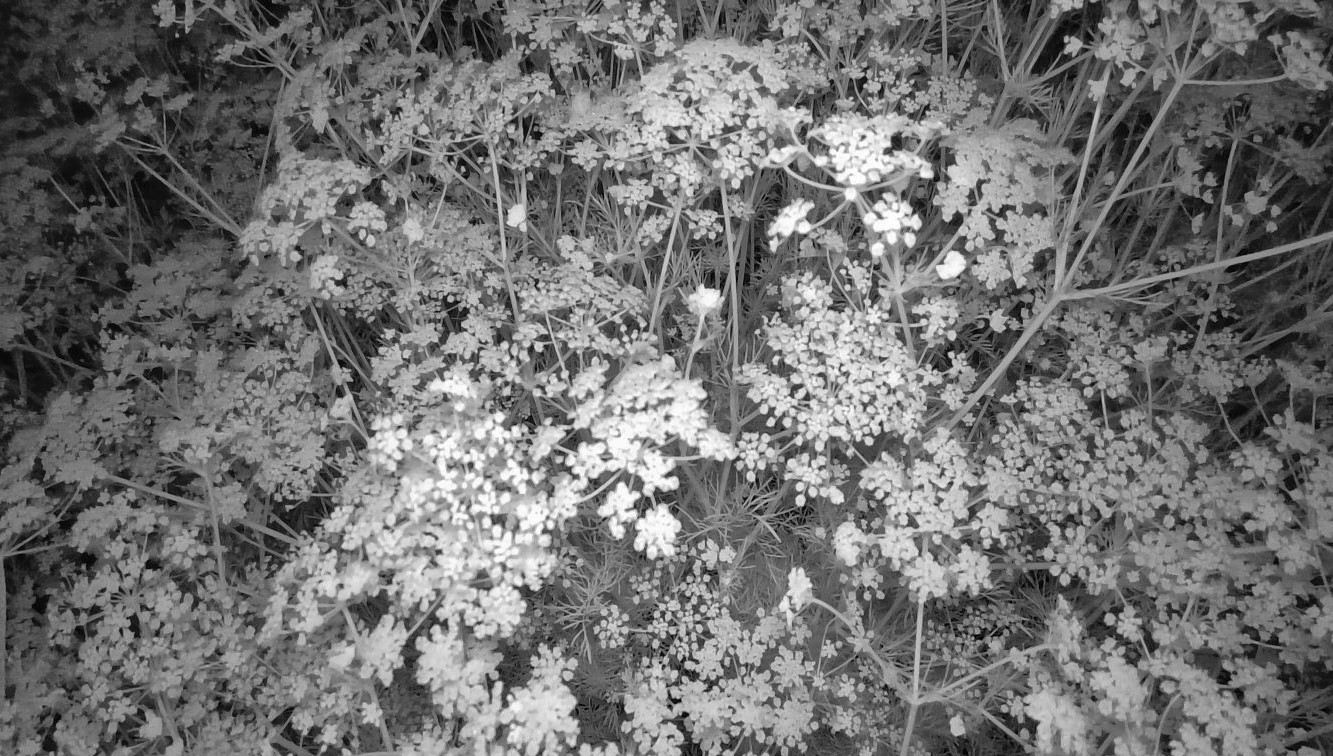
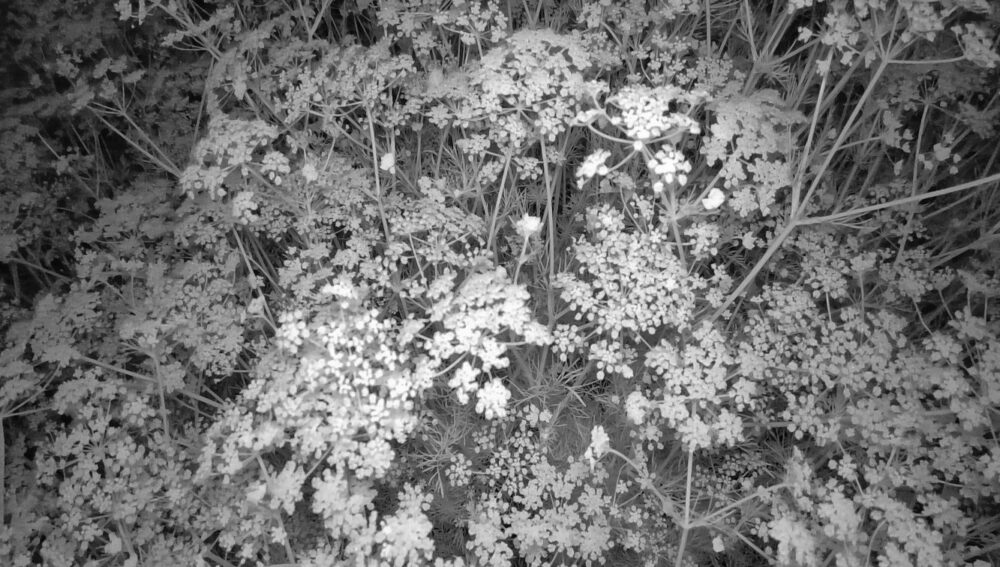
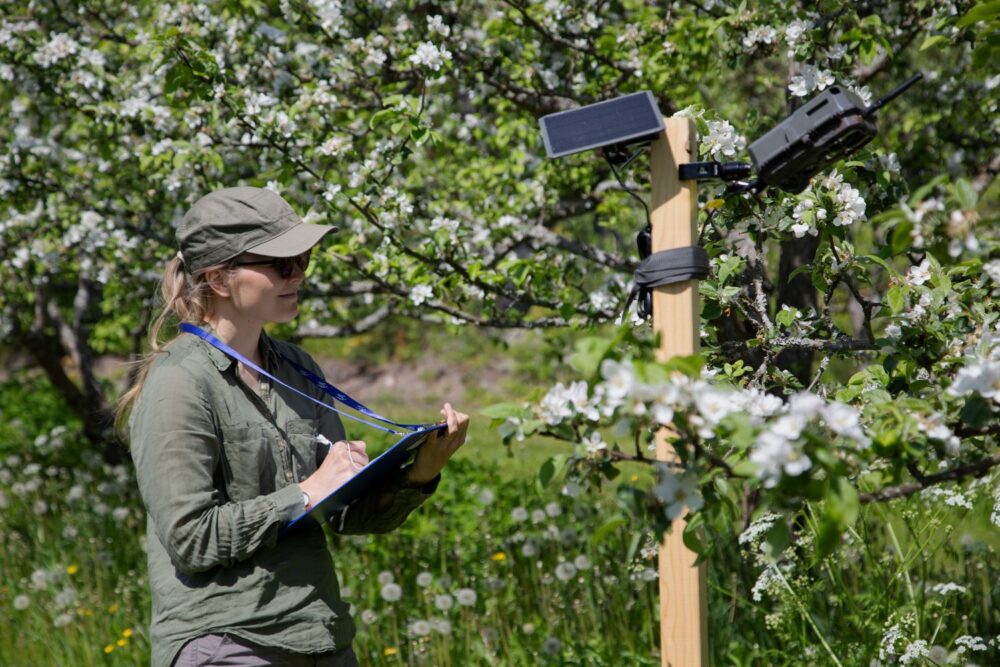
Our first task was to develop a methodology that didn’t require us to stand in cold fields at 3:00 AM. We opted for high-definition trail cameras—the same technology used to track elk and wolves—to document visits to apple and caraway blossoms.
We deployed five cameras, set to capture images at 10-second intervals throughout the entire flowering period. The setup was robust, but the results were startling. While the camera technology performed admirably—revealing a treasure trove of daytime data—the nocturnal footage was largely empty.
The most significant "capture" was a single moth visiting an apple blossom at 6:30 AM, effectively during the dawn hours rather than the deep night. Aside from a few wandering lacewings, the fields remained undisturbed by insects after dusk.
Phase II: Expanding the Horizon (Summer 2026)
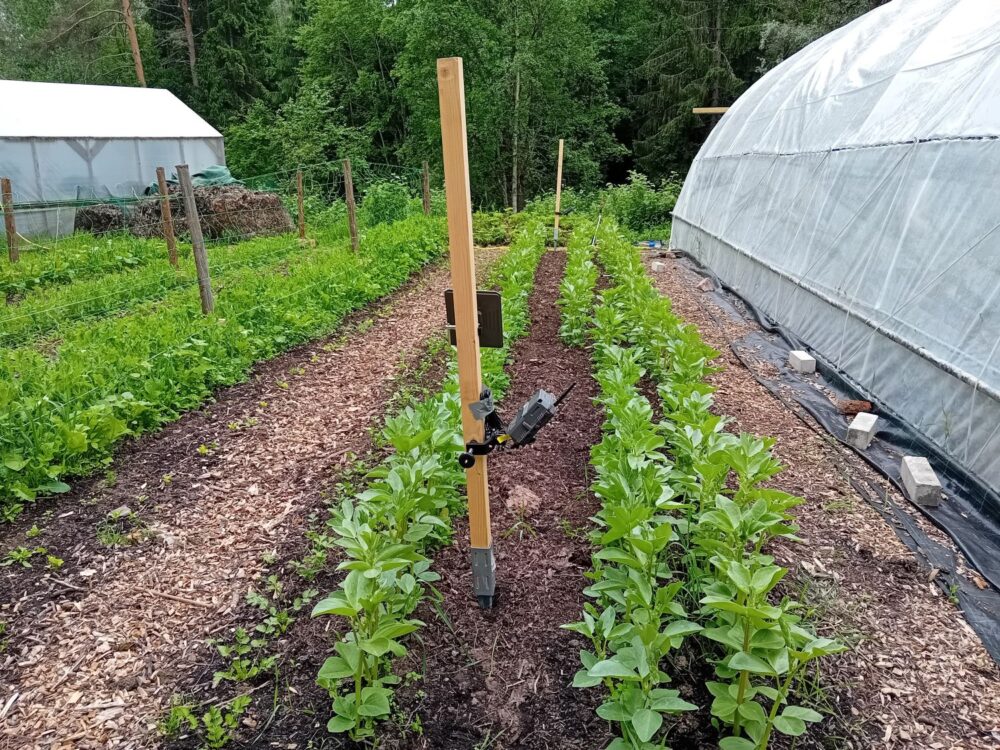
Following the lack of activity in the initial trial, we realized our scope might have been too narrow. This past summer, we pivoted. Instead of focusing on just two crops, we expanded our observation to ten different agricultural plants.
The strategy was simple: if we cannot find nocturnal pollinators, we must determine if they exist at all in our current agricultural landscape. We focused specifically on small, biodiversity-rich farms, which are traditionally considered "hotspots" for insect life. As I write this, we are currently processing the vast library of images captured during this summer’s campaign, waiting to see if a broader approach will yield different results.
Supporting Data: The Camera vs. The Human Eye
One of the most valuable outcomes of this study—regardless of the nocturnal findings—has been the validation of camera-based research in entomology.
Traditional pollinator research relies on "walk-through" counts, where a researcher observes a patch of flowers for a set duration. Our data shows that this method is inherently flawed. The trail cameras revealed a much more diverse pollinator community than our manual observations ever did.
Why Cameras Win:
- Temporal Resolution: Cameras capture the "shoulder hours"—the early mornings and late evenings—where different species are active compared to the heat of the day.
- The "Silent" Factor: Small, inconspicuous insects that might be ignored or missed by a human observer are easily identified when reviewing high-resolution images.
- Consistency: Unlike humans, cameras do not get tired, distracted, or spooked by weather conditions.
The cameras have proven that while we may be failing to find night-active pollinators, we are becoming significantly better at understanding our daytime insect populations.
Scientific Implications: Is Finland Different?
The lack of nocturnal pollinators in our data raises a fundamental question: Is the nocturnal pollination phenomenon a global standard, or is Finland an exception?
Several factors might explain the current absence of findings:
- Climatic Constraints: Finland’s short, cool nights may not support the high metabolic needs of large nocturnal pollinators like hawkmoths, which are common in warmer climates.
- Crop Selection: Many of the crops studied might not produce the specific nectar cues required to attract night-active insects.
- Habitat Fragmentation: Even on biodiversity-friendly farms, the surrounding landscape may be too hostile for nocturnal insects to thrive or traverse safely.
If our final analysis continues to show a lack of activity, the implications for Finnish agriculture are clear: we likely do not need to factor "night-time pollination" into our food security strategies. Conversely, if we do eventually find a specific crop that thrives in the dark, it would represent a breakthrough in how we manage and protect local biodiversity.
The Path Forward: Managing Expectations
Research is rarely a linear path. There is an inherent unpredictability in studying living systems. While my initial hypothesis regarding a thriving night-time pollinator community may be challenged by the data, the process remains essential.
We are currently in the midst of a transition in agricultural science. We are moving away from broad, anecdotal assumptions toward precision data collection. Even if the result is "null"—that is, proving that something isn’t happening—it is a vital scientific contribution. Knowing that nocturnal pollinators are not a primary driver of our food supply allows farmers and policymakers to focus their resources on the daytime pollinators we know are struggling, such as wild bees and hoverflies.
The Human Element
As I look through the thousands of images from this summer—the rustling leaves of bean plants, the subtle changes in light, the occasional visit from a curious spider or beetle—I am reminded that nature is rarely "empty." Even if the pollinators aren’t there, the camera tells the story of the field.
The next few months will be dedicated to rigorous analysis. We will compare the camera data with our daytime counts, correlate the findings with temperature logs, and synthesize a report that will provide clarity for the Finnish agricultural community.
Science is, at its heart, the process of narrowing down possibilities. If the night shift remains vacant, we will at least know for certain that our food production rests solely on the shoulders of the insects that work under the sun. And that, in itself, is a discovery worth documenting.
Marjaana Toivonen is an agricultural researcher specializing in pollinator ecology. Her ongoing project is supported by local biodiversity initiatives and aims to provide a clearer picture of how insects interact with Finnish crops.