By Samuli Haapasalo
September 15, 2026
As the mid-September sun casts a golden hue over the coastal wetlands of Estonia, the skies and fields come alive with the unmistakable cacophony of the great autumn migration. For ornithologists and nature enthusiasts alike, this period—marking the peak of the crane movement—is one of the most anticipated spectacles of the natural calendar. From the vast, sheltered bays of Matsalunlahti to the historic coastal town of Haapsalu, the landscape is currently serving as a crucial transit point for thousands of birds preparing for their long journey south.
Main Facts: The Pulse of the Migration
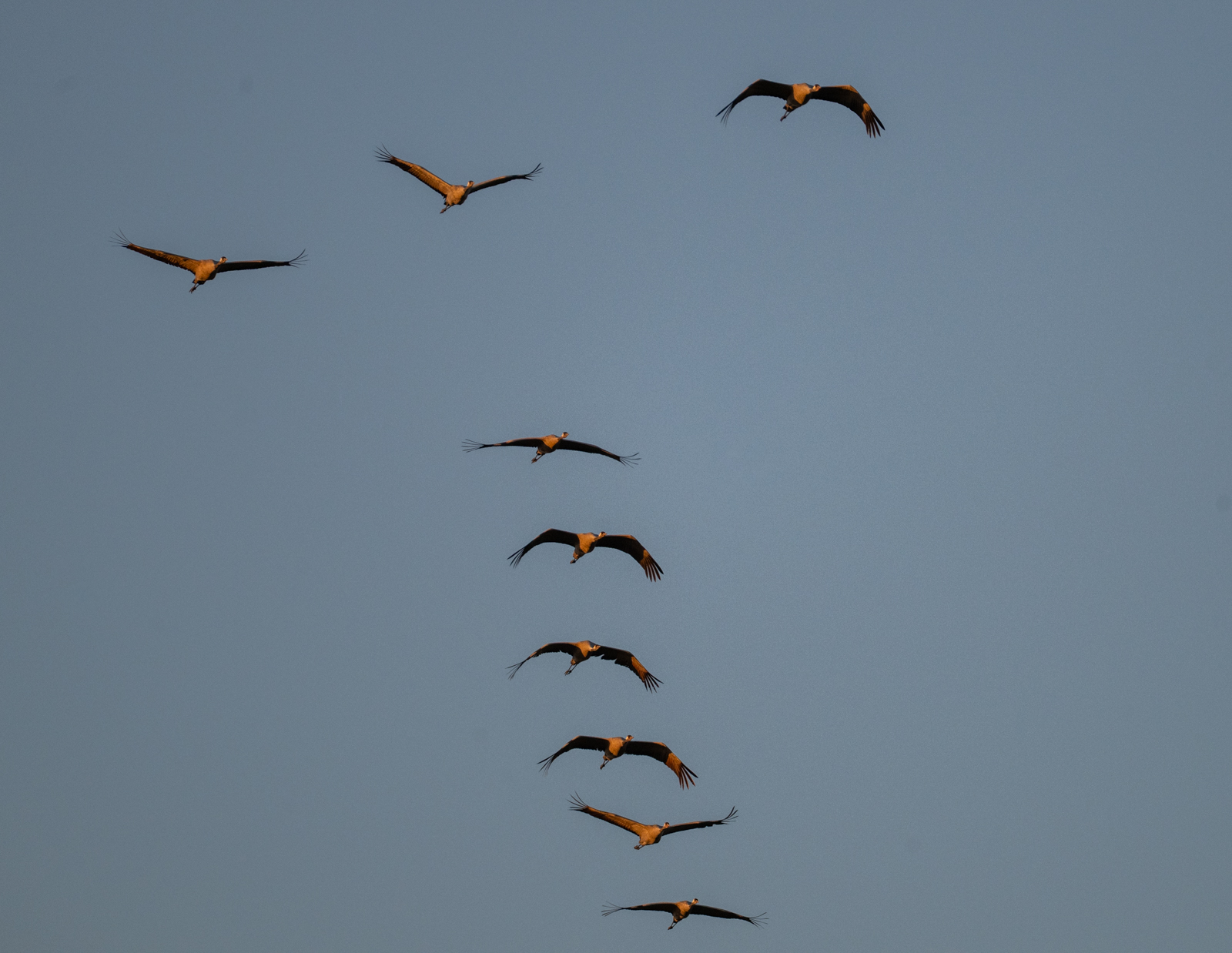
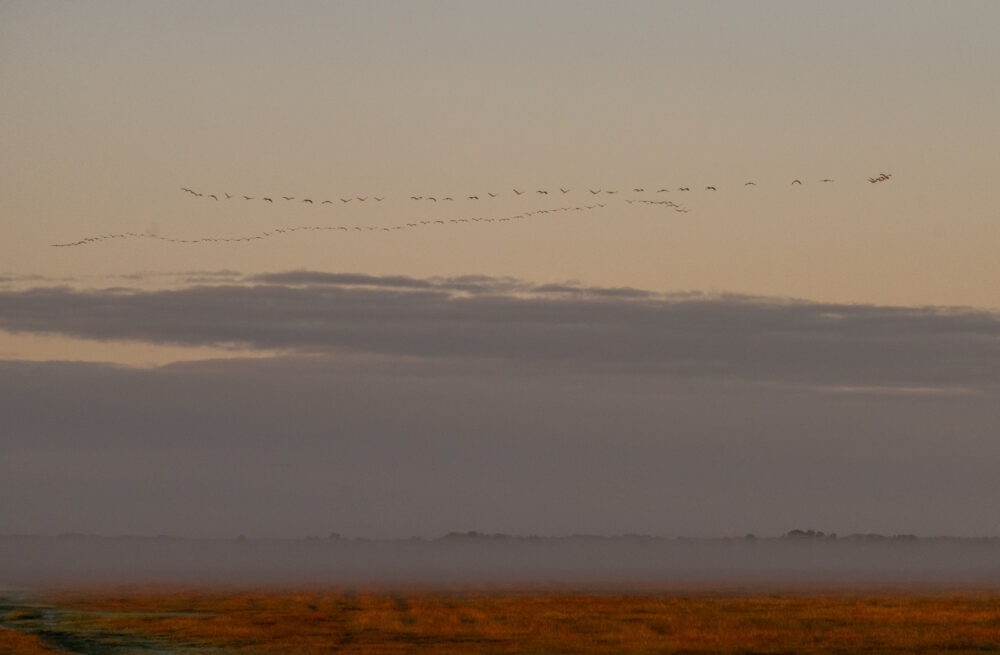
The migration of the Common Crane (Grus grus) follows a rhythmic, well-documented cycle. Typically, the movement reaches its zenith immediately following the middle of September. During this time, Estonia’s Läänemaa region acts as a vital "refueling station." Cranes utilize the area’s protected coastal islands and shallow bays for safety during the night, venturing out to surrounding agricultural fields at dawn to build the fat reserves necessary for the arduous trek ahead.
While the sheer volume of birds remains impressive, recent observations suggest a shift in traditional patterns. Changes in agricultural practices and the specific varieties of crops being cultivated in the region appear to have influenced the number of cranes choosing to linger in specific staging areas. Despite these shifts, the morning ritual remains unchanged: thousands of cranes take flight at sunrise, their haunting trumpeting calls signaling the start of a day’s foraging, while others continue their relentless push toward the south.
Chronology of a Season in Flux
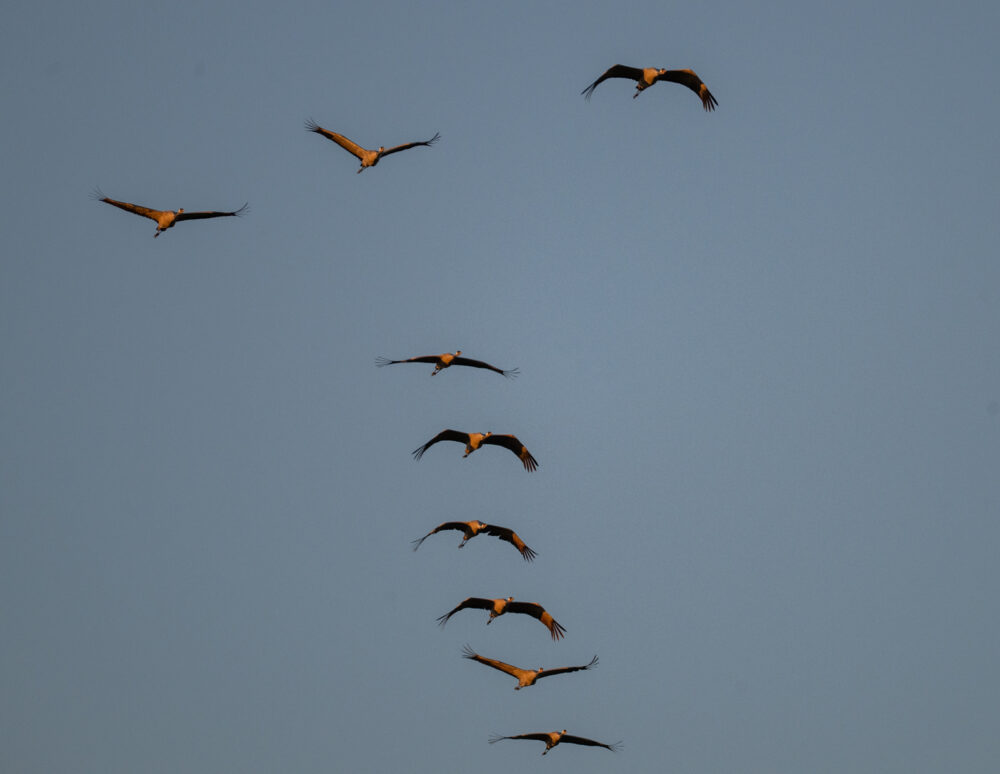
The 37th week of 2026 provided a window into this dynamic environment. Observations conducted around the Haapsalu region revealed a steady stream of movement. Cranes were tracked migrating toward eastern feeding grounds, specifically shifting between the night-time roosts north of Matsalunlahti and the fertile plains surrounding Pögarinlahti.
The Avian Landscape
The transition of species is marked by more than just the arrival of cranes. While thousands of cranes dominate the skyline, they share the air with flocks of Greylag geese, though the majority of the geese appear to have already passed through the region, heading for warmer climes.
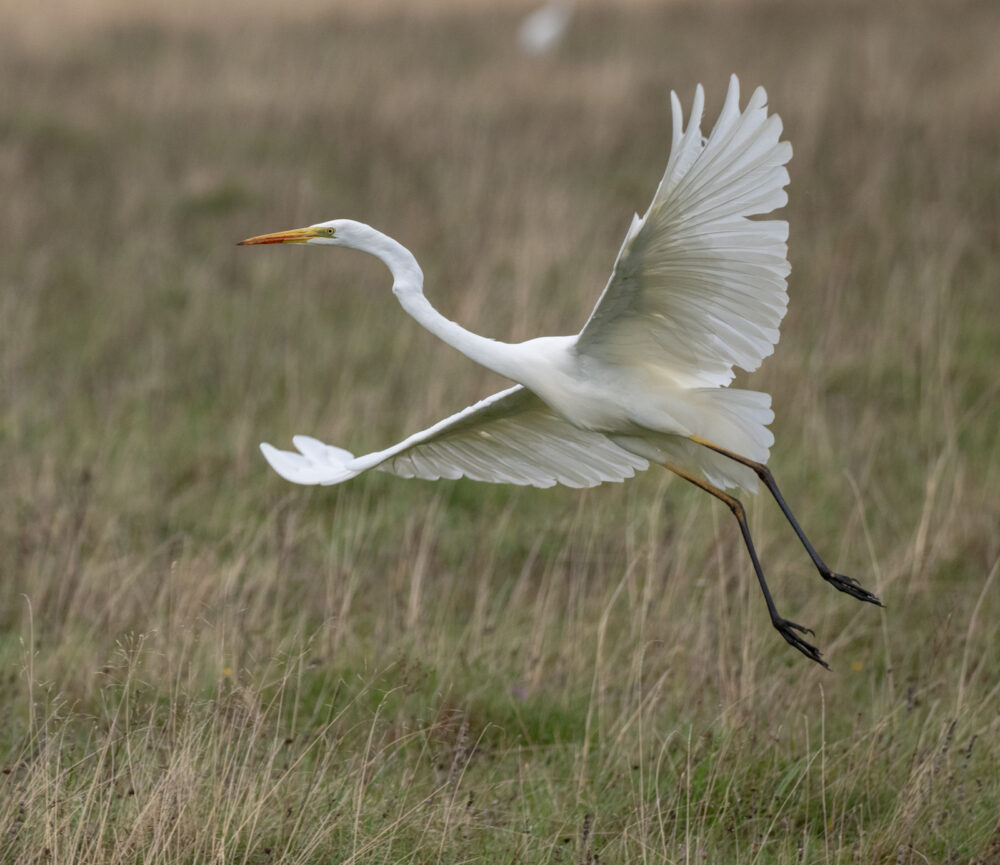
- The Rise of the Great Egret: A notable trend in recent years is the surge in the Great Egret (Ardea alba) population. Once a rarity, these elegant birds are now seen in groups of dozens across the prime coastal meadows. Their population growth is a clear indicator of successful nesting cycles in the Baltic region. Their diet, primarily consisting of small fish and occasional small mammals, has found a bountiful supply in the healthy, undisturbed wetland ecosystems of Estonia.
- The Departure and the Stayers: By early September, the White Storks had almost entirely vacated the area. Conversely, the Grey Herons remain in no such hurry. Many are content to linger, with a portion of the population even opting to overwinter in the region if conditions permit.
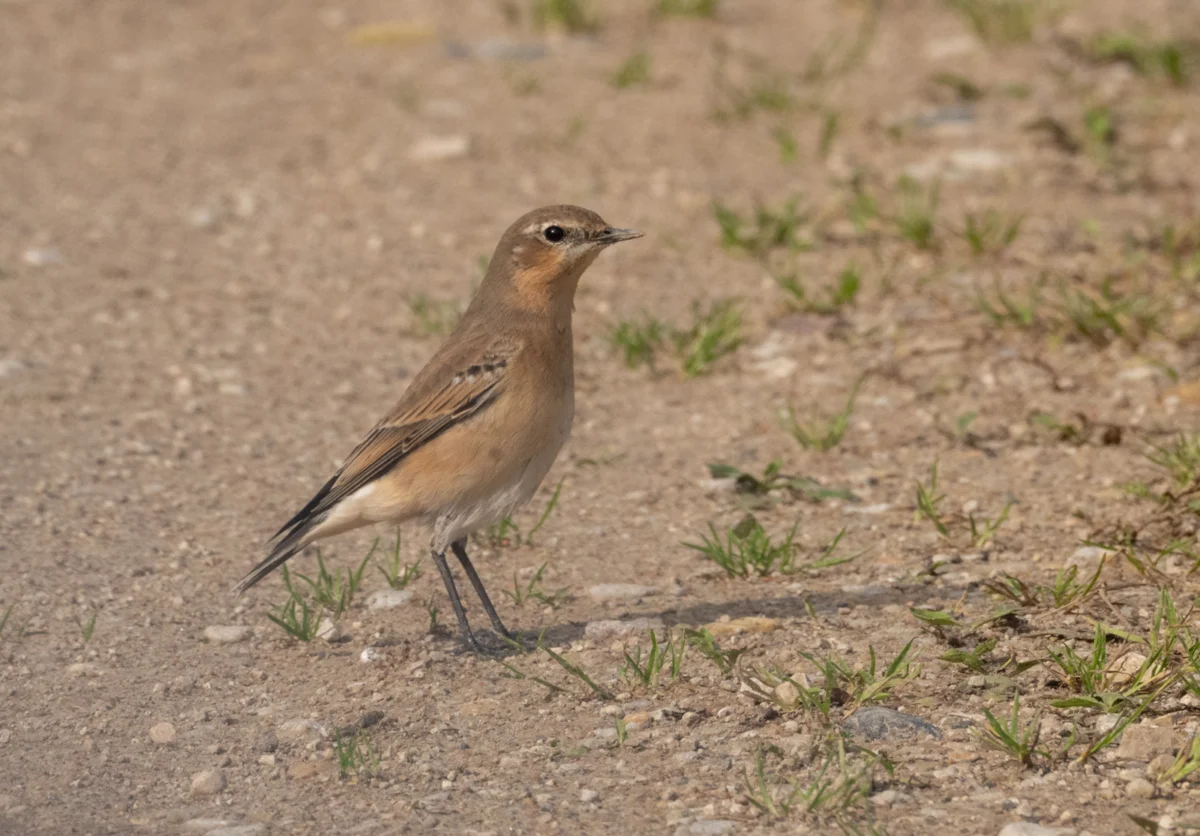
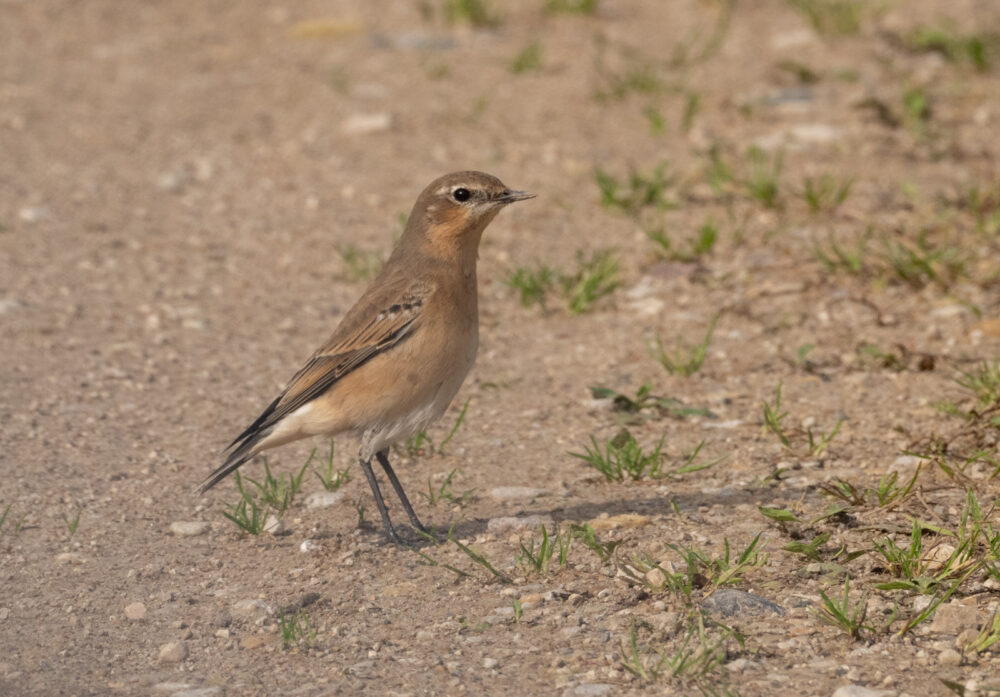
- Small Birds and Songbirds: The migration is not limited to the giants of the sky. Swallows—predominantly Barn Swallows with the occasional Sand Martin—still cling to telephone wires and skim across the tops of reed beds. Meanwhile, Starlings perform their hypnotic, fluid maneuvers at dawn, rising from the reed beds to forage in the fields. The Stonechat remains a common sight along ditch banks and rural roads, while Goldfinches are currently congregating in massive flocks, numbering in the dozens, throughout open field habitats.
Supporting Data and Observations
The diversity of the region’s birdlife is further evidenced by the abundance of waterfowl. Duck species and scaup are found in large numbers across the best-protected bays. Ornithologists are also keeping a close eye on the calendar; the arrival of Tundra Bean Geese, Barnacle Geese, and both Whooper and Bewick’s Swans is expected to occur as October settles in, bringing a new wave of migrants to the Estonian coast.
The diversity of waders is also noteworthy. While the Northern Lapwing is present in significant numbers on the autumn fields, patient observers have noted a variety of rarer wader species frequenting the muddy, exposed shorelines. The weather has been characteristically mixed, with frequent rains keeping the birds grounded or sheltered, but the long-term outlook for the Estonian autumn remains promising for raptor sightings. As the weeks progress, the cooling temperatures and shifting winds are expected to funnel large numbers of birds of prey through the coastal corridors.
Urban-Nature Coexistence
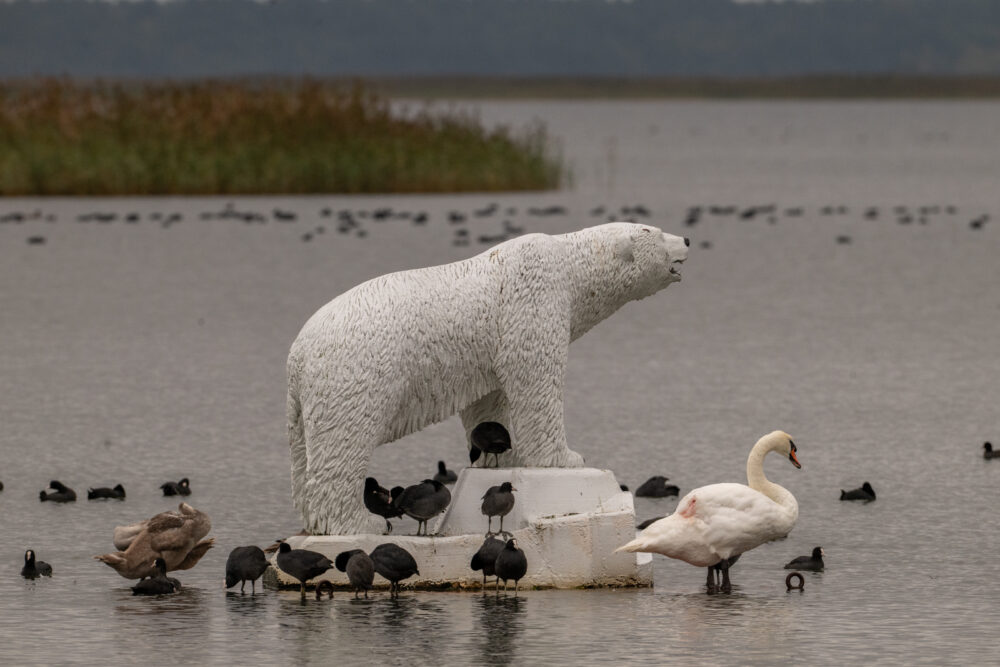
An interesting observation was made near the Haapsalu promenade, where a statue of a polar bear serves as a landmark. In the sheltered waters surrounding this site, roughly 700 Coots were observed, illustrating that these birds are not merely restricted to wilder areas but are finding refuge in proximity to human infrastructure.
Official Infrastructure and Conservation Efforts
The conservation and observation of these migratory routes are supported by a robust network of infrastructure. Estonia’s bird towers remain the gold standard for observation in Northern Europe, with the Haeska tower standing out as a premier destination for international researchers and amateur birders.
Investment in these facilities continues. During the recent survey, it was noted that the foundations for the new Rannajõe tower, located at the eastern end of the Matsalunlahti meadows, have been successfully cast. This development is expected to provide significantly better access to one of the most critical feeding and resting habitats in the region, ensuring that both scientific monitoring and public appreciation of the migration can continue to grow.
Implications for Future Conservation
The shifting numbers of staging cranes and the dramatic increase in the Great Egret population highlight the necessity of adaptive management in wetland conservation. As agricultural practices change, the "carrying capacity" of these staging grounds must be monitored carefully. If specific crop varieties become less available, it may necessitate land-use policies that preserve the specific feeding habitats these migratory giants depend upon.
Furthermore, the presence of these birds serves as a living laboratory for climate change indicators. The fact that species like the Grey Heron are increasingly attempting to overwinter suggests that shifts in seasonal temperatures are altering the biological clock of many avian species. The continued protection of these coastal meadows is not merely a matter of aesthetic preservation; it is a vital necessity for the survival of the thousands of birds that rely on the Baltic flyway as their primary corridor between their northern breeding grounds and their southern wintering homes.
As we look toward the remainder of the autumn, the message from the field is clear: nature is in motion, and the wetlands of Estonia remain a cornerstone of European biodiversity. Whether it is the quiet, methodical hunting of the Great Egret or the thunderous, collective departure of a crane flock at dawn, these sights are a powerful reminder of the endurance and complexity of the natural world. Protecting these pathways ensures that the cycle—a tradition as old as the landscape itself—will continue for generations to come.