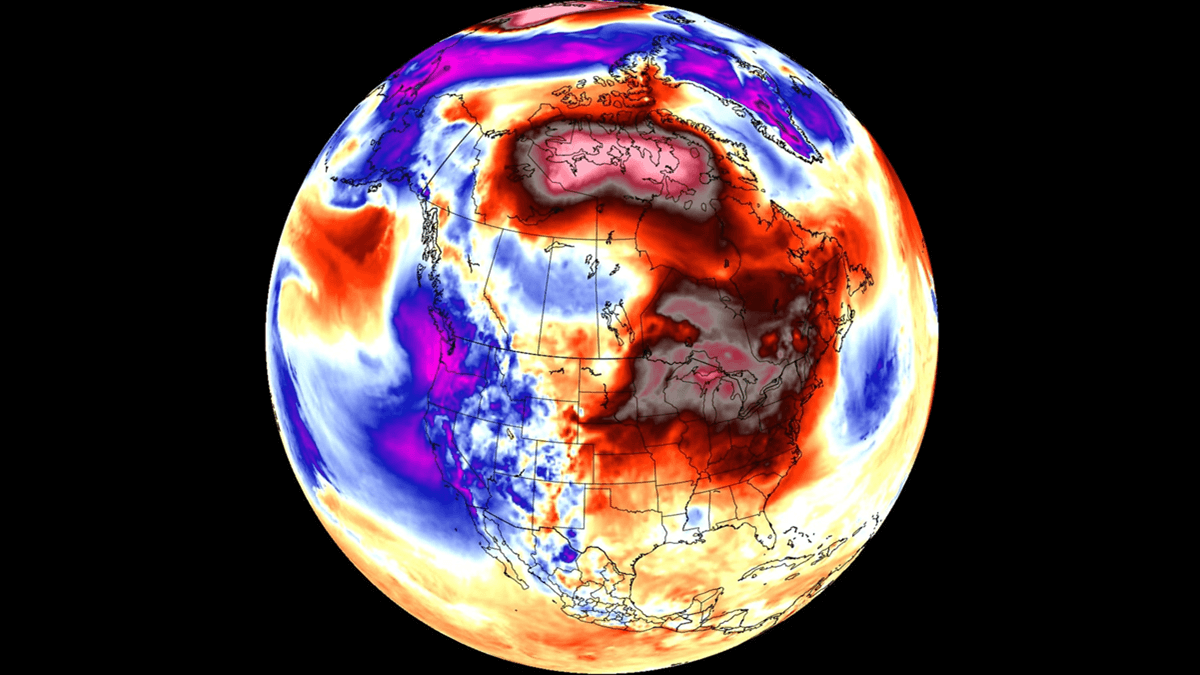
As July dawns and the United States prepares for its most cherished summer traditions, an unprecedented meteorological crisis has seized the nation. A massive, persistent atmospheric phenomenon known as a "Heat Dome" has parked itself over the central and eastern regions of the country, creating a dangerous thermal feedback loop. This event, characterized by an immovable high-pressure system, is currently trapping intense heat and suffocating humidity across more than two-thirds of the contiguous United States, placing more than 200 million Americans under the shadow of life-threatening temperatures.
The Meteorological Mechanism: What is a Heat Dome?
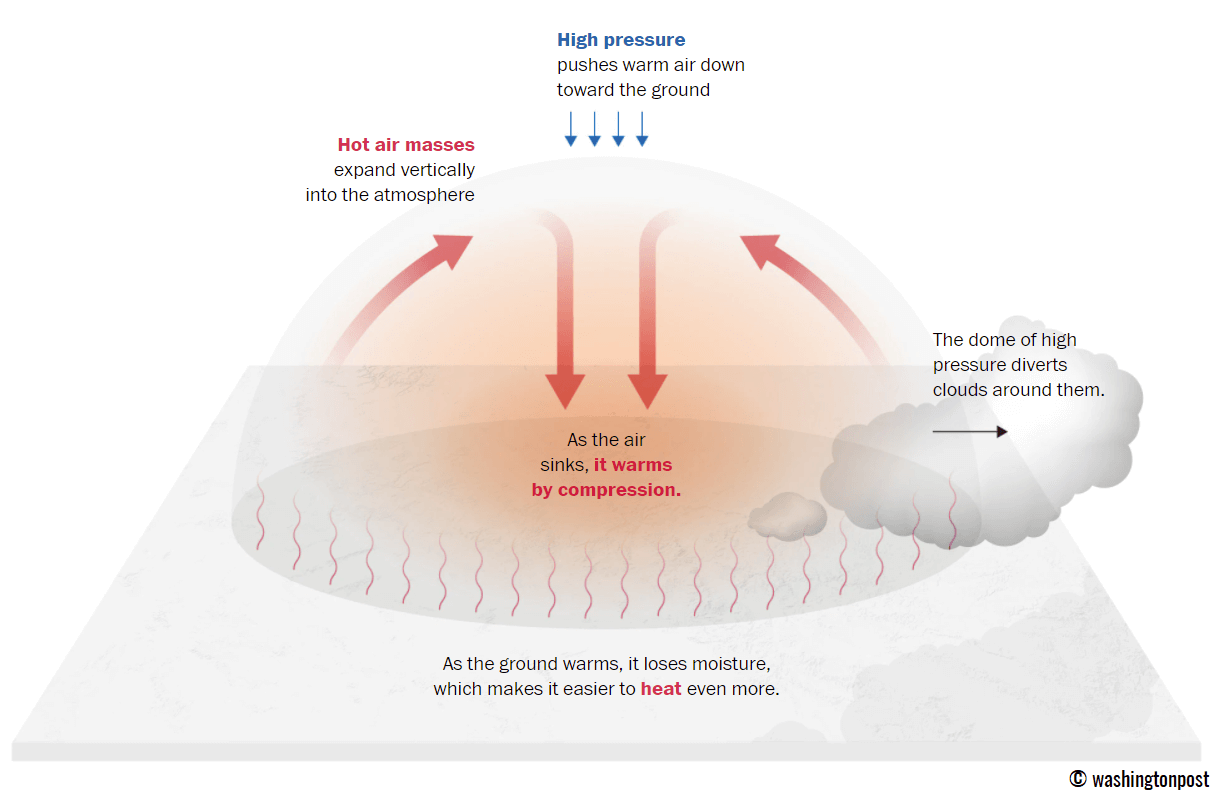
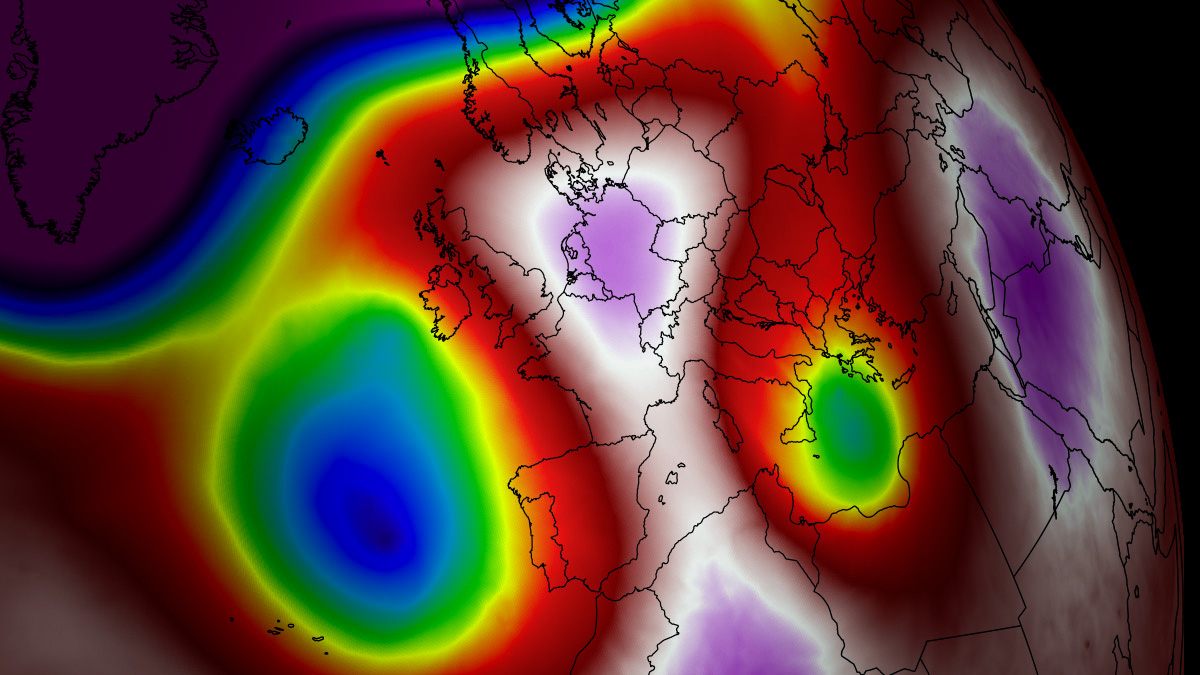
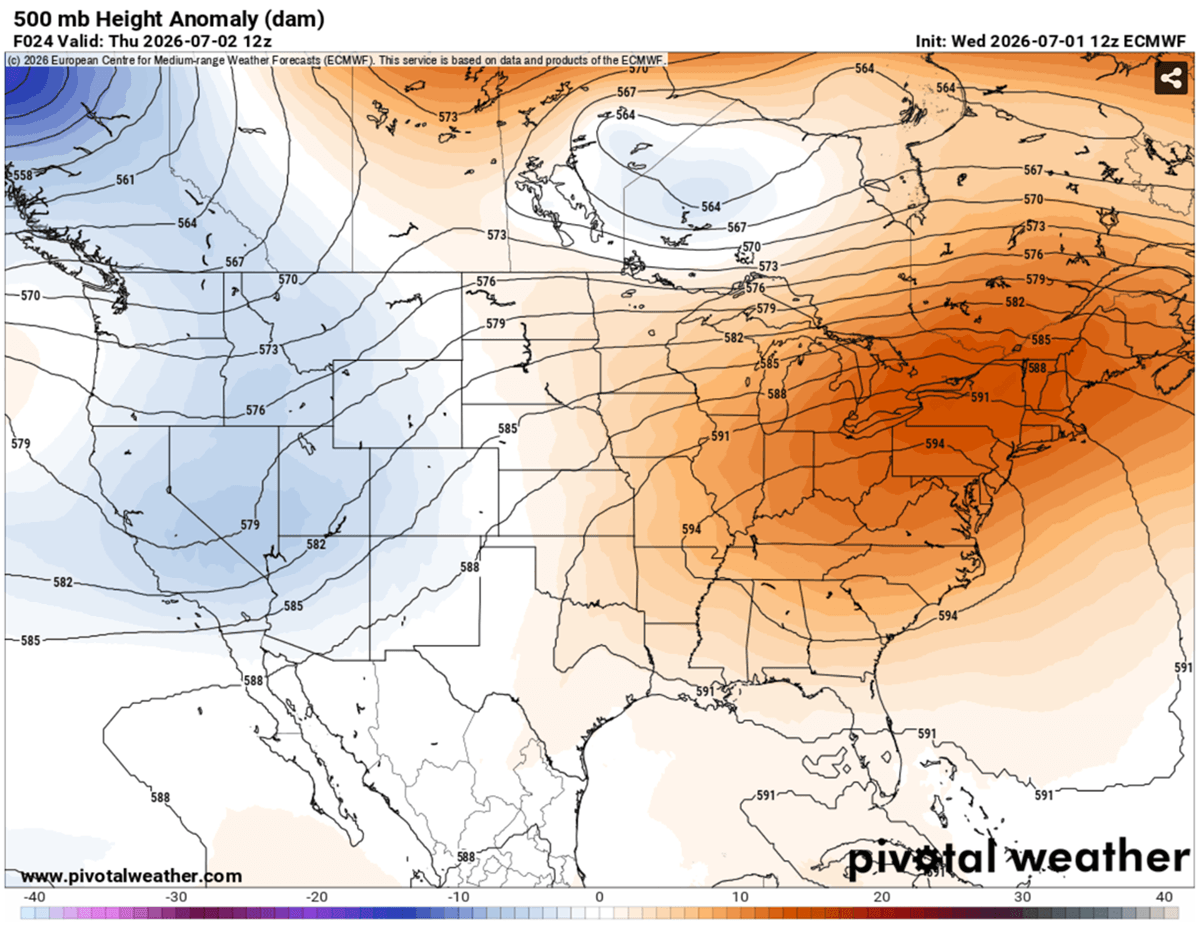
To understand the severity of the current situation, one must look to the upper atmosphere. A heat dome occurs when a high-pressure system—a “blocking high”—stalls over a large geographic area. Meteorologically, it acts much like a lid on a pot, trapping warm air at all levels of the atmosphere.
As the high-pressure system sits, it forces air to sink toward the surface. This compression of air prevents the formation of clouds or the influx of cooler, refreshing breezes. Consequently, the ground-level air continues to heat up under the relentless intensity of the mid-summer sun. Because the dome is structurally stable, it does not dissipate quickly, often lingering for days or even weeks.
In this instance, the heat dome has essentially "locked" the atmosphere in place. This creates a feedback loop where the ground dries out, becomes hotter, and radiates that heat back into the air, which is then trapped by the high-pressure lid above. The result is a cumulative increase in temperature that defies typical diurnal cooling patterns.
Chronology of the Crisis: A July Fourth Like No Other
The timing of this meteorological anomaly could not be more challenging. As Americans prepare for Independence Day festivities—ranging from neighborhood barbecues and fireworks displays to high-profile sporting events like FIFA World Cup matches—they are being met with a wall of extreme weather.
- Early Week: The ridge began to strengthen, with temperatures steadily climbing across the Midwest and the Great Lakes. Meteorologists identified the early warning signs as the high-pressure system solidified its position.
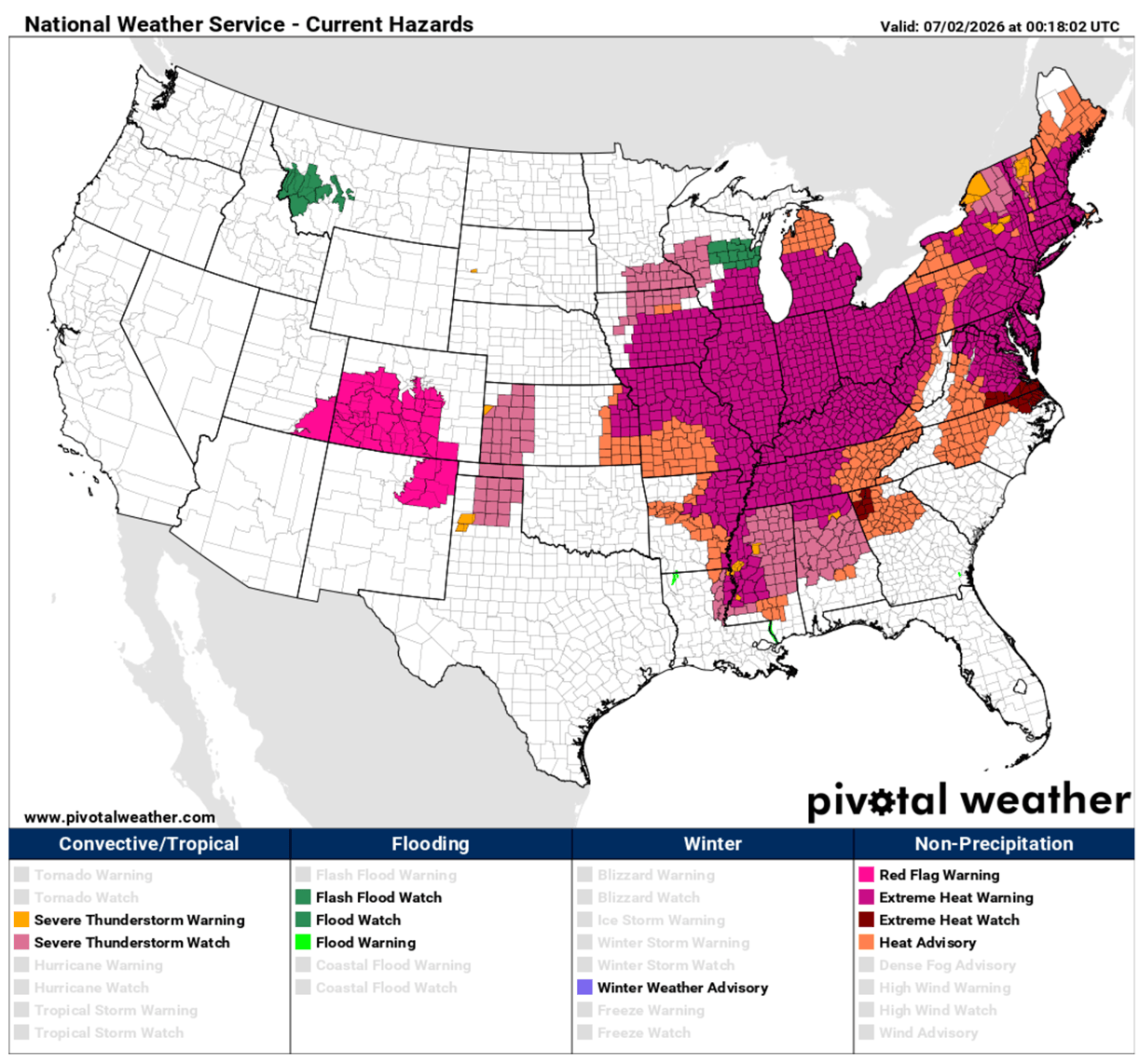
- Mid-Week: The "dome" reached a state of maturity, causing temperatures to push toward the triple digits. The I-95 corridor, including major metropolitan hubs like New York City, Washington, D.C., and Philadelphia, began reporting significantly higher-than-average heat indices.
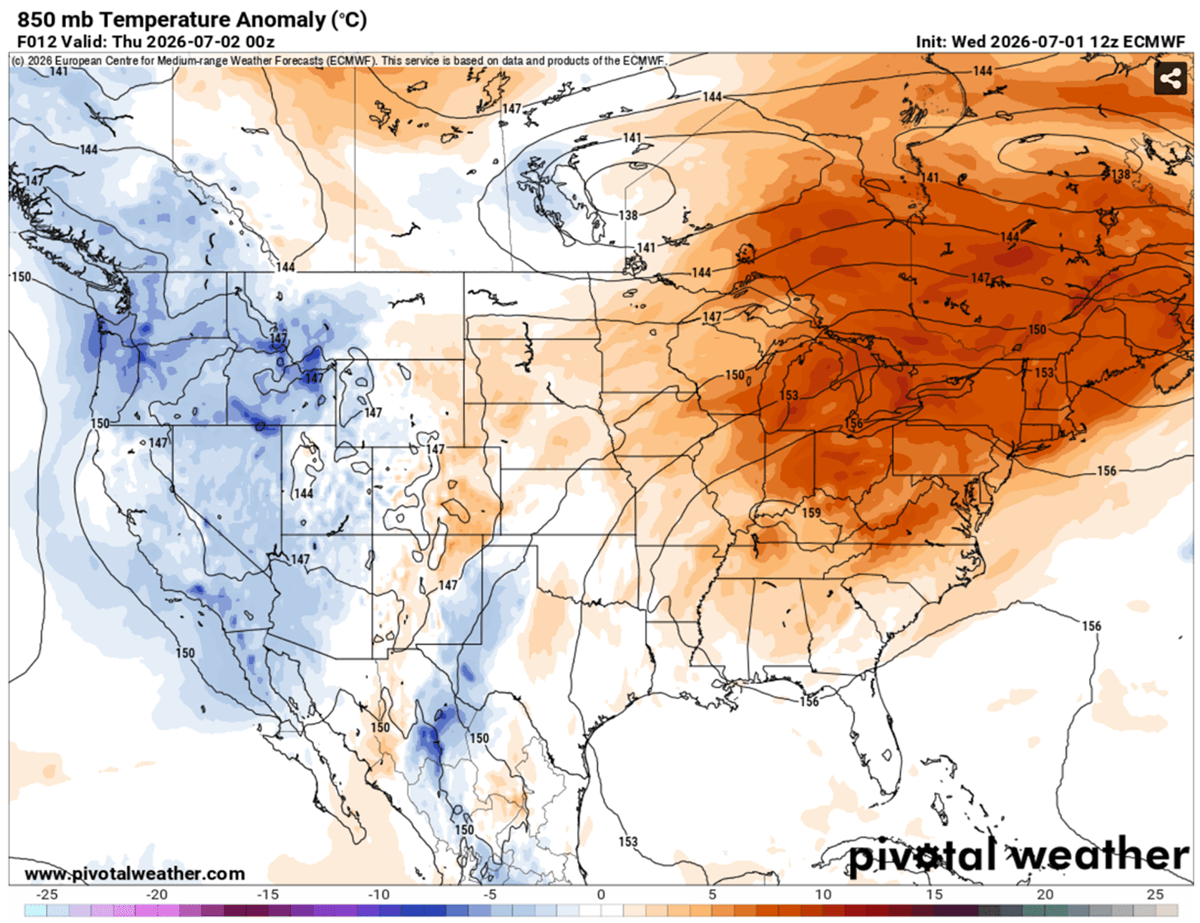
- The Holiday Weekend: This period represents the peak of the emergency. With millions of citizens outdoors, the risk of heat-related illness has spiked. The forecast indicates that from Thursday through Sunday, temperature anomalies will reach 10–15°C (18–27°F) above normal at the 850 mbar level, effectively baking the eastern two-thirds of the nation.
- The "Slow Burn" Forecast: Beyond the holiday, models show lingering uncertainties, but the consensus suggests that the oppressive conditions will persist into early next week, with little relief in sight for the central and eastern corridors.
Supporting Data: By the Numbers
The scope of this event is best understood through the data currently being tracked by regional weather offices:
- Population Impact: Over 200 million individuals are directly affected, with more than 230 million expected to see daytime highs exceed 90°F.
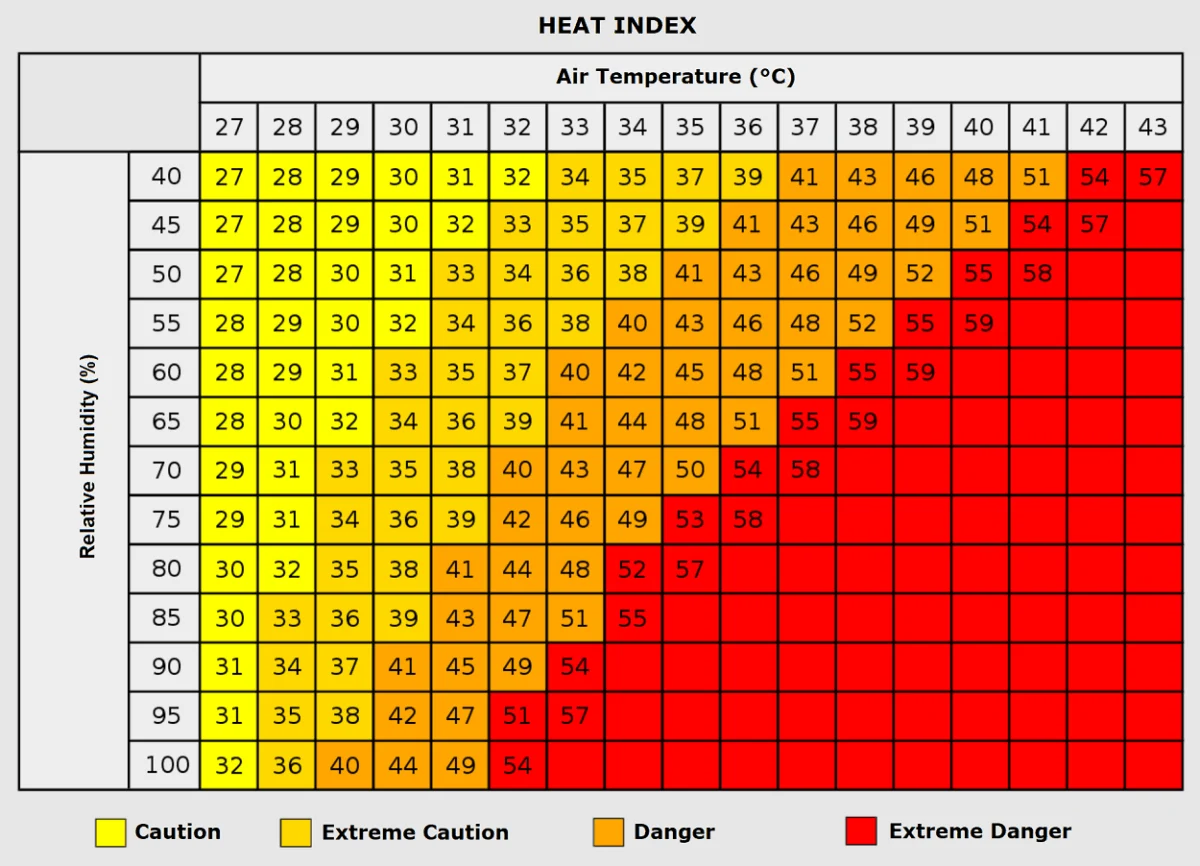
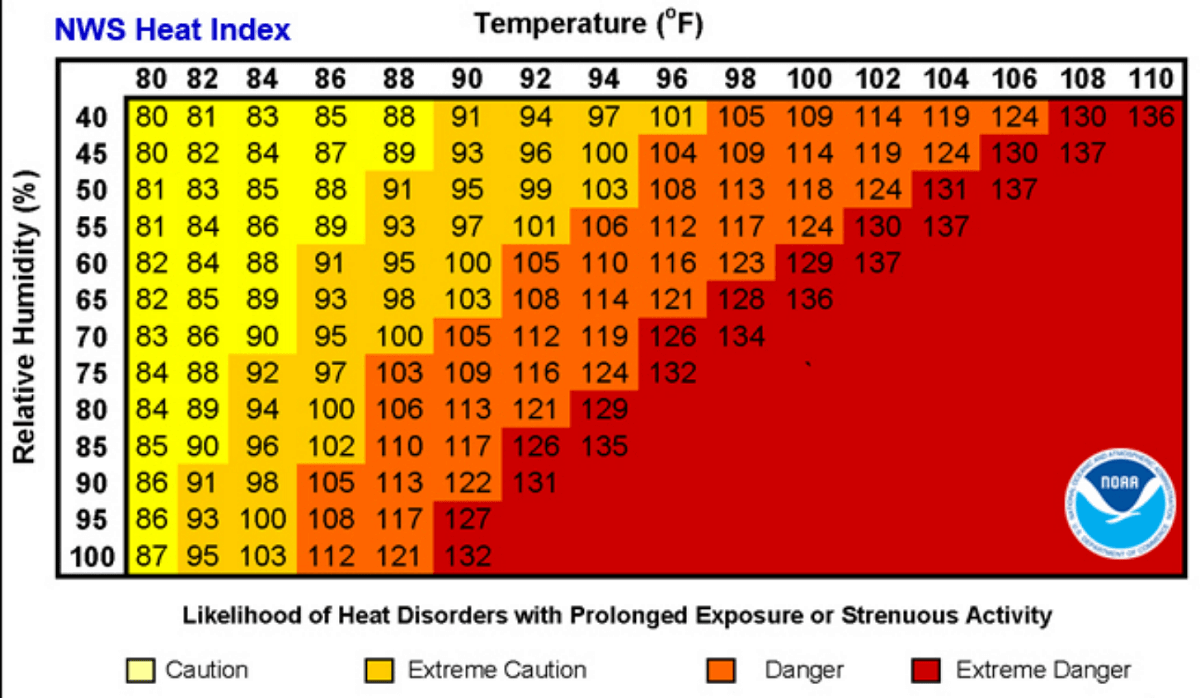
- Heat Index Metrics: High humidity is a critical force multiplier in this event. While the air temperature may register in the high 90s, the heat index—the temperature as it "feels" to the human body—is expected to climb to between 105°F and 115°F in major metropolitan areas.
- No Nocturnal Relief: One of the most dangerous aspects of this heatwave is the failure of overnight temperatures to drop. In dense urban microclimates, where concrete and asphalt absorb and re-emit heat, overnight lows are projected to remain between 75°F and 80°F. This lack of "cool-down" time prevents the human body from recovering from the thermal stress of the day.
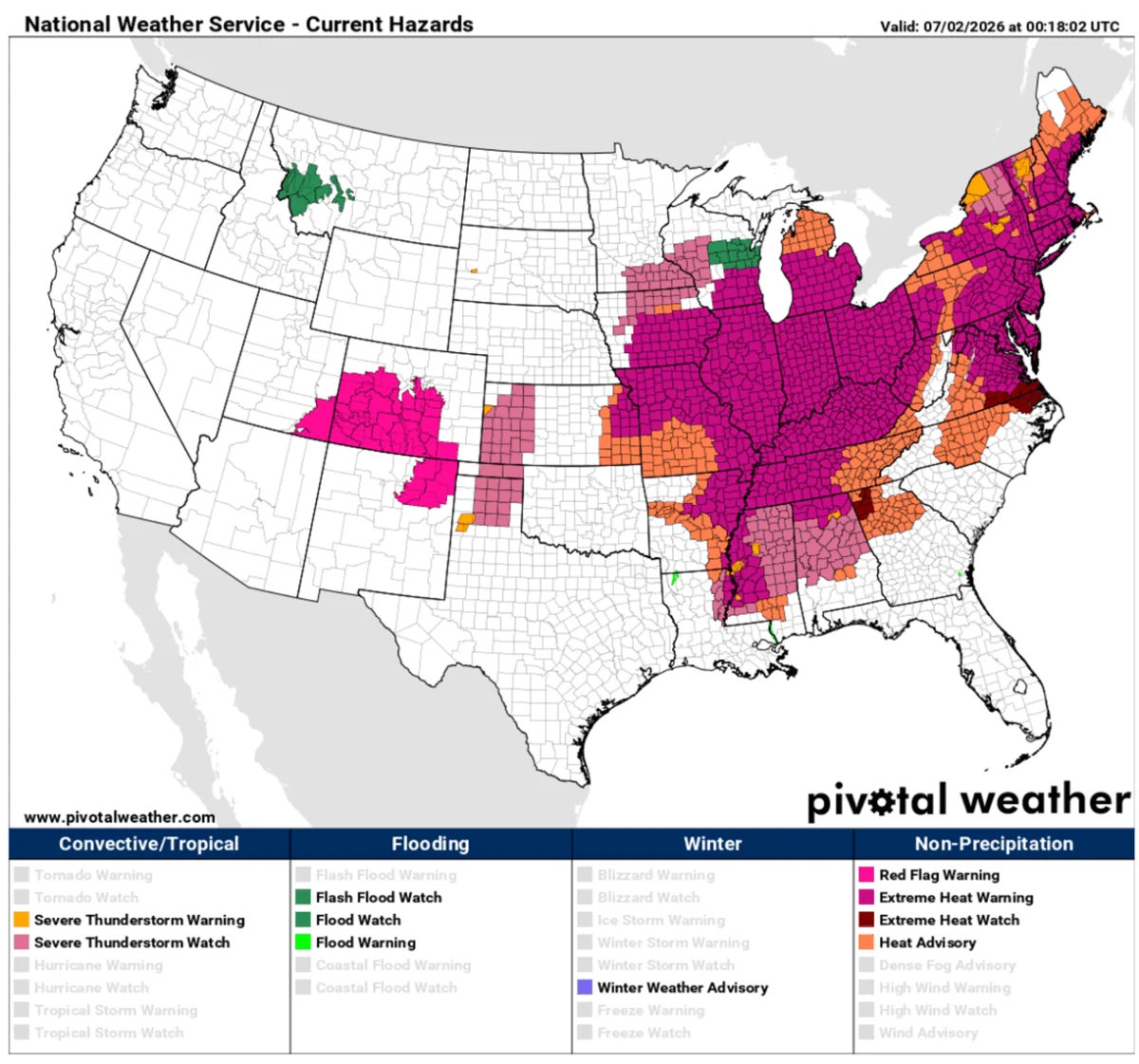
- Geographic Scope: The primary danger zone encompasses the entire I-95 corridor, the Midwest (Chicago, Detroit, St. Louis), and parts of the Mississippi Valley and the Southeast.
Official Responses and Infrastructure Strain
The severity of the heatwave has forced a rare intervention by government authorities. As the heat forces residential and commercial air conditioning systems to run at maximum capacity, the electricity baseload demand has soared to levels that threaten the stability of the power grid.
To avert the risk of cascading blackouts, several regional authorities have issued emergency directives. These include the temporary suspension of certain environmental regulations for power plants, allowing them to operate at peak capacity to meet the surging demand. Furthermore, emergency backup diesel generators have been put on standby. Officials are urging citizens to reduce non-essential electricity usage during peak afternoon hours to prevent the grid from reaching a breaking point.
Public health departments have also mobilized, opening cooling centers in major cities and issuing "Code Red" alerts. These alerts emphasize that vulnerable populations—specifically the elderly, the chronically ill, and those residing in neighborhoods with "urban heat island" effects—are at the highest risk of heatstroke, cardiac distress, and respiratory failure.
Implications: The Human and Economic Toll
The implications of such a widespread, prolonged heat event are profound.
Public Health and Safety
Heat exhaustion is the immediate concern for those participating in outdoor holiday celebrations. Symptoms include dehydration, dizziness, and nausea, which can rapidly progress to life-threatening heatstroke if not addressed. Outdoor workers, including construction crews and farmers, face the most acute dangers, as they are often exposed to the full force of the sun for extended periods.
Economic and Infrastructure Consequences
Beyond the immediate grid strain, the heatwave poses significant challenges for agriculture. Livestock are particularly vulnerable to the heat index, and farmers are being forced to implement intensive cooling measures to prevent significant losses. Furthermore, the extreme temperatures can lead to the buckling of road surfaces and the expansion of railway tracks, leading to logistical delays that could disrupt supply chains during the holiday week.
The Urban Inequality Factor
The crisis has once again highlighted the disparities in urban planning. Residents in low-income areas, often living in structures with less insulation and higher concentrations of heat-absorbing materials like concrete and asphalt, are disproportionately affected. These "heat islands" can be significantly hotter than surrounding suburban or rural areas, turning homes into dangerous environments for those who cannot afford or access efficient cooling.
Conclusion: A Call for Vigilance
As the United States navigates this historic heat dome, the message from meteorologists and emergency managers is clear: this is not a typical summer heatwave. The combination of its duration, geographic expanse, and the compounding factor of high humidity creates a dangerous environment that requires a cautious approach to all outdoor activities.
As we continue to monitor the evolution of this pattern, the priority remains the safety of the most vulnerable. While the Fourth of July remains a time for celebration, it is imperative that citizens prioritize hydration, limit time in direct sunlight, and check on elderly neighbors. The heat dome may be an invisible force, but its impact on the nation is profound, testing the resilience of our infrastructure and the strength of our community networks during one of the most critical weeks of the year.
Stay tuned for further updates as meteorological data becomes available, and remain vigilant until the atmospheric lid finally begins to lift.