In a landmark move for India’s rapidly evolving energy landscape, Purvah Green Power—the dedicated renewable energy subsidiary of the RP-Sanjiv Goenka (RPSG) Group’s CESC—has announced the acquisition of a massive 1.4GWp solar portfolio from Renew Solar Power. Valued at approximately Rs48.59 billion ($509 million), the transaction represents one of the most significant consolidations in the Indian renewable sector this year, signaling a strategic pivot toward aggressive growth through both greenfield development and targeted asset acquisition.
The Strategic Core of the Acquisition
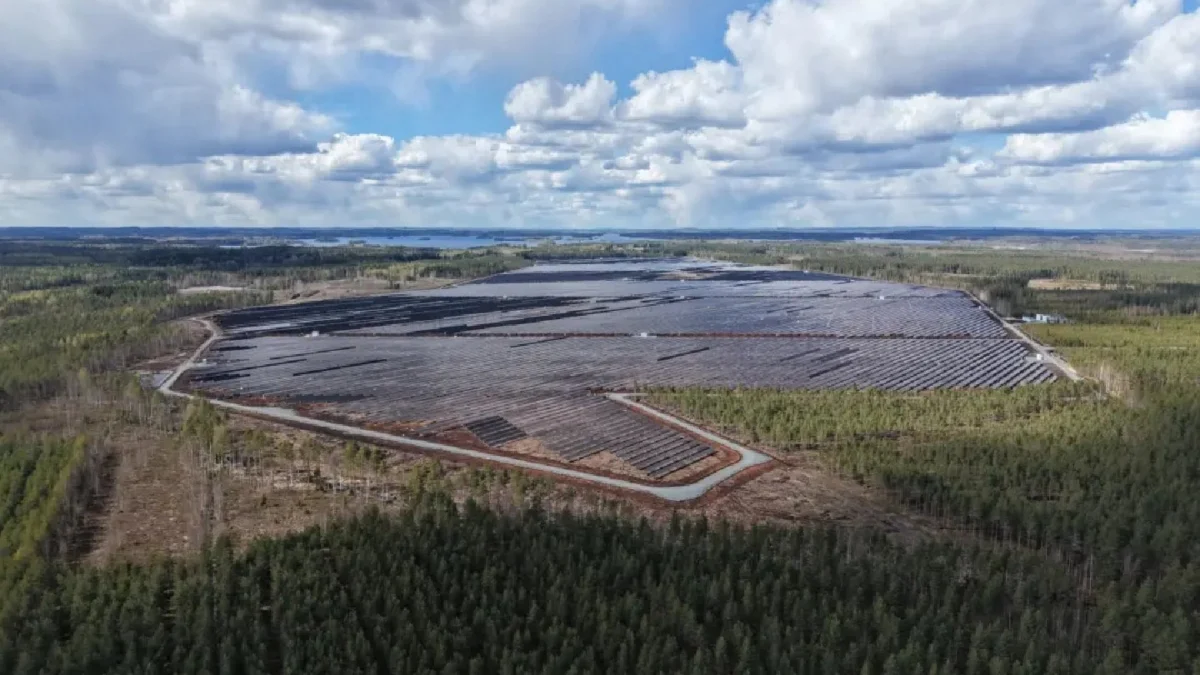
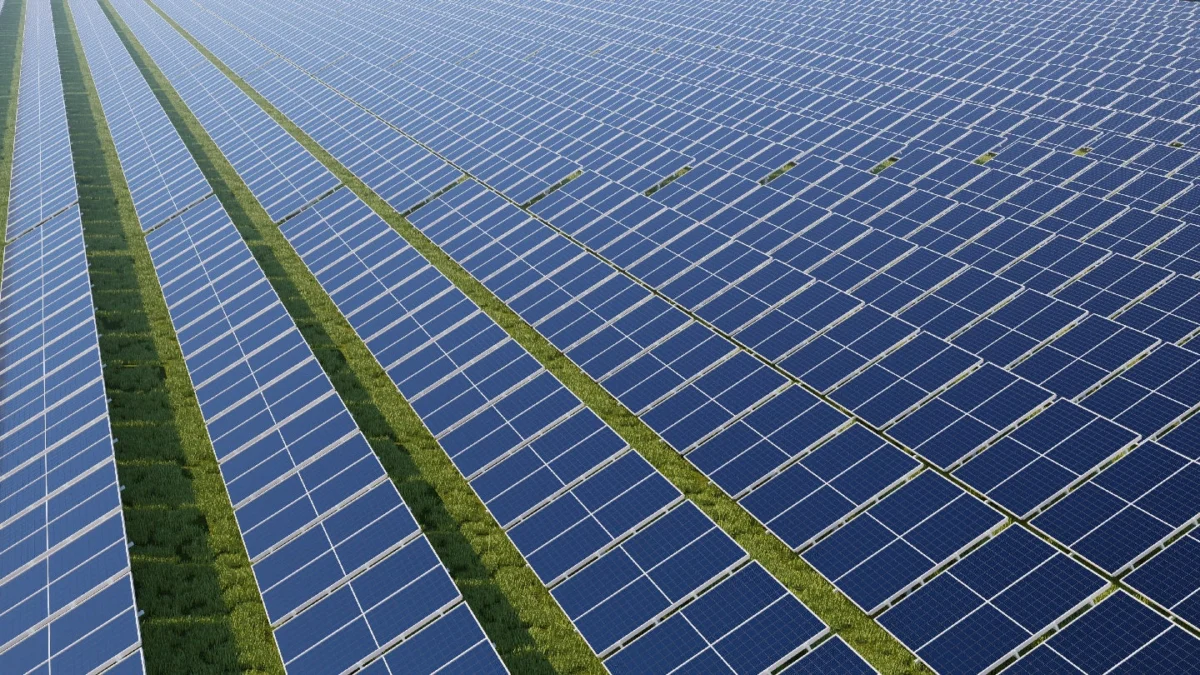
The acquisition encompasses six distinct special purpose vehicles (SPVs) currently housing operating solar assets. These projects are strategically located in the high-irradiance regions of Rajasthan and Karnataka, two of India’s most critical hubs for solar energy production. By integrating these assets, Purvah Green Power is not merely adding capacity; it is acquiring a proven, revenue-generating fleet that provides immediate stability to its balance sheet.
The financial structure of the deal—funded entirely through the parent company, CESC—reflects a robust capital allocation strategy. By securing operational assets rather than projects in the development phase, Purvah Green Power effectively mitigates the risks associated with land acquisition, regulatory clearances, and construction delays. This "plug-and-play" approach allows the company to realize immediate cash flows and enhances its credit profile, providing a solid foundation for its broader 10GW target.
Contractual Security and Long-Term Stability
A standout feature of this portfolio is its high degree of contractual security. More than 90% of the 1.4GWp capacity is backed by long-term Power Purchase Agreements (PPAs) with the Solar Energy Corporation of India (SECI). These agreements are widely considered the "gold standard" in the Indian renewable market due to the high payment security and creditworthiness of the counterparty.
The remaining capacity is contracted with state-level distribution companies (DISCOMs) in Karnataka, further diversifying the company’s revenue streams. Critically, these agreements are structured for a 25-year term, providing long-term visibility into earnings and shielding the project from short-term market volatility. This stability is essential for the RPSG Group, as it seeks to scale its renewable footprint while maintaining disciplined financial stewardship.
Chronology of Expansion: From Inception to 4.8GWp
To understand the significance of this acquisition, one must look at the rapid trajectory of Purvah Green Power. Established only in December 2023, the company was envisioned as the engine of the RPSG Group’s energy transition.
- Q4 2023: Purvah Green Power is formally incorporated as the renewable energy vehicle for the CESC ecosystem, tasked with spearheading the group’s transition away from traditional thermal reliance toward a diversified, clean-energy future.
- Early 2024: The company initiates an aggressive growth strategy, focusing on building a mix of solar, wind, and hybrid assets. It begins the development of a 3.4GWp pipeline through a combination of tenders and bilateral agreements.
- Mid-2024: Purvah expands its scope to include energy storage solutions, announcing the development of 2.2GWh of battery capacity, recognizing that grid stability is as critical as power generation.
- August 2026: The definitive agreement to acquire the 1.4GWp portfolio from Renew Solar Power is finalized. This move pushes the company’s total contracted capacity to 4.8GWp, effectively leapfrogging years of development timelines.
This timeline underscores a "fast-track" methodology that balances long-term construction projects with immediate asset injections.
Supporting Data and Portfolio Metrics
The post-acquisition landscape for Purvah Green Power is significantly more robust. Before this deal, the company’s portfolio consisted primarily of under-construction assets. The addition of the 1.4GWp operational fleet shifts the composition of its portfolio toward a more balanced state:
- Total Contracted Capacity: Rising from 3.4GWp to 4.8GWp.
- Operational Assets: 1.8GWp (comprising the new acquisition and existing operational projects).
- Construction Pipeline: 3GWp (under varying stages of development).
- Storage Portfolio: 2.2GWh of battery energy storage systems (BESS) currently in the development phase.
The inclusion of BESS is particularly noteworthy. As India’s grid becomes increasingly saturated with intermittent renewable energy, the ability to store and dispatch power during peak hours is becoming a premium asset. Purvah’s investment in 2.2GWh of storage capacity places it at the forefront of the next phase of the energy transition, moving beyond simple generation into sophisticated grid management.
Official Perspectives: The RPSG Vision
Shashwat Goenka, Vice Chairman of the RPSG Group, framed the acquisition as a pivotal moment in the company’s history.
"This acquisition marks a significant acceleration of our renewable energy journey," Goenka stated. "It gives us immediate operating scale, complements our strong pipeline of contracted capacity, and meaningfully brings forward the growth of the platform."
Goenka emphasized the group’s "hybrid" philosophy regarding growth. "We have always believed our renewable growth should combine disciplined greenfield development with selective acquisitions where they accelerate value creation, and the quality and long-term visibility of these assets made this a compelling opportunity."
The rhetoric from the RPSG leadership indicates a move away from the traditional, slow-burn capital expenditure models of the past. Instead, the company is demonstrating a high-velocity approach that utilizes the group’s strong balance sheet to seize market share in a sector that is increasingly defined by scale and competitive bidding.
Implications for the Indian Energy Market
The acquisition carries several broader implications for the Indian power sector:
1. Consolidation as a Growth Strategy
The Indian renewable energy market has historically been fragmented, with numerous small players struggling to scale. The move by Purvah Green Power to acquire a large-scale operational portfolio suggests a trend toward consolidation. Larger, better-capitalized players are increasingly likely to acquire assets from smaller developers who may lack the liquidity to sustain long-term operations or who wish to exit to unlock capital for new projects.
2. The Shift to "Firm" Renewables
By combining a 4.8GWp generation portfolio with 2.2GWh of storage, Purvah is positioning itself to provide "firm" renewable power—a product that is becoming increasingly desirable for large industrial consumers and DISCOMs who need reliable energy around the clock. This shift toward hybrid and storage-integrated models is essential for India to meet its ambitious 500GW non-fossil fuel capacity target by 2030.
3. Valuation and Capital Efficiency
At a valuation of approximately $509 million for 1.4GWp, the deal provides a benchmark for the market. It demonstrates that operational assets with SECI-backed PPAs command premium valuations due to their predictable cash flows and low risk of default. This is likely to encourage further institutional investment into the sector, as the risk-reward profile becomes more transparent and standardized.
4. Regional Focus
The selection of Rajasthan and Karnataka is not incidental. Rajasthan offers some of the highest solar insolation levels in the country, while Karnataka has been a pioneer in wind-solar hybrid policies. By clustering assets in these regions, Purvah can optimize operations and maintenance (O&M) costs, creating regional economies of scale that are difficult for geographically dispersed players to replicate.
Conclusion: A New Phase for Purvah
As Purvah Green Power moves forward, the integration of these 1.4GWp of solar assets will be the primary operational focus for the next several quarters. Successfully absorbing these projects into the RPSG Group’s management structure, optimizing their performance, and leveraging the resulting cash flow to fund the remaining 3GWp of under-construction capacity will be the ultimate test of the company’s leadership.
With a clear mandate to reach a 10GW portfolio, Purvah Green Power has transitioned from an emerging player to a major industry participant in less than three years. By blending the operational rigor of the RPSG Group with the dynamic, high-growth nature of the renewable sector, the company is not just participating in India’s green energy transition—it is helping to define its pace and structure. As the company continues to scale, its ability to navigate the complexities of grid integration, policy shifts, and capital markets will undoubtedly be a bellwether for the wider Indian energy sector.