Introduction: A Girl, a Board, and the Horizon
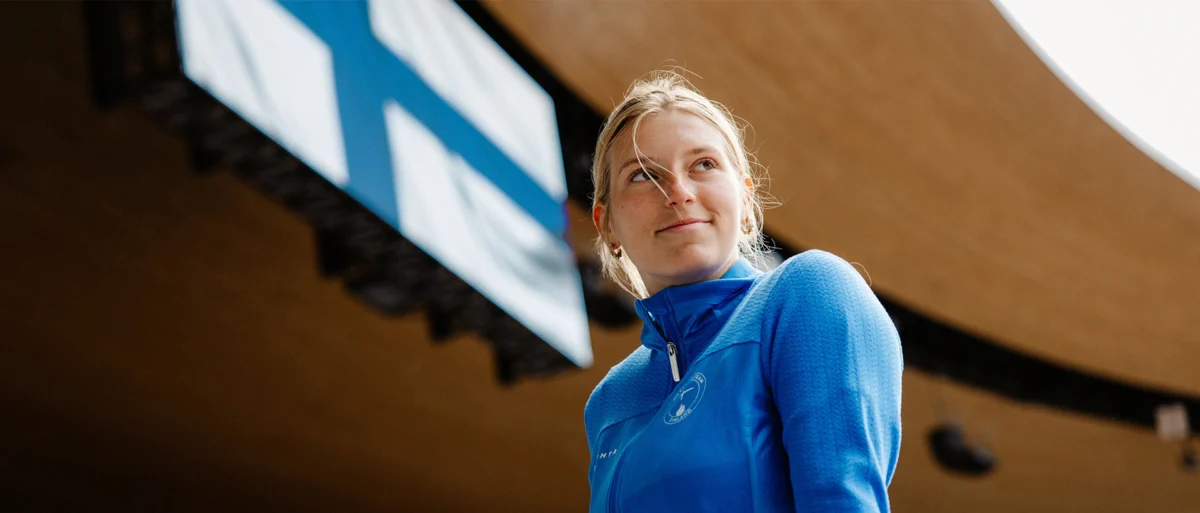
The sensation is etched into her memory with the clarity of a high-definition photograph: a nine-year-old girl, standing tentatively on a pint-sized windsurfing board at a summer camp. The air is filled with the crisp scent of the sea, the wind is humming, and the sun is beating down on the water. For young Sofia Hämäläinen, that moment was not just a hobby—it was an introduction to a lifelong obsession with freedom.
"It was a beginner’s board with maybe a three-square-meter sail," Hämäläinen recalls, her eyes lighting up at the memory. "I had absolutely no experience, and my first attempts were clumsy, to say the least. But the feeling was electric. I was on the water, hovering above the surface, carried by a warm breeze. I looked out toward the horizon where the adults were flying across the waves, and I knew—I wanted to be there."
Today, that nine-year-old girl is a focused, elite athlete representing HSK Helsinki. With a background that includes figure skating, competitive acrobatics, and football, Hämäläinen eventually gravitated toward windsurfing because of its unparalleled complexity and visceral thrill. In the world of modern competitive windsurfing, reaching speeds of over 50 kilometers per hour feels less like sailing and more like "low-altitude flight."
Chronology: From Summer Camps to the Global Stage
Hämäläinen’s journey has been defined by a constant pursuit of the world’s best training grounds. Born in Helsinki, she spent the majority of her youth in Tallinn, Estonia, where the proximity to the Baltic Sea allowed her to develop an intimate, almost intuitive relationship with the water.
Early Development
While her family lacked a traditional sailing background, Hämäläinen’s competitive spirit was nurtured through her diverse sporting background. She realized early on that windsurfing offered a unique challenge—a blend of raw physics and human endurance that no other sport could match.
The Rise to Prominence
The transition to the professional level was not overnight. It required years of dedication and a willingness to seek out international competition, as the Finnish scene offered few peers at her level.
- 2022: A pivotal year where she transitioned to the iQFoil class, a move motivated by the class’s inclusion in the Olympic program.
- 2024: Hämäläinen achieved a major career milestone by securing a Bronze medal at the Youth World Championships, signaling her arrival as a force to be reckoned with.
- Ongoing: With a career-best 25th place at the European Championships, she is currently in a phase of aggressive growth, aiming to close the gap between herself and the global top-20.
The Technological Arms Race: The iQFoil Revolution
Modern windsurfing, particularly in the iQFoil class, is as much a battle of engineering as it is of athleticism. The shift to foil technology—where a hydrofoil lifts the board entirely out of the water—has transformed the sport into a high-speed, high-stakes spectacle.
The Cost of Performance
Success at the highest level carries a steep financial price tag. Hämäläinen breaks down the reality of competing at the top:
- The Board: A high-end, competition-grade board costs several thousand euros.
- The Sails: A single race-ready sail costs between €1,000 and €1,500. Given the wear and tear and the need for cutting-edge materials, an athlete requires 2–3 new sails annually to remain competitive.
- The Foil: The heart of the machine. A top-tier hydrofoil costs several thousand euros, and the search for the "perfect" setup is constant.
"The challenge is that every piece of equipment is essentially a custom item," Hämäläinen explains. "Even when produced in the same factory, no two foils are identical. The best in the world get to go to the factory to test their gear personally. The rest of us order what we can and hope that we receive a ‘prime’ piece of equipment."
The Mathematical Edge
Beyond the gear, there is the mental game. Windsurfing at this level requires the mind of a mathematician and the body of a triathlete. A race start can involve 60 athletes converging on the same line at 50 km/h, requiring split-second decisions that can determine the outcome of a race.
"You have to be tactical," she says. "There are 60 boards searching for the best wind line. If you hesitate for a second, you’re done. You have to read the fleet, dodge others, and maintain your speed. It’s all about finding that ‘flow’ state where your body acts before your brain even finishes processing the data."
Supporting Data: The Anatomy of a Campaign
To compete at this level, Hämäläinen operates on an annual budget of approximately €60,000. This covers the essential pillars of professional sport:
- Equipment & Logistics: Continuous procurement of high-performance gear and transportation of delicate, bulky equipment across the globe.
- Coaching & Training: Accessing international coaching talent, as specialized expertise is scarce within Finland.
- Competition Fees: The costs associated with traveling to regattas, registration, and on-site support.
This budget is sustained through a strategic partnership between the Finnish Olympic Committee’s Next Generation program, national sports federations, and private sponsors.
Official Responses: The Role of the ‘Next Generation’ Program
The Finnish Olympic Committee’s Next Generation (NG) program is designed specifically for athletes aged 15–22 who show the potential to break into the world elite. Hämäläinen is one of 21 initial recipients of this support.
"The goal of the NG program is to bridge the gap for athletes like Sofia," says a spokesperson for the Committee. "By providing a personalized support package worth over €10,000—which includes funding, expert consultation, and logistical support—we aim to ensure that financial barriers do not prevent talent from reaching the Olympic podium."
For Hämäläinen, this support has been transformative. "Collaborating with the federation and the NG program has been crucial. It allows me to focus on the water rather than constantly worrying about how to fund the next set of sails."

Implications: The Future of Finnish Windsurfing
Hämäläinen’s ambition extends far beyond her own personal trophy cabinet. She is acutely aware that she is one of the few standard-bearers for a sport that has seen a decline in popularity in Finland since the era of Tuuli Petäjä-Sirén.
Reviving a Culture
"There was a long silence at the top level after Tuuli," Hämäläinen reflects. "My dream is to find my own path to the Olympics, but also to ignite a spark in the next generation. If I can show that it’s possible to go from a Finnish summer camp to the world stage, maybe someone else will be inspired to pick up a board."
The Mental and Physical Toll
Despite the glamour of speed, the sport is grueling. A typical five-day regatta involves 20 races, each lasting between 5 and 20 minutes. The physical demand of "pumping" the sail—a 20 to 30-second burst of maximum-intensity full-body exertion—happens dozens of times per race.
"People see the beauty of the sport, but they don’t always see the reality of it," she admits. "Sometimes you hit a piece of plastic or a dead fish, and your race is ruined. It’s frustrating, but you have to learn to reset. You cannot let the frustration of the last heat affect the next one."
A Balanced Life
Despite her single-minded focus on 2028 and 2032, Hämäläinen emphasizes the importance of a life outside the sport. Her mother remains her most trusted advisor, providing a grounding influence that helps her navigate both the highs of victory and the lows of a bad race.
"It’s important to be seen as a human being, not just a windsurfer," she says. "Spending time with friends and family provides perspective. Elite sports aren’t always easy or fun, but they are my choice. I want to experience every bit of this journey—the good, the bad, and everything in between."
Conclusion
As Sofia Hämäläinen continues to chase the wind across the world’s oceans, she represents a new chapter for Finnish sailing. With the backing of the Next Generation program, a sophisticated understanding of hydrofoil technology, and an unyielding competitive drive, she is not just riding the waves—she is helping to carve out a future for the sport in her home country. Her trajectory serves as a testament to the fact that with enough passion, resilience, and support, even the smallest girl on a beginner board can eventually find her way to the pinnacle of global athletics.