For centuries, the pursuit of fish was a rudimentary affair. Before the advent of sophisticated mechanical assistance, humanity relied on primitive nets, spears, and simple poles. While these ancestral methods possessed a certain rugged charm, they were plagued by profound limitations: a lack of casting precision, an inability to manage line tension effectively, and the constant, frustrating reality of snapped lines when a spirited fish made its break for freedom.
Today, the modern angler enjoys a technological landscape defined by precision engineering. The shift from manual manipulation to the nuanced mechanics of the spinning, spincasting, and baitcasting reel has fundamentally altered the sport. This transition has not only democratized angling for beginners but has also provided professionals with the tools to master the most challenging aquatic environments.
The Chronology of Innovation
The history of the modern fishing reel is a testament to human ingenuity and the desire to master the water. While various prototypes emerged throughout the 19th century, the 20th century marked the true "Reel Revolution."
- 1938 – The Dawn of the Spinning Reel: The Daiwa Seiko Co., Ltd. is widely credited with the development and popularization of the first functional spinning reel. This design solved the issue of line friction during casting, allowing for much greater distances with significantly lighter lures.
- 1956 – The User-Friendly Shift: The Shakespeare Fishing Tackle Company introduced the first mass-market spin-casting reel. By enclosing the spool and implementing a push-button release, Shakespeare effectively lowered the barrier to entry for millions of recreational anglers.
- 1958 – The Baitcasting Standard: George "Butch" Snyder Jr. is credited with formalizing the use of baitcasting reels. While the mechanism had existed in various forms, his contributions helped standardize the gear, making it a legal and recognized tool for competitive angling.
The Big Three: Anatomy and Function
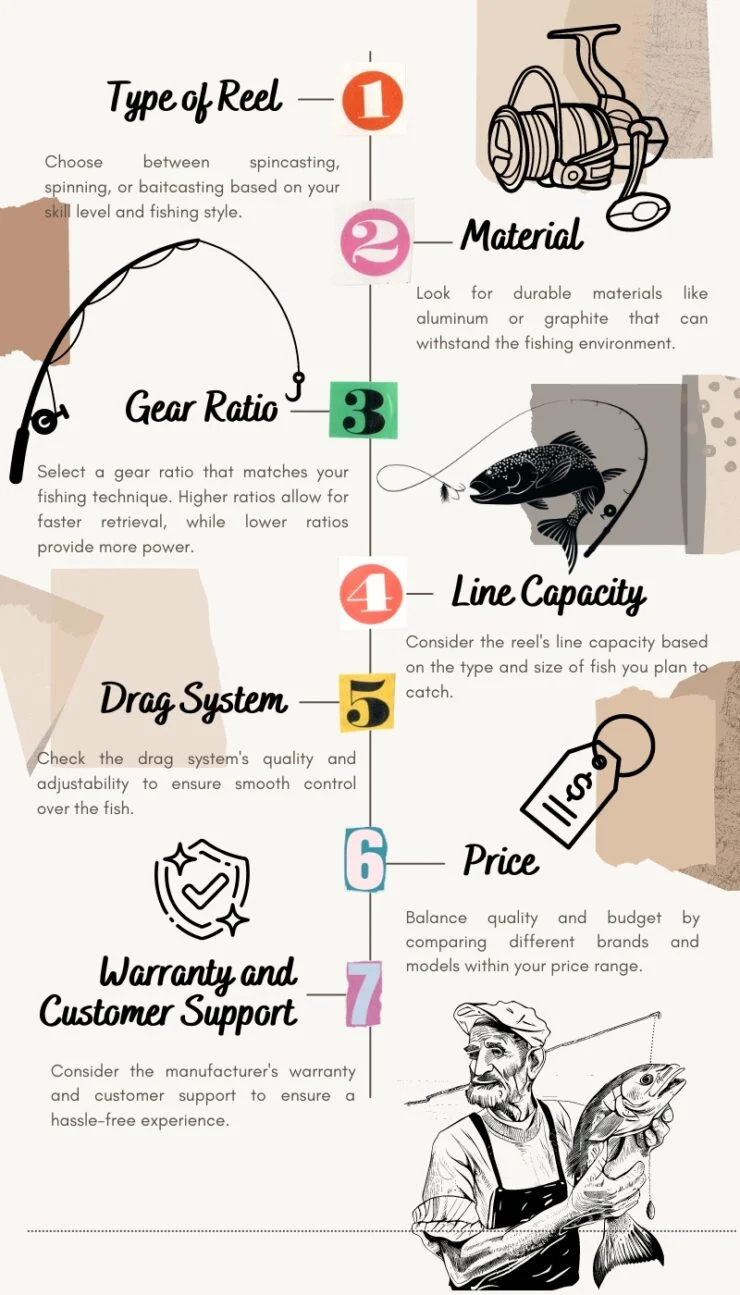
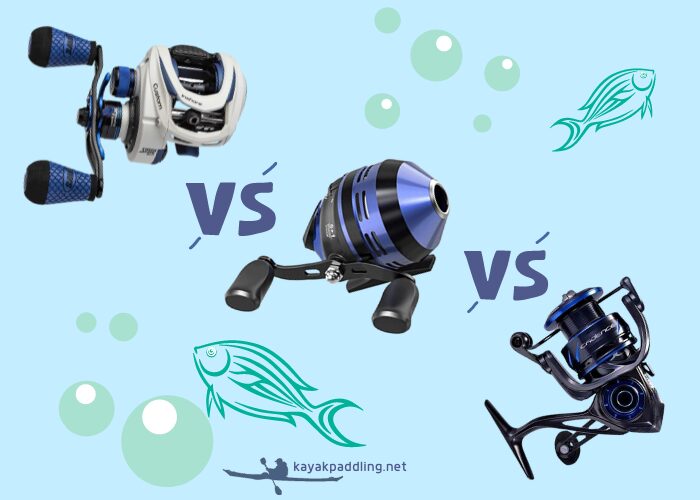
To select the right tool, an angler must first understand the core mechanics that distinguish the three primary reel categories.
Spincasting: The Gateway to the Sport
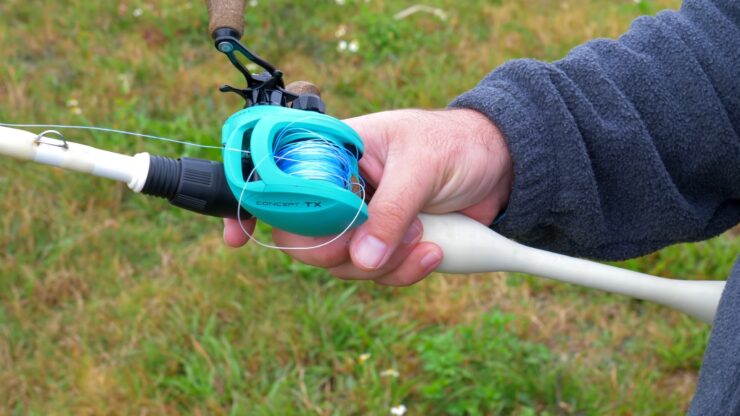
Often dismissed by seasoned professionals as "beginner gear," the spincasting reel remains the most intuitive device in the tackle box. Its design utilizes a fixed spool housed within a protective nose cone. When the angler presses the release button, the line flows out through a small hole, governed by centrifugal force.
Because these reels lack the complexity of a bail arm or a level wind system, they are nearly impossible to "tangle" in the traditional sense, making them the gold standard for children and novices. However, this simplicity comes at a cost: they offer limited drag adjustment and lower line capacities, making them unsuitable for targeting large, aggressive species in competitive environments.
Spinning: The Versatile Workhorse
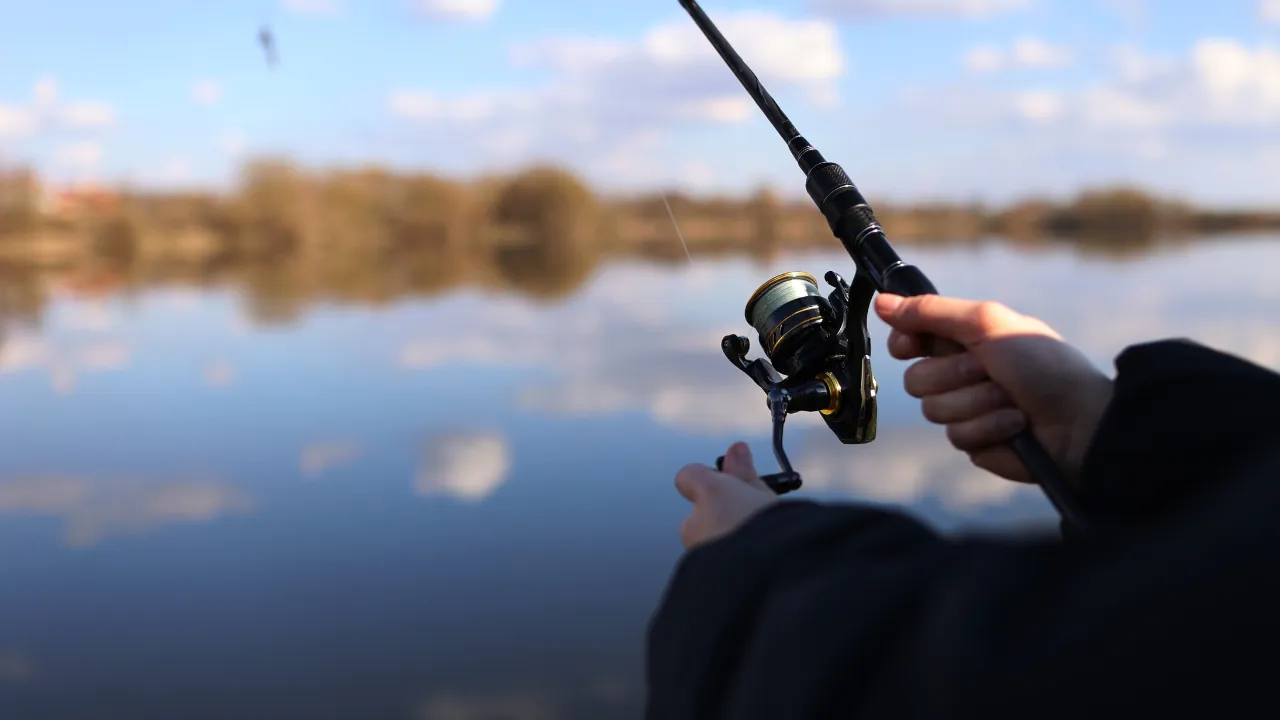
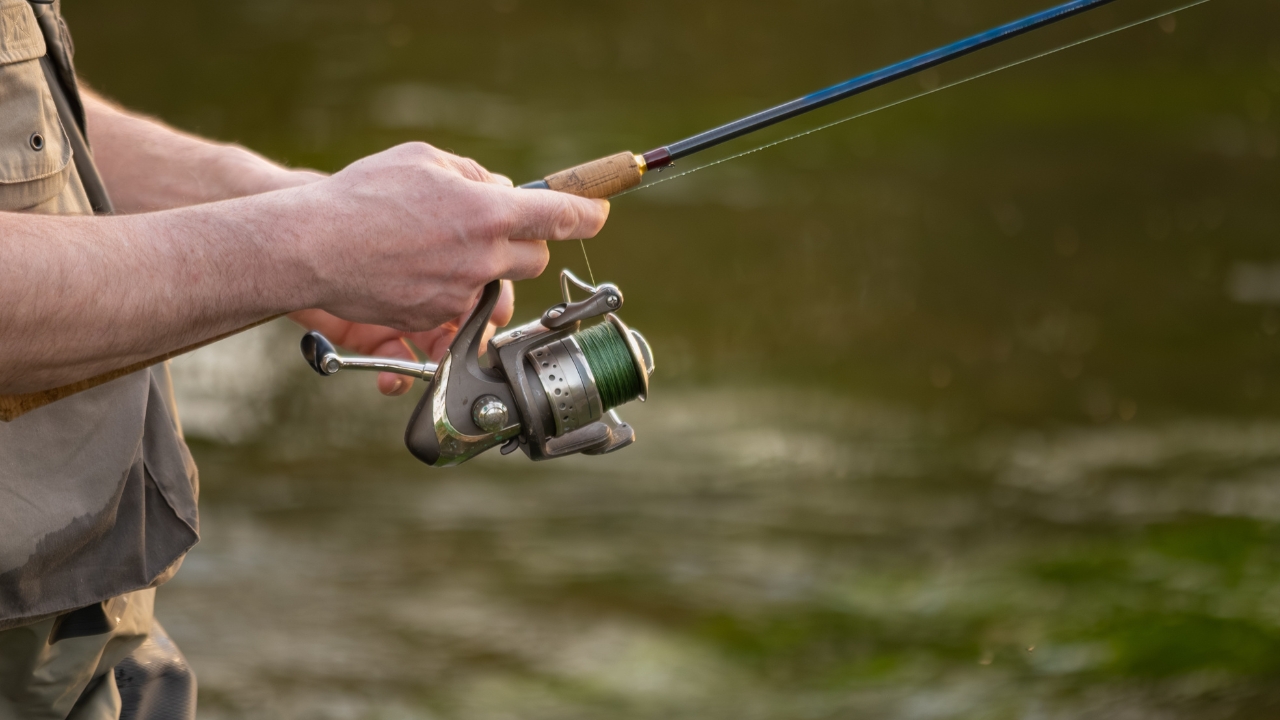
The spinning reel is the most common sight on the water, and for good reason. Mounted below the rod, these reels allow the line to peel off the spool in coils. This design is exceptionally efficient for casting light-weight lures—a task that would cause significant "backlash" on a baitcaster.
Spinning reels are renowned for their balance. They handle monofilament, fluorocarbon, and braided lines with equal grace. Whether you are finesse fishing for trout in a mountain stream or targeting bass in shallow coves, the spinning reel’s ability to handle long, thin rods makes it the ultimate "do-it-all" tool.
Baitcasting: The Instrument of Precision
The baitcasting reel is the professional’s choice. Unlike the spinning reel, the spool on a baitcaster rotates during the cast. This requires a high degree of physical coordination, as the angler must use their thumb to apply pressure to the spool to prevent the line from spinning faster than the lure is traveling—a phenomenon known as "backlash" or "bird’s nesting."
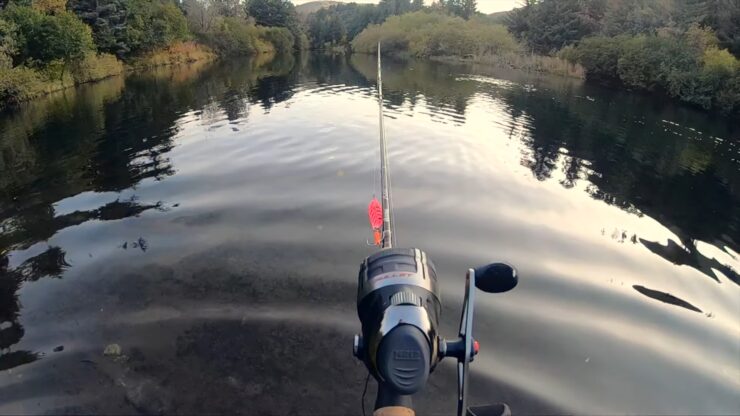
However, those who master the baitcaster are rewarded with unparalleled accuracy. By "feathering" the spool with their thumb, anglers can place a lure within an inch of a target. With gear ratios often ranging from 5:1 to 8:1, baitcasters provide the torque and speed necessary to pull fish out of thick, submerged vegetation or heavy timber.
Technical Implications: Why Gear Choice Matters
Choosing the wrong reel can be the difference between a successful outing and a day of frustration. The implications of your gear choice extend into three critical areas:
1. Casting Accuracy and Distance
If your goal is to land a lure in a "pocket" the size of a dinner plate behind a submerged log, the baitcasting reel is non-negotiable. Its direct-drive system allows for immediate stop-and-start control. Conversely, if you are casting into a vast surf zone where distance is the only metric of success, the spinning reel’s open-face design minimizes friction, allowing the line to travel farther with less effort.
2. Species-Specific Performance
Targeting "big game" requires robust drag systems. Baitcasting reels, with their reinforced frames and high-tensile gear sets, are engineered to handle the strain of heavy-duty fishing. Spincasting, by contrast, is generally restricted to panfish, crappie, and small bass. Using a spincast reel to fight a large saltwater predator would likely result in catastrophic gear failure.
3. The "Backlash" Factor
The psychological barrier of the baitcaster is real. The learning curve involves training the thumb to act as a living braking system. For the occasional weekend angler, the time required to master this skill may not yield a high enough return on investment compared to the "pick-up-and-go" convenience of a spinning reel.
Maintenance: Protecting Your Investment
A fishing reel is a precision machine, often exposed to harsh elements like salt spray, silt, and extreme temperature fluctuations. To ensure longevity, a disciplined maintenance schedule is essential:
- Post-Trip Rinsing: Regardless of whether you fish in fresh or saltwater, a light spray-down with fresh water removes corrosive deposits. Never use a high-pressure hose, which can force salt and debris deeper into the internal bearings.
- Lubrication: Periodically apply reel-specific oil to the handle knobs, bail arm, and level-wind mechanisms. Use a light synthetic grease for internal gears, but be cautious—over-lubrication can attract grit and cause "gumming."
- The "Deep Clean": Once a season, it is advisable to perform a full breakdown of the reel. Inspect the drag washers for wear, clean the spool shaft, and check the line guide for grooves. A grooved line guide can shred your line in seconds, leading to lost fish and lost lures.
Frequently Asked Questions
What is the "Goldilocks" gear ratio?
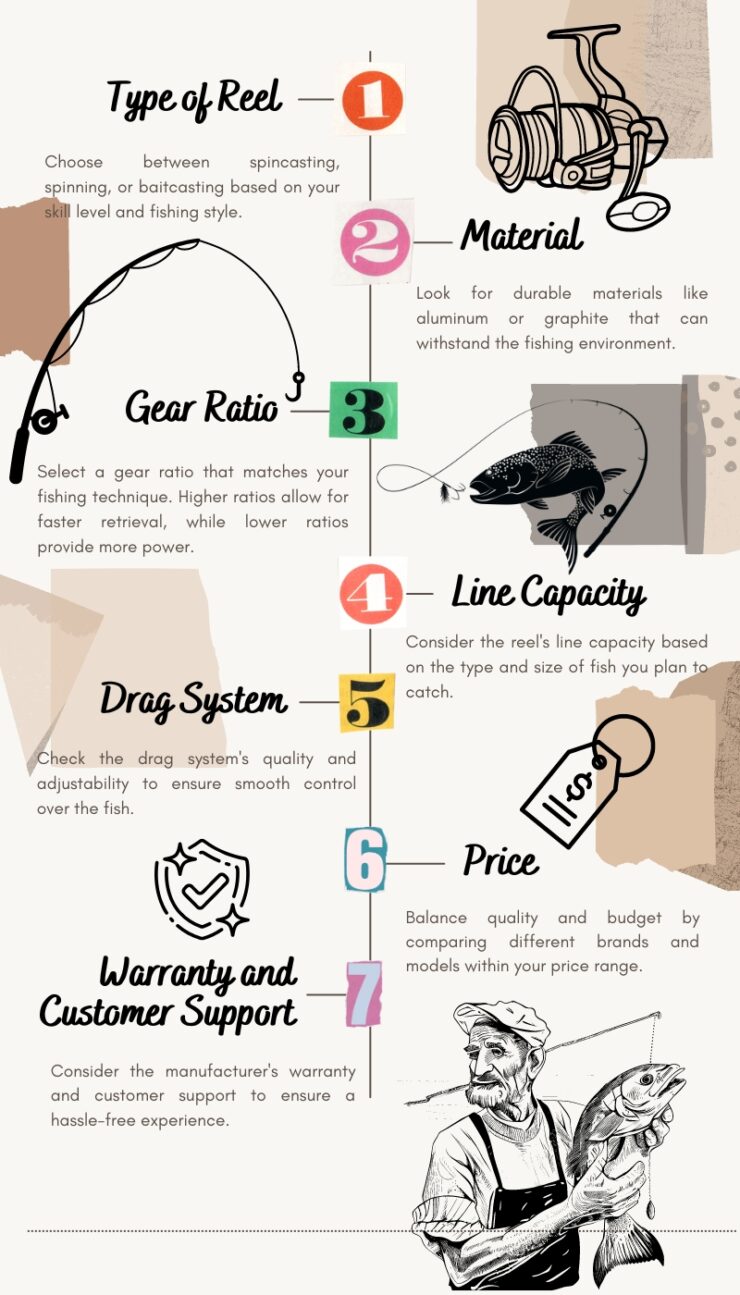
There is no single "best" ratio. A 6:1 ratio is generally considered the "all-purpose" sweet spot. It provides enough speed for top-water lures while retaining enough torque for cranking.
Can I use braid on all reel types?
Yes, but with caveats. Braided line has no "memory" and is highly sensitive. On a spinning reel, it is excellent for distance. On a baitcaster, you must ensure the line is spooled tightly, or the braid can "dig in" to itself, causing a severe tangle during the next cast.
Why do I need multiple reels?
Anglers often carry a "deck" of rods. One might be rigged with a spinning reel and a light jig for finesse work, while another carries a baitcaster with a heavy swim-bait for aggressive hunting. Being prepared for varying conditions is the hallmark of an experienced angler.
Conclusion: The Path Forward
The evolution of the fishing reel represents a perfect marriage of physics and sport. From the 1938 innovations of Daiwa to the modern, ultra-lightweight carbon fiber reels of today, the goal has remained constant: to connect the angler to the quarry with the greatest possible efficiency.
Whether you are a novice lured by the simplicity of a push-button spincaster, or a veteran looking to shave seconds off your retrieval time with a high-speed baitcaster, the key to success lies in understanding the relationship between the gear and the water. As you grow in skill, don’t be afraid to step outside your comfort zone. Master the thumb-control of the baitcaster, learn the subtle drag-adjustments of a quality spinning reel, and respect the humble spincaster for the joy it brings to the next generation of anglers.
Ultimately, the best reel is the one that allows you to spend more time with your lure in the water and less time untangling your line. Practice, patience, and proper care will ensure that your gear—and your passion for the sport—endure for years to come.