By Samuli Haapasalo
Published: September 1, 2026 | "A Year in Nature" Series
The transition from the vibrant chaos of the breeding season to the rhythmic, methodical departure of autumn is one of the most poignant cycles in the Nordic wilderness. As September unfolds, the landscape undergoes a quiet transformation, dictated by the relentless ticking of biological clocks and the shifting meteorological patterns of the northern hemisphere. For the seasoned observer, the autumn migration is not merely a seasonal shift; it is a complex tapestry of survival, environmental adaptation, and shifting ecological baselines.
The Dynamics of Autumn Migration
While spring migration is characterized by a frantic, high-energy push to reach breeding grounds, the autumn migration is often more drawn-out, marked by patience and opportunistic behavior. Unlike the urgent northward surge, autumn birds are influenced by varying stages of maturity, food availability, and the gradual shortening of daylight hours.
However, "drawn-out" does not mean uneventful. For the diligent field ornithologist, autumn offers a unique set of rewards. The movement of birds is rarely a linear progression. Instead, it is frequently interrupted by atmospheric conditions. Storm fronts, high-pressure systems, and localized weather anomalies can displace migratory flocks, pushing them far from their traditional flyways.
Current observations indicate that this year, we are witnessing significant movements of irruptive species, including notable sightings of nutcrackers (Nucifraga caryocatactes). Such movements serve as a reminder that avian behavior is a responsive mechanism to fluctuating resources, such as cone crops and forest productivity, which vary significantly from year to year.
Chronology of a Changing Season
The 2026 season has been defined by a series of distinct phases, shaped by the interplay between habitat availability and climatic factors.
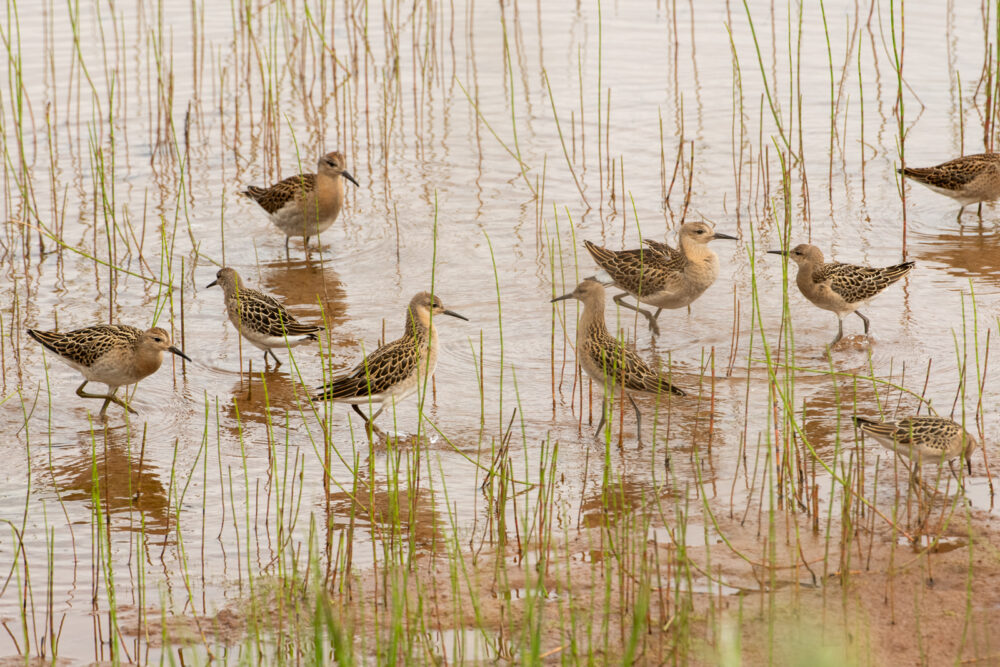
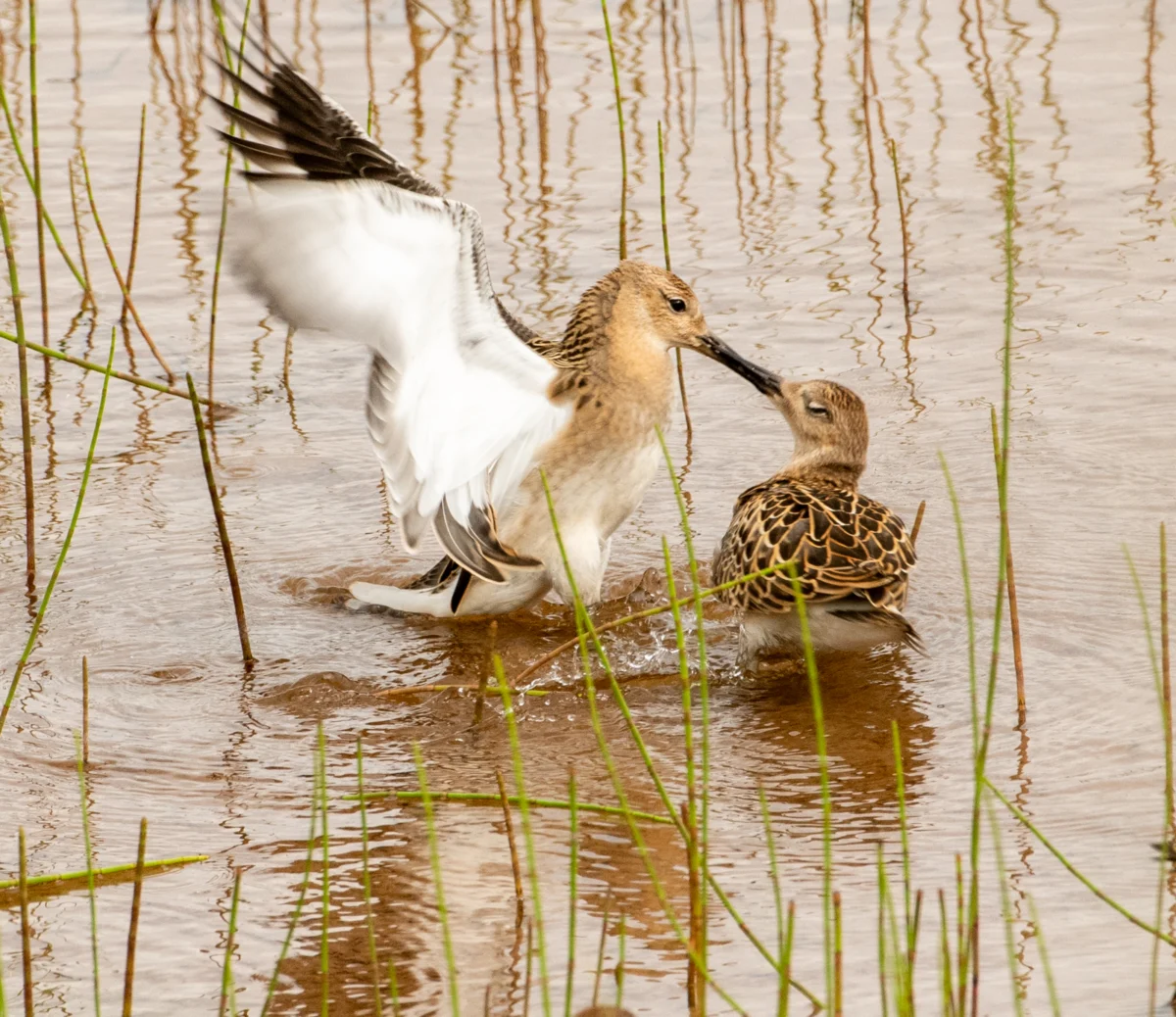
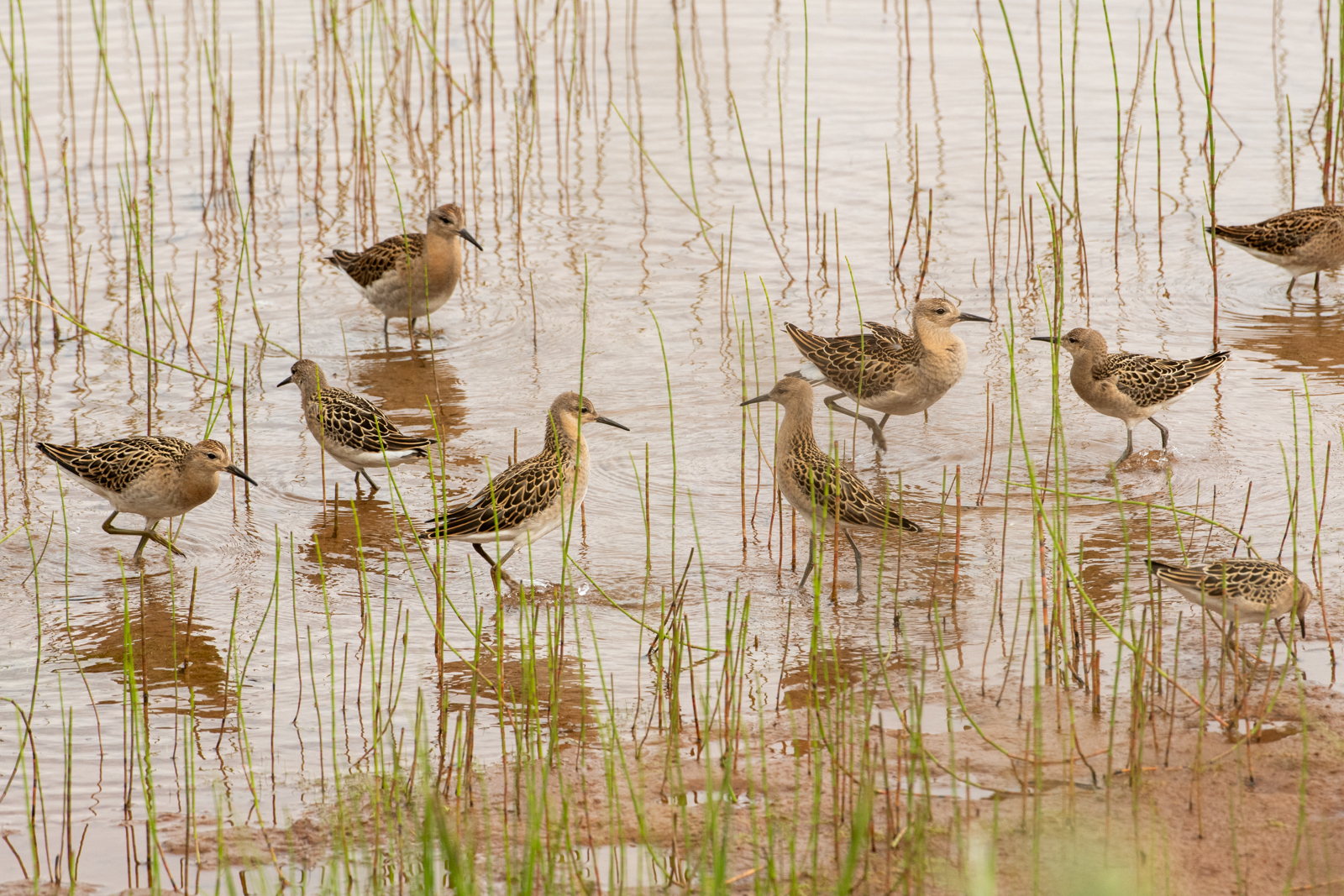
- Late July to Early August: The season began with the gathering of post-breeding flocks. In areas such as the Varanger Peninsula, the erratic water levels of tundra ponds created temporary, high-value foraging sites. It was here that mixed flocks of ruffs (Calidris pugnax) and spotted redshanks (Tringa erythropus) were observed, signaling the start of the southward push.
- Mid-August: As the harvest season progressed, the agricultural landscape became a focal point for migratory stopovers. The rapid expansion of winter grain cultivation has altered the traditional "buffet" available to birds. With harvesting occurring earlier in the season, birds have had to recalibrate their stopover strategies, favoring fields where crop residues and moisture conditions remain optimal.
- Late August/Early September: The focus shifted toward water-dependent species. Rainfall patterns, which created transient pools in wetlands, became critical for waders. These opportunistic habitats, though temporary, serve as essential "refueling stations." Simultaneously, the onset of thermals—often triggered by crisp, sunny days—provided the necessary lift for large soaring birds, such as common cranes (Grus grus), to begin their journey south.
Supporting Data: Assessing Breeding Success and Population Trends
One of the most critical aspects of autumn birding is the ability to assess the health of the previous summer’s reproductive cycle. By monitoring the ratio of juveniles to adults within migratory flocks, researchers can draw conclusions about the success of the breeding season. This year, the data highlights both resilience and cause for concern.
While the presence of young birds in flocks suggests successful fledgling rates in specific niches, the broader context remains sobering. Over the past several decades, we have observed a systematic decline in the overall populations of the majority of avian species. These are not merely seasonal fluctuations but long-term, downward trends.
The loss of critical stopover and foraging habitats remains a primary driver of these declines. Changes in land use—such as the draining of wetlands, the intensification of agricultural practices, and the fragmentation of migratory corridors—continue to exert downward pressure on population numbers. Every lost marshland or converted meadow removes a vital link in a chain that stretches across continents.
The Challenge of Identification: The "Autumn School"
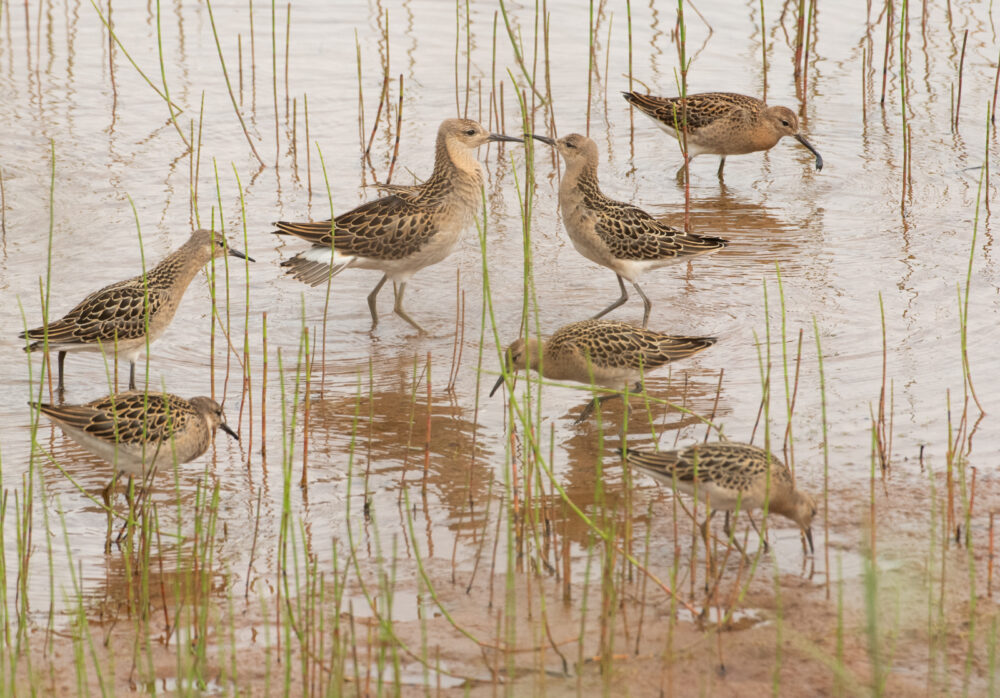
For the birdwatcher, autumn presents a distinct pedagogical challenge. Many species are currently transitioning from their vibrant breeding plumage into their muted, winter attire. This transformation, often subtle and incomplete, creates a high level of complexity in field identification.
Waterfowl and waders, in particular, serve as the ultimate "lajikoulu" (species school). Discerning between closely related species in their juvenile or non-breeding plumages requires a keen eye for detail—focusing on bill morphology, leg color, and subtle feather patterning. The difficulty of these identifications is precisely what makes the season so rewarding; it demands a deeper engagement with the birds than the more obvious visual cues of spring.
Environmental Implications and "The Slow Wait"
The influence of human-led environmental change is increasingly visible in the behavior of migratory birds. "Viivyttelijät" (the procrastinators or late-stayers) are becoming a more common sight. These birds delay their departure as long as temperatures remain mild.
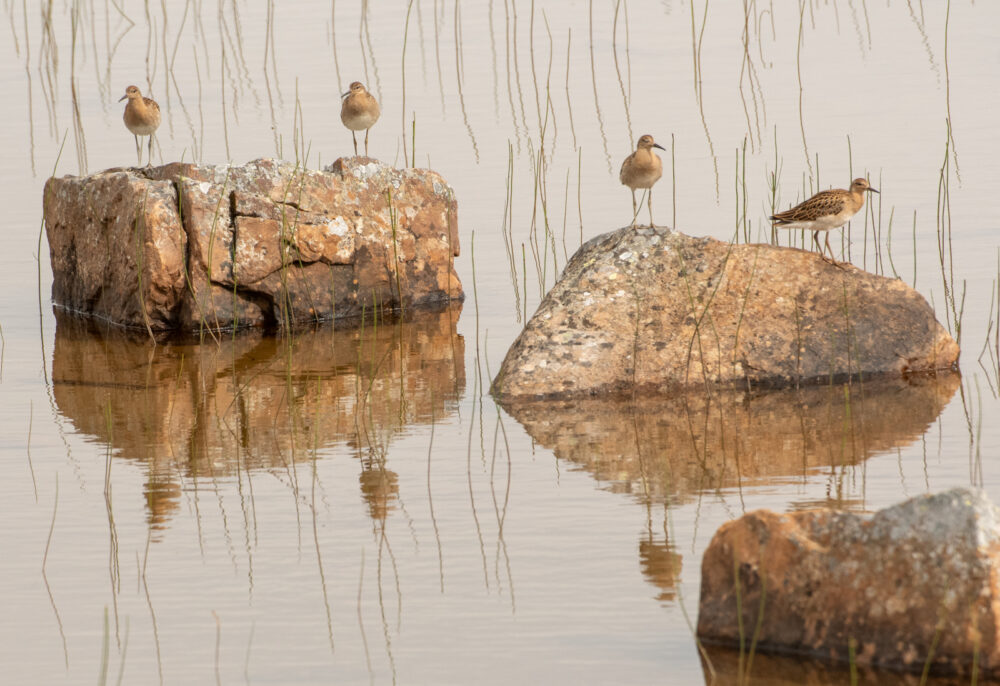
Because nights are increasingly free of early frosts, and water bodies remain ice-free for longer periods than in historical records, the window for migration has stretched. While this might seem like a survival advantage, it carries risks: a sudden, sharp cold snap after a period of prolonged mildness can leave these "late-stayers" in a precarious position, far from their wintering grounds.
Implications for Future Conservation
The shifting nature of migration patterns underscores the necessity for dynamic conservation strategies. We can no longer rely on protecting static, traditional sites alone. Conservation efforts must account for:
- Habitat Connectivity: Protecting not just the primary breeding grounds, but the network of transient, moisture-dependent habitats that birds rely upon during their journey.
- Agricultural Policy: Encouraging land-use practices that support migratory stopovers, such as maintaining stubble fields or restoring seasonal wetlands, is vital.
- Climate Monitoring: As the timing of migration shifts, our monitoring efforts must adapt. We must document the arrival of new species and the changing departure dates of regulars to better understand the long-term impacts of a warming climate.
Conclusion: A Season of Haunting Beauty
As the days grow shorter, the rhythm of the wilderness becomes more pronounced. The autumn, with its morning mists, the evocative calls of migrating cranes, and the lingering scent of damp earth, offers a unique experience. It is a time for the observer to stand still and listen.
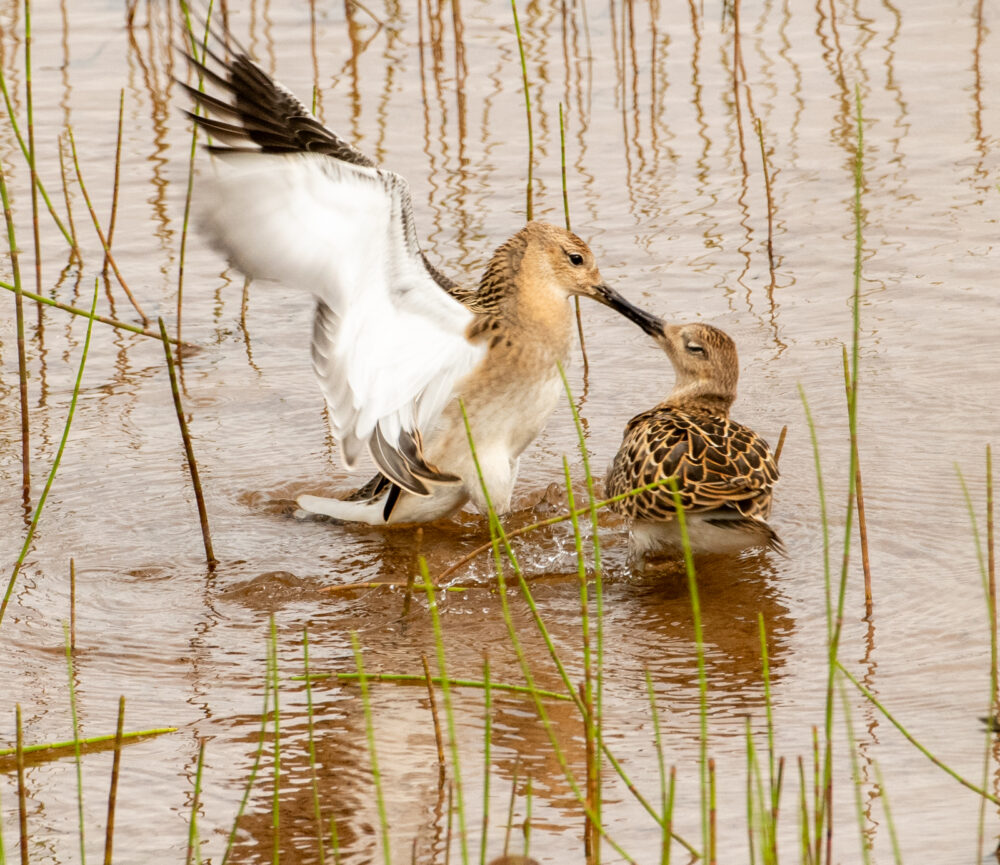
The silence of the autumn woods is not empty; it is a space where the movement of millions of creatures unfolds with a quiet, persistent intensity. Whether it is the unexpected landing of a flock of ruffs in a tundra pool or the persistent presence of a late-season wader, the autumn migration is a testament to the endurance of life.
For those of us who track these journeys, the message is clear: the birds are telling a story of change. It is our responsibility to ensure that the landscapes they traverse remain intact, providing the food, rest, and safety required to complete their ancient, essential journeys. As we look toward the coming winter, let us carry the lessons of this autumn—the importance of every wetland, every field, and every patch of quiet wilderness—into our future conservation endeavors.
Samuli Haapasalo is a veteran nature observer and contributor to the "Vuosi luonnossa" (A Year in Nature) series, documenting the evolving face of the Finnish wilderness.