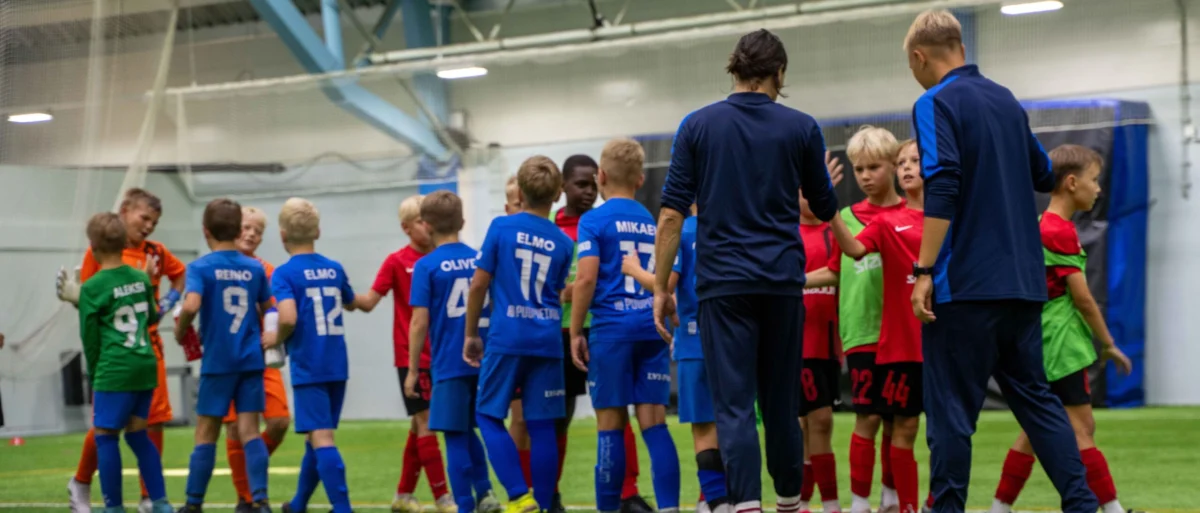
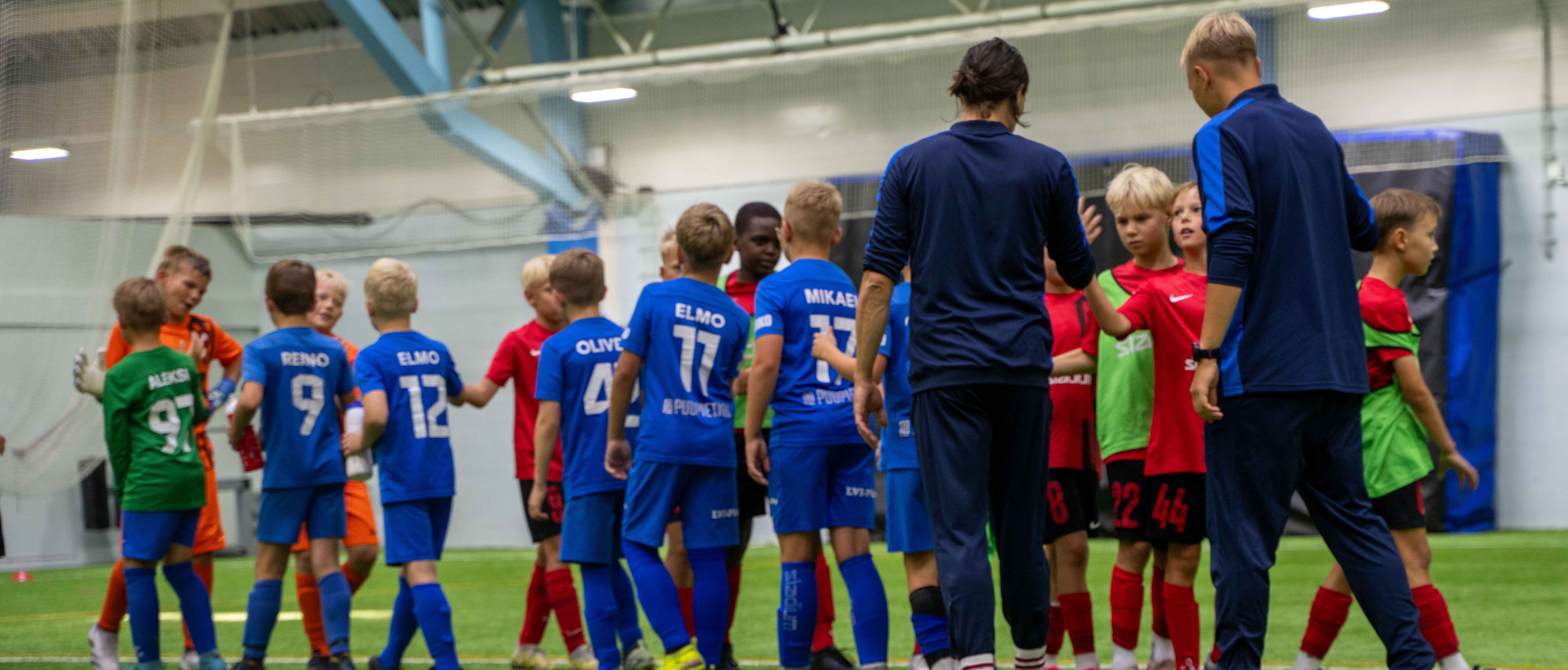
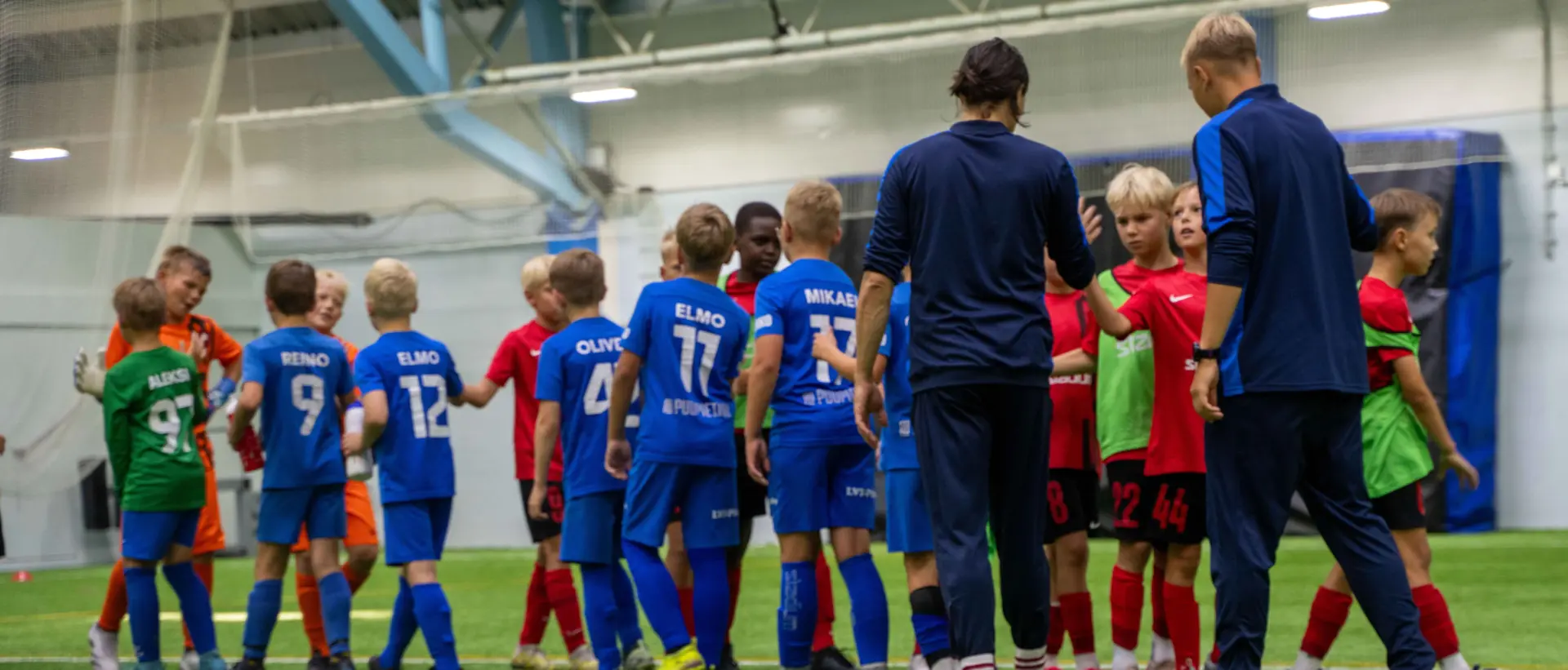
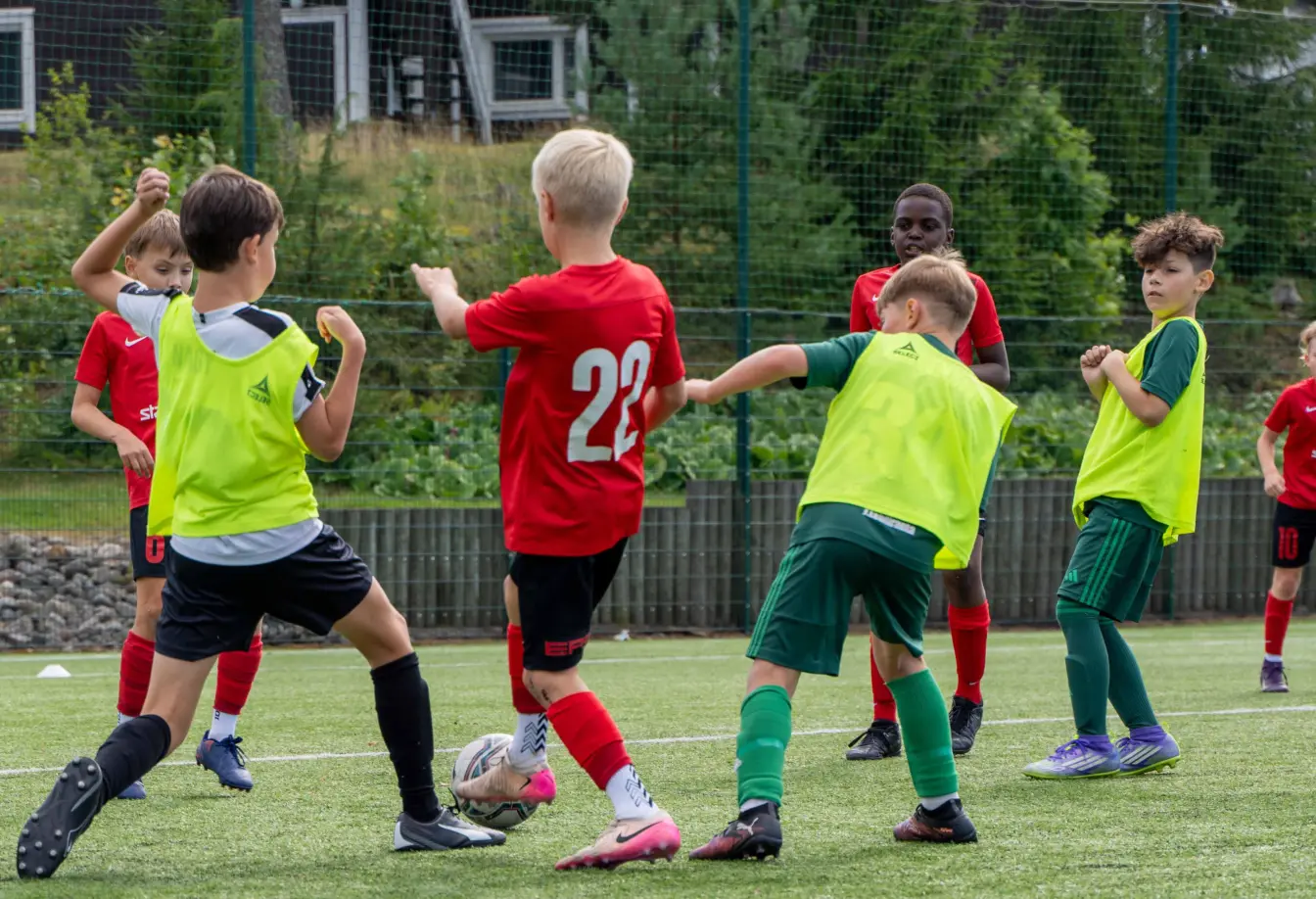
In the heart of the Finnish sports landscape, a quiet revolution is taking place on the artificial turf of the Eerikkilä Sport & Outdoor Resort. For the third consecutive year, the Football Association of Finland (Palloliitto), in close partnership with the Eerikkilä Sport & Outdoor Resort, has launched its marquee development event for 10-year-olds as part of the broader "Huuhkaja- and Helmaripolku" (Eagle Owl and Helmar Path) initiative.
This two-day event, which brings together 50 teams from across the country, is more than just a series of matches. It is a laboratory for pedagogical innovation, testing new rules, unconventional field configurations, and a philosophy that prioritizes autonomy over rigid structure. By stripping away the traditional trappings of youth sports—including, most notably, the referee—the organizers are attempting to answer a critical question: How do we keep children engaged, passionate, and developing in an era where physical activity levels are in decline?
The Philosophy of "The Joy of Play"
The core objective of the 10-year-old development event is to support the "Pelille heittäytyvät lapset" (Children who throw themselves into the game) theme. According to Antti Kekkonen, Manager of Football Services at Eerikkilä, the journey to this new model required a significant mental shift from both coaches and administrators.
"We are all creatures of habit, accustomed to specific frameworks and rules," Kekkonen explains. "Moving away from those established norms can feel daunting at first. However, if we focus on the developmental needs of a 10-year-old, we realize that rules exist to serve the child, not the other way around. The game needs to be insightful, inspiring, and designed to bolster the child’s own sense of agency and competence."
The organizers have systematically deconstructed the game, experimenting with pitch sizes and team numbers to ensure that the environment maximizes the number of touches on the ball and the frequency of decision-making opportunities.
Chronology of Change: From Tradition to Innovation
The transformation of the youth development pathway did not happen overnight. It is the result of a multi-year effort to align national coaching guidelines with contemporary pedagogical research.
- Initial Conception: The process began with a comprehensive review of the "childhood phase" of development within team sports, identifying that the traditional "one-size-fits-all" approach to youth matches was leading to boredom and early burnout.
- The First Pilot: Two years ago, the first iteration of this event tested the waters by removing referees and introducing rotating pitch sizes. Initial skepticism from parents and coaches was high, but the children adapted almost immediately.
- The 2025 Milestone: By the second year, the feedback loop had solidified. Organizers reported that the "confusion" surrounding the lack of a referee had vanished, replaced by a self-regulating culture where children negotiated their own disputes.
- The 2026 Expansion: This year marks the third iteration, solidifying the event as a permanent fixture in the Finnish sporting calendar. The scale has remained consistent at 50 teams, but the refinement of the "activation" exercises for substitute players has become a focal point.
Supporting Data: Why Small-Sided Games Work
The event employs a hybrid of 7 vs. 7 and 4 vs. 4 formats, often occurring simultaneously. This creates a high-intensity environment where there is no such thing as a "benchwarmer."
Jani Tulehmo, the Football Association of Finland’s Development Manager for Children’s Coaching, notes that the physiological and tactical data gathered during these events supports the shift. "Different pitch sizes and player numbers force different stimuli," Tulehmo says.
On larger 7 vs. 7 pitches, players are forced to practice full-speed running, long-distance ball carrying, and defensive organization in open space. Conversely, the 4 vs. 4 games are condensed, forcing players to improve their reaction speed, tight-space finishing, and instant defensive recovery.
Furthermore, the data suggests that when children are tasked with officiating their own matches, they develop a deeper understanding of the rules. "When the referee is absent, the kids have to talk to each other," says one attending coach. "They aren’t looking at an adult to fix their problems. They are communicating, negotiating, and resolving—which is a life skill as much as a football skill."
Official Responses: Reimagining the Role of the Adult
Perhaps the most significant aspect of this initiative is the inclusion of the family unit. Recognizing that the "sporting ecosystem" of a child includes parents, the organizers hold dedicated sessions for guardians alongside the matches.
The discussions move beyond tactical analysis to focus on the holistic growth of the child. Topics include:
- The Importance of Unstructured Play: How much time should a child spend playing "on their own" versus in an organized training session?
- Total Physical Load: How does a child’s lifestyle—school, sleep, and nutrition—affect their readiness for training?
- Long-Term Athlete Development: Why the focus must remain on the individual’s growth rather than the team’s tournament ranking.
Jani Tulehmo emphasizes that while the children play for the thrill of the win, the adults must focus on the long game. "Every game is competitive, but we are not keeping records of tournament standings. The victory is not the trophy; the victory is the development of the individual player."
The Societal Context: A Call to Action
The urgency of this initiative is framed by a broader crisis in Finnish sports. The Finnish Olympic Committee (Olympiakomitea) has been vocal about the "murroskohta" (turning point) currently facing youth sports.
Recent trends paint a concerning picture:
- Decreased Activity: Fewer children are moving enough to meet basic health recommendations.
- Early Specialization: Children are entering organized sports at younger ages, which often leads to rigid training structures that discourage creativity.
- The Drop-out Rate: A significant number of children leave organized sports prematurely, often due to the pressure of performance-oriented environments.
These trends are not merely a problem for football; they are a threat to the nation’s long-term physical literacy and public health. The partnership between the Olympic Committee and 40 national sports federations is an attempt to reverse this. The goal is to ensure that every child, regardless of skill level, can find joy in movement, feel a sense of belonging, and dream about their future—whether that future is on the professional pitch or simply as a lifelong enthusiast of physical activity.
Implications: The Future of Finnish Sport
As the 10-year-old development event concludes, the implications for the future are clear. Finland is signaling a move away from the "miniature adult" model of youth sports. By prioritizing autonomy, variety, and the "joy of play," they are betting that a more relaxed, child-centered approach will ultimately produce not only better athletes but more resilient, active, and well-rounded citizens.
The success of the Eerikkilä model suggests that when you trust children to play—when you give them the tools, the space, and the freedom to make their own mistakes—they don’t just learn the game. They learn themselves.
"We have dared to experiment," Antti Kekkonen concludes. "And the results are clear: the kids are thriving. They are playing more, laughing more, and, most importantly, they are still here, wanting to play the next match. That is the only metric that truly matters."
As other sports organizations across the globe grapple with similar challenges regarding participation rates and youth engagement, the Finnish model offers a compelling blueprint. It is a reminder that at the heart of every great sporting nation lies a simple, fundamental truth: if you make the game fun enough, the kids will do the rest.