In a move that underscores the rapid acceleration of Latin America’s energy transition, Ashmore Colombia—a subsidiary of the UK-based Ashmore Group—has announced the sale of the Parque Solar Puerta de Oro to the Colombian energy major, ISAGEN. The acquisition, conducted in partnership with shareholder Patria Investments, marks a significant consolidation of renewable assets within the country and highlights the increasing maturity of Colombia’s utility-scale solar market.
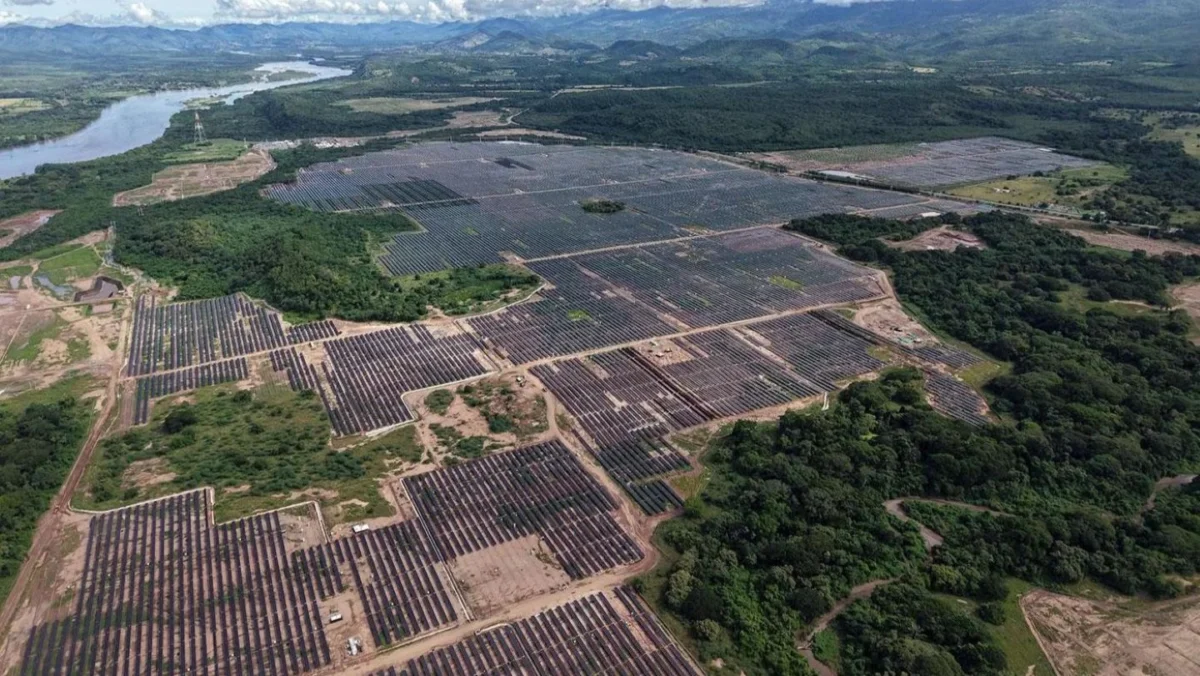
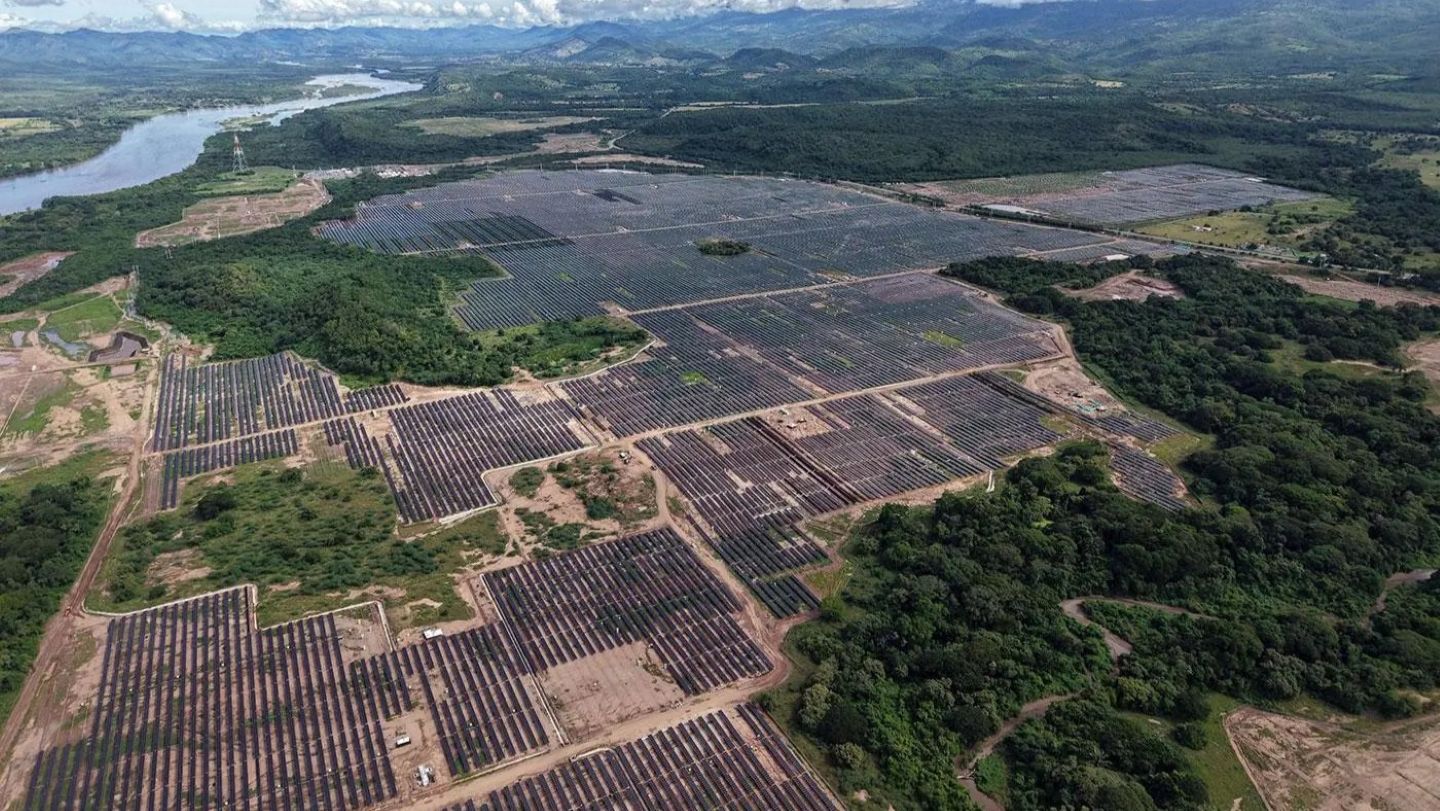
While the financial specifics of the transaction remain confidential, the deal represents a landmark moment for the Colombian power sector. The Puerta de Oro facility, located in the municipality of Guaduas, Cundinamarca, stands as the largest solar photovoltaic (PV) installation in the nation, serving as a cornerstone of the country’s efforts to diversify its energy mix away from traditional, and often drought-vulnerable, hydroelectric power.
The Infrastructure Scope: Powering the Future
The Puerta de Oro facility is a marvel of modern engineering, occupying 530 hectares of land in the heart of Cundinamarca. The project features an impressive array of approximately 511,000 PV modules, which collectively generate an installed capacity of 360MW-peak (MWp), or 300MW of alternating current (AC).
The facility is not merely a regional power source; it is a critical component of the National Interconnected System. The project is integrated into the grid via a dedicated 22.4-kilometer, 230kV transmission line, ensuring that the clean energy generated reaches the population centers that need it most. Currently, the plant is fully operational, reliably supplying electricity to more than 390,000 homes across Colombia.
Beyond the immediate provision of electricity, the environmental impact of the facility is substantial. It is estimated that the Puerta de Oro plant prevents the emission of approximately 370,000 metric tons of carbon dioxide annually. This reduction is vital for Colombia, which is seeking to meet its ambitious climate goals under the Paris Agreement while ensuring energy security for its growing industrial and residential sectors.
Chronology: From Concept to National Benchmark
The development of Puerta de Oro was not an overnight success but the result of a multi-year strategy to cultivate institutional-grade infrastructure in the Andean region.
- Establishment of the Vision (2009–2018): Ashmore Colombia established its footprint in the region in 2009, gradually building expertise across Colombia, Peru, and Central America. During this period, the firm identified a critical gap in the Colombian market: the over-reliance on hydroelectric power and the need for a diversified, decentralized energy architecture.
- The Development Phase (2019–2023): Working closely with Patria Investments, the team navigated the complexities of land acquisition, environmental licensing, and regulatory framework navigation. The project was designed to be a "benchmark" for the industry, emphasizing not just scale but also technical efficiency.
- Construction and Grid Connection (2024–2025): The massive scale of the installation—over half a million modules—required rigorous project management. Construction was executed with an eye toward sustainability and minimal local ecological disruption, culminating in the successful synchronization with the National Interconnected System.
- Operational Maturity (2026): By mid-2026, the plant reached full capacity, proving its viability as a reliable base-load contributor.
- The Sale (September 2026): With the asset fully operational and de-risked, Ashmore Colombia initiated the sale process, led by CEO Juan Pablo Fonseca, to divest the project to ISAGEN, a move that allows Ashmore to recycle capital into new, early-stage infrastructure opportunities.
Supporting Data: Why Solar is the New Standard
The acquisition by ISAGEN occurs at a pivotal moment for Colombia. For years, the country’s power grid has been susceptible to the "El Niño" phenomenon, which reduces water levels in reservoirs and drives up electricity prices.
Data from the Colombian energy sector indicates that the inclusion of large-scale solar projects like Puerta de Oro provides a crucial hedge against hydrological volatility. The solar profile, which peaks during the daytime, complements the existing hydroelectric capacity, creating a more balanced "energy cocktail."
Key Technical Specifications of Puerta de Oro:
- Installed Capacity: 360MWp / 300MW AC.
- Physical Footprint: 530 Hectares.
- Module Count: ~511,000 PV modules.
- Grid Connection: 22.4km, 230kV transmission infrastructure.
- Carbon Mitigation: ~370,000 tons of CO2 annually.
- Consumer Impact: 390,000+ homes powered.
These metrics position Puerta de Oro not just as a local plant, but as a critical infrastructure asset that serves as the blueprint for future renewable energy projects in the Andean region.
Official Responses and Strategic Rationale
The sale process was spearheaded by Ashmore Colombia CEO Juan Pablo Fonseca, who emphasized that the transaction serves as a validation of the firm’s investment philosophy.
"The sale of Puerta de Oro is a significant milestone for Ashmore Colombia and confirms the merit of our infrastructure investment approach in the country," Fonseca stated. He noted that the project’s development required a complex orchestration of legal, technical, and financial maneuvers. "Participating in the development of Colombia’s largest solar asset allowed us to build on our track record in large-scale renewable energy projects and strengthen our relationship with key partners such as Patria."
Fonseca underscored that the asset has "set the benchmark for the sector," proving that complex, large-scale infrastructure can be successfully navigated, structured, and exited in the Colombian market. For Ashmore, the focus now shifts toward the next generation of sustainable value creation.
From the perspective of ISAGEN, the acquisition is a strategic consolidation. By integrating the largest solar plant in the country into their existing portfolio, ISAGEN strengthens its position as a dominant player in the energy transition, gaining both technical assets and a substantial reduction in the carbon intensity of their overall power generation portfolio.
Implications for the Future of Colombian Energy
The transition of ownership from an investment firm (Ashmore) to an energy utility (ISAGEN) is a classic lifecycle event for large infrastructure assets. It signals a shift in the market from the "development/construction" phase to the "operation/maintenance" phase.
1. Market Confidence
The deal acts as a positive signal for international investors. Despite global economic headwinds, the ability to successfully develop, operate, and exit a project of this magnitude proves that Colombia remains a stable and attractive destination for long-term capital in the renewable energy space.
2. Regulatory Stability
The transaction remains subject to final regulatory approval. While expected to proceed smoothly, the process serves as a test of the current regulatory framework’s efficiency in handling large-scale energy asset transfers. A swift approval would further cement Colombia’s reputation as a business-friendly environment for the energy transition.
3. The Shift to Renewables
Colombia’s national goal of reaching carbon neutrality by 2050 requires massive private-sector participation. The Puerta de Oro model—combining international capital (Ashmore/Patria) with local technical expertise and integration into the national grid—provides a scalable roadmap. We can expect to see more of these "mega-solar" projects as the country moves to further diversify its generation capacity.
4. Grid Modernization
The success of Puerta de Oro highlights the need for continued investment in transmission infrastructure. With 300MW of AC capacity added to the grid, the pressure on existing transmission lines to manage intermittent, decentralized power is higher than ever. Future projects will likely need to incorporate even more robust energy storage solutions, such as large-scale battery systems, to maximize the utility of solar generation.
Conclusion: A New Chapter
As the dust settles on the sale of the Puerta de Oro facility, the broader implications remain clear: Colombia is firmly committed to a greener future. The collaboration between Ashmore Colombia and Patria Investments has left a lasting legacy on the nation’s energy map.
As ISAGEN takes the helm of this 360MW powerhouse, the project will continue to provide clean, reliable electricity to hundreds of thousands of households. For the market, this transition is a sign of maturity—a clear indicator that the renewable energy sector in Colombia has moved beyond the experimental phase and is now a robust, reliable, and profitable pillar of the national economy. With the completion of this transaction pending final regulatory nods, the industry looks toward the next wave of projects that will continue to drive the nation’s decarbonization efforts well into the next decade.