By Sam Johnston
Lead Guide, Montana River Guides; Instructor and Spill Responder, WRI
Main Facts: The Marañón Expedition
In March 2026, a team of self-supported expedition kayakers ventured into the heart of the Peruvian Andes to navigate the Marañón River, a primary headwater of the Amazon. The expedition was not merely a test of physical endurance but a profound exercise in risk management in one of the most committing whitewater environments on Earth.
The Marañón is defined by its vertical canyon walls, massive, stacked rapids, and extreme isolation. With the nearest road or medical facility often located over a hundred miles away, the margin for error is non-existent. The expedition served as a real-world crucible for the principles of swiftwater rescue and risk mitigation, demonstrating that the dangers faced in remote wilderness expeditions are fundamentally identical to those encountered in domestic rescue operations—only the stakes are amplified by geography.
Chronology: A Descent into the Inner Gorge
The expedition was marked by high-stakes decision-making and near-catastrophic moments. The most harrowing event occurred within the Inner Gorge, a section of the river where the canyon narrows and the rapids become relentless.

Following the portage of "Wasson’s Slide"—a move necessitated by the river’s dangerous, chaotic hydraulics—the team sought a brief respite on a boulder-strewn bank. During this transition, a momentary lapse in environmental awareness nearly resulted in a tragedy. While scouting the next stretch, I shifted my weight onto a rock roughly the size of a washing machine. It immediately gave way. As I yelled a warning, a several-hundred-pound boulder plummeted toward my teammate, Dayton, who was standing in the shallows below. The rock wedged between two others just inches from him, a stroke of luck that underscored how rapidly a "safe" moment can turn fatal.
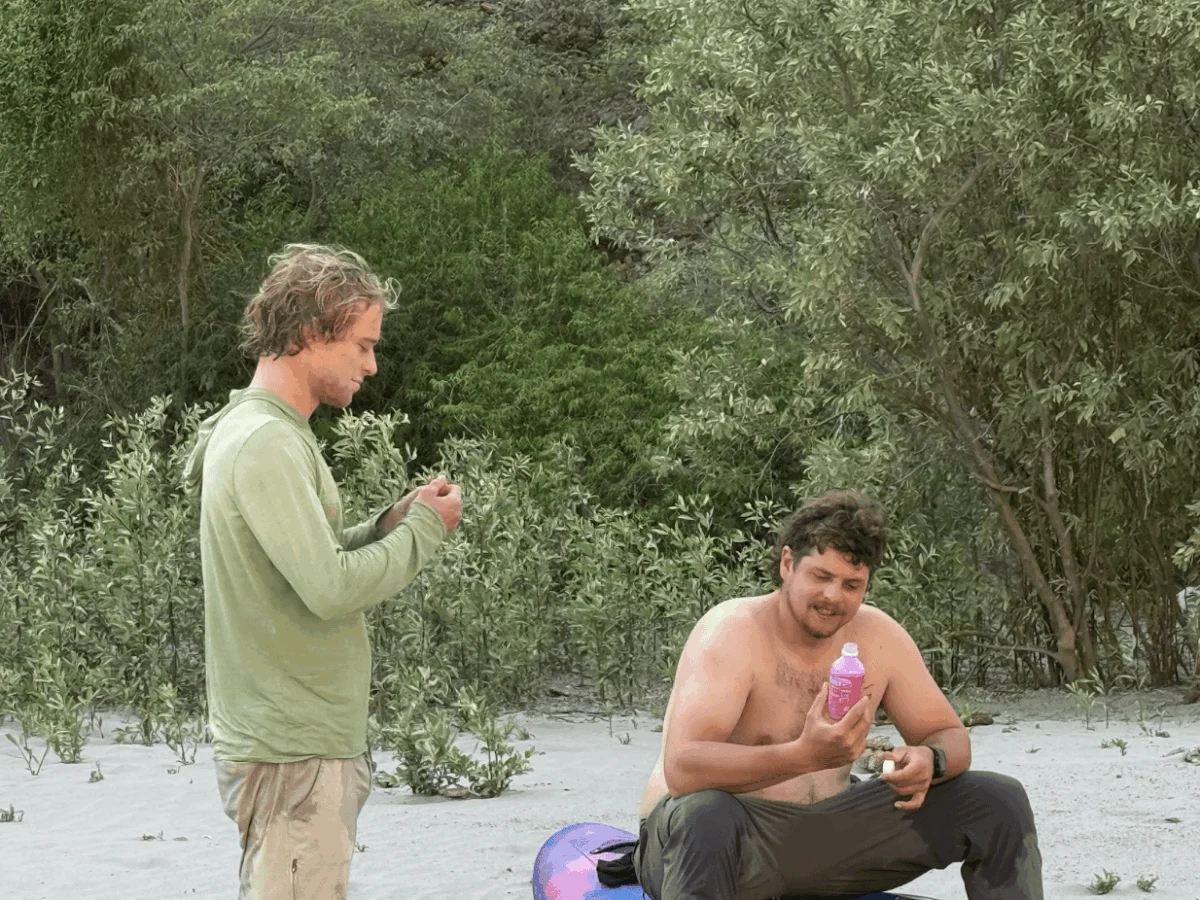
As the expedition progressed into the latter half of the journey, the team faced a biological threat. Three of the five members succumbed to severe illness, forcing a makeshift medical camp under a bridge in a remote village in Ancash. The logistics of the situation—procuring supplies, managing dehydration, and navigating the social dynamics of an unfamiliar, potentially hostile environment—pushed our decision-making capabilities to their breaking point.
The trip culminated at the Samosera Rapid, where the team faced the largest whitewater of the journey. The successful navigation of this rapid became a meditation on motivation: the difference between executing a technical line and succumbing to the pressure of performance anxiety.
Supporting Data and Core Lessons
The Marañón experience highlighted five fundamental pillars of swiftwater safety that are as relevant on the Clark Fork River in Montana as they are in the Andes.

1. Scene Size-Up is a Continuous Process
The "scene" of a river incident is not restricted to the moving water. It includes the banks, the anchor points, the eddies, and the surrounding terrain. Many near-misses occur during the "safe" periods—loading gear, scouting, or resting. A failure to recognize that a lunch spot is part of the hazard zone nearly caused a fatality.
2. The Degradation of Decision-Making
Under physical stress—dehydration, sleep deprivation, and illness—human cognitive function declines rapidly. My experience in the Andes proved that the version of myself making decisions while exhausted was significantly slower and less reliable than the version that studied for professional certifications. This is why technical rescue systems and standardized checklists are vital; they provide a framework that survives when the human brain begins to fail.
3. Containment: Plan vs. Prayer
"Containment" is often misunderstood by novices as a hope that things will go right. In professional rescue, it is a rigid, pre-planned strategy. It requires knowing exactly who is watching, where they move if a swimmer goes in, and what downstream hazards exist. On the Marañón, I learned that a hope of safety is not a substitute for a tactical plan.
4. The Current of Ego
The most dangerous piece of equipment on the river is the one between your ears. I had to confront the reality that I was considering running a massive rapid not just because I was prepared, but because I feared being the "least accomplished" boater on the team. Recognizing the source of one’s motivation—whether it is technical competence or ego—is the difference between a successful run and a rescue operation.

5. The River as an Equalizer
We often tell ourselves narratives about "conquering" nature. The Marañón quickly strips away this vanity. You do not conquer a river that has carved its path for millions of years; you are a temporary visitor. Effective rescuers move with respect for the water, not a desire to dominate it.
Implications for Rescue Professionals
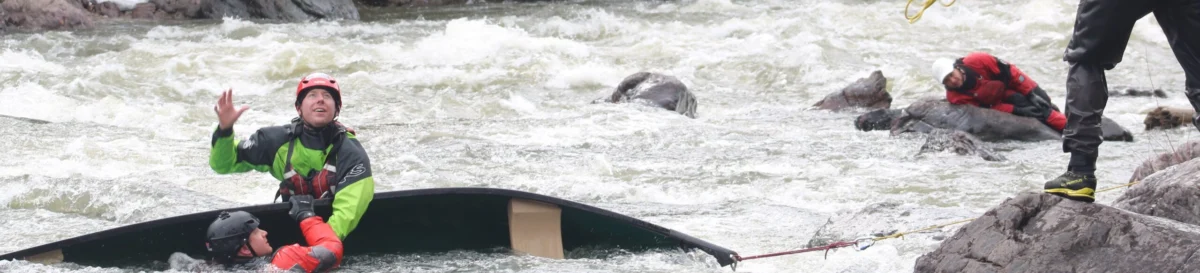
The lessons learned in Peru have profound implications for the Whitewater Rescue Institute (WRI) and similar training organizations. The fundamental reality is that skill decay is an inevitable byproduct of time. A rescue course taken a decade ago is insufficient for the demands of modern emergency response.
The technical skills—rope rescue, swiftwater extraction, and boat operations—are only as effective as the mental framework that supports them. Whether responding to a flash flood or a high-stakes spill, the responder who succeeds is the one who treats every situation with the humility of a student.
The industry must shift toward a culture of continuous refreshing. The goal of professional training is to ensure that when the "real thing" happens—when the water is high, the light is fading, and your teammates are at risk—you are not relying on intuition, but on deep-seated, drilled responses.

Official Standards and Professional Responsibility
Professional rescue, particularly in the context of spill response and swiftwater operations, requires adherence to rigorous safety standards. Organizations like WRI build their curriculum on the National Fire Protection Association (NFPA) 1006 and 2500 standards. These are not mere suggestions; they are the benchmarks for life-safety operations.
Furthermore, specialized training in boat operations and spill response must align with United States Coast Guard (USCG) and HAZWOPER mandates. The integration of these high-level technical standards with the human-factors training—the ability to manage fear, fatigue, and ego—is what differentiates a competent responder from a liability.
The Marañón expedition was a sobering reminder that while the terrain changes, the principles of safety remain universal. Whether you are operating in the remote Andes or a local river corridor, the safety of your team is a product of your ongoing commitment to training. The most successful rescuers are those who never assume they know enough, who consistently engage in refreshers, and who understand that the river is not a classroom where you can afford to fail the final exam.
As we look toward the upcoming season, the call to action is clear: ensure your skills are current, keep your ego in check, and remember that the river is a dynamic, unforgiving environment. We will see you out there.

For those seeking to refresh their certifications or train their teams in swiftwater, rope, or ice rescue, WRI offers comprehensive courses on the Clark Fork River. For a full schedule and technical specifications, please visit the WRI Course Schedule.