Introduction: A Strategic Vision for Armenia’s Natural Heritage
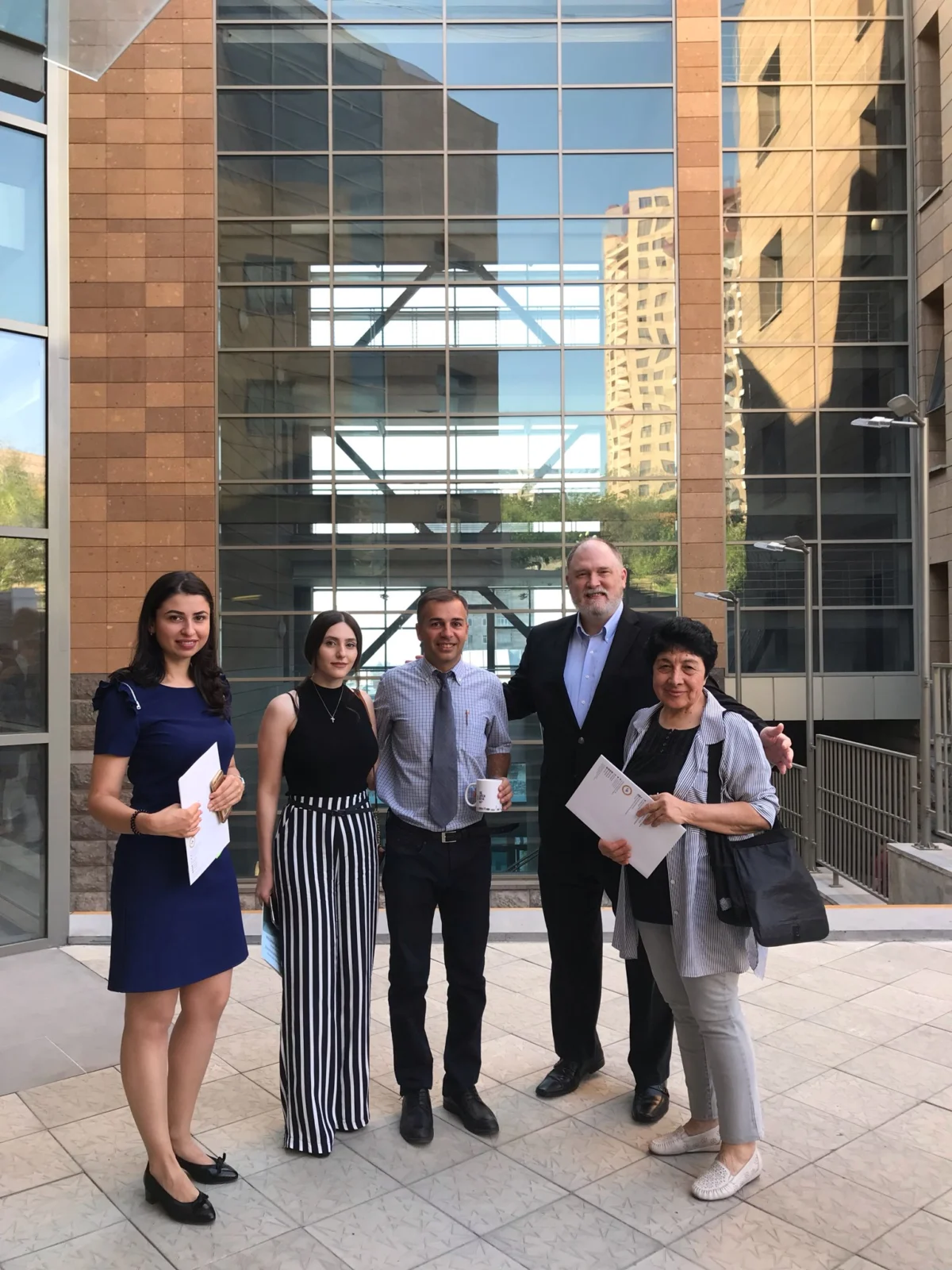
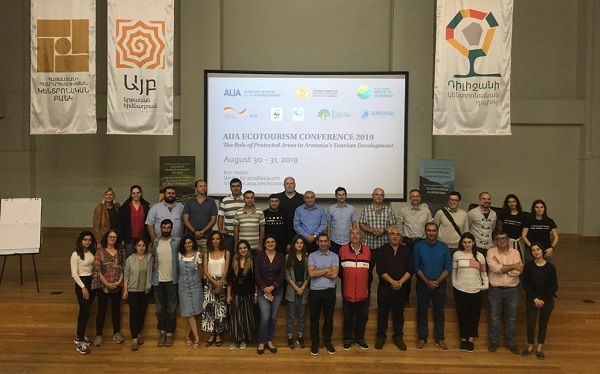
On August 30-31, the Armenian tourism landscape marked a significant milestone with the hosting of the fourth annual AUA Ecotourism Conference. Orchestrated by the American University of Armenia (AUA) Acopian Center for the Environment, the event served as a high-level summit bringing together policymakers, international conservationists, and local stakeholders. By aligning with partners such as the Ministry of Economy’s Tourism Committee, the Ministry of Environment, WWF Armenia, the Transboundary Joint Secretariat (funded by Germany’s KfW), and The International Ecotourism Society (TIES), the conference sought to redefine the relationship between protected areas and national economic prosperity.
In an era where global travel is increasingly scrutinized for its environmental footprint, this conference underscored a critical paradigm shift: viewing protected areas not merely as ecological sanctuaries, but as the bedrock of sustainable national development.
The Chronology of the Summit: A Multi-Stakeholder Dialogue
The two-day conference was structured to move beyond theoretical discourse, focusing instead on practical implementation and international benchmarking.
Day One: The Economic Imperative
The opening sessions focused on the fiscal realities of conservation. Experts from the International Union for Conservation of Nature (IUCN) and the EUROPARC Federation challenged the traditional view that protected areas are a drain on government budgets. Through a series of workshops, attendees—including tour operators and park managers—explored how to move from a "cost-center" mindset to an "investment-return" model.
Day Two: Standards and On-the-Ground Reality
The second day shifted toward global standards and practical site visits. Panel discussions dissected the gaps in Armenia’s current tourism infrastructure. To provide context for these discussions, the organizers facilitated site visits to the Dilijan Tourism Information Center, the Dilijan National Park Visitor Center, and the Caucasian Red Deer Reintroduction Center. These visits provided a tangible look at how infrastructure can influence visitor behavior and conservation outcomes.
The Economic Argument: Why Protected Areas Pay Dividends
One of the most compelling narratives to emerge from the conference was the economic analysis presented by Dr. Thiago Souza of the IUCN Commission on Protected Areas’ Tourism Specialists Group.
Beyond Entrance Fees: The Multiplier Effect
Dr. Souza highlighted a common policy failure: governments often calculate the value of a national park solely by the revenue generated from entrance fees. This "accounting" approach almost always results in a deficit, as entrance fees rarely cover the high costs of maintenance, staffing, and research.
"Politically, the value of investing in protected areas is often lost because we typically don’t make an adequate economic analysis," Dr. Souza explained. He pointed to Brazil as a case study, where budgets for protected areas can be nine times higher than the fees collected. However, when economists apply a broader lens—tracking visitor spending in nearby towns, local job creation, tax revenue from hospitality, and the "multiplier effect" of tourism dollars—the picture shifts dramatically.
In Brazil, research indicates that for every dollar invested by the state into a protected area, the national economy gains $15. Europe, while operating in a different economic context, shows a similarly robust return, with every euro spent on protected areas generating between 7 and 10 euros in GDP activity.
Global Scale: An $8 Billion Industry
The implications are massive. A landmark 2015 study by Balmford et al. revealed that protected areas worldwide see roughly 8 billion visits annually, driving approximately $600 billion in direct in-country expenditures. For a nation like Armenia, which possesses diverse, largely untouched landscapes, this represents a significant untapped fiscal resource.
The Global Ecotourism Shift: Trends and Consumer Awareness
Jon Bruno, Executive Director of The International Ecotourism Society (TIES), provided a macro perspective on why this shift is not just opportunistic, but necessary.
The Speed of Integration
According to Mr. Bruno, the rise of ecotourism is unprecedented. "Over 90 nations now have an ecotourism or sustainable tourism initiative nationally or at a regional level. This has happened in the last 30 years; there is no other form of tourism or industry that has become so fundamental to the global economy so quickly."
The "Conscious Traveler"
The growth is fueled by a generational shift in consumer behavior. Data shared at the conference suggests that travelers are becoming increasingly selective about where they spend their money. Sustainability is no longer a niche market; it is a priority for the modern traveler. Specifically, 70% of people under the age of 30 now cite sustainable travel as a core requirement when planning their trips. For Armenia, this demographic represents the future of the tourism market.
Establishing Standards: The Role of Networks and Guidelines
A central theme of the conference was that simply opening a park to tourists is insufficient; it must be done with rigorous standards to avoid environmental degradation. This is where the EUROPARC Federation plays a pivotal role.
The European Charter for Sustainable Tourism
Represented by Executive Director Carol Richie and Council Member Paulo Castro, the Federation emphasized the dangers of "unmanaged" tourism. Ms. Richie warned that without proper oversight, tourism can destroy the very things it seeks to promote: "Poorly managed tourism allows societal tensions to persist, weakens local communities’ connection to their heritage, landscape and environment, erodes cultures and values, and does irreparable damage and change to nature, wildlife, and the environment."
To combat this, EUROPARC advocates for the European Charter for Sustainable Tourism in Protected Areas. This is not a quick certification but a rigorous, long-term commitment. Applicants must:
- Establish a permanent forum for local stakeholder participation.
- Coordinate effectively between environmental ministries and tourism departments.
- Develop tourism products that are explicitly rooted in local resources and culture.
Becoming a member of this network would allow Armenia’s protected areas to plug into a system of 380 members across 37 countries, facilitating knowledge transfer and best-practice sharing.
Official Responses and Future Implications
The Ministry of the Environment of the Republic of Armenia expressed high satisfaction with the conference outcomes. By facilitating an open dialogue between researchers, NGOs, and the private sector, the Ministry has begun the process of drafting a comprehensive growth strategy.
Identifying the Gaps
The panel discussions were instrumental in identifying specific bottlenecks. These include:
- Infrastructure Deficits: A need for better, low-impact visitor centers that educate rather than just facilitate entry.
- Capacity Building: A requirement for training local guides and hospitality workers in sustainable practices.
- Policy Alignment: A need to harmonize the mandates of the Ministry of Economy (tourism promotion) and the Ministry of Environment (conservation).
The Path Forward
The success of the conference has catalyzed a series of ongoing initiatives. The government is now looking at ways to integrate protected area management into its broader national tourism strategy. The focus is no longer on attracting mass tourism, which can be extractive, but on "value-based" tourism that supports rural livelihoods and incentivizes communities to act as stewards of their own natural assets.
As Mr. Bruno aptly summarized, "Ecotourism provides the strongest community revenue and the best return on investment." For Armenia, the transition to this model offers a dual benefit: protecting the nation’s breathtaking landscapes while simultaneously building a resilient, modern economy.
Conclusion: A Blueprint for Resilience
The fourth annual AUA Ecotourism Conference has successfully moved the needle from conversation to action. By grounding the discussion in economic data, global standards, and local community needs, the organizers have provided a clear roadmap for Armenia. As the nation continues to navigate the complexities of development, the integration of sustainable tourism into its protected areas will likely stand as one of its most vital economic strategies in the coming decade.
For organizations and stakeholders interested in further collaboration on sustainable development and event planning, The International Ecotourism Society continues to serve as a hub for global expertise, offering resources for countries ready to take the next step toward a sustainable future.