By [Your Name/Journalistic Desk]
In collaboration with William E. Simpson II, Naturalist and Conservationist
In an era defined by rapid urbanization, digital saturation, and an escalating climate crisis, humanity finds itself at a precarious crossroads. As our daily lives become increasingly mediated by technology and the demands of modern consumerism, a profound psychological and physical chasm has opened between mankind and the natural world. This "nature deficit," as many ecologists now term it, is not merely a lifestyle inconvenience; it is a fundamental threat to the stewardship of our planet.
As we consume resources at an unprecedented rate, our collective understanding of the ecosystems that sustain us has eroded. While modern media—high-definition documentaries and immersive digital experiences—attempts to bridge this gap, naturalist and conservationist William E. Simpson II argues that there is no substitute for the visceral, firsthand experience of the wilderness. Through the lens of ecotourism, we may find the key to both economic stability and environmental restoration.
The Philosophy of Immersion: Why Ecotourism Matters
The concept of ecotourism transcends the traditional definition of a vacation. It is a deliberate, educational communion with nature that serves as a vital tool for both human fulfillment and environmental preservation.
"There is no substitute for ecotourism programs that uniquely provide actual immersion into nature and the experience of the wonders that exist therein, firsthand," says Simpson.
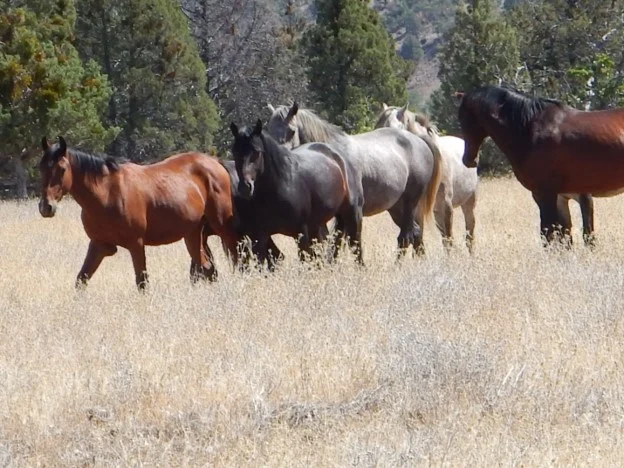
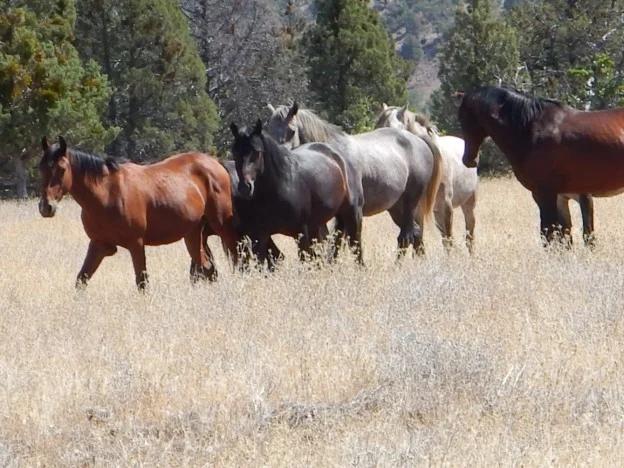
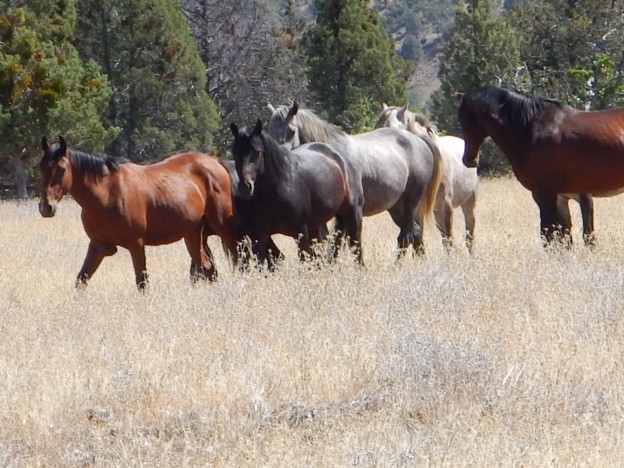
The power of this immersion lies in sensory engagement. The olfactory memory of a pine-scented forest, the auditory experience of eagles communicating from the canopy, the sight of a wild stallion standing guard over his family, or the tactile presence of a crystal mountain stream—these experiences do more than provide recreation. They foster a sense of awe, which is the precursor to compassion. When an individual witnesses the fragility and majesty of an ecosystem, the abstract concept of "environmental conservation" transforms into a personal mandate to protect those resources.
Chronology: The Shift Toward Sustainable Interaction
The evolution of our relationship with the wild has seen several distinct phases:
- The Industrial Separation (19th – 20th Century): As humanity shifted toward urbanization, the wilderness was largely viewed as a resource to be harvested or a barrier to be overcome.
- The Preservationist Awakening (Mid-20th Century): Awareness grew regarding the permanent loss of species and habitats. Conservation became a government-led mandate, often excluding human presence from "untouched" wilderness.
- The Ecotourism Paradigm (Late 20th Century – Present): A realization dawned that excluding humans from nature creates a lack of public investment in conservation. Ecotourism emerged as a strategy to harmonize economic activity with ecological protection, creating a "virtuous cycle" where the value of a living landscape exceeds the value of its extracted resources.
Supporting Data: The Case for Wild Horse Rewilding
One of the most compelling arguments for integrating ecotourism into natural resource management involves the rewilding of American wild horses. The Bureau of Land Management (BLM) currently faces significant financial burdens regarding the management of wild horse populations, often struggling to balance the interests of livestock production with the needs of these animals.
The Economic and Ecological Nexus
Research, including surveys in regions like Moffat County, Colorado, has shown that local economies receive a significant boost from wild horse tourism. By transitioning from a model of removal and captivity to one of managed rewilding, the benefits are three-fold:
- Fiscal Responsibility: Properly managed rewilding programs could potentially save the BLM nearly $100 million annually—funds currently spent on the roundup, transport, and long-term holding of wild equines.
- Economic Stimulation: Ecotourism centered around wild horse observation creates jobs in hospitality, guiding services, and local retail, turning a perceived "cost" into a revenue-generating asset.
- Fire Mitigation: Perhaps the most innovative aspect of this proposal is the role horses play in wildfire prevention. Wild horses, as grazers, naturally reduce the accumulation of dry grass and brush—the primary fuel for catastrophic wildfires. In ecologically sensitive areas, the presence of these animals provides a natural, low-impact fire suppression service.
Official Responses and Policy Implications
The debate surrounding the management of wild horses and the implementation of ecotourism remains complex.
- The Livestock Perspective: Industry representatives often point to the competition for forage between wild horses and cattle. However, proponents of rewilding argue that current land-use policies prioritize commercial extraction over the long-term ecological health of public lands.
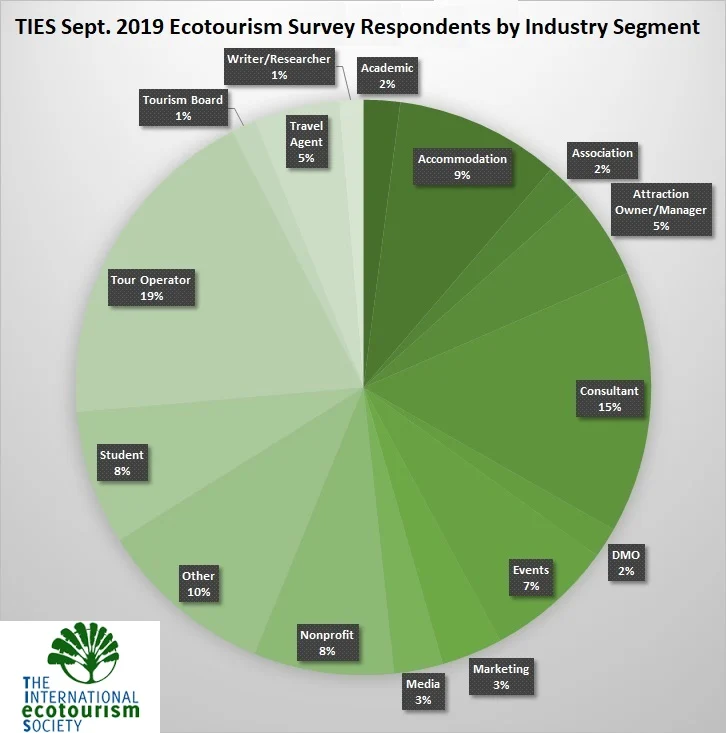
- The Conservationist Perspective: Organizations like The International Ecotourism Society (TIES) advocate for the "Triple Bottom Line": economic viability, social responsibility, and environmental integrity. They argue that if the government shifted its focus from the current, expensive containment strategies to promoting ecotourism-friendly zones, the management costs would effectively subsidize themselves.
The implication is clear: policy must pivot from a reactive, conflict-based approach to a proactive, integrated management strategy. By reclassifying certain wilderness areas as prime ecotourism destinations, the government can leverage public fascination with these animals—a fascination well-documented by the success of countless Hollywood films and nature documentaries—to secure the future of both the landscape and the wildlife.
Implications: The Path Forward
The path toward a more sustainable future is not found in further distancing ourselves from nature, but in fostering a deeper, more intentional relationship with it. Ecotourism serves as the bridge.
Bridging the Abyss of Understanding
We are living in an era where "consumerism" is the default setting for human interaction with the environment. To counter this, we must promote programs that offer more than just a sightseeing tour. We need initiatives that:
- Educate: Provide context on the history and biological importance of the local flora and fauna.
- Empower: Allow tourists to see the direct results of their visit—such as the protection of a herd or the restoration of a trail—thereby incentivizing responsible behavior.
- Integrate: Work with local communities to ensure that the economic benefits of tourism are shared, preventing the "extraction" mentality from simply moving from natural resources to human labor.
The Stewardship Mandate
As William E. Simpson II emphasizes, the ultimate goal of ecotourism is to foster better stewardship. When people understand that their presence in a forest or a range helps protect the very beauty they have traveled to see, the dynamic of the human-nature relationship changes. It moves from one of "us vs. them" to one of "us and them."
The ecological and economic evidence supporting this transition is mounting. From the reduction of wildfire risks to the revitalization of rural economies, the benefits of embracing ecotourism are not just environmental—they are foundational to a healthy, modern society.
Conclusion
As we look toward the future, the integration of intelligent natural resource management and ecotourism represents one of the most promising avenues for conservation. By welcoming the public into the wild, we do not threaten the environment; we create a constituency of defenders.
We must move beyond the documentaries and the textbooks. We must step into the pine forests, listen to the eagles, and observe the stallions in their natural habitat. In doing so, we rediscover not only the wonders of the earth but also the essential, wild parts of ourselves that have been lost to the modern abyss. The preservation of our natural heritage depends on this reconnection, and through ecotourism, we have the tools to make it a reality.
For more information on the intersection of wild horse management, wildfire mitigation, and ecological conservation, visit www.WHFB.us or consult the resources provided by The International Ecotourism Society.