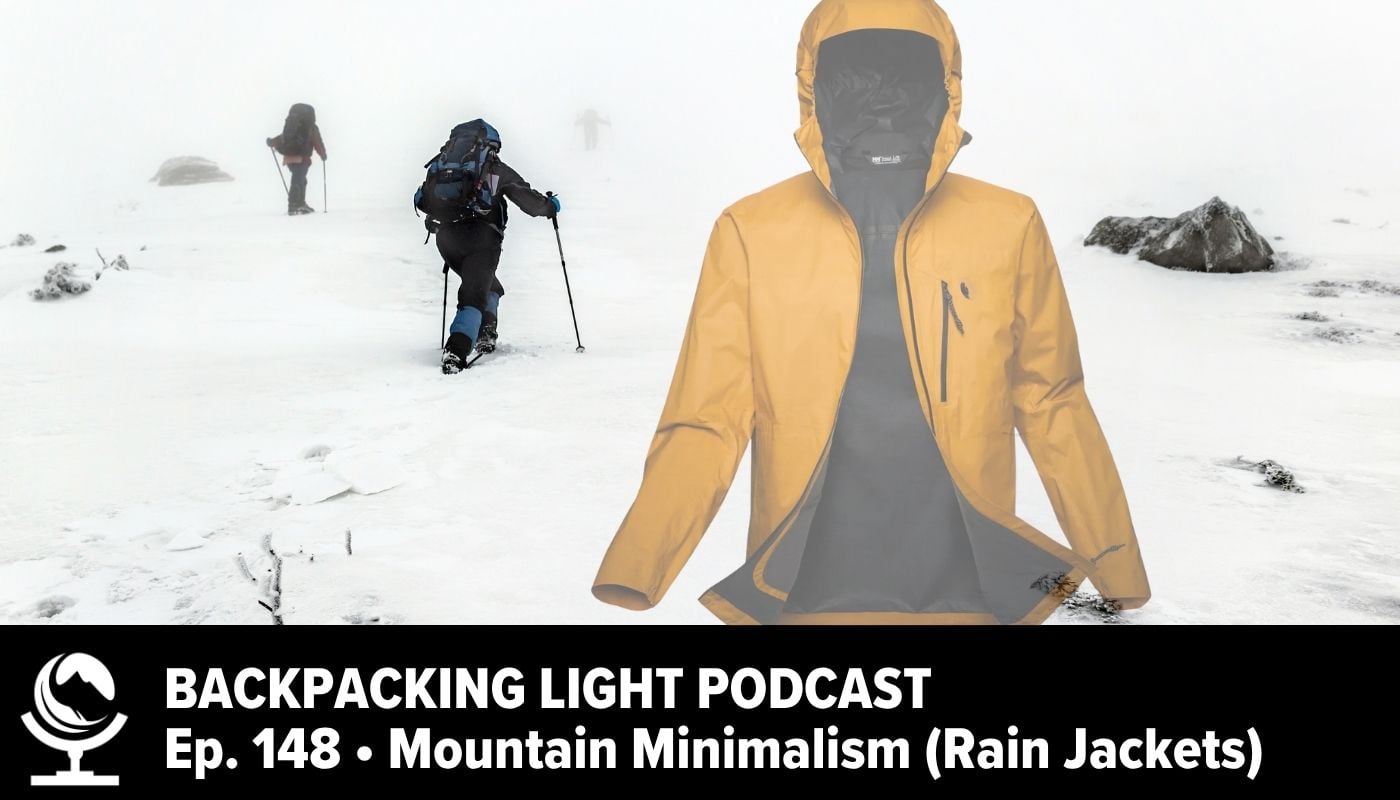
June 15, 2026 — In the pursuit of the "base weight" holy grail, ultralight backpackers often view rain shells as a simple binary: protection versus weight. However, as outdoor enthusiasts push deeper into technical terrain and unpredictable high-alpine environments, that binary is proving insufficient. Backpacking Light’s latest podcast episode, Episode 148: Mountain Minimalism and Rain Jackets, challenges the industry’s obsession with gram-counting, urging hikers to reconsider their gear choices through a more nuanced, risk-based lens.
The Paradigm Shift: Mild Trails vs. Exposed Peaks
For years, the ultralight community has favored "emergency-style" rain shells—often sub-200g jackets designed primarily for mild, low-consequence conditions. While these pieces perform admirably on a humid afternoon in the Appalachian woods, they are fundamentally inadequate when the stakes rise.
The core of the "Mountain Minimalist" philosophy, as discussed in the episode, lies in distinguishing between the trail and the mountain. A trail is an infrastructure; a mountain is an environment. When a user transitions from maintained paths to exposed ridges, the requirement for a rain shell shifts from mere water resistance to survival-grade protection.
A Decision Framework for High-Alpine Gear
To help hikers navigate this complex market, the podcast introduces a structured decision framework. Choosing the right shell is no longer about picking the lightest item; it is about assessing the following six variables:
- Exposure Duration: How long will you be subjected to the elements? A 30-minute afternoon shower requires vastly different gear than a 12-hour slog through a cold, wind-driven storm.
- Retreat Options: How quickly can you reach shelter? In a remote alpine cirque, the jacket is the shelter.
- Terrain: The physical landscape dictates the level of abuse the fabric will take. Scrambling over granite and through brush requires higher denier face fabrics that typical ultralight shells lack.
- Abrasion Resistance: Lightweight materials often sacrifice durability. If a shell tears on a rock face, it loses its primary function: moisture management.
- Wind Resistance: Many ultralight jackets focus on hydrostatic head (waterproofness) while ignoring wind-driven heat loss. In the mountains, the wind is often the greater threat to thermoregulation.
- Thermal Margin: A jacket must provide enough space to layer effectively. A "minimalist" fit that cannot accommodate a mid-layer during a static rest period is a liability.
Spotlight: Industry Leaders in Mountain Minimalism
The episode highlights three specific products that bridge the gap between technical performance and the minimalist ethos. These pieces represent the current standard for "Mountain Minimalism"—jackets that protect without the excessive bulk of traditional mountaineering gear.
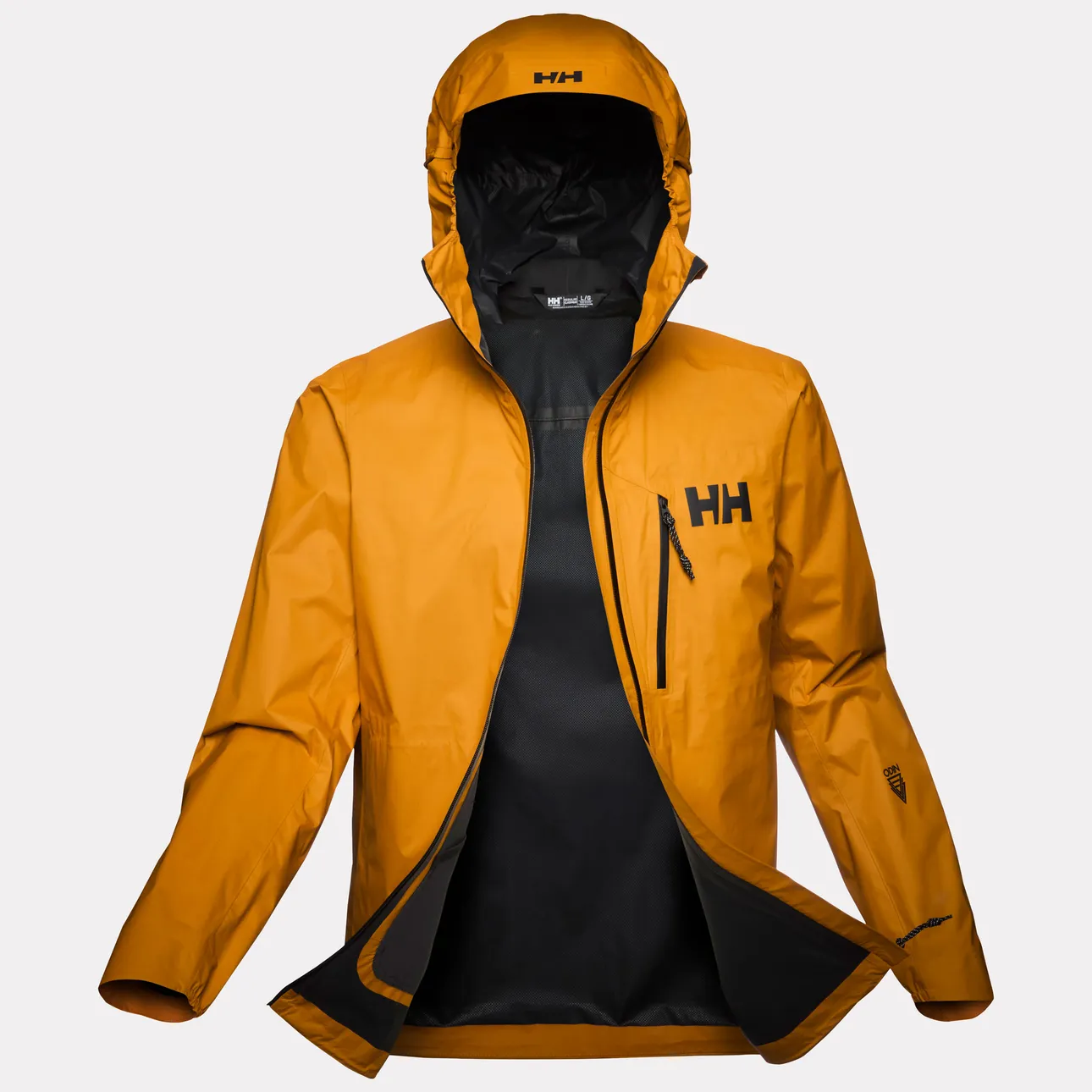
Helly Hansen Odin Infinity Minimalist Jacket
At 250 grams, the Odin Infinity is a masterclass in modern membrane technology. Utilizing Helly Tech Professional and Lifa Infinity construction, it offers 3.5-layer protection. It features a helmet-compatible hood and a RECCO reflector, making it a reliable choice for those who want a professional-grade shell that maintains a relatively low footprint.
Arc’teryx Alpha SL Jacket
Coming in at a trim 232 grams, the Alpha SL is built with GORE-TEX PRO ePE and 20D Hadron face fabric. This jacket is specifically engineered for the alpine minimalist who demands high-tenacity durability. By using a PFAS-free membrane, Arc’teryx has demonstrated that environmental responsibility does not have to come at the cost of technical capability.
Patagonia M10 Anorak
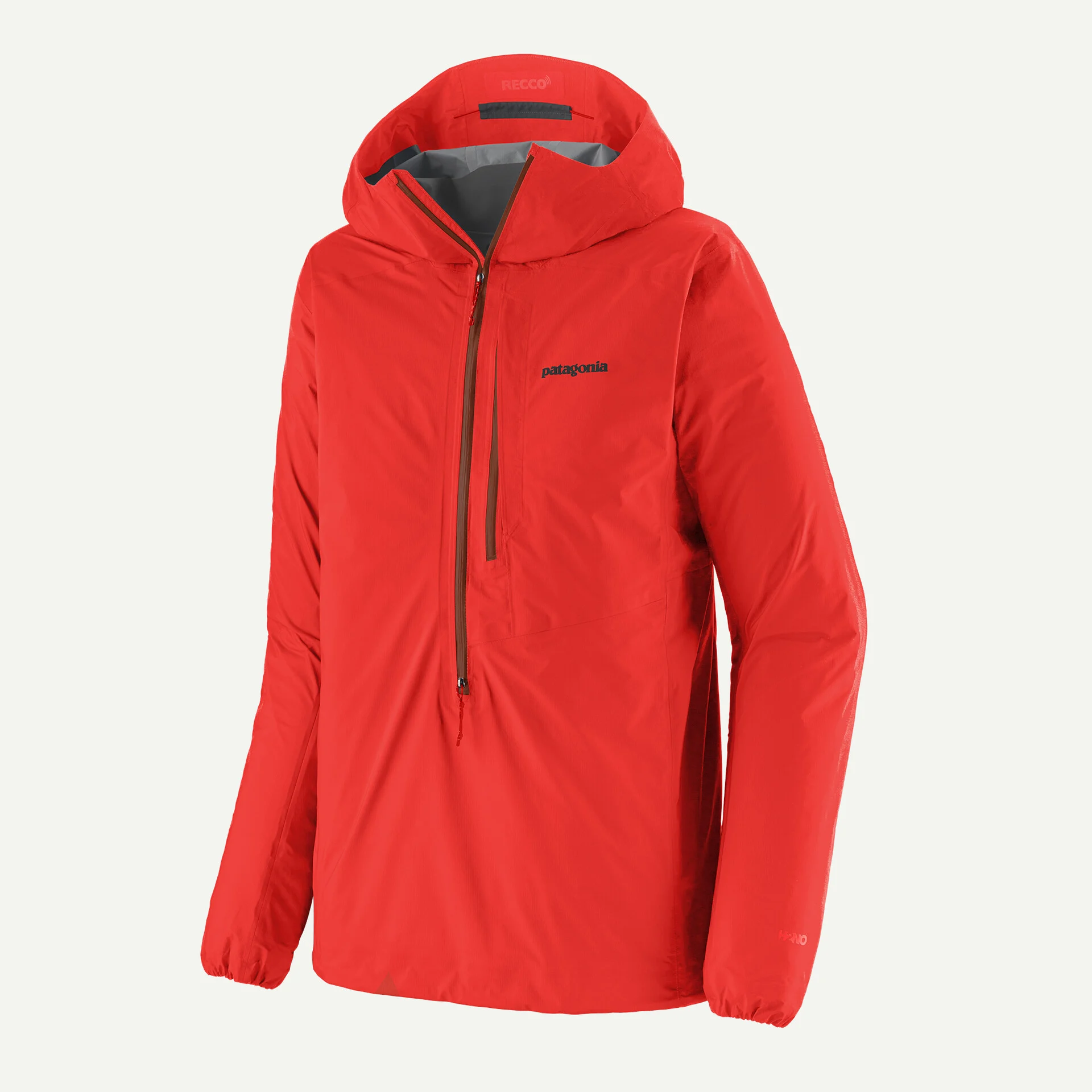
The Patagonia M10 is perhaps the most specialized of the group. At 300 grams, it utilizes an Xpore nanoporous membrane and a 20-denier recycled nylon ripstop. The anorak design is a favorite among minimalist purists who prioritize the weight savings of a partial zipper over the convenience of a full-zip, all while maintaining the necessary coverage for vertical alpine pursuits.
Chronology of the "Mountain Minimalist" Movement
The rise of the mountain minimalist category is not a sudden trend, but rather a response to a decade of shifting demographics in the outdoors.
- 2015–2018: The era of "Ultra-Minimalism." Brands prioritized extreme weight reduction, leading to a market flooded with single-layer, non-breathable, or fragile shells.
- 2019–2022: A period of "Real-World Reckoning." Reports of gear failure in high-alpine environments led to a consumer push for more robust, yet still packable, technical shells.
- 2023–Present: The "Mountain Minimalist" era. Manufacturers have begun integrating high-performance materials (such as 3-layer laminates) into athletic, minimalist silhouettes, satisfying the demand for gear that is both light and bombproof.
Supporting Data: Why Fabric Matters
Technical specifications often confuse consumers, but the data suggests that for high-alpine use, the membrane-to-backer ratio is the critical differentiator. Traditional 2-layer garments—often used in cheaper, lighter rain gear—rely on a separate liner or a flimsy spray-on coating.
Conversely, the shells featured in the recent podcast utilize 3-layer or 3.5-layer construction. These include a waterproof membrane sandwiched between an abrasion-resistant outer face and a protective inner backer. This construction is significantly more durable under the pressure of backpack straps and the mechanical stress of high winds. When exposed to sustained precipitation, the hydrostatic head of these 3-layer systems remains consistent, whereas 2-layer systems often "wet out" once the DWR (Durable Water Repellent) finish degrades.
Official Industry Perspectives
Representatives from the design teams behind these jackets have noted a significant shift in consumer feedback. "Our users are no longer asking for the lightest possible jacket," says an industry insider. "They are asking for the most reliable jacket that doesn’t feel like a heavy canvas tarp. They want to move fast, but they want to be safe when the weather turns."
This sentiment underscores a broader shift in the outdoor industry toward "responsible minimalism." It is no longer about having the lightest pack; it is about having the most efficient pack—a kit where every item earns its place through versatility and absolute dependability.
Implications for the Future of Gear
The emergence of the Mountain Minimalist category suggests that the "ultralight" movement is maturing. As hikers move beyond groomed trails and into more technical landscapes, the gear industry must continue to innovate with materials that are simultaneously lighter and more resilient.
For the average consumer, the implication is clear: Context matters. Before selecting a shell, hikers should critically analyze their intended route. If the itinerary includes exposed ridgelines, multi-day exposure, or lack of immediate exit routes, the "ultralight" emergency shell should be left at home in favor of a true mountain minimalist piece.

The goal of the modern hiker should be to "Pack less, be more." However, being "more" requires a foundation of competence and equipment that can withstand the worst the mountain has to offer. By moving away from the narrow focus on weight and toward a focus on systemic reliability, the outdoor community can continue to push boundaries while ensuring the safety of its participants.
As we look toward the remainder of the 2026 season, expect to see more innovation in the 200–300 gram range—a "sweet spot" where protection and performance finally meet. Whether you are a weekend warrior or a seasoned alpine explorer, the lesson remains: choose the gear that fits the environment, not just the scale.
For those interested in a deeper dive into these topics, including technical gear reviews, advanced skills tutorials, and community-driven field reports, consider becoming a Backpacking Light member. Access to our comprehensive forum and 2,300+ articles provides the resources necessary to transition from a casual hiker to a true mountain professional.