By [Author Name/News Desk]
In the relentless tempo of the 21st century, modern society has constructed a digital and urban cocoon that increasingly isolates the human experience from the rhythms of the natural world. As we navigate a landscape dominated by convenience and relentless consumerism, the divide between humanity and the environment has widened into a profound chasm of misunderstanding.
William E. Simpson II, a noted naturalist, author, and conservationist, posits that this disassociation is not merely a lifestyle shift, but a crisis of stewardship. "In today’s busy world with all of its demands on the people living in the modern society that has evolved, it’s not a stretch to suggest that mankind has grown apart from its roots in nature," Simpson observes. While documentaries and digital media provide glimpses into the wild, experts argue that true environmental literacy—and the compassion that follows—requires a more visceral, tactile engagement. This is where ecotourism emerges not as a luxury, but as a critical infrastructure for the future of our planet.
Main Facts: The Essence of Ecotourism
At its core, ecotourism is defined by responsible travel to natural areas that conserves the environment, sustains the well-being of the local people, and involves interpretation and education. Unlike traditional tourism, which often treats the environment as a passive backdrop, ecotourism is an active, immersive dialogue.
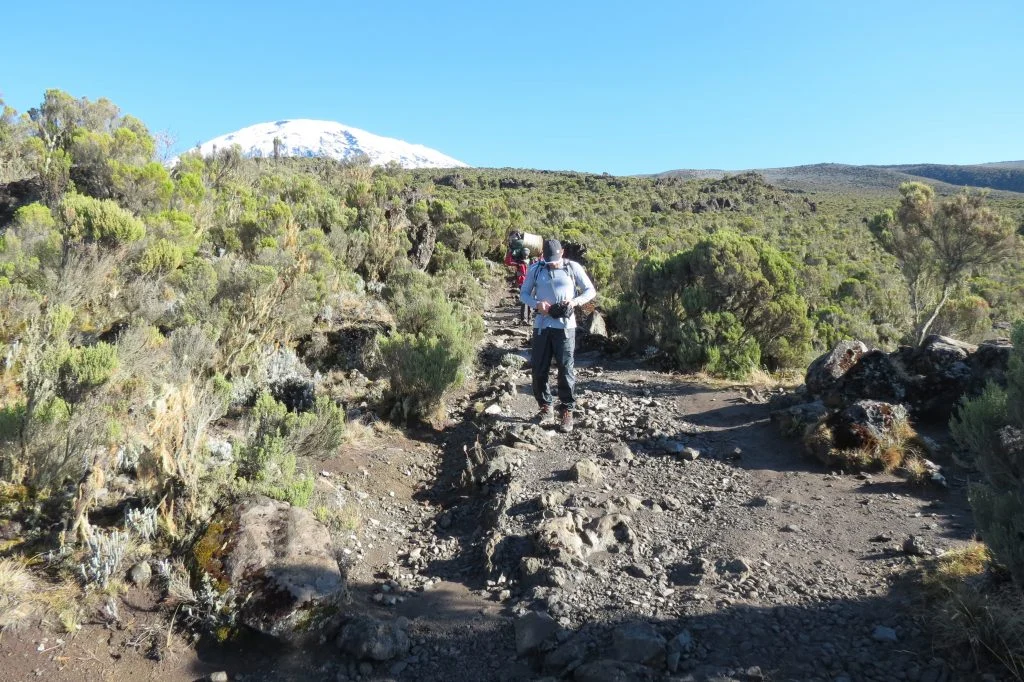
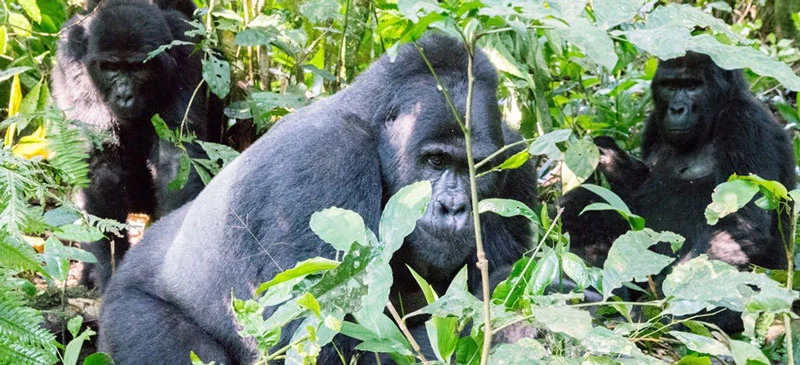
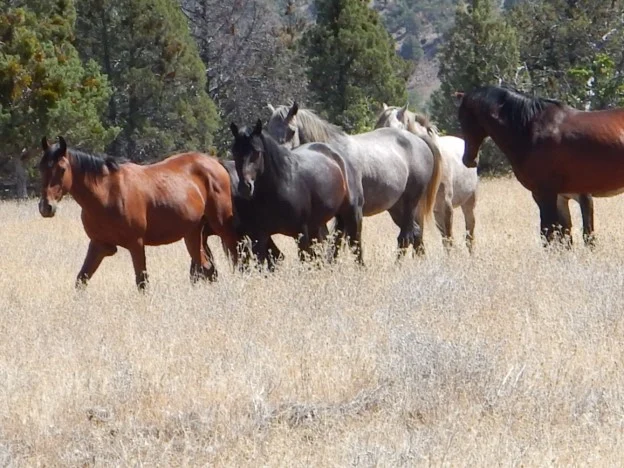
The sensory experience—the sharp, clean scent of a pine forest, the resonant cry of eagles circling a canyon, the thunderous grace of a wild stallion, and the rhythmic percussion of a mountain stream—acts as an educational catalyst. This sensory engagement is the bedrock upon which genuine environmental empathy is built. When individuals witness the interconnectedness of these systems firsthand, the abstract concept of "conservation" transforms into a personal commitment to stewardship.
Chronology: The Evolution of Man’s Relationship with the Wild
To understand the current state of ecotourism, one must look at the historical arc of human-nature interactions:
- Pre-Industrial Era: Humanity existed in a state of direct, daily reliance on the natural world. Survival necessitated a deep, functional knowledge of ecological patterns.
- The Industrial Shift (19th–20th Century): The migration to urban centers began the process of "de-wilding" the human experience. Nature became a resource to be extracted rather than a home to be inhabited.
- The Rise of Media-Based Nature (1980s–2010s): As physical access to wilderness declined, society relied on high-definition documentaries to fill the void. While these films raised awareness, they inadvertently created a "screen-based" understanding of ecology that lacked the physical reality of the field.
- The Modern Ecotourism Movement (2010s–Present): Recognition has grown that intentional, low-impact immersion is necessary to combat the ecological apathy born of urban insulation. Organizations like The International Ecotourism Society have transitioned from niche advocacy to essential industry guidance, highlighting the economic and ecological necessity of protected, experiential travel.
Supporting Data: Economic and Ecological Viability
The argument for ecotourism is bolstered by hard data regarding the economic potential of "rewilding" and conservation.
The Wild Horse Case Study
A prime example of integrating resource management with tourism lies in the management of America’s wild horses. Currently, the Bureau of Land Management (BLM) faces staggering annual costs exceeding $100 million to hold wild horses in captivity.
Research, such as that conducted in Moffat County, Colorado, has shown that wild horse populations, when managed sustainably in their natural habitats, act as economic drivers. By transitioning from a model of costly containment to one of natural grazing, we achieve three specific benefits:
- Economic Efficiency: Drastic reduction in federal spending on long-term holding facilities.
- Revenue Generation: Increased local and regional tourism revenue from those seeking to experience these iconic animals in their natural settings.
- Fire Mitigation: Wild horses play a crucial role in reducing the biomass of grass and brush. In an era of catastrophic wildfire, this natural, low-intensity grazing acts as a biological firebreak, protecting sensitive ecosystems from the ravages of climate-driven infernos.
Official Responses and Expert Perspectives
The consensus among conservationists is that "passive preservation"—simply cordoning off land without human interaction—is increasingly failing to capture the public imagination or secure the funding necessary for protection.
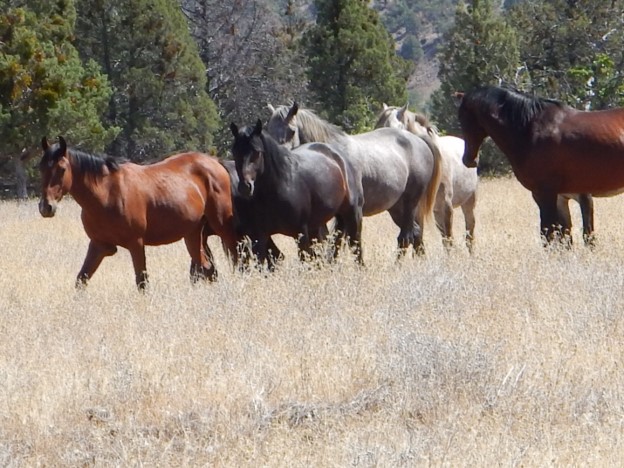
"There is no substitute for ecotourism programs that uniquely provide actual immersion into nature and the experience of the wonders that exist therein, first hand," Simpson asserts. His work, alongside broader initiatives championed by the global ecotourism community, highlights a paradigm shift: conservation is no longer about keeping people out, but about bringing people in, provided they arrive as educated observers rather than consumers.
Governmental bodies and private enterprises are beginning to view ecotourism as a viable "green" industry. By rewilding areas that are currently in conflict with traditional livestock production, policy makers are finding that they can turn ecological "liabilities" into sustainable tourism assets.
Implications: The Path Toward Stewardship
The implications of embracing a robust ecotourism model are far-reaching. If we continue to allow our understanding of nature to be mediated exclusively through screens, we risk losing the political and social will to protect the very environments that sustain us.
Compassion Through Connection
Compassion is not an abstract intellectual exercise; it is an emotional response to an experience. When a traveler observes the complex social dynamics of a stallion standing guard over his family, or the intricate cycle of a mountain watershed, they develop a sense of responsibility. This, in turn, creates a more informed citizenry capable of voting for and supporting policies that favor long-term ecological health over short-term resource exploitation.
The Stewardship Requirement
Ecotourism serves as the bridge between "consumer" and "steward." By fostering a deeper, more intimate relationship with the land, we shift the burden of conservation from the few to the many. As society becomes more aware of the delicate balance within the wild, the demand for sustainable practices—not just in tourism, but in agriculture, energy, and urban development—will inevitably grow.
Conclusion: A Call to Action
The future of our planet depends on our ability to integrate humanity back into the natural world. Ecotourism is not merely a method of vacationing; it is a pedagogical tool that re-orients the human perspective. As we face the challenges of climate change, resource scarcity, and the ongoing loss of biodiversity, the role of the naturalist and the ecotourist has never been more vital.
Through initiatives like those proposed by William E. Simpson II—focusing on appropriate rewilding and the responsible integration of native species into our wilderness—we can create a template for the future. By moving toward a model where nature is valued not just for its materials, but for its existence and our shared connection to it, we pave the way for a more compassionate and resilient world.
For those looking to engage with the natural world responsibly, the resources provided by the International Ecotourism Society offer a blueprint for ethical exploration. The journey back to our roots begins with a single step into the wild—not to conquer, but to understand.
For further insights on the intersection of wild horse management, wildfire prevention, and ecological stewardship, visit www.WHFB.us.