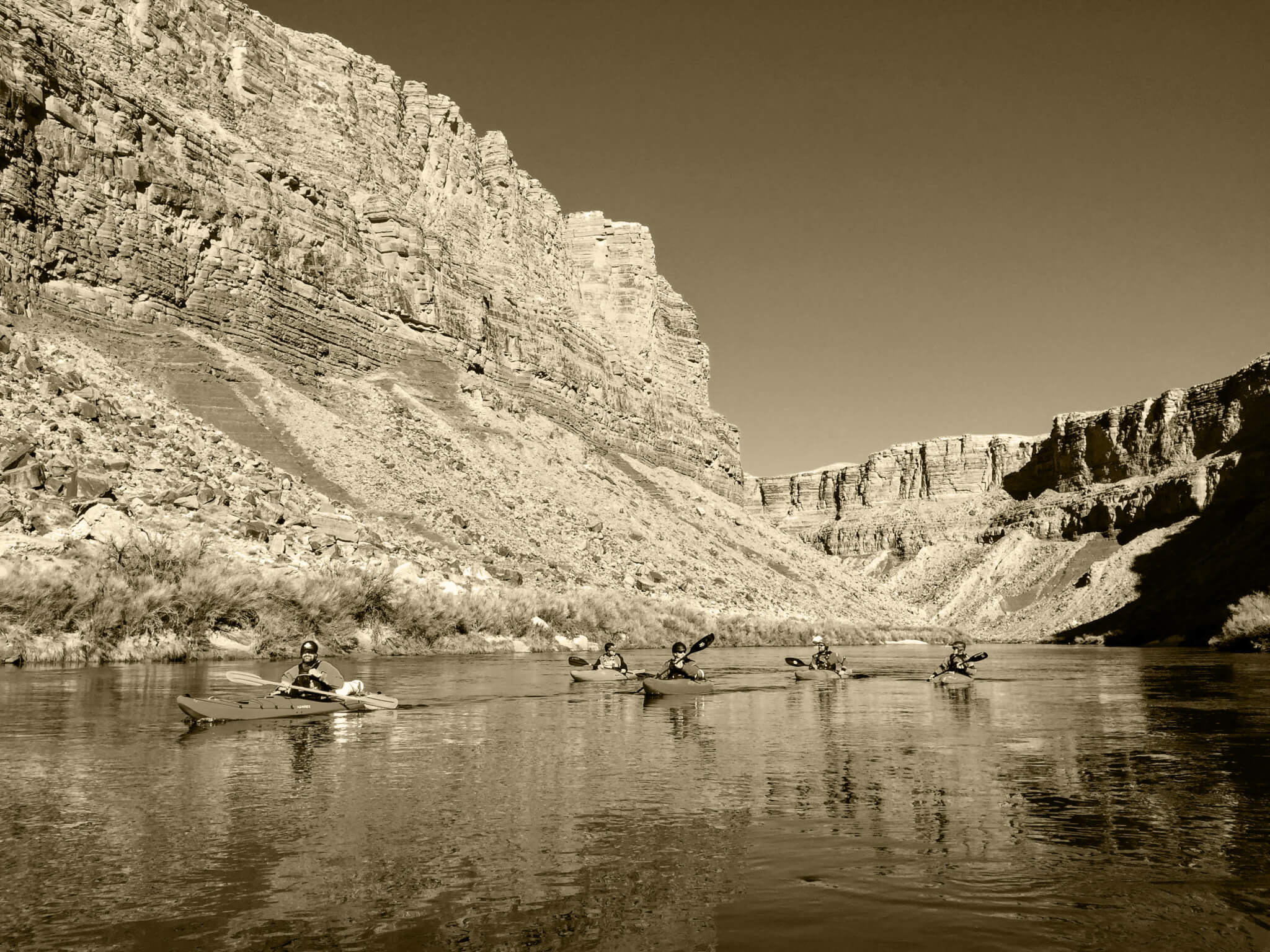
On January 26, a team of four elite instructors from Whitewater Rescue Institute (WRI)—Paul Heffernan, Matt O’Reilly, Frank Preston, and Cody Harris—embarked on an ambitious 10-day self-supported kayaking expedition through the heart of the Grand Canyon. What began as a logistical challenge involving ten paddlers evolved into a profound exploration of human endurance, wilderness management, and the shifting geography of the Colorado River.
Following the expedition, a series of handwritten letters and candid photographs were discovered tucked away in the depths of a gear bag. Authored by a crew member who chose to remain anonymous—referring to themselves only as “Little Spoon”—these documents provide an intimate, day-by-day account of life on the river. The insights gleaned from these pages offer a masterclass in self-support logistics, shedding light on the complexities of camping, paddling, and navigating one of the world’s most formidable river corridors.
The Logistics of Self-Support
At the heart of this expedition was a commitment to total autonomy. Unlike commercial trips that rely on large rafts to carry heavy equipment, each of the ten paddlers was required to manage their own food, kitchen setup, and camping gear.
The logistical burden was immense. Each kayak was loaded with roughly 175 to 200 pounds of equipment, rendering the craft notoriously difficult to maneuver. As the paddlers launched from Lees Ferry, the weight caused an initial period of instability, with the boats described as responding “about as well as a hungry burro in sight of a barn.” However, by prioritizing individual accountability, the group ensured that even if a single paddler became separated, they possessed the necessary tools to survive and thrive independently.

Chronology of the Descent
Days 1–3: The Roaring Twenties and the Inner Gorge
The expedition launched under clear, bluebird skies with temperatures hovering around 70 degrees—a rare gift for mid-winter. The first day saw the group navigate 21 miles, including the notorious House Rock Rapid. Despite the loss of a GoPro and a single swimmer, the group maintained momentum.
As the team moved into the "Roaring Twenties," they were treated to some of the canyon’s most spectacular geological features, including the Red Wall Cavern and Shinumo Wash. By day three, the psychological weight of the canyon began to manifest. The walls rose to staggering heights, prompting a shift in the paddlers’ mindset toward humility. Here, the team noted the importance of gear selection; those who relied on inflatable sleeping pads faced significant challenges, eventually resorting to sleeping on spare clothing when the pads developed leaks.

Days 4–6: The Crucible of Granite
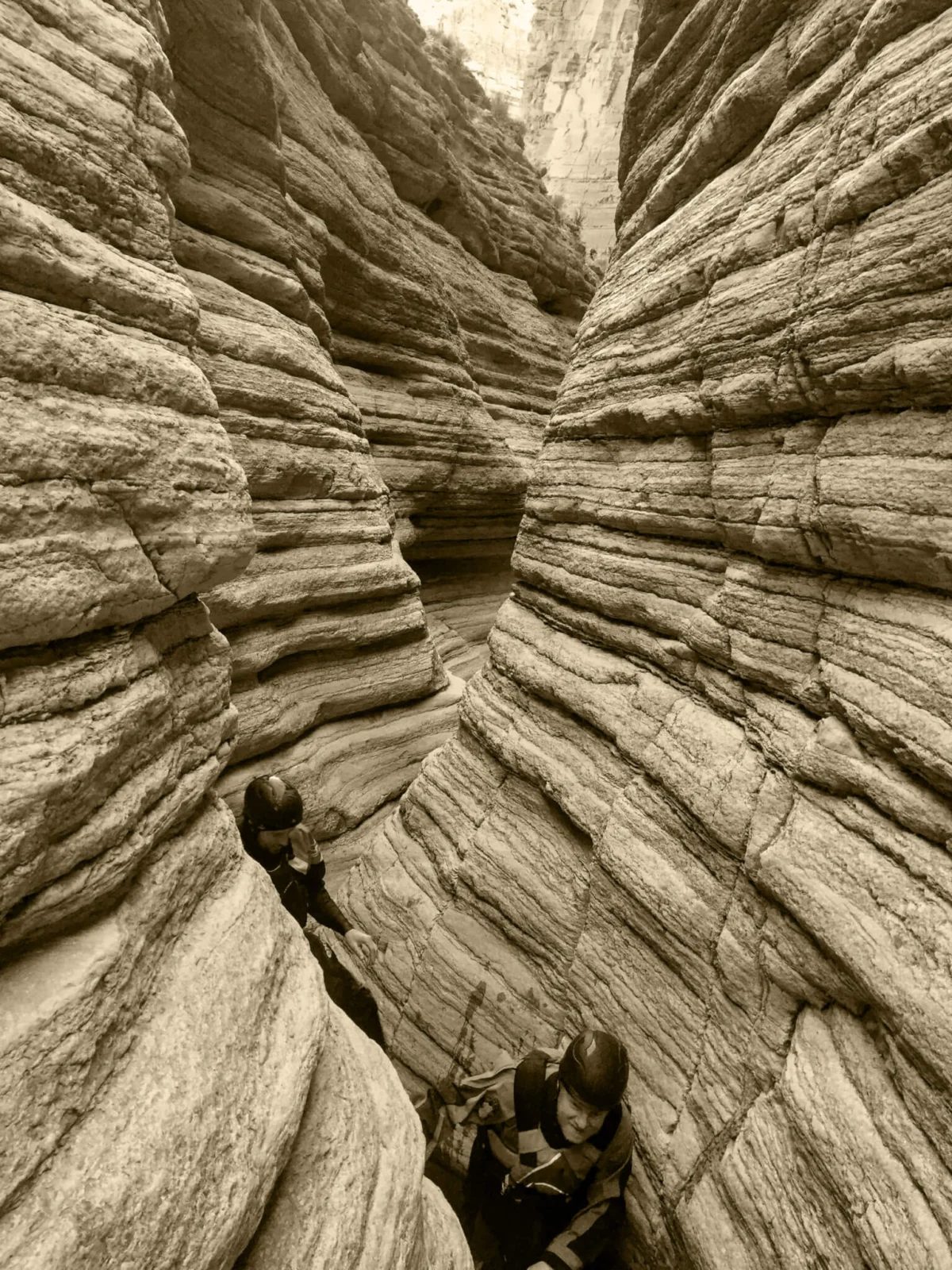
Entering the inner gorge marked a transition into more volatile terrain. The river narrowed, and the schist and granite layers rose to meet the paddlers. The team successfully navigated Hance, Sockdolager, Horn Creek, and Crystal rapids.
Little Spoon’s letters highlight the role of leadership in these high-stakes moments. While some team members opted to skirt the “meat” of the rapids to ensure safety, the expedition leader consistently charged the largest features. This contrast in strategy served as a vital learning experience for the group, emphasizing the balance between calculated risk and technical prowess. During this stretch, the group visited historical touchstones like Phantom Ranch, Elves Chasm, and Blacktail Canyon, with the scenery often described as “too grand to describe.”

Days 7–10: Endurance and the Legacy of Powell
As the expedition progressed, the physical toll became evident. Day 7 was the most grueling, with the group covering 34 miles—the longest stretch of the trip. The team successfully ran Lava Falls, a major milestone for any river runner.
By day nine, the group reached Separation Canyon, a site of immense historical weight. It was here, in 1869, that three members of John Wesley Powell’s expedition chose to abandon the river, fearing the rapids ahead more than the prospect of wandering the wilderness. Reflecting on this, Little Spoon noted that the modern river is fundamentally different; the rapids that once terrified the Powell party have been drowned by the rising waters of Lake Mead, creating a paradox of “domesticated” wilderness.

The final leg to Pearce Ferry served as a somber conclusion. The 40-mile float through the silt-heavy, reservoir-affected water forced a reflection on the human impact on the Colorado River. As the team emerged from the canyon into the open plains, the realization hit: the river, despite the concrete constraints of modern dams, continues to carve its path, asserting its permanence against human engineering.
Supporting Data: The Art of the Self-Support
The letters provide valuable data for future paddlers looking to undertake similar expeditions:

- Water Management: In the upper stretches, the group utilized natural springs and tributaries, carrying approximately 4 liters of water.
- Waste Management: A critical aspect of Grand Canyon travel is the "groover" (the portable toilet system). The group utilized 16-inch PVC pipes. The shift from fresh, bulky foods to freeze-dried meals was identified as a key strategy for reducing weight and waste output over the 10-day period.
- Weather Resilience: Despite the mid-winter timeframe, the group experienced mostly temperate weather. However, the final days brought rain and wind, testing the efficacy of their minimalist tent setups.
Official Perspectives on Canyon Stewardship
While the WRI instructors maintained a focus on personal challenge, their journey underscores a larger conversation within the whitewater community regarding the stewardship of the Grand Canyon. The National Park Service (NPS) emphasizes that self-supported trips require a high level of technical competency and Leave No Trace (LNT) proficiency.
The WRI team’s adherence to these standards—specifically in the management of human waste and the preservation of archaeological sites—serves as an example of responsible backcountry travel. By choosing to carry their own gear, the team reduced their footprint and increased their engagement with the canyon’s fragile ecosystem.

Implications for the Future of River Travel
The WRI expedition acts as a case study for the evolving nature of river exploration. As climate change continues to impact water levels and sediment deposition, the "wild" nature of the Colorado River is in constant flux.
- The "Rebirth" of the River: The team observed that the current drought has caused Lake Mead to recede, effectively “reclaiming” parts of the riverbed. This suggests that even in areas heavily modified by dams, the river is constantly fighting to restore its original morphology.
- The Importance of Mentorship: Little Spoon’s recurring mentions of the trip leader’s influence highlight that successful river travel is as much about psychological fortitude and mentorship as it is about physical strength.
- The Ethics of Accessibility: The anonymous author’s reflection at Separation Canyon serves as a warning and an inspiration. The decision to "hike out" is a valid consideration for any paddler, and understanding one’s limits is the hallmark of a true expert.
As the WRI instructors returned to civilization, their experience remains a testament to the enduring power of the Grand Canyon. Whether through the lens of a historical expedition or a modern-day kayak trip, the Colorado River continues to teach the same lesson: we are merely temporary visitors, and the river will carry on, undaunted, long after our concrete dreams have faded.