In the high-stakes environment of inland oil spill response, the transition from initial containment to site remediation is often defined by one critical, frequently underestimated factor: personnel and equipment decontamination. As organizations like Inland Oil Spill Response (OSR) continue to refine their operational protocols, the industry is shifting toward a more proactive, assertive approach to maintaining safety zones and neutralizing toxic threats in fast-moving water environments.
This article explores the technical nuances of decontamination, the importance of rigid work-zone enforcement, and the strategic implications for agencies operating in the volatile context of riverine oil spills.
The Strategic Importance of Work Zone Management
The foundation of any successful spill response lies in the establishment of clear, enforceable work zones. Without these, the risk of cross-contamination—where responders carry hazardous materials from the impact site into safe areas—increases exponentially.
According to guidelines set forth by professional response entities, the spill site must be delineated into three distinct tiers:
- Exclusion Zone (Hot Zone): The area of primary contamination where oil is actively present. Only personnel with the required personal protective equipment (PPE) and specific training are permitted to enter.
- Contamination Reduction Zone (CRZ/Warm Zone): The buffer area where decontamination procedures take place. This is the transition point between the dangerous hot zone and the clean support zone.
- Support Zone (Cold Zone): The clean area where equipment staging, command posts, and medical support are located.
Responders must be proactive in creating a site map that clearly defines these boundaries in relation to topographical features. In fastwater scenarios, these zones are dynamic; as the slick moves downstream or weather conditions change, the map must be updated, and these changes must be communicated instantly to every team member on the ground.
Chronology of an Effective Decontamination Protocol
Decontamination is not a single act but a multi-stage process that must be meticulously followed to ensure the safety of responders and the protection of the surrounding environment. When personnel exit the Exclusion Zone, they must undergo a standardized sequence of cleaning to ensure that no hydrocarbons are tracked back into the clean zone.
Phase 1: Gross Contamination Removal
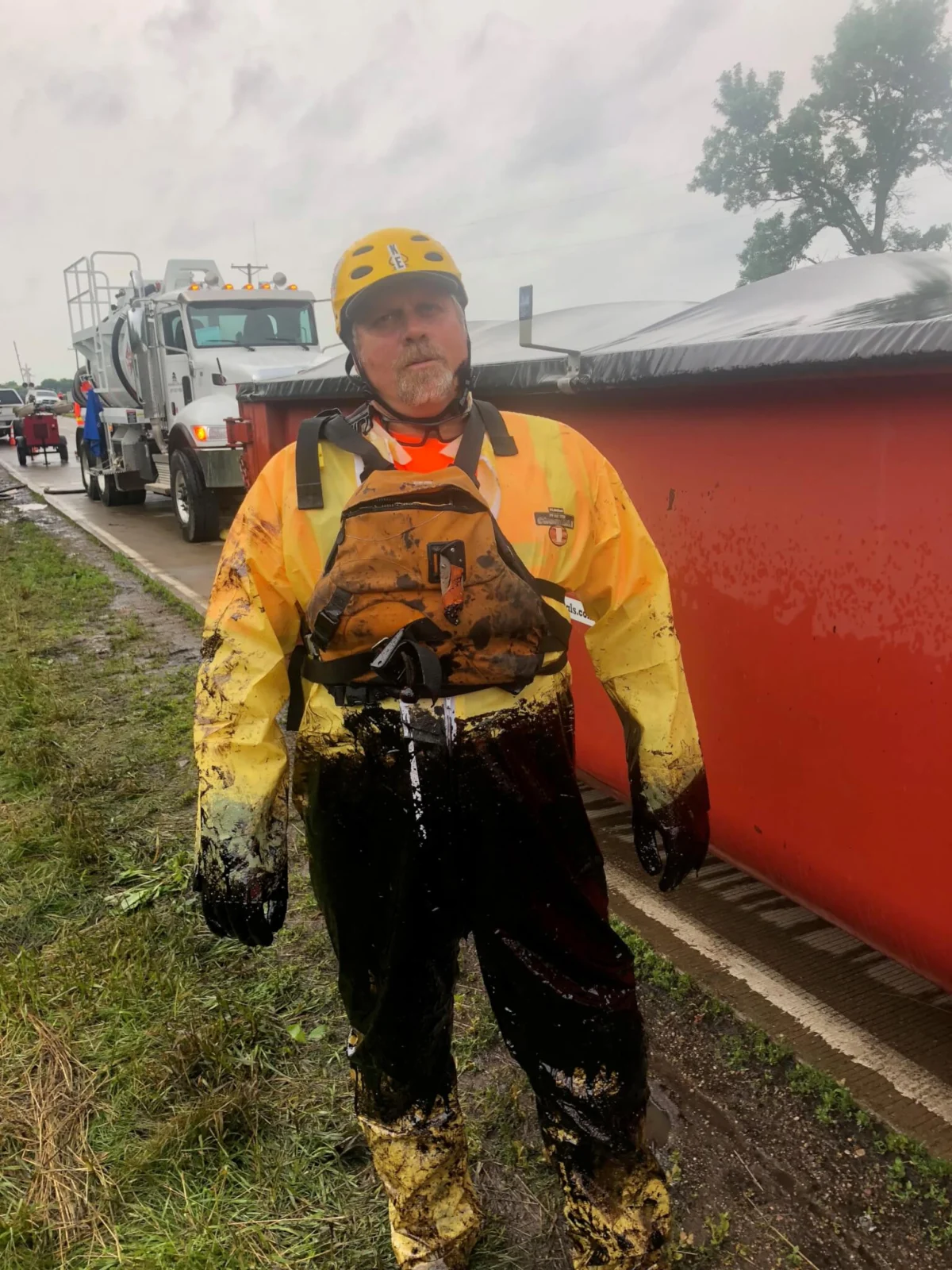
At the initial station, the priority is the removal of the bulk of the contaminant. This is often achieved through physical scrubbing of outer garments and boots. The goal here is not to "clean" the gear, but to knock off heavy deposits of oil that could compromise the integrity of the next stages.
Phase 2: Outer Gear Removal and Sanitization
Once the gross contamination is removed, responders proceed to the second station. Here, outer garments and gloves are removed and placed immediately into properly labeled, sealed containers for hazardous waste disposal. Once the outer layer is shed, the responder cleans their hard hats and boots using an aqueous detergent solution. These items are then transported to the final stage, rather than being discarded, provided they are effectively neutralized.
Phase 3: Final Hygiene and Sanitization
The final station within the CRZ is focused on the responder’s personal health. Personnel are required to thoroughly wash their hands and face. Furthermore, if respirators were utilized, they must be sanitized, inspected, and stored in clean, sealed plastic bags. This ensures that the responder is not breathing in residual vapors during their time in the Cold Zone.
Supporting Data: Why PPE Integrity Matters
The choice of protective equipment dictates the complexity of the decontamination process. Responders typically utilize Modified Level D or Level C equipment, depending on the volatility of the oil and the duration of exposure.
Data from recent inland spills suggest that PPE failure is rarely due to the material itself, but rather the failure of the decontamination process. When gear is not cleaned properly, or when "clean" zones are established too close to the source, the rate of inhalation exposure and skin contact incidents rises.
Furthermore, the management of the "rinsate"—the water used to wash contaminated gear—is a significant logistical challenge. This water must be collected and treated as hazardous waste. Organizations that fail to account for the storage and disposal of this secondary waste stream often find themselves facing regulatory fines and significant environmental liability, even if the primary spill is successfully contained.

Official Responses and Industry Standards
Professional agencies are moving toward a "decon-first" mindset. The consensus among safety officers is that if you cannot demonstrate that your decontamination line is fully functional, you should not authorize entry into the hot zone.
Equipment Decontamination Protocols
Vehicles and heavy machinery require a different class of intervention. Any vehicle that has entered the Exclusion Zone is effectively a "contaminated asset." Before it can be released to the Cold Zone, it must be processed at a dedicated decontamination pad.
For light contamination, a simple rinse of the tires and wheel wells may suffice. However, in cases of significant fouling, steam cleaning or high-pressure washing is mandated. These processes are not merely for appearance; they are essential for the mechanical longevity of the equipment and the prevention of long-term environmental degradation.
The Role of Single-Use Gear
Industry leaders are increasingly emphasizing the use of single-use, disposable protective clothing. While this increases the volume of waste generated at the site, it drastically simplifies the decontamination process. By eliminating the need to wash and re-use suits, organizations reduce the risk of incomplete decontamination and protect their staff from potential dermal absorption of toxic chemicals.
Implications for Future Response Operations
The landscape of inland spill response is becoming increasingly complex. As regulatory oversight tightens and the public demands higher standards of environmental stewardship, the decontamination process will continue to evolve.
Integration of Technology
We are seeing the early adoption of rapid-deployment decontamination trailers that can be established in minutes. These units provide integrated wash stations, misting systems, and water collection reservoirs, allowing for a more standardized approach regardless of the remote nature of the spill site.
Training and Culture
Perhaps the most significant implication is the need for a cultural shift in the response community. Decontamination is often viewed as the "boring" part of the job—the clean-up after the excitement of containment. However, the most effective teams treat the decontamination line with the same level of discipline and professional pride as the response efforts themselves.
Training programs must now include rigorous simulations of decontamination scenarios. Responders need to know not only how to deploy a boom or use a skimmer but also how to maintain a sterile line of communication and hygiene in the middle of a muddy, oil-slicked riverbank.
Environmental Stewardship
Finally, the implications for the environment are clear. By preventing the spread of contaminants, we protect the biodiversity of our inland waterways. A poorly managed decontamination site is a secondary spill waiting to happen. Therefore, the implementation of these protocols is a moral and ethical obligation for every organization operating in this space.
Conclusion
Fastwater oil spill response is a dangerous, fast-paced, and technically demanding discipline. The notes provided by Inland Oil Spill Response serve as a stark reminder that while the focus is often on the containment of the spill, the management of the response itself—specifically regarding decontamination—is what ultimately determines the success of the mission.
By adhering to strict work-zone delineations, following a precise chronological decontamination process, and investing in the right equipment and training, agencies can minimize risks to their personnel and the environment. In the end, a successful response is not just about the oil that is recovered; it is about the responders who return home safely and the ecosystems that remain unburdened by the secondary effects of the response itself.
The future of the industry lies in this kind of rigorous, process-oriented professionalism. As we look toward the next generation of spill response technology, we must never lose sight of the human and procedural fundamentals that keep the waters clean and the responders safe.