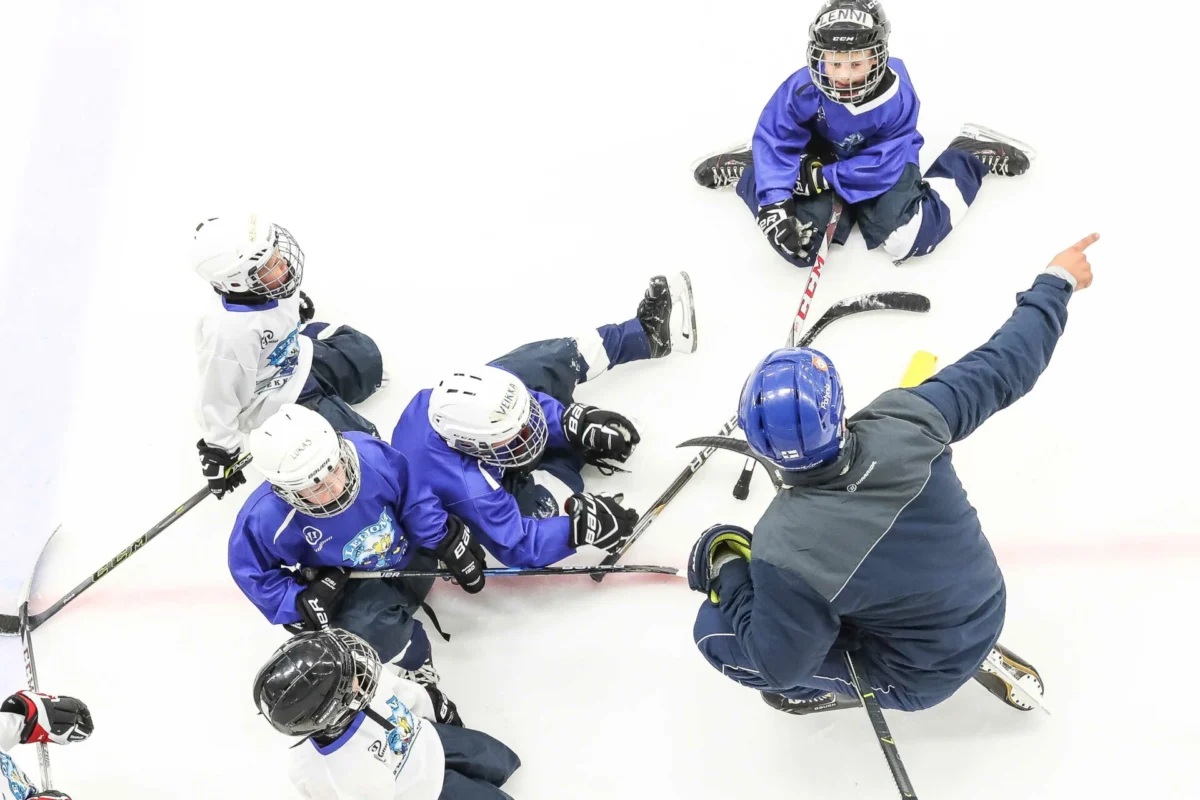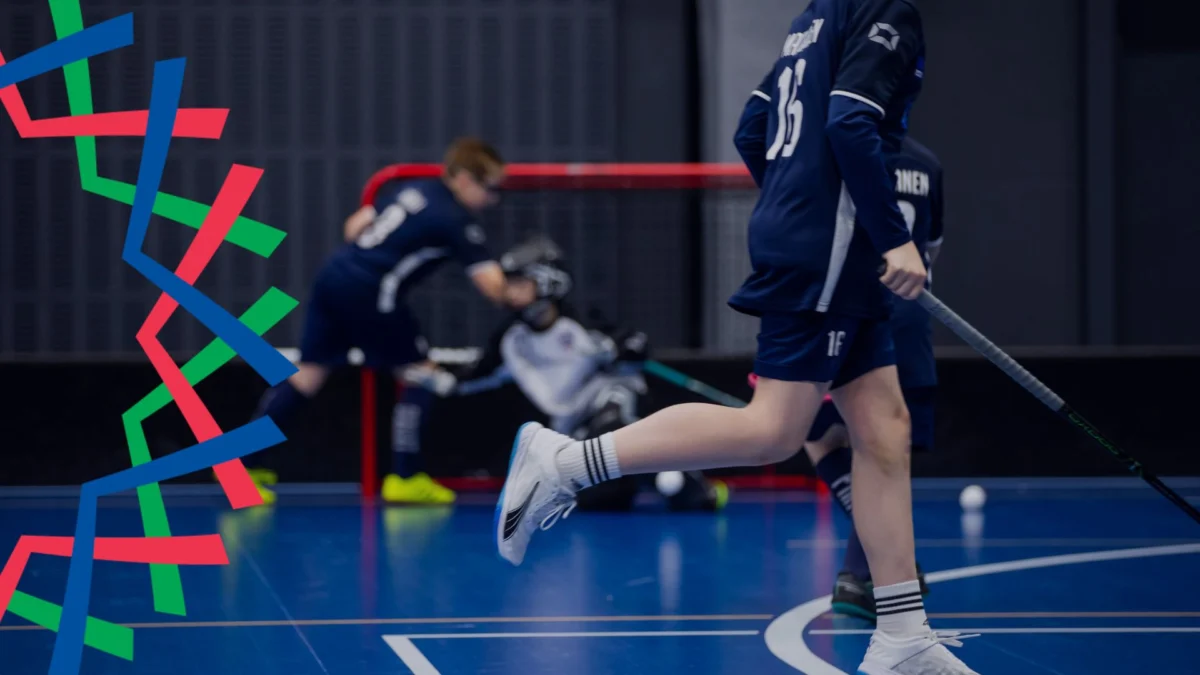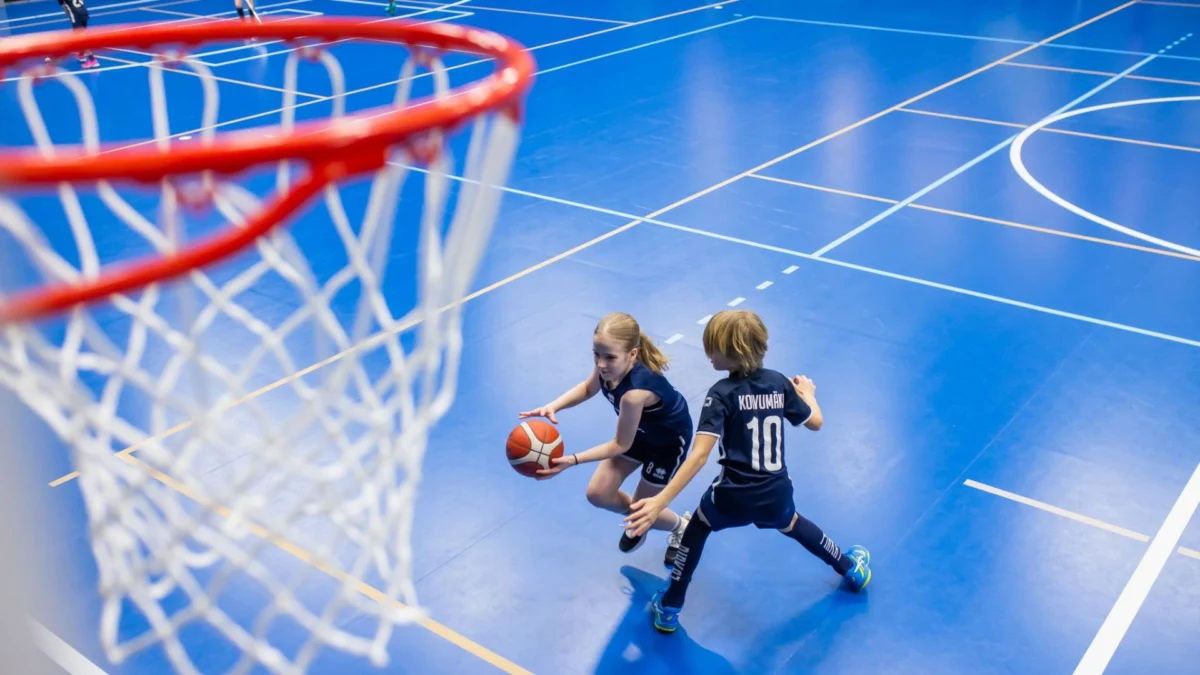
Finland’s extensive network of sports facilities—the backbone of the nation’s physical activity culture—is currently facing a critical turning point. With a staggering billion-euro maintenance backlog and a shifting regulatory landscape, the Finnish Olympic Committee has officially launched the "EU-Buusti" project. Supported by a grant from the Ministry of Education and Culture, this initiative aims to audit the national state of sports infrastructure, foster cross-sector collaboration, and pave the way for future EU-funded development programs.
Main Facts: Addressing a Billion-Euro Challenge
The EU-Buusti project is a strategic response to the aging infrastructure that supports Finnish public health. Much of the country’s sports architecture, including indoor ice rinks, swimming halls, and multi-purpose gymnasiums, was constructed several decades ago and is now reaching the end of its functional lifecycle.
The primary objectives of the initiative are threefold:
- Consolidation of Data: Creating a comprehensive, national situational picture of the current state of all sports facilities.
- Policy Alignment: Integrating local sports development with broader EU goals, specifically regarding energy efficiency, carbon neutrality, and circular economy principles.
- Strategic Advocacy: Positioning Finnish sports infrastructure as a priority for upcoming EU funding cycles and national policy planning.
Seriina Posio, recently appointed as the project’s lead specialist, emphasizes that the scale of the challenge is not merely about renovation, but about modernization in a changing climate. "The repair backlog is estimated at approximately one billion euros," Posio notes. "We are not just talking about fixing roofs; we are talking about bringing facilities up to modern energy and accessibility standards."
Chronology: The Road to 2027
The EU-Buusti project is designed as a focused, time-bound intervention. Its timeline is intentionally synchronized with both national political cycles and European funding planning.
- August 2026: Official commencement of the EU-Buusti project under the guidance of the Finnish Olympic Committee.
- Late 2026 – Early 2027: Execution phase involving thematic workshops. These sessions are designed to engage municipal planners, private contractors, sports associations, and policymakers to identify regional needs.
- Spring 2027: The Finnish parliamentary elections. The project aims to have a robust, evidence-based policy document ready for the next government to ensure sports infrastructure remains a budgetary priority.
- July 2027: Formal conclusion of the EU-Buusti project. By this point, the framework for future EU-funded programs should be established, and the long-term roadmap for infrastructure investment should be finalized.
Supporting Data: The Pressure on Public Resources
The urgency of the EU-Buusti project is underscored by a "perfect storm" of economic and societal pressures.
The Maintenance Backlog
Most facilities built in the 1970s and 80s are now struggling with structural fatigue. Swimming halls, which are notoriously expensive to maintain due to moisture management and high energy consumption, are among the most critical points of concern. When these facilities fail, the impact on public health is immediate, as local schools and clubs lose their primary training venues.
Legislative Drivers
The EU’s Energy Performance of Buildings Directive (EPBD) is a major driver of this initiative. Municipalities are now required to meet stringent carbon reduction targets. For older sports halls, meeting these standards often requires a total overhaul of HVAC (heating, ventilation, and air conditioning) systems, insulation, and lighting—a task that is often beyond the reach of shrinking municipal budgets.
Demographic Shifts
Finland’s demographic landscape is changing. As the population ages, the demand for accessible, low-impact exercise facilities increases. Simultaneously, urbanization is leaving some regions with surplus capacity while fast-growing metropolitan areas struggle with a lack of space. The EU-Buusti project seeks to optimize the use of existing facilities to ensure that infrastructure is not just renovated, but "right-sized" for the population of the 2030s.
Official Responses and Strategic Vision
The leadership at the Finnish Olympic Committee views this as a vital moment for "conditions advocacy"—the art of influencing the environment in which physical activity occurs.
Perspective: Petri Keskitalo, Vice President of the Finnish Olympic Committee
Petri Keskitalo stresses that the timing of the project is deliberate. "The timing is significant from the perspective of the sports community’s influence on the physical environment," says Keskitalo. "The European Union is currently preparing its funding instruments for the next seven-year period. In Finland, we have parliamentary elections in the spring of 2027. All major parties have committed to strengthening the physical functional capacity of Finns. Now, we must translate that political commitment into concrete investments."
Keskitalo argues that if the sports community fails to act now, the risk of "infrastructure decay" could lead to a long-term decline in national fitness levels. He believes that by bundling projects into an EU-compliant format, municipalities can tap into European regional development funds that were previously underutilized.
Perspective: Seriina Posio, Project Specialist
Seriina Posio highlights that the "Buusti" (Boost) in the project title is meant to symbolize momentum. "Our goal is to build a common understanding," Posio explains. "We are inviting everyone involved in sports facility construction—from architects and engineers to municipal sports directors—to contribute to these workshops. We need to bridge the gap between local needs and the high-level EU goals of sustainability and social cohesion."
Implications for the Future of Finnish Sport
The success of the EU-Buusti project could have profound long-term implications for the Finnish state.
1. Shift Toward Sustainable Construction
By prioritizing "resilience" and "carbon neutrality," the project aims to move away from the traditional model of building and neglecting. Instead, it promotes "smart" buildings that utilize renewable energy and are designed for high adaptability, ensuring they can serve multiple sports and community functions as trends in athletics evolve.
2. Economic Efficiency
With municipal budgets under extreme pressure, the project will investigate alternative financing models, such as public-private partnerships (PPPs) or shared-use agreements between schools, clubs, and commercial entities. By creating a national situational picture, the project aims to prevent "over-building" in areas where demand is projected to drop, while channeling resources to high-growth zones.
3. A Health-Driven Society
The underlying premise of the project is that infrastructure is the "hardware" of public health. Without safe, accessible, and high-quality venues, the "software"—the programs that encourage children and the elderly to exercise—cannot function effectively. By securing the longevity of the infrastructure, the project acts as an insurance policy for the future health of the Finnish population.
Conclusion
The EU-Buusti project is more than a bureaucratic audit of building conditions; it is an ambitious attempt to align Finland’s physical legacy with its future aspirations. As the nation grapples with an aging population, tight budgets, and strict EU energy mandates, the efforts led by the Finnish Olympic Committee and supported by the Ministry of Education and Culture provide a roadmap to sustainability.
By the time the project concludes in July 2027, the goal is to have a clear, data-driven, and politically supported plan that ensures Finland remains a leader in sports participation—not in spite of its aging infrastructure, but because it had the foresight to renew it for the next generation. As the project gathers momentum through its upcoming series of workshops, the focus remains clear: building a "moving Finland" requires more than just willpower; it requires the physical spaces to make it happen.