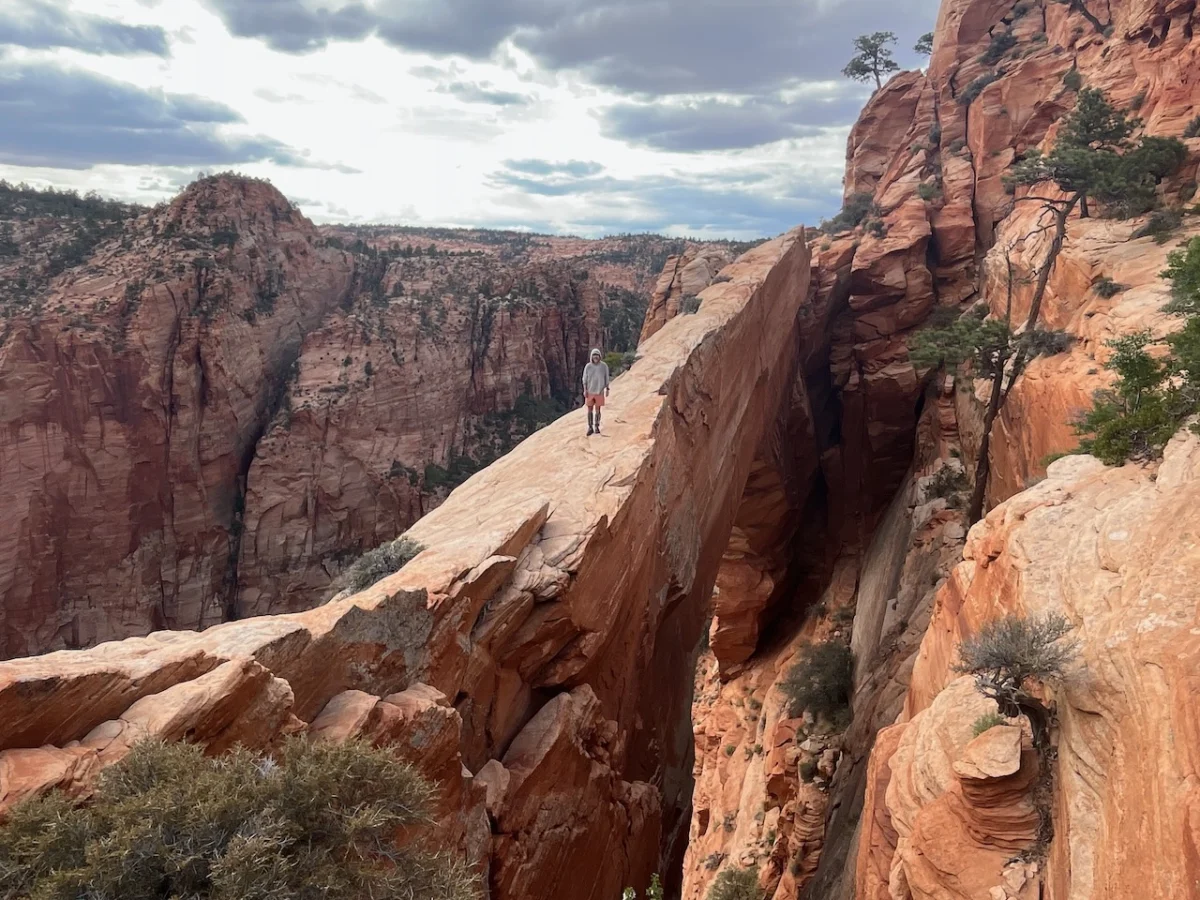
From late April to early June of this year, an ambitious 800-mile (1,287 km) expedition across the rugged expanse of southern Utah reached its conclusion. The journey, undertaken by experienced long-distance hiker "The Hiking Life" and his partner, Kate "Swept Away" Pickett, represents one of the most comprehensive recent traverses of the American Southwest’s most challenging terrain.

Spanning seven weeks, the trek pushed the boundaries of traditional wilderness navigation, requiring a delicate balance of physical endurance, meticulous logistical planning, and deep respect for the ancestral lands and geological wonders of the Colorado Plateau.

The Journey: A Chronological Overview
The traverse began on the Nevada border, situated southwest of Enterprise, Utah. From these initial high-desert landscapes, the duo pushed eastward, navigating a complex web of canyons, plateaus, and mesas. The expedition culminated seven weeks later at the Hovenweep National Monument, resting near the border with Colorado.

The route was far from a straightforward trail hike. Instead, it was a deliberate, curated path through some of the most isolated and geologically significant areas of the state. By prioritizing geological curiosity over simple expediency, the hikers incorporated sections that neither had previously explored, such as the breathtaking Canaan Mountain Wilderness between Hurricane and Kanab.

Key Milestones
- Late April: Departure from the Nevada border.
- Mid-May: Exploration of the Canaan Mountain Wilderness, featuring the iconic "Eye of Heaven" arch.
- Late May: Penetration into the southern, archeologically rich sections of Bears Ears National Monument, including Grand Gulch and the "Perfect Kiva" in Bullet Canyon.
- Early June: Arrival at the finish line at Holly Tower in Hovenweep National Monument.
Navigational Strategy and Terrain
The route was a hybrid experience, combining cross-country bushwhacking, weathered 4WD tracks, precarious rock scrambles, and stretches of river wading. The choice of path was rarely driven by ease; rather, the team followed the "geological and historical curiosity" of the landscape.

This approach necessitated a modular strategy. The hike was split into eight distinct stages, each tied to a specific resupply point. This segmentation allowed the team to manage food weight and water access, which were the primary constraints of the journey.

Supporting Data: Water and Logistics
Water scarcity is the defining challenge of any long-distance traverse in the Four Corners region. To mitigate the risk of dehydration, the hikers utilized USGS map layers to identify potential sources, including natural tanks, seasonal springs, and remote windmills.

"We erred on the side of caution," the hikers noted, explaining that their maximum water capacity reached 9–10 liters per person on dry stretches. Fortuitously, the team benefited from several timely weather systems, which provided essential water in potholes and streams that would have otherwise been bone-dry.

Logistically, the expedition utilized a mix of pre-planned mail drops and local purchasing. Friends and family played a critical role, holding resupply boxes in St. George, Kanab, and Escalante. A strategic cache was also placed at Burr Trail Road to bridge the gap between the Escalante and Bullfrog Marina sections.

Professional Insights: Permits and Stewardship
A journey of this magnitude requires strict adherence to federal regulations. The hikers maintained compliance with the America the Beautiful pass and secured specific overnight camping permits for:

- Bryce Canyon National Park
- Grand Staircase-Escalante National Monument
- Capitol Reef National Park
- Bears Ears National Monument
The process involved a combination of on-site coordination at the Interagency Office in Escalante and digital registration via Recreation.gov for the Bears Ears region. This level of bureaucratic coordination highlights the increasing importance of responsible tourism in fragile desert ecosystems, where foot traffic can easily damage cryptobiotic soil and ancient archeological sites.

Highlights of the Traverse
While the hikers likened selecting a "best" highlight to choosing a favorite pub in Ireland, several locations stood out for their profound impact on the journey:

- The Great Chamber: A geological marvel that underscored the scale of the region’s natural architecture.
- Lower Muley Twist Canyon (Capitol Reef): Noted for its series of hidden alcoves that provide a stark, quiet beauty.
- Stevens Canyon: Described as housing a "fantastical grotto," this location served as a prime example of the hidden water-carved wonders of the area.
- Jacob Hamblin Arch (Coyote Gulch): A classic, towering formation that serves as a testament to the endurance of the sandstone landscape.
Implications for Modern Backpacking
This 800-mile traverse serves as a case study in modern "thru-hiking" philosophy. Unlike the standardized experience of the Appalachian Trail or the Pacific Crest Trail, this Southern Utah route required constant micro-navigation and risk assessment.

The success of this trip has several implications for the hiking community:

- Emphasis on Self-Sufficiency: In regions where there is "no pre-trip beta," the reliance on topographical skill and experience becomes paramount.
- The Value of Historical and Archeological Awareness: By moving through areas like Comb Ridge and visiting the Procession Panel, the hikers demonstrated that a modern trek can function as a bridge between the present and the ancestral past of the Indigenous peoples who have stewarded these lands for millennia.
- Environmental Stewardship: The meticulous management of resources and the focus on permitted zones reflect the growing need for hikers to act as guardians of the wild, rather than mere consumers of scenery.
Future Projections
The documentation of this trip is far from over. The team plans to release detailed, stage-by-stage breakdowns in the coming weeks. These resources will include maps, photos, and granular route descriptions. For the aspiring hiker, these forthcoming reports will likely serve as a gold standard for navigating the complex topography of the American Southwest.

As the authors noted, "Selecting a handful of highlights from a long hike across Utah is like trying to pick the best pub in Ireland." However, the data gathered during these 800 miles provides a clear path forward for those looking to understand the interplay between the human spirit and the unrelenting, beautiful complexity of the red rock desert.

Disclosure: This report contains references to external resources and gear. Please note that the author of the source material may receive a commission on certain linked items, which supports the continued production of high-quality wilderness content. Hikers are reminded to always check current conditions, fire restrictions, and permit requirements before embarking on any long-distance excursion in the Four Corners region.