By [Your Name/Journalistic Desk]
In an era defined by rapid technological acceleration and urban density, the modern human experience is increasingly mediated by screens and artificial environments. As our daily lives become tethered to digital interfaces and consumer-driven schedules, a profound psychological and biological "nature deficit" has begun to take hold. William E. Simpson II, a noted naturalist, author, and conservationist, posits that this disassociation is not merely a lifestyle shift, but a crisis of understanding that threatens the very foundations of our ecological stewardship.
As we stand at a crossroads of climate uncertainty and resource depletion, the discourse surrounding our relationship with the natural world is shifting. While high-definition documentaries have done commendable work in bringing the majesty of the wilderness into our living rooms, experts argue that passive consumption is no longer sufficient. To truly foster a culture of conservation, we must move beyond the screen and into the landscape itself through the strategic implementation of ecotourism.
The Nature Gap: Why Modernity Needs Immersion
The "abyss of understanding" mentioned by Simpson refers to the growing gap between humanity’s reliance on nature’s resources and our functional ignorance of how those ecosystems operate. When society views nature solely as a commodity—a reservoir of timber, minerals, or grazing land—the intrinsic value of biodiversity is often sidelined.
Ecotourism serves as the primary antidote to this alienation. It is not simply travel; it is an educational communion. Whether it is the olfactory signature of a pristine pine forest, the resonant vocalizations of eagles circling an alpine peak, or the rhythmic flow of a mountain stream over ancient stones, these sensory inputs trigger a cognitive shift. When individuals move from observing nature to inhabiting it, the abstract concept of "environmental protection" transforms into a visceral, personal commitment to conservation.
Chronology of a Conservation Philosophy
The evolution of ecotourism as a conservation tool has transitioned through several distinct phases over the last half-century:
- 1970s–1980s: The Dawn of Awareness. As the global environmental movement gained momentum, early ecotourism was largely academic or focused on niche scientific research.
- 1990s: Institutionalization. The emergence of organizations like The International Ecotourism Society (TIES) helped define the sector, establishing guidelines to ensure that travel to natural areas conserved the environment and improved the well-being of local people.
- 2000s–2010s: The Economic Integration Phase. Research began to surface demonstrating that wildlife often holds a higher economic value alive through tourism than as a primary resource for extraction or livestock conflict.
- 2020–Present: The Resilience Era. In the wake of global disruptions, the focus has shifted toward "rewilding" and ecosystem services, where animals (such as wild horses) are recognized as active participants in wildfire mitigation and land management.
Supporting Data: The Wild Horse Case Study
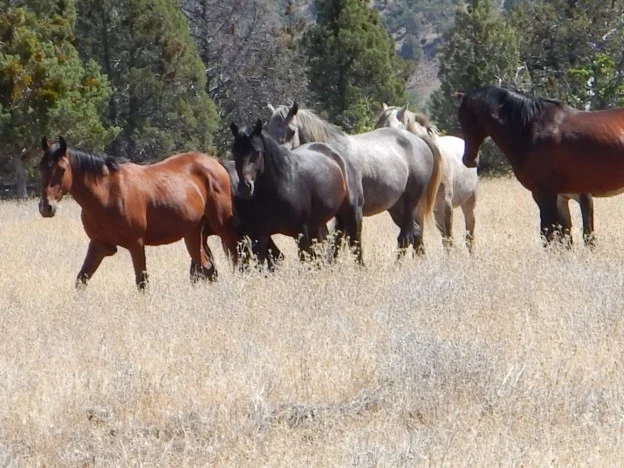
One of the most compelling arguments for integrating ecotourism into natural resource management involves the American wild horse. For decades, the management of these animals has been a source of intense political and economic friction, particularly concerning competition with livestock on public lands.
However, a new paradigm suggests that these animals are not just "pests" to be managed by the Bureau of Land Management (BLM) through costly, controversial roundups. They are, in fact, an economic asset. A study in Moffat County, Colorado, demonstrated that local economies received a significant boost from visitors drawn specifically to observe wild horse herds.
The Fiscal Argument
The current federal approach to wild horse management costs the American taxpayer roughly $100 million annually. Much of this expenditure is directed toward the gathering, holding, and maintenance of horses in off-range facilities. Proponents of rewilding argue that by strategically placing these animals in areas where they can perform ecological functions—specifically the reduction of fire-prone undergrowth—we can achieve two goals simultaneously:
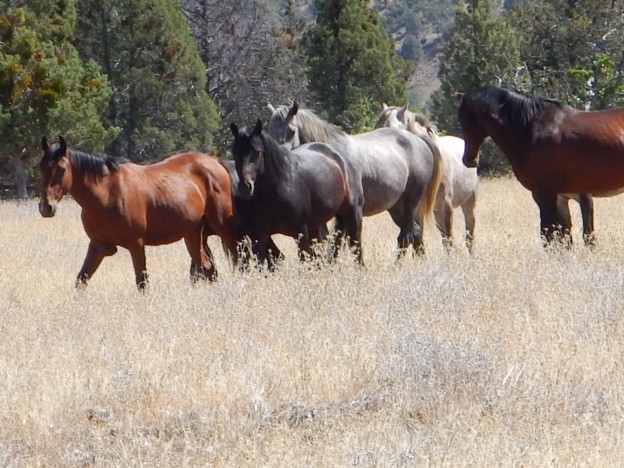
- Fiscal Responsibility: A massive reduction in the federal tax burden required to keep these animals in pens.
- Fire Mitigation: By grazing in ecologically sensitive areas, wild horses effectively reduce the "fuel load" of dry grasses and brush, which are the primary drivers of catastrophic wildfires.
Official Perspectives and The Role of the BLM
The Bureau of Land Management (BLM) operates under a complex mandate: the Wild Free-Roaming Horses and Burros Act of 1971. The agency is tasked with maintaining "thriving natural ecological balance." Historically, the interpretation of this balance has favored extractive industries. However, as the American public becomes increasingly engaged in wildlife advocacy, the pressure on the BLM to adopt "non-lethal" and "non-removal" management strategies has reached an all-time high.
Conservationists like Simpson argue that the BLM’s reluctance to embrace rewilding stems from an outdated land-management hierarchy. By shifting the focus toward ecotourism-friendly management, the government could leverage private-sector interest in wildlife to fund conservation efforts, effectively turning a "cost center" into a "revenue generator" for rural communities.
Implications for Future Stewardship
The transition toward an ecotourism-centric model carries profound implications for the future of our national landscape.
1. Psychological and Cultural Shifts
When tourism becomes the primary economic driver for a region, the local population’s perception of wildlife changes. A horse that was once seen as a competitor for grazing rights is suddenly viewed as a "charismatic megafauna" that brings tourist dollars to local hotels, restaurants, and guides. This shift is essential for long-term survival of species.
2. Ecological Restoration
Rewilding is not merely about reintroduction; it is about the restoration of ecological processes. As climate change increases the frequency and intensity of wildfires, the presence of large herbivores provides a natural, self-sustaining method of fire management. This "nature-based solution" is far more cost-effective and environmentally benign than the heavy mechanical clearing or chemical treatment of wilderness areas.
3. Strengthening the Social Contract
Finally, ecotourism bridges the gap between urban and rural populations. It brings city-dwellers into rural landscapes, fostering a shared understanding of the challenges faced by rural communities. This cross-pollination of perspectives is vital for political stability and the development of cohesive, national environmental policies.
Conclusion: A Path Forward
As William E. Simpson II emphasizes, there is truly "no substitute" for the first-hand experience of the wild. While we have built a modern society of unprecedented comfort, we have sacrificed the foundational connection that defined our species for millennia.
Ecotourism offers a sophisticated, pragmatic path to reclaim that connection. By integrating wildlife into the economic fabric of our nation—not as objects to be exploited, but as partners in the maintenance of healthy ecosystems—we move toward a future where stewardship is not a burden, but an opportunity. Whether through the protection of wild horse herds or the preservation of vast, unfragmented forests, the goal remains the same: to foster a deeper, more compassionate understanding of the natural world, ensuring that the wonders of today remain the inheritance of those who follow.
References and Further Reading:
- The International Ecotourism Society (TIES): www.ecotourism.org
- WHFB (Wild Horse Freedom & Preservation): www.WHFB.us
- Economic Impact Studies: Moffat County Wild Horse Economic Survey