For decades, the pursuit of the "perfect" marathon shoe has been a high-stakes arms race between material science, biomechanical engineering, and the unrelenting laws of physics. Reebok, a brand with a storied history in athletic performance, has long experimented with carbon-fiber integration. Yet, until now, the brand has struggled to reconcile the inherent rigidity of carbon with the weight constraints required for elite long-distance performance.
That narrative changes on October 20, with the global launch of the SpeedShifter. Representing a pivot point in the brand’s footwear trajectory, the SpeedShifter is not merely another entry in the crowded carbon-plate market; it is an attempt to democratize performance, bridging the gap between professional-grade propulsion and everyday, accessible comfort.
Main Facts: The Anatomy of the SpeedShifter
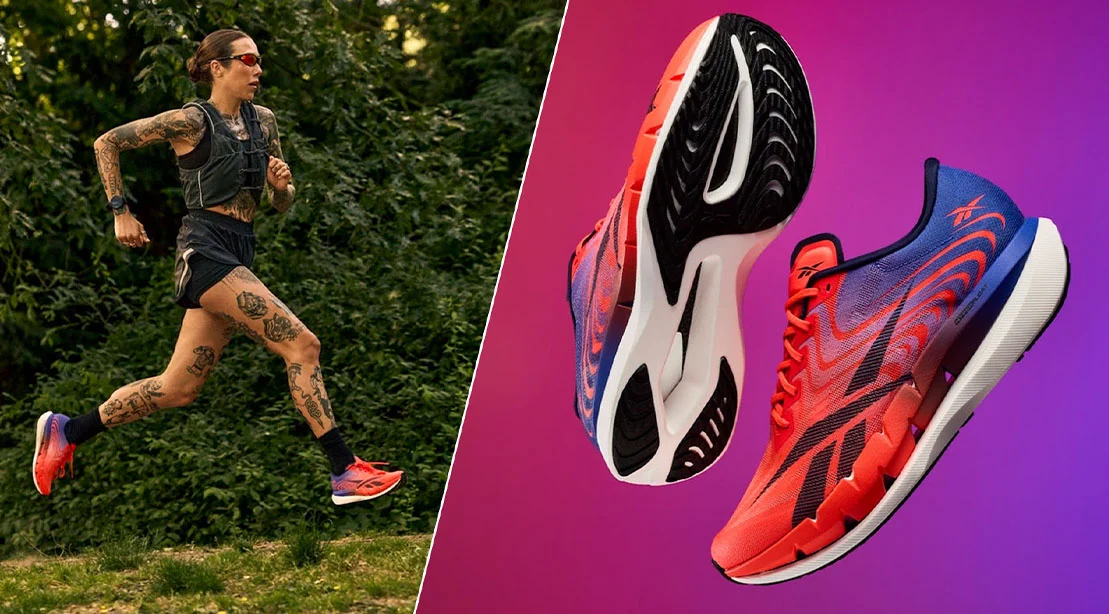
The SpeedShifter enters the market as Reebok’s most advanced performance running innovation to date. Weighing in at a mere 7.4 ounces (210g), the shoe is designed to defy the common trade-off between weight and structural support.
At the heart of the SpeedShifter is a full-length carbon fiber plate. Unlike previous iterations that often prioritized rigidity at the expense of a natural gait, the SpeedShifter utilizes a "sandwich" construction method. The plate is encased between two distinct densities of Reebok’s proprietary HyperFloat foam. The top layer is engineered for softness to maximize energy return upon impact, while the firmer bottom layer provides a stable platform for the transition to toe-off.
The shoe is priced at $220, arriving in unisex sizing and two inaugural colorways. It is built not just for the podium-chasing elite, but for what Reebok calls the "ordinary elite"—runners of varied disciplines who require stability, volume in the toe box, and the snappy propulsion that only carbon fiber can provide.
A Chronological Perspective: From Graphlite to HyperFloat
To understand the engineering behind the SpeedShifter, one must look back at Reebok’s heritage. In the 1990s, the brand introduced Graphlite, a pioneering use of carbon fiber in athletic footwear. At the time, it was a revolutionary material that pushed the boundaries of what a running shoe could be.
"Graphlite was a shoe that was far ahead of its time in the 1990s," says Chris Stone, Reebok’s Director of Running. "However, the technology of the era had its limitations. We had the vision, but we lacked the foam technology to complement the rigidity of the plate."
In the intervening years, the industry saw a "foam revolution." Traditional EVA foams gave way to advanced Pebax-based compounds and proprietary supercritical foams. Reebok’s development team spent the last several years refining their own internal foam processes, eventually arriving at HyperFloat. By aligning this new material science with a refined, lighter-modulus carbon plate, Reebok has finally achieved the balance they sought thirty years ago. The development process was iterative, involving hundreds of hours of wear-testing and dozens of prototypes that focused on finding the exact "recipe" of foam density to prevent the "dead" feel often associated with carbon plates.
Supporting Data: The Engineering of Energy Return
The performance of a carbon-plated shoe is measured by its "flex modulus"—the ability of the material to bend under pressure and snap back into shape. This "snap-back" effect is the primary driver of forward propulsion.
The SpeedShifter utilizes a high-flex-modulus carbon plate that acts as a lever arm. When a runner lands, the plate stores elastic energy. As the runner transitions through the gait cycle, that energy is released, effectively reducing the metabolic cost of running.
However, energy return is meaningless if the runner is fatigued by instability. The "sandwich" architecture of the SpeedShifter is the solution to this. The differential density of the HyperFloat foam serves two distinct purposes:
- The Soft Upper Layer: Absorbs the shock of impact, protecting the joints and providing a "bouncy" sensation that reduces perceived effort.
- The Firm Lower Layer: Provides a consistent, stable base, ensuring that the carbon plate doesn’t "bottom out" or twist laterally during the stride.
The inclusion of a forefoot rocker further enhances this, encouraging a smooth transition from mid-foot strike to toe-off, effectively "shifting" the runner forward with minimal wasted energy.
Official Responses: Insights from the Director of Running
In an exclusive discussion with M&H, Chris Stone emphasized that while the technology is the headline-grabber, the true success of the SpeedShifter lies in its ergonomics.
"So many people are wearing shoes built for very narrow feet, especially in the running category," Stone notes. "The industry has focused heavily on the ‘narrow elite’ profile. Our goal with the SpeedShifter was to cater to the ‘ordinary elite.’ We increased the volume in the toe box to allow for natural foot splay, which is critical for comfort over long distances."
Stone’s perspective highlights a growing trend in the industry: the realization that the best shoe is one that fits the anatomy of the runner, rather than forcing the runner to adapt to the shoe. "Finding shoes that fit better will only amplify the benefits that all of this technology provides," Stone adds.
The brand has relied heavily on real-world feedback to validate this design. One wear-tester, tasked with putting the shoe through its paces, found the experience so transformative that he chose to race a marathon in the prototype. The result? A new personal record (PR) and a treasure trove of data regarding the shoe’s durability and long-distance responsiveness.
Implications: The Democratization of Performance
The launch of the SpeedShifter carries significant implications for the wider running community. For years, "super shoes" have been expensive, fragile, and often difficult to manage for the average runner. By focusing on a durable rubber grip and a more inclusive fit, Reebok is positioning the SpeedShifter as a workhorse, not just a race-day novelty.
1. Shift in Industry Standards
The SpeedShifter suggests that the industry is moving away from the "disposable" era of running shoes. By integrating a durable outsole and a stable foam construction, Reebok is aiming to create a shoe that lasts through both training cycles and race days.
2. Accessibility for All Abilities
By addressing the volume of the toe box and the stability of the foam, Reebok is inviting a wider demographic to experience the benefits of carbon-fiber technology. Previously, many runners avoided carbon plates, fearing they would cause instability or injury. The SpeedShifter’s design philosophy aims to mitigate these fears, offering a "flow state" experience that is more forgiving to the casual marathoner or the dedicated 5K runner alike.
3. Future-Proofing Reebok’s Running Division
This launch signals a broader commitment from Reebok to reclaim its stake in the high-performance market. With the SpeedShifter, the brand is proving that it can marry its heritage of iconic design with modern, high-tech engineering. The successful integration of HyperFloat and carbon fiber sets a new baseline for future products in the line, providing a scalable foundation for future innovation.
Conclusion: A New Chapter for Reebok
As October 20 approaches, the excitement surrounding the SpeedShifter is palpable. For a brand that has navigated decades of industry shifts, the SpeedShifter is a testament to the idea that patience and refinement pay off. By prioritizing the "ordinary elite" and solving the long-standing challenge of weight versus responsiveness, Reebok has crafted a tool that is as much about the joy of running as it is about the physics of speed.
Whether you are a seasoned marathoner looking for your next PR or a casual runner interested in feeling the propulsion of a carbon-plated ride, the SpeedShifter represents a significant milestone. It is a reminder that innovation is not just about being the fastest; it is about being the most effective, the most comfortable, and ultimately, the most capable of supporting the human stride.
As Stone aptly summarizes, "For me, the SpeedShifter has found a balance which has allowed me to find a flow state when I’m speed training." For the rest of the running world, the wait to test that flow state is almost over.
To view the technical specifications and explore the available colorways for the Reebok SpeedShifter, visit the official Reebok website.