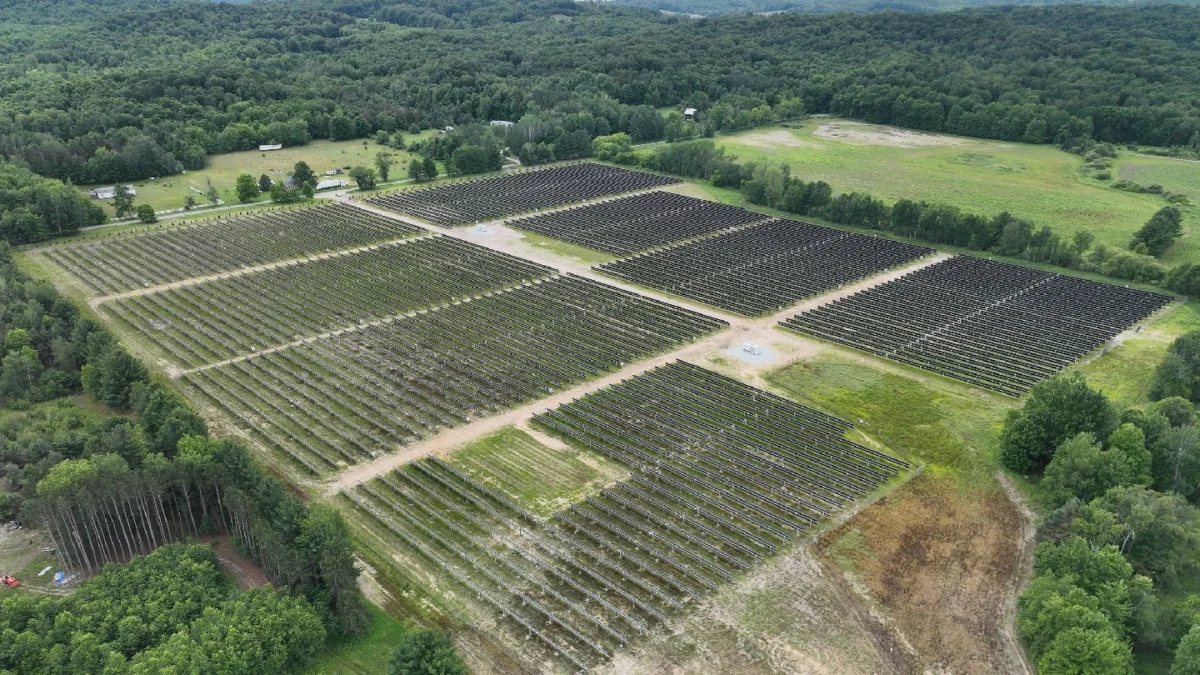
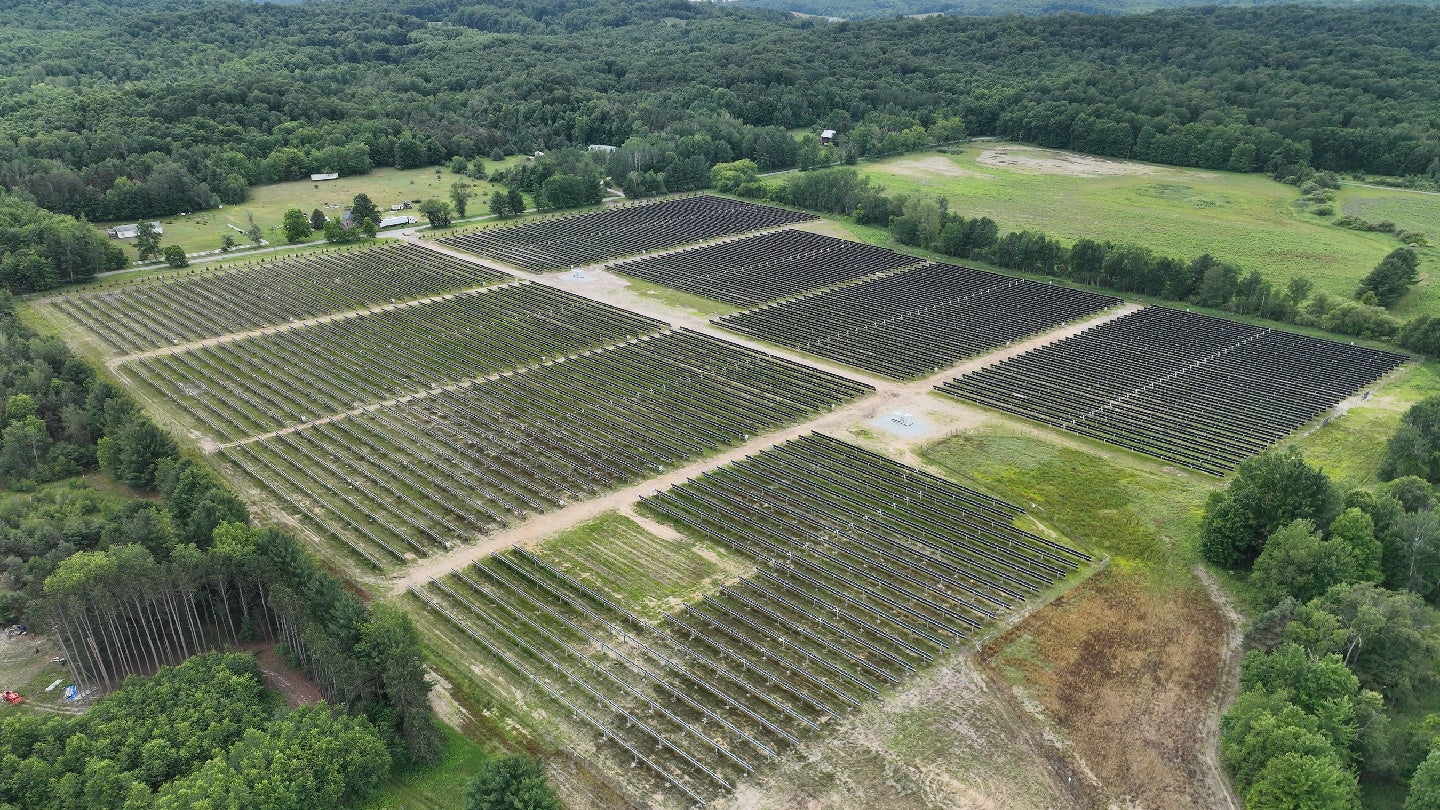
The landscape of Michigan’s energy sector has undergone a significant transformation this week as NorthStar Clean Energy officially announced the commencement of operations at the Hart Solar Project. Located in Oceana County, this 120-megawatt (MW) utility-scale solar facility represents a major leap forward in the state’s transition toward a decarbonized grid, providing a robust influx of clean electricity to a growing base of residential and commercial consumers.
As the Midwest continues to navigate the complexities of shifting away from legacy fossil fuel generation, the Hart Solar Project serves as a blueprint for how developers, local governments, and power agencies can collaborate to drive economic prosperity while meeting aggressive sustainability targets.
The Core Facts: Powering a Greener Future
The Hart Solar Project is not merely a collection of photovoltaic panels; it is a critical piece of infrastructure designed to bolster the reliability and sustainability of Michigan’s energy mix. With a nameplate capacity of 120MW, the facility is engineered to generate more than 200 gigawatt-hours (GWh) of electricity annually.
For the average consumer, these figures translate into tangible impact: the facility is capable of powering more than 21,000 homes each year. Beyond the sheer volume of electricity produced, the environmental benefits are substantial. By displacing the need for traditional coal or natural gas-fired generation, the project is projected to prevent approximately 96,000 tonnes of carbon dioxide emissions from entering the atmosphere annually—an amount equivalent to removing thousands of passenger vehicles from the road every year.
The energy produced by the Hart facility will be funneled into the grid under long-term power purchase agreements (PPAs) with the Michigan Public Power Agency (MPPA) and Executive Energy Services. These agreements provide a stable, predictable cost structure for the end-users, shielding them from the inherent volatility of global fossil fuel markets.
Chronology of Development: From Concept to Commissioning
The path to the successful launch of the Hart Solar Project was characterized by meticulous planning, extensive regulatory engagement, and a focus on community integration.
Phase I: Planning and Site Selection
The project began as an initiative to identify land in Michigan with high solar irradiance potential and optimal grid connectivity. Oceana County was selected due to its favorable geographic profile and the local government’s willingness to foster renewable energy development.
Phase II: The Development and Regulatory Hurdles
During the development phase, NorthStar Clean Energy engaged in a multi-year effort to secure land use permits and grid interconnection agreements. A critical milestone during this period was the support from the Michigan Department of Environment, Great Lakes and Energy (EGLE). Through the "Renewables Ready Communities Award Program," Hart Township received approximately $600,000 in funding. This financial injection was instrumental in preparing the local infrastructure to handle the influx of construction activity and ensuring the community could benefit from the facility’s presence from day one.
Phase III: The Construction Surge
Construction activity ramped up significantly over the past 24 months. At the height of the build phase, the site employed more than 300 workers. This created a substantial economic ripple effect throughout Oceana County, as workers utilized local services, lodging, and supply chains, providing a much-needed boost to the regional economy.
Phase IV: Commissioning and Grid Integration
Following the completion of the installation of thousands of solar modules and the necessary substations, the project underwent rigorous testing to ensure seamless integration with the regional transmission network. With all systems now fully operational, the site has transitioned from a construction zone to a long-term energy generation asset.
Economic and Social Implications: A Catalyst for Local Growth
The Hart Solar Project is emblematic of the "new energy economy." While critics of renewable energy often cite land use concerns, NorthStar Clean Energy has positioned this project as a model of community partnership.
Tax Revenue and Community Support
The economic benefits extend well beyond the initial construction jobs. As a permanent fixture in Oceana County, the facility will provide a steady stream of long-term tax revenue. These funds are earmarked for the support of local services, including public schools, emergency services, and infrastructure improvements. For a rural township, this tax base provides a level of financial stability that can insulate local government budgets from broader economic downturns.
Workforce Development
The 300-plus jobs created during the construction phase included roles in electrical engineering, heavy equipment operation, and project management. Many of these positions were filled by local residents, fostering the development of a skilled workforce that is now better prepared for future renewable energy projects in the Great Lakes region.
Perspectives from Leadership
The successful delivery of the Hart Solar Project has been a point of pride for both the developer and the procurement partners.
Brian Hartmann, President and CEO of NorthStar Clean Energy, emphasized the strategic importance of the collaboration. "By working with organizations like Executive Energy Services and MPPA, we are helping meet customer energy goals while strengthening Michigan’s energy infrastructure with additional renewable generation," Hartmann stated during the commissioning ceremony. "We are proud to celebrate the completion of this project and the positive impact it will have on the community for years to come."
Patrick Bowland, CEO and General Manager of the MPPA, echoed these sentiments, framing the project within the broader context of the agency’s long-term vision. "Hart Solar reflects MPPA’s long-term commitment to helping our members secure reliable, cost-effective, carbon-free power supply resources that strengthen and diversify their power supply portfolios," Bowland noted.
This alignment between the developer and the power agency is essential. For MPPA, the project is a hedge against future price spikes and a proactive step toward meeting the evolving carbon-reduction mandates set by the state of Michigan.
Implications for Michigan’s Energy Future
The completion of the Hart Solar Project occurs at a pivotal moment for Michigan. As the state moves to modernize its power grid, the shift toward a decentralized, diversified, and sustainable energy portfolio is accelerating.
Strengthening Grid Resilience
The inclusion of 120MW of solar capacity adds a significant layer of resilience to the Michigan grid. Solar energy is particularly effective at meeting peak daytime demand—often when air conditioning usage is highest—which helps reduce the stress on traditional power plants and prevents grid congestion.
A Template for Future Development
The success of this project demonstrates that Michigan is an increasingly attractive destination for large-scale renewable investment. The combination of state-level support through programs like the Renewables Ready Communities Award and a collaborative spirit between private developers and local municipalities creates a repeatable model. Other counties in Michigan are now looking to the Hart project as a success story to emulate.
Long-Term Cost Management
For the residential and industrial customers served by the MPPA and Executive Energy Services, the project provides long-term price certainty. In an era where energy prices are often at the mercy of global supply chains and geopolitical events, the "fuel" for the Hart Solar Project—sunlight—is free and inexhaustible. This stability is a key component of the sustainability aims of the utilities involved, as they seek to provide affordable power without compromising on environmental responsibility.
Conclusion: The Path Ahead
The Hart Solar Project stands as a testament to what is possible when private enterprise and public interest align. It has successfully moved from the drawing board to the reality of active power generation, proving that solar energy can be a reliable, economic, and community-friendly solution for Michigan’s energy needs.
As NorthStar Clean Energy looks toward the future, the lessons learned from the Hart project will likely inform their subsequent endeavors. With a proven track record of 300 jobs created, thousands of tonnes of CO2 mitigated, and 21,000 homes powered, the project has set a high bar.
Michigan’s energy future is becoming increasingly bright. With projects like Hart Solar leading the way, the state is well-positioned to meet the challenges of the 21st century, ensuring a power supply that is not only cleaner and more sustainable but also foundational to the long-term economic vitality of the region. The transition is no longer a distant goal; it is happening now, one solar panel at a time, across the fields of Oceana County.