In the world of outdoor literature, instructional "how-to" guides are often criticized for being dense, overly technical, and intimidating to the average weekend warrior. However, a new release is looking to bridge the gap between rigorous safety protocols and accessible, lighthearted storytelling. Hiking & Backpacking for Dummies, the latest entry in the world-renowned instructional franchise published by Wiley, promises to serve as a comprehensive roadmap for both novices and seasoned backcountry travelers.
Written by a veteran long-distance hiker with four decades of experience, the book represents a departure from the purely inspirational "wanderlust" genre, opting instead for a practical, modular approach that prioritizes competence and confidence in the great outdoors.
The Evolution of an Icon: Wiley and the "Dummies" Legacy
To understand the significance of this new release, one must first appreciate the cultural footprint of the For Dummies series. Launched in 1991, the franchise has become a global standard for non-intimidating education. With over 2,400 unique titles and more than 250 million copies sold, the brand has successfully demystified subjects ranging from quantum physics to personal finance.

The publisher, Wiley, boasts a history that dates back to 1807. Originally a literary house that championed legendary authors like Edgar Allan Poe and Herman Melville, the company underwent a strategic pivot during the 19th century toward academic and instructional materials. This legacy of distilled, high-quality information is the foundation upon which Hiking & Backpacking for Dummies is built. By applying the "Dummies" philosophy to wilderness survival, the book seeks to replace the "jargon-heavy" gatekeeping often found in traditional mountaineering texts with a clear, friendly, and no-nonsense pedagogical style.
A Chronology of Experience: Four Decades in the Making
The authority behind Hiking & Backpacking for Dummies is not derived from academic research alone, but from a lifetime of boots-on-the-ground experience. The author’s journey spans forty years of wilderness exploration, covering diverse terrains such as the high-altitude passes of the Andes, the rugged wilderness of Tasmania, the expansive landscapes of Lapland, and the complex trail networks of the American Continental Divide.
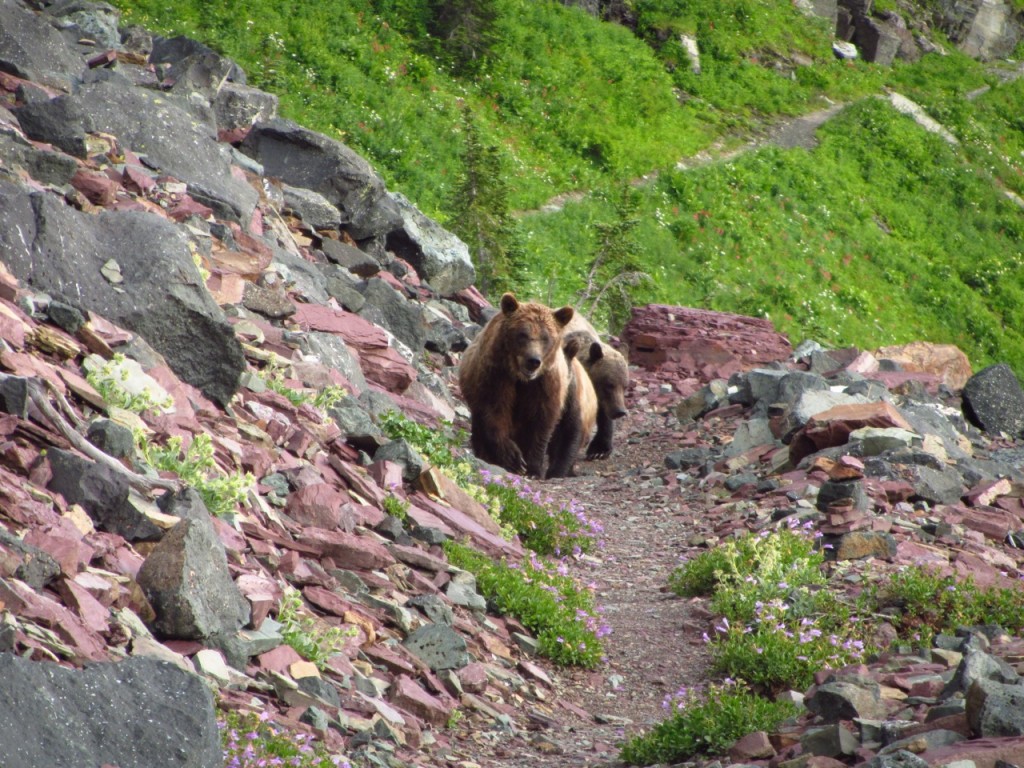
These experiences serve as the backbone for the book’s 300-plus pages. By weaving personal anecdotes into technical advice, the author provides context that mere theory cannot offer. For instance, the section on wildlife encounters is not merely a list of precautions; it is informed by real-world survival strategies honed in high-density grizzly territory, such as Montana’s Glacier National Park. Similarly, the discussion on downhill hiking technique draws on observations made while traversing Mexico’s Copper Canyon alongside the Raramuri (Tarahumara) people, arguably the world’s most proficient mountain runners.

Structuring the Wilderness: The Six-Part Framework
Hiking & Backpacking for Dummies is organized into six distinct parts, each designed to function as a modular resource. This allows readers to dip in and out of the text based on their specific needs, whether they are preparing for a simple day hike or a multi-week expedition.
Part 1: The Foundation of Planning
This section is essential for beginners. It demystifies the administrative side of hiking, covering trip planning, physical conditioning, and the "Leave No Trace" principles that ensure the long-term viability of public lands. It also provides crucial decision-making frameworks, such as choosing between solo, group, or family-based hiking styles.
Part 2: The Gear Equation
The book tackles the notoriously complex world of outdoor equipment. From the "Big Four"—the backpack, shelter, sleeping bag, and sleeping pad—to the nuance of layering systems and weight management, this section provides an analytical approach to gear. It also addresses the perennial debate between trail runners and traditional boots, providing manufacturer recommendations that emphasize durability and value.
Part 3: Skill Acquisition
Once the gear is packed, the focus shifts to the backcountry experience. This section provides the technical know-how for navigating rivers, handling wildlife, and managing the inevitable moments of crisis where composure is the most important survival tool.
Part 4: Campcraft and Routines
A campsite is a home away from home. The author delineates the differences between designated and dispersed camping, offering tips for site selection and shelter pitching in adverse weather. Furthermore, the book emphasizes the importance of established morning and evening routines, which the author argues are the primary deterrent against the common "lost item" anxiety that plagues many novice campers.
Part 5: Health, Safety, and Resilience
Perhaps the most critical section, Part 5 deals with the biological and environmental hazards of the trail. This includes hydration, nutrition (mitigating the dangerous "hangry" phenomenon), and advanced topics like thermoregulation and altitude acclimatization. The guidance on natural hazards—forest fires, electrical storms, and flash floods—follows a clear directive: avoid them, but know how to react when you cannot.

Part 6: The "Part of Tens"
A staple of the For Dummies brand, this section offers quick, digestible insights. It includes chapters on common hiking myths, beginner mistakes to avoid, and a curated list of ten dream hiking destinations. From the Swiss Alps to the Nepal Himalaya, each destination is broken down into five recommended hikes, providing a "taster menu" for aspiring adventurers.
Supporting Data and Technical Considerations
The book’s value is underscored by its emphasis on actionable data. Throughout the text, the author provides training programs that were originally developed for massive long-distance walks—such as the 14,342-mile (23,081 km) "12 Long Walks" project. These programs, which included training with significant weight loads, offer a rigorous, proven methodology for those looking to level up their fitness for high-exertion trips.
Furthermore, the integration of Kindle-exclusive features and digital screenshots allows the book to remain relevant in a modern, tech-driven hiking landscape. By providing visual aids for navigation and gear organization, the book bridges the gap between the traditional printed guide and the digital, on-the-trail reference.

Implications for the Outdoor Industry
The publication of Hiking & Backpacking for Dummies arrives at a pivotal moment for the outdoor recreation industry. As more people seek refuge and recreation in the wilderness, the need for standardized, high-quality, and accessible safety information has never been greater.
By de-mystifying the complexities of backpacking, the author is arguably contributing to a safer and more inclusive hiking community. When beginners are empowered with the right knowledge, they are less likely to require emergency interventions, less likely to damage fragile ecosystems through ignorance, and significantly more likely to foster a lifelong passion for the outdoors.
A Candid Conclusion: The Author’s Perspective
Reflecting on the book’s launch, the author admits to a self-deprecating, "non-marketing" approach. Preferring the trail to the boardroom, the book was released during the author’s own recent expedition in the Nepal Himalaya. This commitment to the lifestyle being written about is perhaps the ultimate testament to the book’s authenticity.

Hiking & Backpacking for Dummies is not a dry manual; it is a synthesis of four decades of grit, failure, and triumph. For those looking to transition from the couch to the trail—or for the experienced hiker looking to refine their craft—this volume provides a rare blend of professional-grade expertise and accessible, encouraging prose. As the author notes, the goal is simple: to help readers get out there, stay safe, and enjoy the journey, regardless of their starting point.
The book is currently available in both paperback and Kindle formats, serving as a comprehensive companion for anyone ready to answer the call of the wild.