Jotunheimen, Norway’s most aptly named National Park, translates literally to the "Home of the Giants." Spanning 1,151 square kilometers, this rugged expanse serves as the crown jewel of the Scandinavian wilderness. Home to the 23 highest peaks in the country, including the formidable Galdhøpiggen and Glittertinden, the park is a cathedral of jagged granite, deep-blue glacial lakes, and sweeping alpine plateaus. For the modern trekker, navigating the Jotunheimen Loop—a challenging 80-kilometer circuit—offers an unparalleled opportunity to walk through the heart of Norse mythology and geological grandeur.
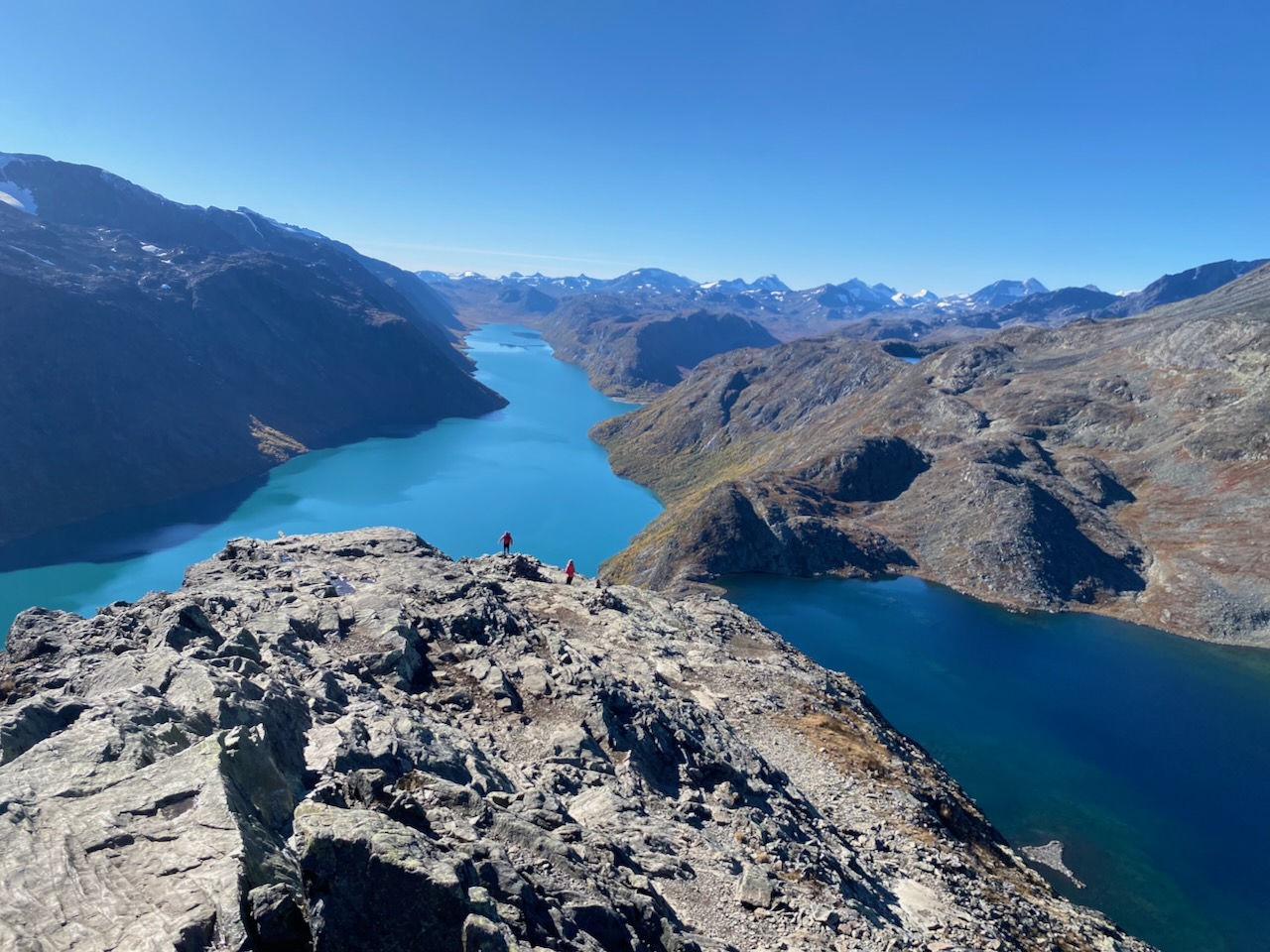
Main Facts and Park Profile
Jotunheimen National Park is more than just a collection of summits; it is a vital ecosystem. The park provides sanctuary for diverse wildlife, including wild reindeer, moose, wolverines, lynx, and roe deer. Its geography is defined by extreme elevation changes and massive glaciers that have carved the U-shaped valleys seen today.

Essential Trekking Data
- Total Distance: 80 km (49.7 miles)
- Duration: 3 days
- Difficulty: Moderate to Strenuous (due to terrain and exposure)
- Total Elevation Gain: 3,941 meters (12,930 feet)
- Start/Finish: Gjendesheim Mountain Hut
- Best Season: Late June to early September (Note: Snow can linger, and weather is notoriously volatile)
The loop is categorized as a "moderate" trek by local standards, though it requires a high level of physical fitness and the ability to navigate exposed, rocky terrain. The route is exceptionally well-marked with the iconic red "T" symbols maintained by the Norwegian Trekking Association (DNT).

Chronology of the Loop: A Three-Day Expedition
The standard loop is typically tackled in three distinct stages, beginning and ending at the accessible Gjendesheim Mountain Hut.

Stage 1: The Gateway to the Giants
The journey commences with a scenic 45-minute ferry ride across the emerald waters of Lake Gjende. Disembarking at Gjendebu Hut—the oldest lodge in the DNT system, dating back to 1871—hikers head west into the Storådalen Valley. The path winds through lush birch forests before rising above the treeline. A highlight of this segment is the 60-meter-high Hellerfossen waterfall. The day concludes after approximately 20 kilometers at Leirvassbu, a privately run lodge known for its exceptional traditional Norwegian cuisine, including locally harvested elk and wild berries.

Stage 2: Through the Heart of the U-Valleys
The second stage, spanning 16 kilometers, is the most temperate of the loop. Leaving Leirvassbu, the trail passes the pyramid-shaped Kyrkja Peak, a tempting side-summit for those with excess energy. The path descends into the Visdalen Valley, a vast, flower-strewn basin flanked by 2,000-meter giants such as Store Bukkeholstinden and Store Hellstugutinden. The destination is Spiterstulen, a former summer farm that has evolved into a premier basecamp for climbers looking to summit Galdhøpiggen.

Stage 3: The High Plateaus and the Legendary Ridge
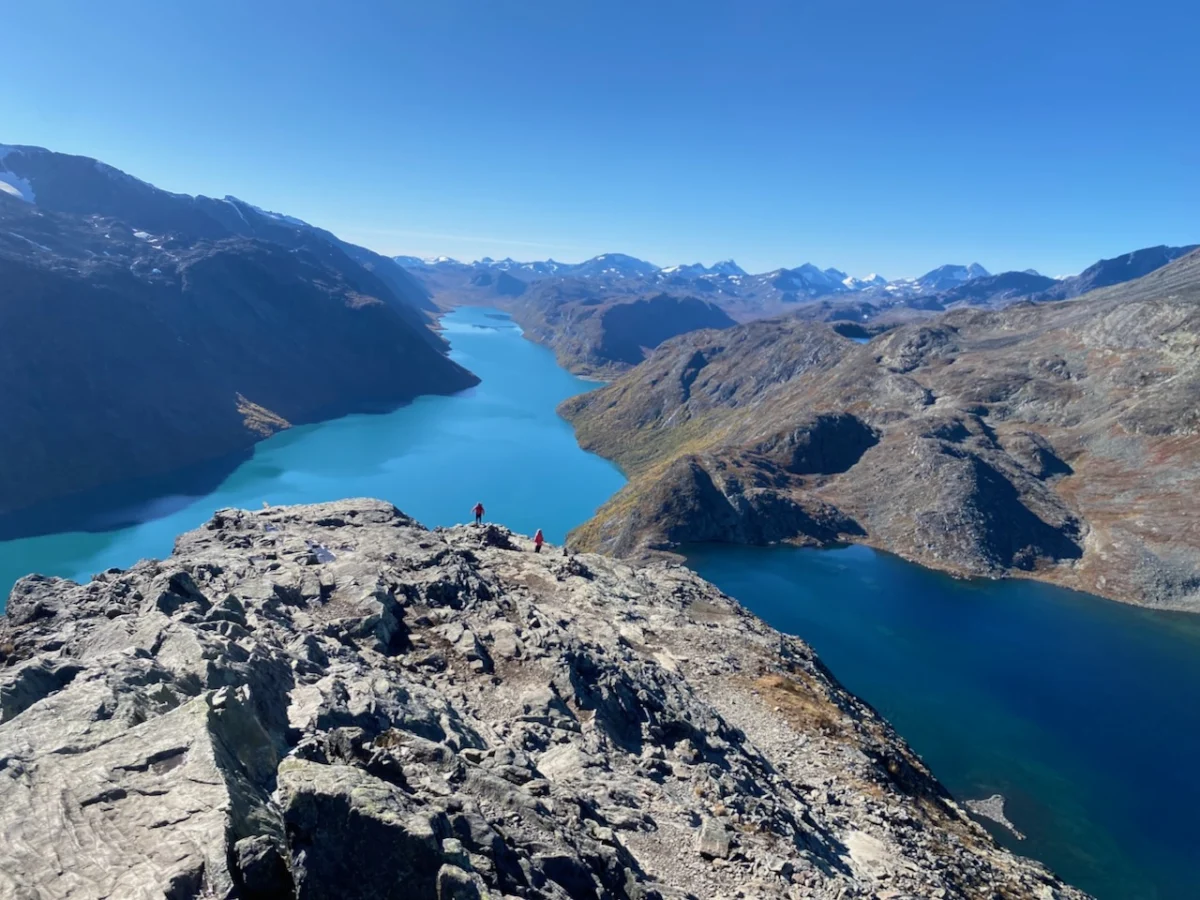
The final leg is the most dramatic. After departing Spiterstulen, the route climbs to the Skautflye Plateau. This high-altitude desert offers expansive views of the Veobrean glacier and surrounding peaks. Following a descent into the remote Veodalen Valley—often home to large reindeer herds—the trail loops back toward the Besseggen Ridge. The Besseggen is the emotional and physical climax of the trip, a knife-edged scramble that separates the turquoise waters of Lake Gjende from the deep sapphire of Bessvatnet. The descent back to Gjendesheim is the final act of an epic odyssey.

Supporting Data and Logistics
Successfully completing the Jotunheimen Loop requires meticulous planning. While the huts are well-equipped, they operate on a seasonal basis, and reservations are essential during peak months.

Equipment and Safety
Because the weather in Jotunheimen can shift from brilliant sunshine to freezing sleet in a matter of minutes, the "layering system" is mandatory. A typical gear list should include:

- Footwear: Sturdy, waterproof hiking boots with excellent ankle support.
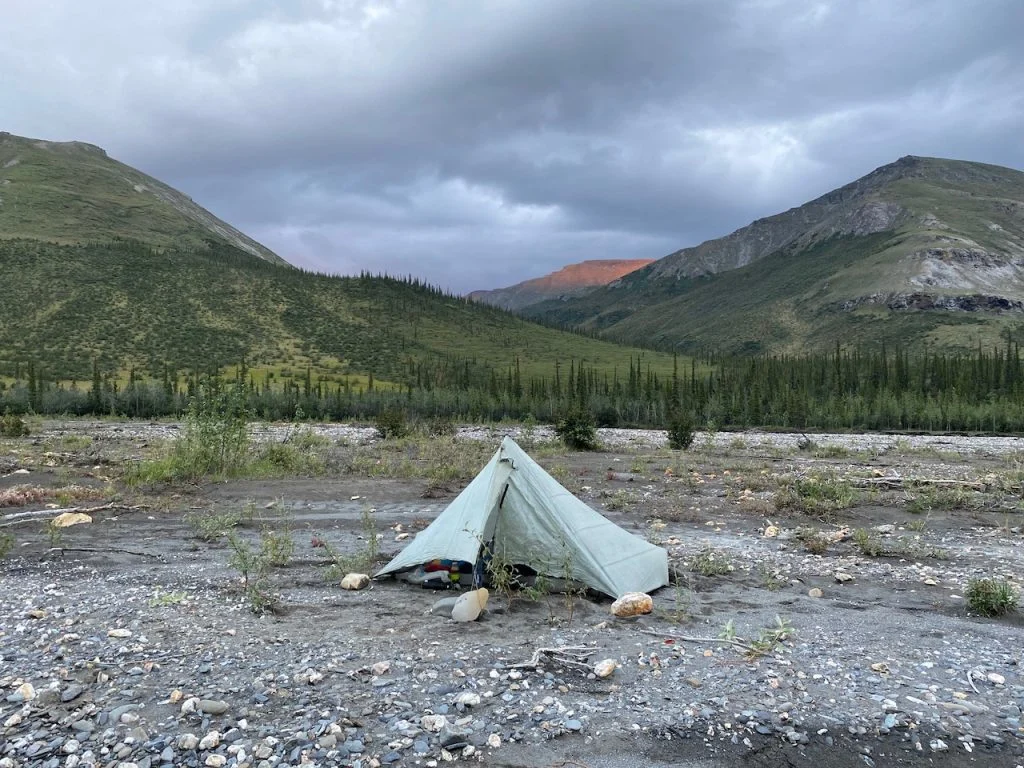
- Shelter: If camping, a high-quality 3-season tent capable of withstanding high-altitude winds (e.g., an MLD Duomid or equivalent).
- Navigation: While trails are well-marked, offline GPS maps (such as GaiaGPS) are vital for safety, particularly during low-visibility conditions on the plateaus.
- Provisions: While lodges offer meals, trekkers should carry emergency high-calorie rations.
Cultural and Environmental Implications
The Jotunheimen Loop is deeply woven into the fabric of Norwegian culture. The Besseggen Ridge, for example, gained global literary fame through Henrik Ibsen’s 1867 masterpiece, Peer Gynt. In the play, the protagonist recounts a mythical ride on a reindeer’s back along the "Gendin-Edge," a testament to the mountain’s terrifying, razor-sharp beauty that persists in the national psyche today.

The Social Fabric of the Trail
Beyond the geography, the trail serves as an "Alpine Congregation." The mountain huts are not merely lodging; they are hubs of international exchange. Whether it is an English climber preparing for a summit push, a Dutch ultralight backpacker discussing gear innovations, or a Chilean trekker sharing stories of the Andes, these huts facilitate a unique human connection. This "hut culture"—where strangers share meals, drying rooms, and experiences—is a fundamental pillar of the Nordic outdoor experience.

Official Guidance and Sustainability
The Norwegian government and the DNT emphasize the "Leave No Trace" philosophy with strict adherence. Because the alpine tundra is fragile, hikers are encouraged to stick strictly to marked paths to prevent erosion. Furthermore, the wild reindeer herds are protected; during calving seasons or sensitive migration periods, certain areas may have restricted access. Hikers are advised to check the official ut.no portal or local DNT office updates prior to departure.

Final Reflections
The Jotunheimen Loop is a rite of passage for any serious mountain hiker. It is a place where the scale of nature reminds the individual of their own transience. As noted in the author’s research for Wanderlust Nordics, the beauty of the region is not just in the peaks themselves, but in the variety of experiences—from the luxury of a hot meal in a 19th-century hut to the solitude of a campsite buffeted by mountain winds.

For those planning to visit, remember that the "Land of the Giants" demands respect. The weather is the ultimate authority, the terrain is unforgiving, and the rewards are profound. Whether you are seeking the thrill of the Besseggen scramble or the quiet contemplation of the Visdalen Valley, Jotunheimen remains an essential, life-affirming destination.

For more detailed insights on the trails of Scandinavia, including logistics and photography tips, please refer to "Wanderlust Nordics: Exploring Trails in Scandinavia" (Gestalten Publishing).

Disclosure: This article contains affiliate links. The author may receive a small commission from purchases made through these links, which helps maintain the research and reporting required to keep this site a resource for the global hiking community.