"A good lie can walk from Baghdad to Constantinople while the truth is still looking for its sandals."
~ Arab proverb
In the world of outdoor recreation, myths act like stubborn grass stains on a favorite white t-shirt: they are pervasive, difficult to remove, and often accepted as gospel by generations of hikers. From the casual weekend wanderer to the seasoned thru-hiker, misinformation in the wilderness doesn’t just clutter our collective psyche—in some instances, it poses legitimate safety risks.
As we navigate an era where social media often amplifies anecdotal advice over evidence-based practices, it is time to set the record straight. The following analysis explores ten of the most prevalent hiking myths, drawing from expert field experience and scientific reality to help you make more informed decisions in the backcountry.

The Anatomy of Wilderness Misconceptions
The myths surrounding hiking often originate from outdated gear technology, misinterpreted survival advice, or simply the romanticization of outdoor culture. Whether it is the belief that heavy leather boots are the only way to save your ankles or the dangerous fallacy that you can "suck the venom" out of a snakebite, these narratives persist because they are simple, memorable, and rooted in an era of less advanced outdoor science.
Chronology of Conventional Wisdom
For decades, the "hiking industry" relied on traditional, heavy-duty gear. Until the late 1990s and early 2000s, it was standard practice to wear stiff, high-cut boots and carry heavy external-frame packs. As the "lightweight" movement gained traction, the industry began to shift, yet many of the old guard’s mantras remain embedded in popular hiking culture. Today, we are seeing a reconciliation between historical trail wisdom and modern biomechanics.
Myth-Busting: The Reality of Modern Hiking
1. The "Naked Sleep" Fallacy
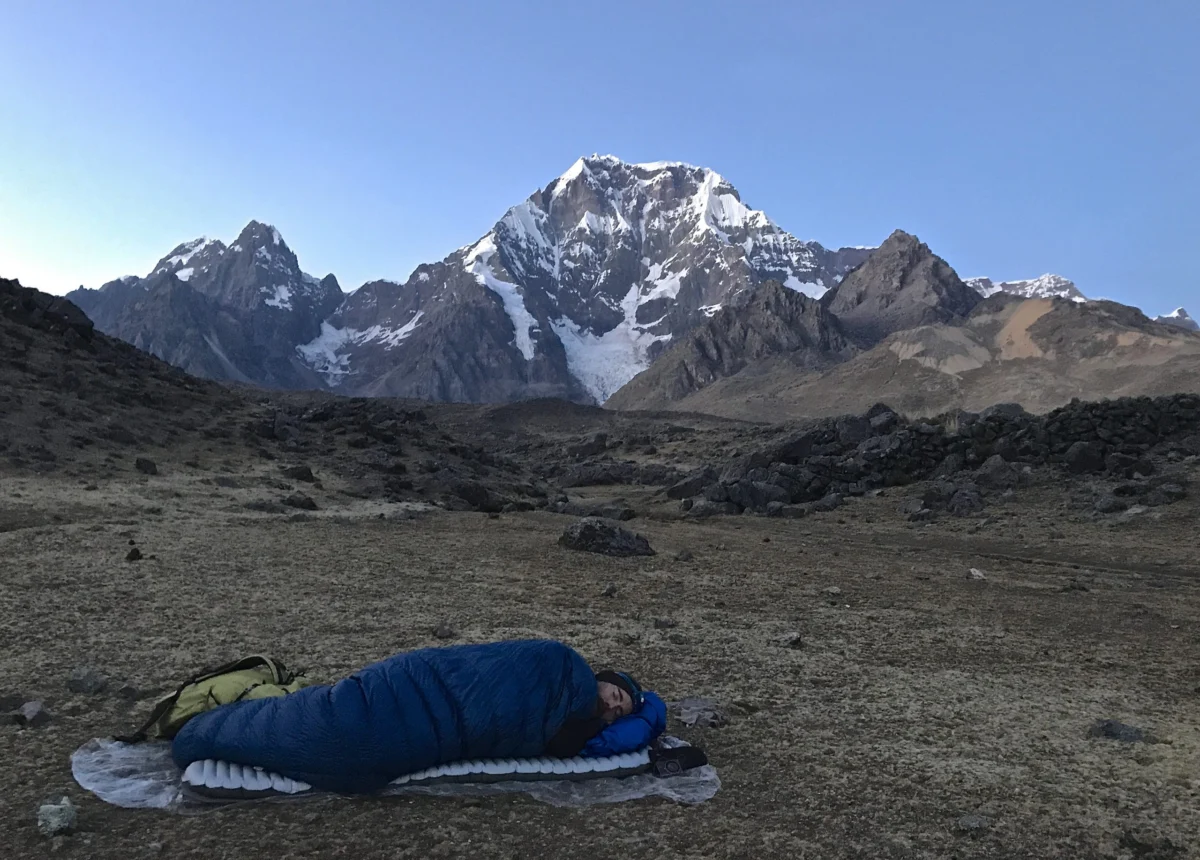
Perhaps the most common urban legend is the idea that sleeping naked in a sleeping bag is warmer. Physics dictates otherwise. Insulation works by trapping heat, and your clothing serves as an additional layer of air-trapping material. Unless your clothes are damp—in which case they will conduct heat away from your body—adding layers like a beanie, base layers, or a down jacket will almost always increase your thermal efficiency inside a bag.

2. The Great Boot Debate: Do You Need High-Tops?
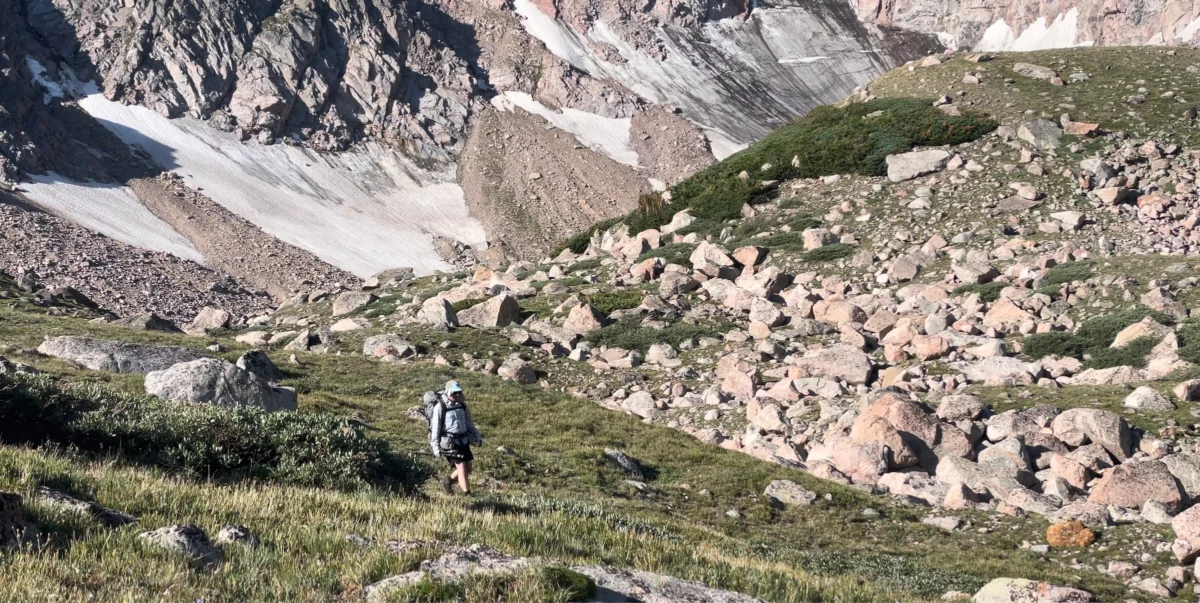
The belief that high-cut boots are essential for "ankle protection" is one of the most enduring myths in the industry. Despite the marketing efforts of boot manufacturers, there is little scientific evidence to suggest that high-cut leather boots prevent ankle sprains better than low-cut trail runners. In fact, heavy footwear leads to increased leg fatigue; as your legs grow tired, your gait becomes less stable, which ironically increases the risk of tripping and injury.
3. The Illusion of "Waterproof" Gear
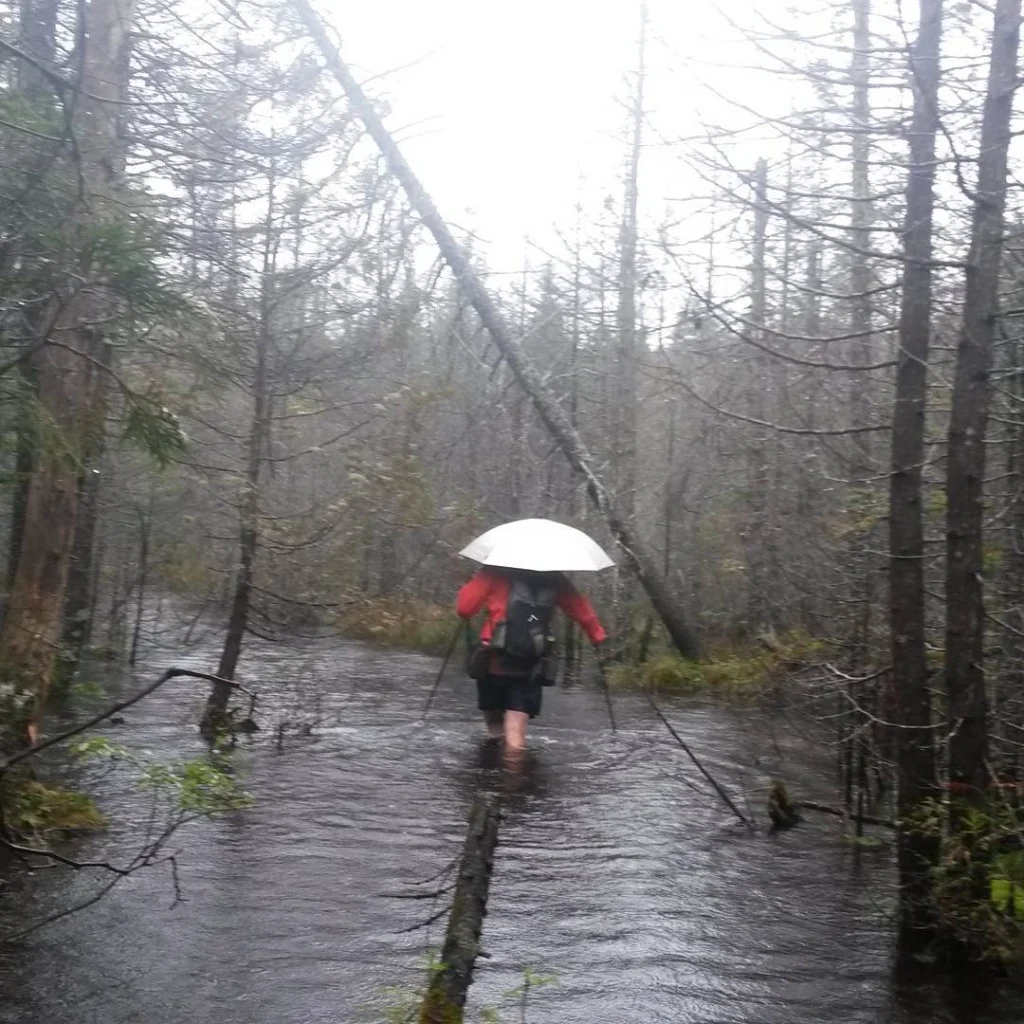
"Waterproof and breathable" is a marketing oxymoron. In reality, given enough exposure to driving rain, wind, and the inevitable buildup of internal moisture from sweat, all waterproof gear will eventually become wet. The goal of technical rainwear is not to keep you perfectly dry, but to keep you warm and functional. The expectation of total dryness is a recipe for frustration; the reality of the backcountry is that, eventually, you will get wet.
4. Environmental Stewardship: Washing in Water Sources
It is a dangerous misconception that biodegradable soap is "safe" to use directly in streams or lakes. Biodegradable soap requires soil bacteria to break down the chemical compounds effectively. When introduced directly into a water body, it can harm aquatic life and disrupt nitrogen levels. Furthermore, it contaminates the water for other hikers downstream. The gold standard for Leave No Trace ethics is to carry water at least 200 feet (61 meters) away from any water source before bathing or washing dishes.
5. The Solo Hiking Dilemma
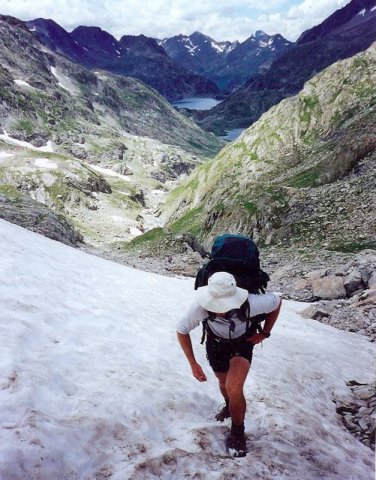
"Never hike alone" is a common directive from park rangers and concerned family members. While it is excellent advice for novices or those heading into extreme, uncharted terrain, it is not a universal truth. The danger lies not in the act of hiking alone, but in the lack of preparation. Solo hiking is a valid pursuit for experienced individuals who possess the judgment to assess risk, navigate, and manage their own safety.
6. The Persistence of Trash: Toilet Paper and Fruit
Many hikers believe that because toilet paper is paper, it biodegrades instantly. In reality, toilet paper can take one to three years to fully decompose, especially in arid climates. Fruit peels—often discarded under the guise that they are "natural"—can take just as long. Moreover, throwing food scraps out of your pack habituates local wildlife to human food, which can lead to aggressive behavior and a loss of natural foraging instincts. Pack it in, pack it out.
7. Metal and Lightning: A Conductive Myth
There is a pervasive fear that metal items—trekking poles, aluminum-frame packs, or even jewelry—act as lightning rods. While metal is an excellent conductor, it does not "attract" lightning in the way a magnetic field might. During an electrical storm, the primary risk factor is your elevation and proximity to the tallest object in the area. If you are on a ridge or a peak, you are the hazard, regardless of whether you are holding an aluminum trekking pole.

8. The Snakebite "Suction" Myth
Old Western movies have done a disservice to emergency medicine. The idea of using a suction device or a razor blade to remove venom is not only ineffective, it is harmful. Venom enters the lymphatic system almost instantly upon injection. Attempting to cut or suck the site only introduces bacteria and damages tissue, potentially accelerating the spread of toxins or leading to secondary infections.
9. The "Just One Person" Shortcut
Individual hikers often justify cutting switchbacks or stepping off-trail to avoid mud by telling themselves, "I’m just one person; it won’t cause damage." This is a fallacy of composition. When hundreds of hikers employ the same logic, it leads to widespread erosion, the destruction of fragile alpine flora, and the widening of trails into muddy, impassable quagmires. The "middle way"—staying on the trail even when it is unpleasant—is the only way to preserve the environment for the future.
10. The Tree-Climbing Bear Strategy
Finally, the suggestion to climb a tree to escape a bear is a death sentence. Black bears are exceptional climbers, and even larger grizzlies are capable of scaling trees if their predatory instincts are triggered. By climbing a tree, you are effectively trapping yourself in a position where the bear can reach you, and you have nowhere left to go.

Implications for the Modern Hiker
The common thread linking these myths is a disconnect between the reality of the wilderness and the convenience-seeking mindset of the modern era. As we move forward, the hiking community must pivot toward education and evidence-based decision-making.
Official Perspectives and Best Practices
Outdoor organizations, including the Leave No Trace Center for Outdoor Ethics and various national park services, emphasize that safety is a product of knowledge rather than gear.
- Preparation: Researching terrain and conditions is more effective than buying the most expensive boots.
- Ethics: The "Pack it In, Pack it Out" rule applies to everything, including biodegradable waste.
- Safety: When encountering wildlife, maintain distance and follow official park guidelines (usually involving bear spray or noise-making) rather than relying on movie-inspired escape tactics.
Conclusion: The Path Forward
The outdoors is not a theme park; it is a complex, dynamic environment that demands respect and critical thinking. By shedding these ten persistent myths, hikers can move beyond the "lore" and engage with the wilderness in a way that is safer for the individual and more sustainable for the planet.

As we continue to explore the great outdoors, let us prioritize truth over tradition. When we challenge our assumptions, we become better stewards of the land and more capable adventurers. Remember: the truth may be slower than the lie, but it is much more reliable when you are miles from civilization.
Note: This article is an expanded exploration of concepts found in "Hiking & Backpacking For Dummies" by Cam Honan (2026, John Wiley & Sons, Inc.). For those looking to deepen their understanding of wilderness ethics and technical hiking skills, this comprehensive guide is available at all major book retailers. ISBN: 978-1394350254.