Introduction: The Elusive Nature of Mountain Sickness
In the high-altitude backcountry, the line between physical exertion and medical distress is often dangerously thin. For veteran hikers and seasoned guides, the assumption that "experience equals immunity" is a persistent myth that can lead to hazardous oversights. A recent case study, documented by a veteran guide with over 30 years of experience, highlights a critical reality of wilderness medicine: symptoms of physical distress at altitude are rarely the result of a single cause. Instead, they are frequently the cumulative outcome of physiological, nutritional, and environmental stressors.
During a recent solo backpacking trip to a remote high-elevation lake in northern Colorado, an experienced outdoorsman encountered a cascade of symptoms—headache, nausea, fatigue, dizziness, and temperature dysregulation—upon reaching an elevation of 11,500 feet. Despite his local acclimatization and extensive background, he found himself suffering from moderate Acute Mountain Sickness (AMS). This incident serves as a poignant reminder that in the mountains, the human body is a complex system where altitude, workload, fueling, and recovery are inextricably linked.
Chronology of a Failed Ascent
To understand the onset of AMS, one must examine the specific timeline of the excursion. The subject, a resident of Estes Park, Colorado, living at 7,600 feet, was well-acclimatized by local standards. However, the trek involved significant physical and environmental variables that pushed his physiology past its breaking point.
The Morning Departure
The trip began at 5:30 a.m. with a departure from Estes Park. The subject initiated his hike at 8:11 a.m. at a base elevation of 8,600 feet. The goal was to reach an alpine lake at 11,500 feet—a net gain of 2,900 feet from the trailhead and a 3,900-foot increase from his residence.
The Approach
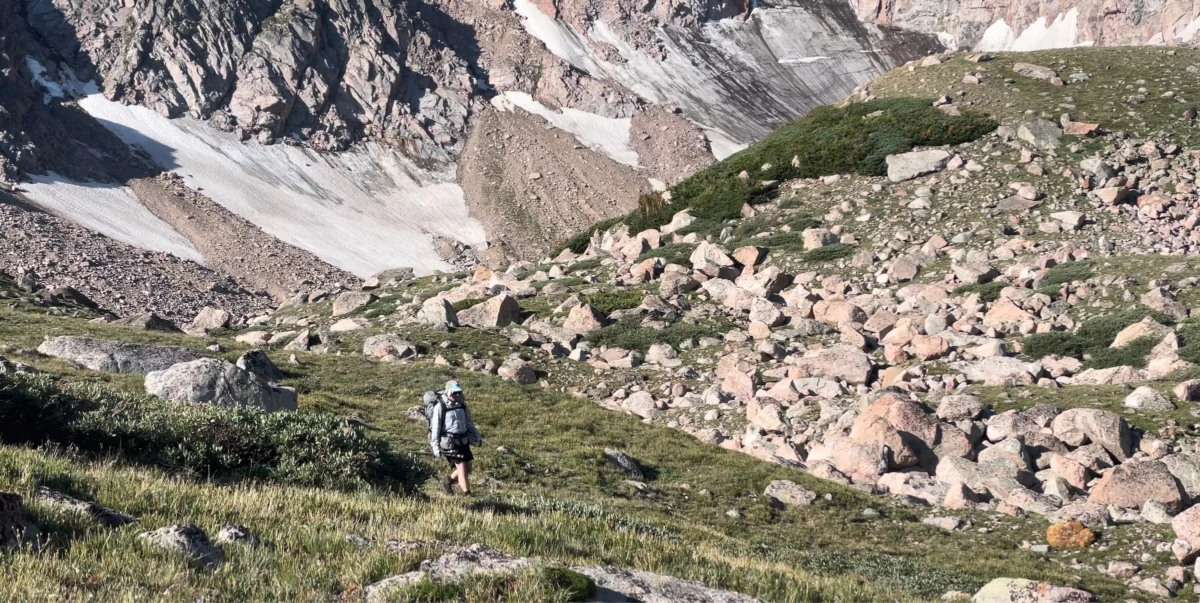
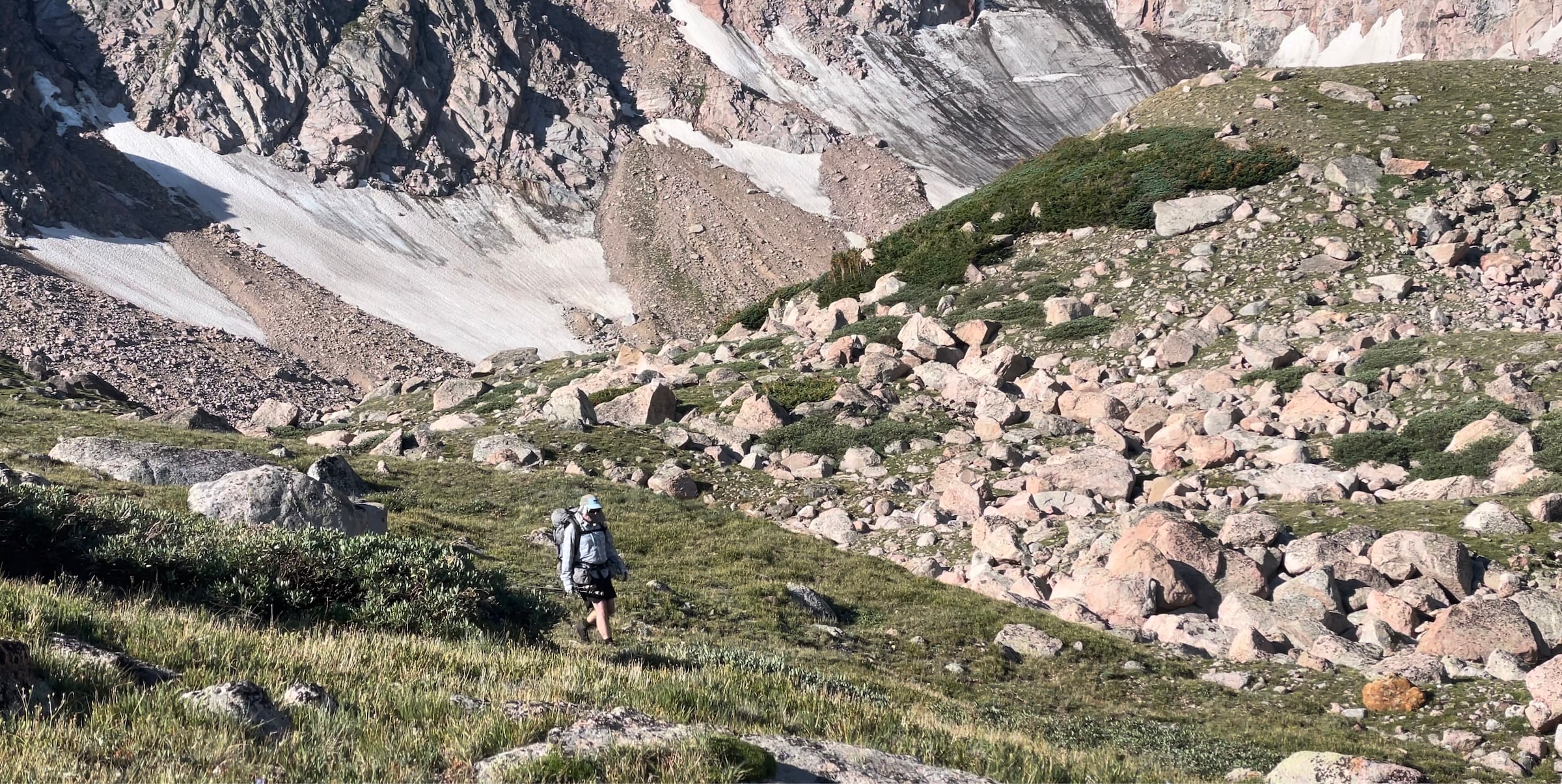
The hike was not a casual stroll; it was a grueling 13-mile push through dense forest and rugged, off-trail alpine terrain. The total cumulative elevation gain was approximately 3,800 feet. Perhaps most significantly, the subject carried a 48-pound pack, which, when combined with two liters of water, resulted in a total pack weight of 52 pounds. For a 165-pound individual, this load represented 32% of his total body weight, an aggressive ratio that exponentially increased the metabolic demand of the ascent.
The Onset of Symptoms
After reaching his destination at 6:24 p.m.—over ten hours after starting—the subject began to experience acute distress. Within hours of settling into camp, the classic signs of AMS manifested: a throbbing headache, waves of nausea, debilitating fatigue, mild dizziness, chills, and shakiness. Retrospective scoring using the 2018 Lake Louise AMS criteria yielded a score of 7, confirming a diagnosis of moderate Acute Mountain Sickness.
Supporting Data: Wearable Technology and Physiological Analysis
The analysis of this case goes beyond subjective reporting, utilizing Garmin wearable data to reconstruct the metabolic reality of the day. The data paints a clear picture of a body pushed into a "perfect storm" of physiological deficit.
Energy Deficit and Carbohydrate Depletion
A meticulous reconstruction of the subject’s caloric intake revealed a massive energy deficit. Sustaining a 13-mile hike with a 50-pound pack requires a significant caloric budget. The subject’s failure to replace the carbohydrates burned during the ascent led to rapid glycogen depletion. When the body runs out of glucose during sustained high-output efforts, it shifts to alternative fuel sources, which are less efficient and can lead to increased fatigue and metabolic instability.
Hydration and Recovery Debt
In addition to caloric depletion, the data highlighted inadequate fluid intake. At 11,500 feet, the air is significantly drier and thinner; the body loses water through respiration at an accelerated rate compared to lower elevations. Furthermore, the subject entered the trip with pre-existing sleep debt. Lack of restorative sleep is known to impair the body’s ability to acclimatize to hypoxia (low oxygen), making the physiological transition to 11,500 feet significantly more difficult.
The Intersection of Factors
The primary lesson from this case is that AMS is often a "diagnosis of exclusion" that is, in reality, a diagnosis of inclusion. The subject’s symptoms could have been attributed to dehydration, hypoglycemia, physical exhaustion, or altitude sickness independently. However, the reality was a synergistic collision of all four.
Altitude Exposure
While 11,500 feet is not "extreme" in the context of Himalayan mountaineering, it is well above the threshold where most individuals begin to feel the effects of hypoxia. For an individual who is fatigued, dehydrated, and glycogen-depleted, the body’s ability to compensate for the reduction in oxygen pressure is severely compromised.
The Workload Factor
The sheer volume of work performed—13 miles with a 50-pound pack—meant that the subject was operating at a high percentage of his VO2 max for a prolonged period. This elevated workload increases cardiac output and respiratory rate, which further exacerbates the dehydration and electrolyte imbalances that contribute to the symptoms of AMS.
Implications for Backcountry Safety
This case study provides a sobering perspective for both recreational backpackers and professional guides. It challenges the assumption that long-term residents of high-altitude environments are immune to altitude-related illness.
Re-evaluating Acclimatization
Living at 7,600 feet provides a baseline, but it does not grant a "pass" when the athlete simultaneously introduces massive physical strain and a rapid change in sleep elevation. The "climb high, sleep low" rule is a gold standard for a reason; sleeping at 11,500 feet after a grueling day of exertion is a significantly higher physiological hurdle than spending a few hours at that same elevation.
The Role of Nutrition and Hydration
Most wilderness medical training focuses on the physiological impact of altitude. However, this study underscores that nutritional and hydration management are just as vital as oxygenation. Maintaining glycogen levels and electrolyte balance is not just about performance—it is a critical safety intervention that preserves the body’s ability to respond to hypoxic stress.
A New Approach to Diagnostic Assessment
The difficulty of diagnosing "the cause" of illness in the field remains a persistent problem for rescuers and hikers alike. When a hiker feels nauseated and dizzy, is it because they didn’t eat enough, or because they are entering the early stages of High Altitude Cerebral Edema (HACE)?
Because the symptoms overlap, the only safe approach is to assume the worst. In this case, the subject was able to manage his condition through rest and rehydration, but for those without a deep understanding of their own metabolic and physiological thresholds, such an event could easily escalate into a life-threatening situation.
Conclusion: Moving Forward with Humility
The case of the 11,500-foot hike in Colorado is a reminder that the wilderness does not care about one’s experience level or past successes. The body is an integrated machine, and when one component—be it nutrition, hydration, rest, or oxygen intake—is neglected, the entire system is at risk.
For the backcountry community, the implication is clear: we must stop viewing mountain sickness as a standalone medical event and start viewing it as the final manifestation of a failed recovery strategy. By monitoring workload, prioritizing caloric density, and respecting the limits of our own physiology, we can better navigate the high-altitude environments we love. Experience, after all, is not just about what we have done; it is about learning how to recognize when the environment is demanding more than we are currently prepared to give.