Introduction: The Deceptive Nature of Mountain Sickness
For seasoned adventurers and wilderness guides, the mountains often feel like a second home. Yet, even for those with decades of experience, the high alpine environment remains a complex, unforgiving laboratory where physiological stability is a fragile commodity. When a veteran guide—someone accustomed to living at 7,600 feet in Estes Park, Colorado—suddenly finds themselves incapacitated at 11,500 feet, the assumption is often simple: it must be altitude sickness.
However, a recent case study involving a veteran outdoorsman reveals that the reality is rarely so singular. By synthesizing wearable data, metabolic tracking, and retrospective symptom analysis, we can begin to unpack the "perfect storm" of physiological stressors that plague backcountry travelers. This analysis serves as a stark reminder that what we perceive as Acute Mountain Sickness (AMS) is frequently a cumulative byproduct of energy deficits, sleep deprivation, hydration failures, and metabolic strain.
The Chronology of a Collapse
The subject, an experienced guide with over 30 years of backcountry expertise, embarked on a one-night excursion that, on paper, appeared well within his comfort zone. Living at 7,600 feet, the subject possessed a degree of baseline acclimatization that should have mitigated the risks of a 11,500-foot campsite.
The Timeline of the Ascent:
- 05:30 AM: Departure from Estes Park.
- 08:11 AM: Initiation of the hike at 8,600 feet.
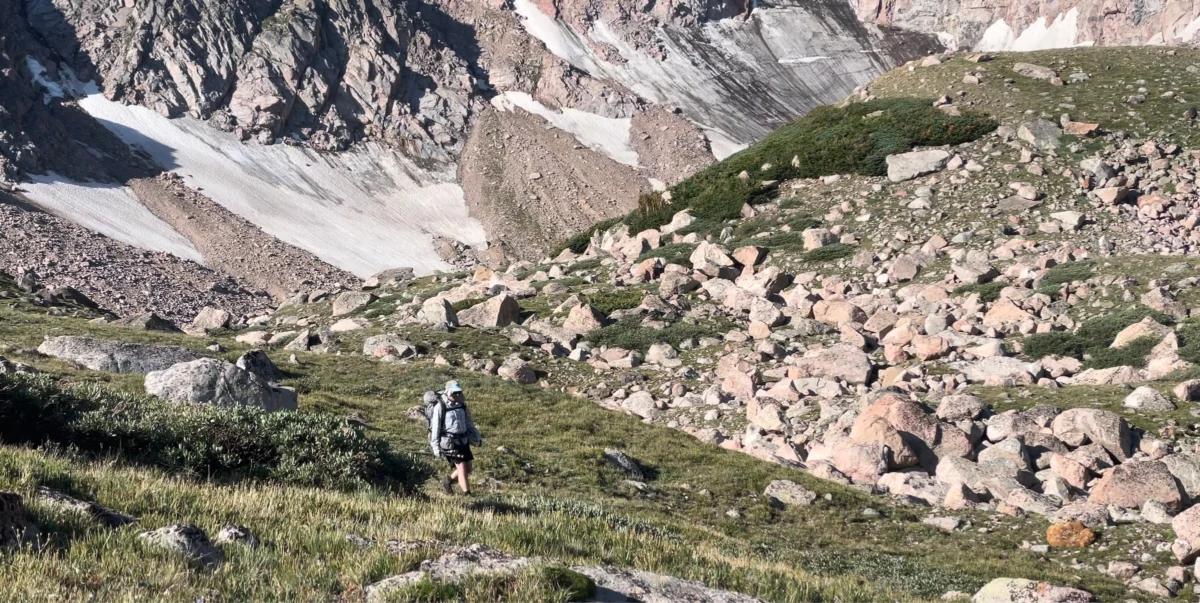
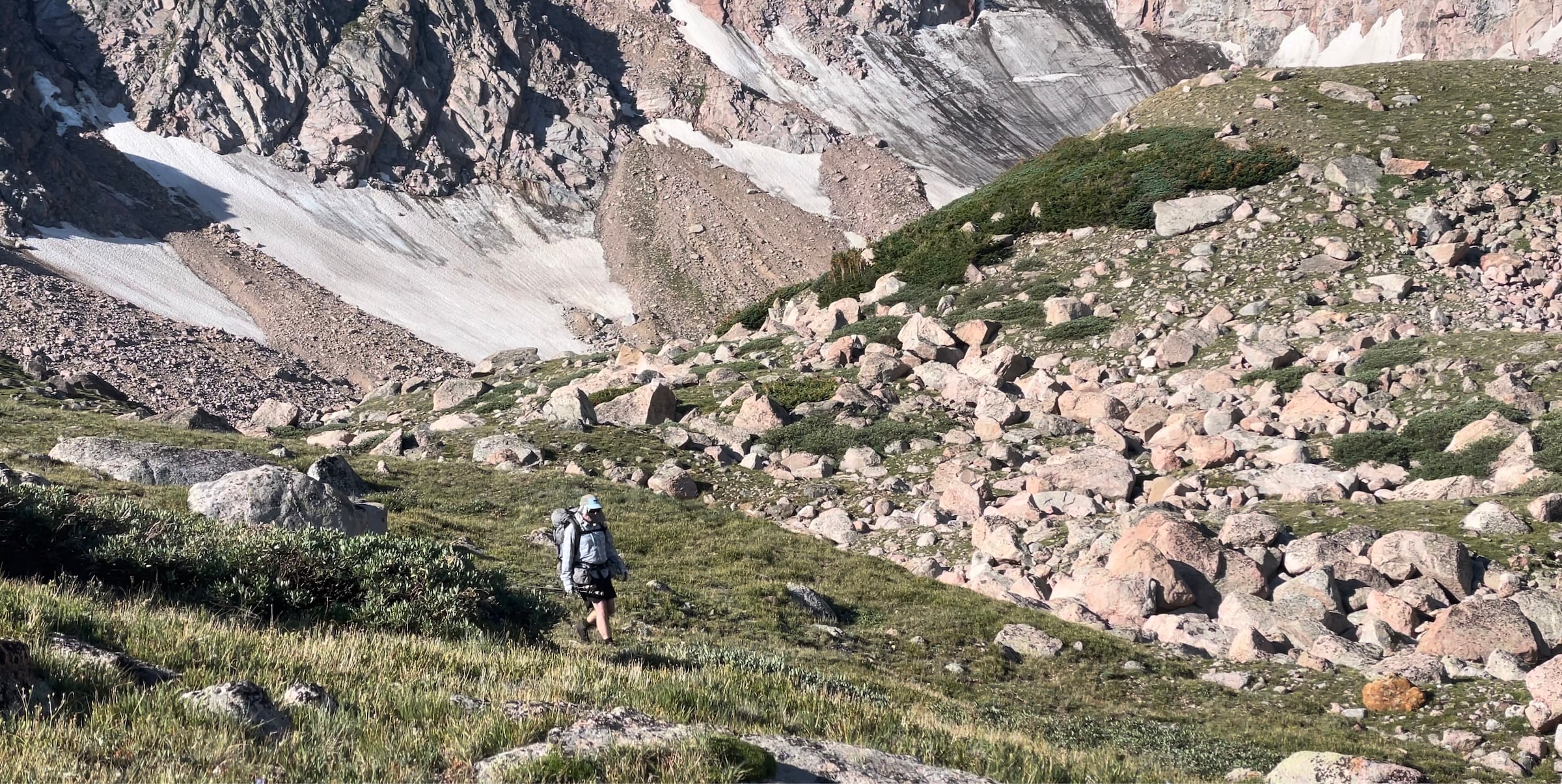
- 08:11 AM – 06:24 PM: A grueling 10-hour push covering 13 miles, involving 3,800 feet of cumulative elevation gain. Much of this terrain was off-trail, traversing dense forest and rugged alpine features.
- The Load: Carrying a 48-pound pack (plus two liters of water), the subject was hauling approximately 32% of his 165-pound body weight.
- 06:24 PM: Arrival at the 11,500-foot alpine lake.
Within hours of setting up camp, the symptoms began in rapid succession: a throbbing headache, nausea, profound fatigue, dizziness, uncontrollable chills, and acute anxiety. The subject’s retrospective Lake Louise AMS score hit a 7—the clinical threshold for moderate Acute Mountain Sickness. But was it merely the thin air?
Supporting Data: Beyond Altitude
To understand why a mountain-hardened guide succumbed to these symptoms, we must look at the "hidden" variables often ignored by hikers who rely solely on their internal compass.
1. Metabolic Bankruptcy (Carbohydrate Depletion)
The physical exertion of hauling a 52-pound pack over 13 miles of off-trail terrain created a massive caloric demand. Retrospective analysis of the subject’s nutritional intake revealed a severe energy deficit. When the body runs out of glycogen—the primary fuel source for high-intensity, prolonged effort—it forces the liver to engage in gluconeogenesis. This process is inefficient and often accompanies a drop in blood glucose levels, manifesting as the exact "shakiness" and "chills" the subject reported.
2. The Hydration Paradox
While hydration is often the first thing preached in wilderness courses, it is surprisingly difficult to maintain during high-output days. The dry, low-humidity air of the Colorado high country accelerates fluid loss through respiration. The subject’s data suggested that fluid replacement failed to keep pace with the insensible water loss associated with the intense cardiovascular load of the climb.
3. The Cumulative Load of Sleep Debt
Prior to the trip, the subject was operating with a pre-existing sleep deficit. In the high-altitude environment, sleep quality is notoriously poor due to periodic breathing and the physiological stress of hypoxia. By entering the backcountry already exhausted, the subject’s autonomic nervous system was unable to effectively regulate heart rate and body temperature, leading to the reported temperature dysregulation.
Implications: The "Symptom Convergence" Theory
The primary takeaway from this case study is the danger of "symptom convergence." In the wilderness, medical issues rarely arrive in isolation. The symptoms of dehydration—headache, fatigue, and dizziness—are nearly identical to the symptoms of mild-to-moderate AMS. When you add the symptoms of hypoglycemia (shakiness, anxiety, sweating), you create a clinical picture that is nearly impossible to diagnose in the field.
The Role of Wearable Tech
The use of Garmin data provided a critical window into the subject’s physiology. By tracking heart rate variability (HRV), resting heart rate, and sleep stages, the subject was able to see that his body was in a "red zone" long before he felt the worst of his symptoms. Modern wearable technology is shifting the paradigm from "guessing" what is wrong to having an objective, albeit incomplete, data set to guide decision-making.
The Diagnostic Challenge
For the layperson or even the experienced guide, this creates a dangerous feedback loop. If a hiker incorrectly diagnoses themselves with AMS, they may attempt to descend immediately, potentially putting themselves at risk in the dark or on treacherous terrain. If they correctly diagnose the issue as a "bonk" (hypoglycemia) or dehydration, they might stay put, hydrate, and eat, which would alleviate the symptoms without the need for an emergency evacuation.
Official Perspectives on High-Altitude Management
Experts in wilderness medicine, such as the Wilderness Medical Society (WMS), emphasize that AMS is a diagnosis of exclusion. However, the practical application of this in a tent at 11,500 feet is daunting.
According to current wilderness medicine protocols, the four pillars of maintaining performance at altitude remain:
- Pacing: Avoiding overexertion during the initial 24–48 hours of ascent.
- Nutrition: Prioritizing high-carbohydrate, easily digestible caloric intake to prevent metabolic crashes.
- Hydration: Monitoring urine output and ensuring consistent, balanced electrolyte intake.
- Rest: Protecting sleep hygiene at all costs.
The subject of this study failed on all four fronts. By pushing for a "long day" with a heavy pack, he forced his body to adapt to altitude while simultaneously demanding an Olympic-level athletic performance. The result was not a failure of acclimatization, but a failure of resource management.
Conclusions: Lessons for the Backcountry Traveler
What can the average hiker learn from this incident? First, recognize that your "baseline" is not static. A week of poor sleep or a high-stress work schedule significantly lowers your threshold for altitude-related illness. Second, the "pack weight to body weight" ratio is a critical factor often underestimated. Carrying 32% of one’s body weight is an endurance feat that requires meticulous fueling.
The retrospective analysis of this case proves that the mountains do not punish us for one specific mistake; they punish us for the intersection of several. When we hike, we are not just managing altitude—we are managing our internal fuel gauges, our hydration balance, and our systemic recovery.
As the subject noted, the most common medical issues in the backcountry are rarely singular. By viewing our physical status as a dynamic, multifactorial system, we can make better decisions—whether that means shedding weight, eating more frequently, or choosing a shorter route. The next time you find yourself feeling ill at 11,000 feet, ask yourself: Is it the air, or is it the machine? Often, the answer is that the machine simply needs more fuel.
Summary Checklist for High-Elevation Trips:
- Pre-Trip Recovery: Ensure at least 48 hours of adequate sleep before departure.
- Caloric Budgeting: Aim for 30–60 grams of carbohydrates per hour of heavy exertion.
- The 20% Rule: Try to keep your pack weight under 20-25% of your body weight if your route involves significant elevation gain or off-trail travel.
- The "Stop and Assess" Method: If you feel symptomatic, stop, sit, drink 16 ounces of water, and consume 200 calories of simple carbohydrates. Wait 30 minutes. If symptoms do not improve, prioritize descent.
By moving away from a singular focus on altitude and toward a holistic management of physiological load, we can continue to enjoy the high peaks safely, regardless of the elevation.