As the summer sun begins to dip and the crisp air of autumn approaches, outdoor enthusiasts across the United States are turning their attention toward the annual Labor Day sales. For those who live for the trail, this is more than just a retail holiday; it is a strategic window to upgrade technical gear, replace worn-out essentials, and invest in high-performance equipment at significant discounts.
This year, the market is particularly favorable for consumers. With major retailers like REI, Backcountry, and specialized manufacturers like Cascade Designs and Sea to Summit launching aggressive promotional campaigns, the opportunity to optimize one’s kit has never been better. However, navigating these sales requires more than just a credit card; it requires an understanding of value, longevity, and the specific needs of the backcountry environment.
Main Facts: The State of the 2026 Outdoor Gear Market
The 2026 Labor Day sales event is characterized by a "clear-the-shelves" approach from major outdoor retailers. Following a robust summer season, retailers are looking to transition their inventory to accommodate winter sports equipment and cold-weather apparel.
For the savvy hiker, this presents a unique convergence of factors:
- Deep Discounts: Retailers are offering site-wide discounts typically ranging from 20% to 50% on select items.
- Curated Quality: The current sales are not limited to overstocked, low-tier items. Industry leaders are discounting flagship products—including ultralight tents, specialized sleep systems, and technical navigation tools—that are generally excluded from mid-year promotional cycles.
- The "Field-Tested" Standard: This guide focuses on items that have been rigorously vetted in real-world conditions. Whether it’s high-altitude expeditions in the Nepal Himalaya or long-distance treks across the American West, the gear highlighted here has been chosen based on durability, weight-to-performance ratio, and practical utility.
Chronology of the Event
The Labor Day sales cycle operates on a specific timeline that dictates the availability of stock.
- Pre-Sale Awareness (August 28–30): Retailers begin teasing "Early Access" deals. This is the optimal time for consumers to build "wishlists" on platforms like REI and Backcountry to monitor price drops in real-time.
- The Main Event (August 31–September 6): The primary sales window, during which the widest inventory is available. This is when the most popular sizes and colorways sell out.
- The Final Push (September 7 – Labor Day): The closing phase. Retailers often clear out remaining inventory, occasionally offering an additional "take-off" percentage for clearance items.
- Post-Labor Day (September 8 onwards): Inventory levels typically plummet, and remaining items are moved to "Outlet" or "Final Sale" categories, where return policies are often significantly more restrictive.
Supporting Data: Why Strategic Purchasing Matters
Investing in quality gear is an investment in safety and comfort. When analyzing the current market, it is helpful to categorize gear into three tiers: "Essential Survival," "Comfort/Efficiency," and "Consumable."
The "Essential Survival" Tier
This includes navigation tools, emergency communication devices, and shelter. The recent focus on Garmin inReach devices is a perfect example of why sales matter. In extreme environments—such as the Nepal Himalaya, where weather conditions can shift from clear skies to blizzard conditions within minutes—having reliable, satellite-backed communication is not a luxury; it is a critical safety requirement. During Labor Day sales, these high-ticket items often see rare price drops, making them accessible to a wider demographic of hikers.
The "Comfort and Efficiency" Tier
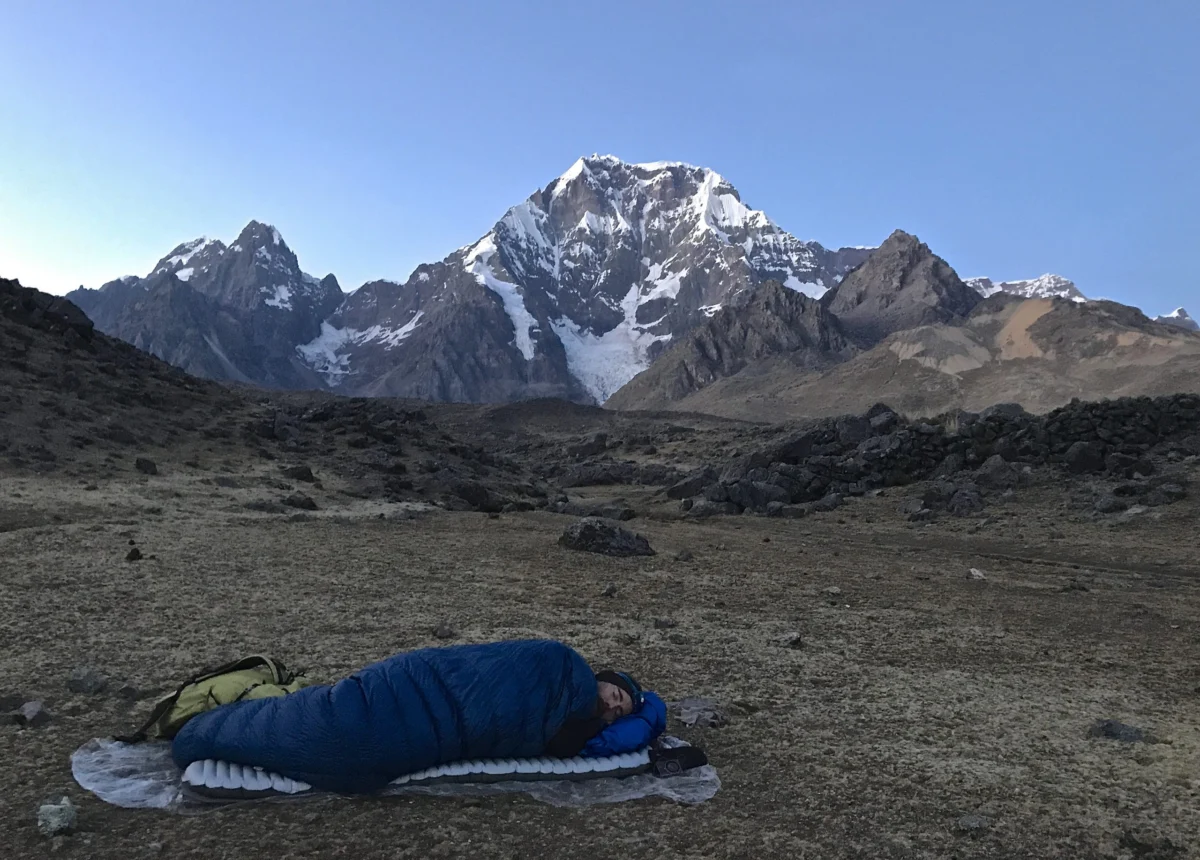
This encompasses sleep systems (quilts, sleeping bags, pads) and carry systems (packs). Data from long-distance thru-hikers suggests that reducing base weight by even a few ounces per category leads to a significantly higher completion rate for long-distance trails. Purchasing high-end, lightweight gear during the Labor Day sale allows hikers to upgrade from heavy, older technology to modern, carbon-fiber or high-denier nylon alternatives without the full retail price tag.
The "Consumable" Tier
Footwear, socks, and hydration bladders. Because these items have a finite lifespan, Labor Day is the perfect time to stock up. Buying two pairs of proven trail runners at a 30% discount is, in effect, securing a "buy one, get one" deal on the most important piece of equipment: your feet.
Official Retailer Responses and Industry Trends
Retailers have shifted their strategy toward "Omnichannel Experiences." According to internal reports from companies like REI, the integration of online browsing with in-store pickup has allowed for more efficient inventory management.

"We recognize that our customers are increasingly research-driven," notes a representative from a leading outdoor retailer. "The 2026 sales cycle reflects a commitment to providing value on gear that actually makes a difference in the backcountry. We aren’t just discounting apparel; we are discounting the tools that enable adventure."
Industry analysts point to a "post-pandemic correction" in the outdoor industry. During the 2020–2022 period, supply chain constraints led to inventory shortages. Now, the market is experiencing an oversupply, which is the primary driver behind the deep, sitewide discounts seen this Labor Day. For the consumer, this is a "buyer’s market" that may not last into the 2027 season.
Implications for the Modern Hiker
What does this mean for the person planning their next expedition? The implications are threefold:
1. Financial Optimization
By timing major purchases—tents, packs, and technical electronics—around these sales, a hiker can save anywhere from $300 to $800 on a complete kit. These savings can then be reallocated toward trail logistics, such as travel, food, or permits for more ambitious routes.
2. Gear Reliability
There is a common misconception that "sale gear" is "inferior gear." However, the items highlighted in this year’s cycle—from brands like Sea to Summit and Cascade Designs—are the same products utilized by elite mountain guides. Buying these items at a discount does not compromise your safety; it simply makes elite-level gear more accessible to the average enthusiast.
3. Sustainability and Longevity
The most sustainable gear is the gear that lasts. By purchasing high-quality items during these sales, you are less likely to need a replacement in the coming years. A high-performance, well-maintained sleeping pad or backpack can last for thousands of miles. Investing in quality now reduces the need for the "fast-fashion" cycle that currently plagues much of the outdoor retail space.
Final Recommendations for the Sale
As you approach the checkout, keep these final tips in mind:
- Cross-Reference: Use the links provided to check prices across multiple retailers. Sometimes, a specific brand may offer a better discount on their direct website than a third-party retailer, or vice-versa.
- Check the Specs: Never buy based on price alone. Ensure the technical specs of the item (e.g., warmth-to-weight ratio, waterproof ratings, or pack capacity) align with your specific trekking goals.
- Read the Disclosure: As always, when utilizing affiliate links or retail portals, be aware of the referral structures. These links—such as those provided for REI and Backcountry—often help fund the independent journalism and gear testing that keeps the hiking community informed.
The Labor Day sales of 2026 represent a unique intersection of high-quality inventory and accessible pricing. Whether you are prepping for a weekend in the local mountains or planning a multi-month traverse of a major trail system, now is the time to finalize your gear list and execute your purchases.
If you have specific questions about the performance of certain items in extreme cold or high-humidity environments, feel free to leave a comment below. The gear is only as good as the knowledge of the person carrying it.
Disclosure: This post contains affiliate links, which means The Hiking Life may earn a small commission if you purchase an item after clicking one of the links. This comes at no additional cost to you and helps pay the bills to keep the site running. Thank you for your continued support of independent outdoor journalism.