Executive Summary: A Strategic Vision for Finland’s Future
In a formal submission to the Finnish government (Reference: VN/7088/2026-VNK-7), the Finnish Olympic Committee has unveiled a comprehensive proposal aimed at addressing one of the country’s most pressing, yet often overlooked, structural challenges: the decaying state of its sports and well-being infrastructure.
The Committee, led by Deputy CEO Petri Keskitalo, argues that a national renewal program for sports facilities should serve as a cornerstone of Finland’s EU partnership plan. By linking the reduction of a nearly one-billion-euro maintenance deficit in sports facilities to broader EU objectives—such as energy efficiency, regional vitality, and social cohesion—the Olympic Committee aims to transform physical activity spaces into engines of national productivity and public health.
Chronology of the Initiative
The proposal, submitted on August 6, 2026, follows a period of intense preparation and cross-sectoral collaboration.
- Initial Preparations (2024–2025): The Finnish Olympic Committee engaged in extensive dialogue with the Ministry of Education and Culture (OKM), municipal authorities, and various non-governmental organizations (NGOs) to identify the scale of the "maintenance debt" affecting the nation’s sports facilities.
- The January 2026 Consensus: A pivotal moment occurred in January 2026, when all parliamentary parties reached a historic agreement to improve the physical functional capacity of the Finnish population by 15% by the year 2040. This political commitment provided the necessary framework for the Committee’s current infrastructure proposal.
- The Working Group Report (Mid-2026): As the government formulated its national and regional partnership plans for EU funding, the Olympic Committee reviewed the initial working group reports, leading to the formal submission in August.
The Case for Infrastructure: Data and Scope
The "maintenance debt"—the cost required to bring existing facilities up to modern standards—currently sits at approximately one billion euros. This is not merely a cosmetic issue; it represents a systemic barrier to the health and productivity of the Finnish workforce.
The Multi-Pronged Impact
The Olympic Committee’s proposal is unique because it connects sport to the "hard" metrics of the European Union’s funding criteria:
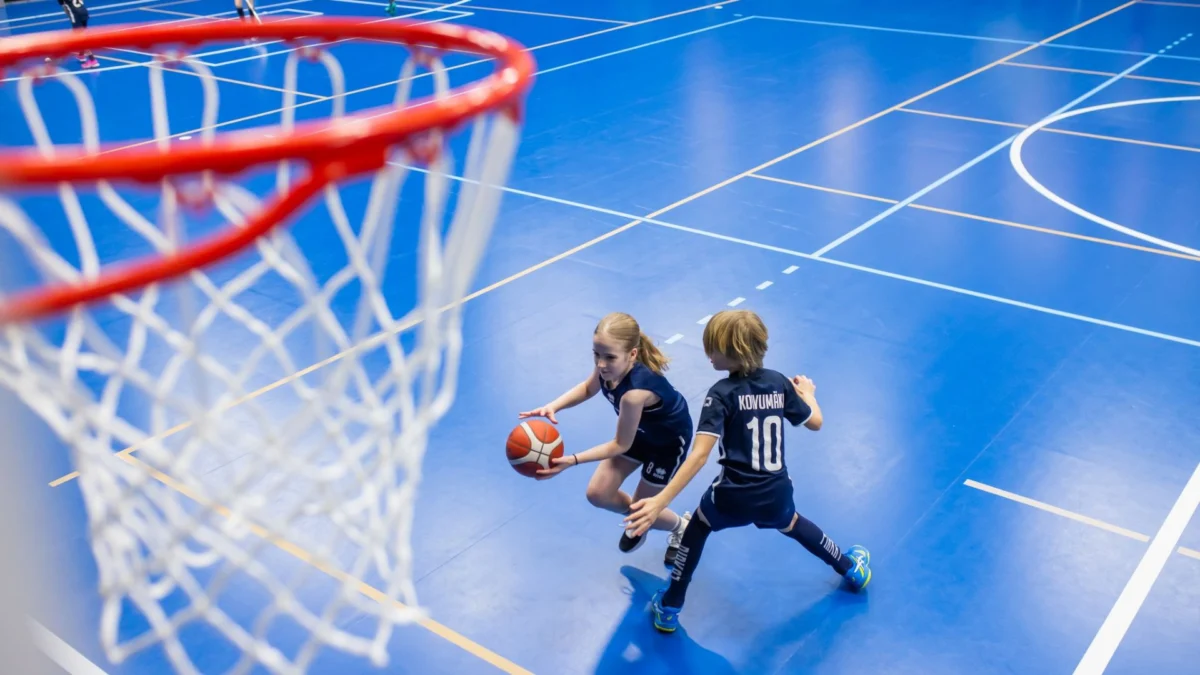
- Energy Efficiency: Many public sports halls and arenas are aging, energy-inefficient structures. Renovating these facilities is a direct contribution to the EU’s Energy Efficiency Directive and Finland’s own national building renovation plans.
- Economic Productivity: By increasing the accessibility of sports facilities, the project directly supports the 2040 goal of improving physical functional capacity. A more active population is a more resilient workforce, directly correlating to lower healthcare costs and higher long-term productivity.
- Regional Vitality: In rural and aging municipalities, high-quality sports facilities act as anchors for community life. Improving these spaces directly counters regional brain drain by increasing the attractiveness of local living environments.
Official Responses and Strategic Recommendations
The Finnish Olympic Committee’s submission offers a constructive critique of the current government working group reports, emphasizing the need for a "two-tier" approach to national and regional partnership plans.
Advocating for the Ministry of Education and Culture
The Committee urges the government to strengthen the role of the Ministry of Education and Culture (OKM) in the planning process. While the current focus of EU-funded partnership plans often leans toward traditional industrial or digital infrastructure, the Committee argues that social infrastructure is equally vital.
"The Ministry of Education and Culture should be in a central position as the authority responsible for at least one significant thematic entity," the report states. This would ensure that themes such as social inclusion, quality of life, and competence are not relegated to the periphery of economic planning.
A Call for Inclusive Governance
A significant portion of the Olympic Committee’s feedback focuses on the process of governance. They advocate for a more participatory model in the future, where civil society organizations are involved early in the drafting stages. By including a wider range of societal voices, the government can ensure that the infrastructure investments reflect the actual needs of the people, rather than just top-down economic theory.
Implications: A New Pillar for National Security
The argument for this infrastructure project has evolved to include the concept of "total security." In the current geopolitical climate, the resilience of the Finnish population—both physically and socially—is seen as an integral component of national security.
Connecting Health to Competitiveness
The Committee argues that if EU funding is to be prioritized toward investments that support growth and public finance sustainability, the renewal of sports and well-being infrastructure must be treated as a strategic priority.
By creating a national "Investment Framework" for sports, Finland could:
- Reduce Healthcare Burden: Proactive investment in physical activity prevents chronic lifestyle diseases that are projected to place an unsustainable strain on the national health budget over the next two decades.
- Enhance Social Cohesion: Accessible, modern sports facilities provide a neutral, safe space for integration and community building, which are essential for social stability.
- Align with EU Standards: The project acts as a bridge, helping Finland meet the "just transition" criteria of the EU by ensuring that even in regions undergoing economic transformation, the population maintains access to high-quality well-being services.
The Path Forward: Towards 2040
The proposal is not a standalone request for funding but a call for integration into the national policy framework. The Olympic Committee has already secured preliminary funding from the Ministry of Education and Culture to conduct feasibility studies, but the goal is to weave this into the broader EU funding cycles.
As Finland looks toward 2040, the goal of a 15% increase in physical capacity is ambitious. Without significant, long-term investment in the physical environments where that activity occurs, the target remains largely aspirational.
The Finnish Olympic Committee’s stance is clear: infrastructure is the foundation of well-being. By prioritizing the modernization of sports facilities, Finland has the opportunity to demonstrate to the rest of the European Union that a healthy, active population is the most sustainable foundation for long-term economic competitiveness and national security.
The government’s response to this submission will serve as a bellwether for how it intends to balance the demands of fiscal consolidation with the necessary, long-term investments in the human capital of its citizens. As Petri Keskitalo concluded in his formal submission, the time to act is now, ensuring that the legacy of today’s policy is a more resilient, active, and healthy Finland for the next generation.