In a significant legislative maneuver, a bipartisan cohort of US senators has unveiled a comprehensive framework aimed at overhauling the federal permitting process for energy and infrastructure projects. Titled the "Bipartisan American Affordability and Jobs Act," the legislation represents a high-stakes attempt to modernize a regulatory apparatus that many lawmakers argue has become a bottleneck for national progress. However, as the bill moves toward a post-election Senate vote, it has ignited a fierce debate, pitting the urgency of economic expansion against the preservation of environmental safeguards.
The Core of the Legislation: Accelerating Infrastructure
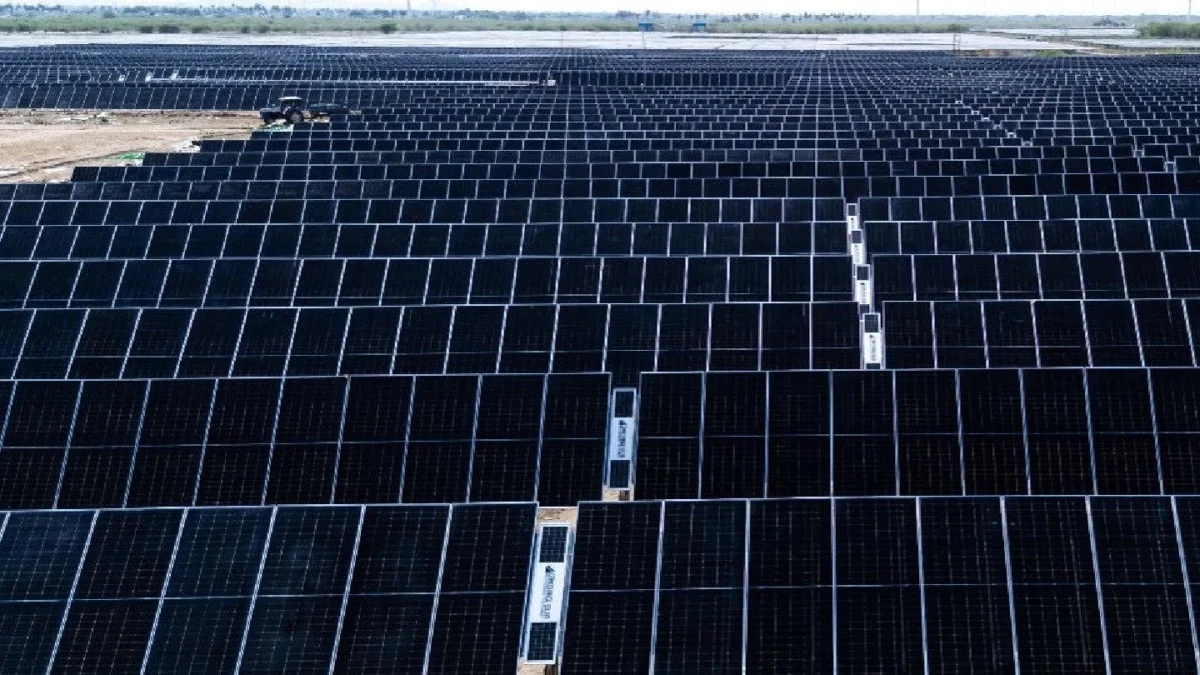
The fundamental objective of the Bipartisan American Affordability and Jobs Act is to reduce the time, cost, and complexity associated with federal permitting. For decades, the construction of essential infrastructure—ranging from interstate transmission lines and high-speed data centers to sprawling renewable energy farms and traditional fossil fuel extraction sites—has been hindered by a labyrinthine federal review process.
The proposed law seeks to codify efficiency through several key mechanisms:
- Mandated Deadlines: The bill imposes strict timelines for environmental reviews, requiring federal agencies to finalize major assessments within a one-to-two-year window.
- Judicial Reform: By setting specific limits on the duration and scope of court challenges, the bill aims to reduce the "litigation loop" that has historically paralyzed project developers.
- Inter-agency Coordination: A major component of the bill is the streamlining of communication between disparate federal departments, ensuring that permits are processed concurrently rather than in a siloed, sequential fashion.
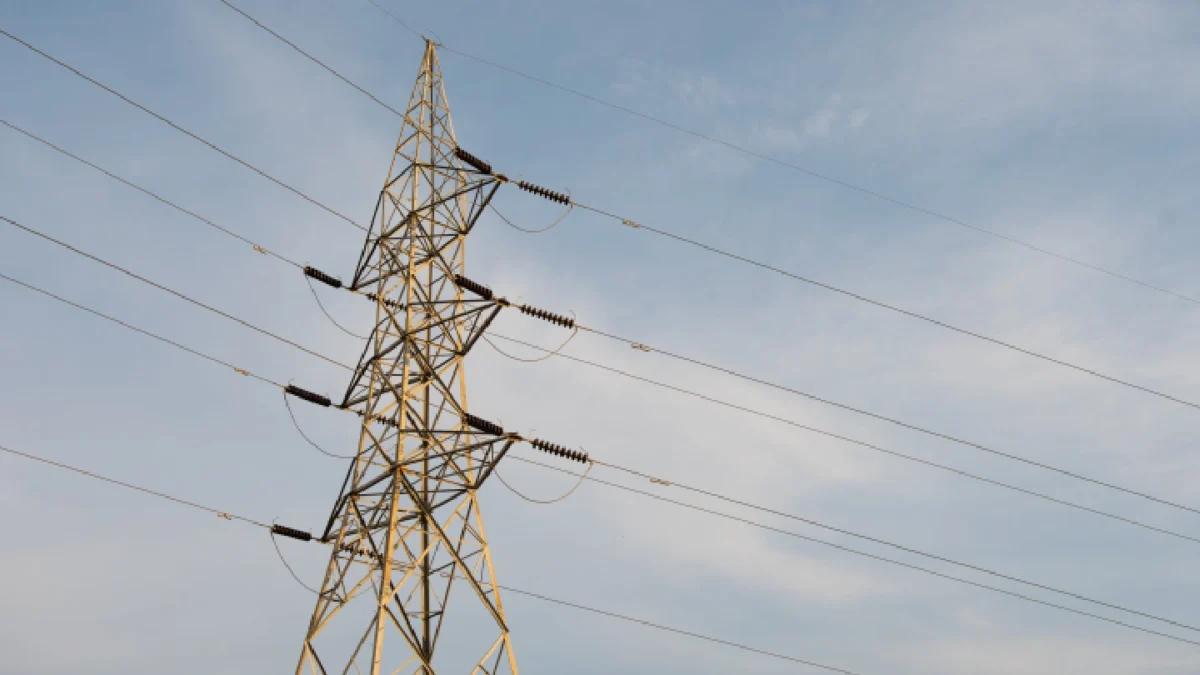
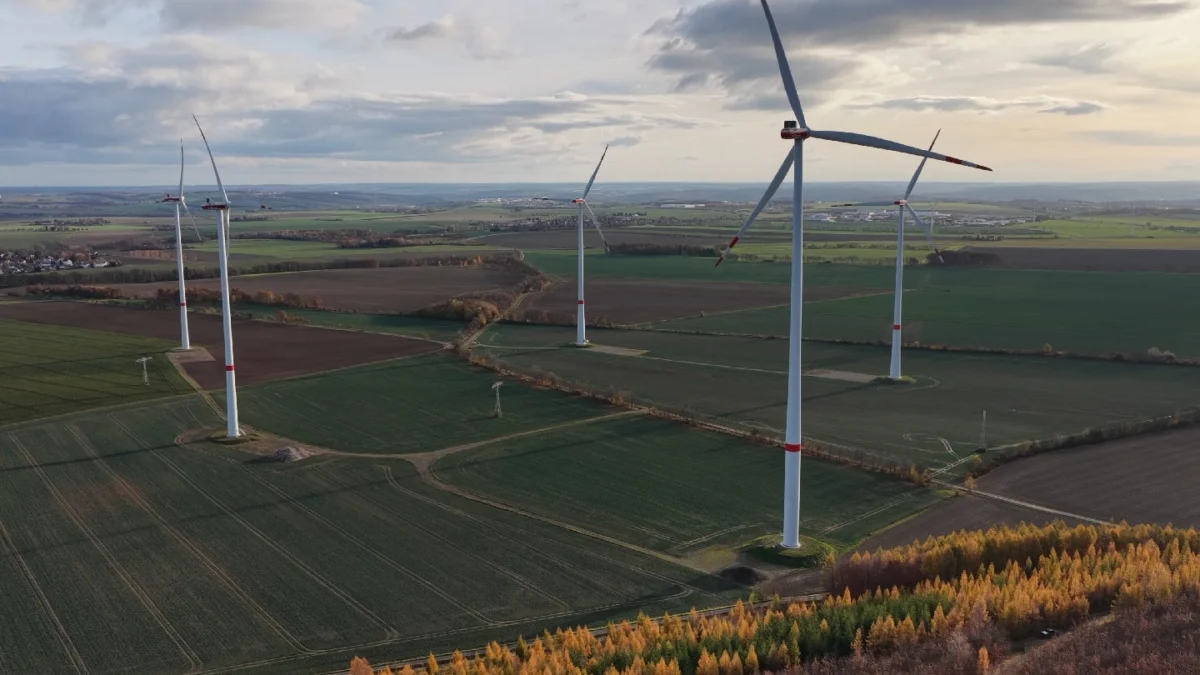
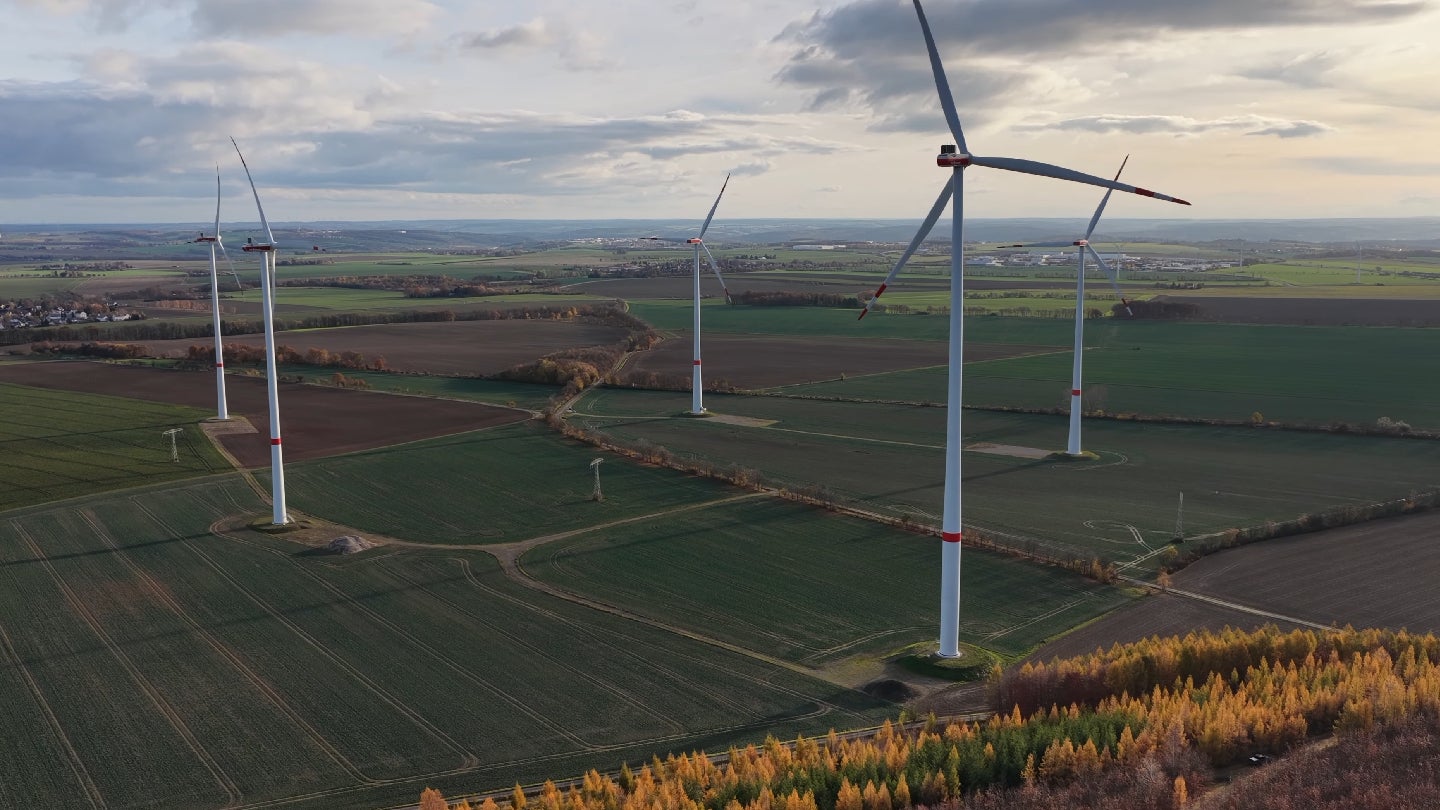
- Targeted Support: The legislation includes specialized provisions designed to fast-track transmission line upgrades and infrastructure necessary to integrate both onshore and offshore wind energy into the national grid.
A Chronology of Negotiations
The path to this bipartisan agreement has been anything but linear. For years, the federal permitting process—governed largely by the National Environmental Policy Act (NEPA)—has been a point of friction.
- Initial Stagnation: Earlier in the current legislative cycle, talks regarding permitting reform faced significant setbacks. A major point of contention arose in December, when the Trump administration abruptly suspended five major offshore wind projects, citing unspecified concerns. This move chilled the atmosphere for bipartisan cooperation, as environmental groups feared a broader crackdown on clean energy.
- The Pivot: Momentum shifted as the political landscape evolved. President Trump’s signaled willingness to reconsider his stance on wind and solar, provided that permitting reform also benefited broader infrastructure, opened the door for new negotiations.
- The Breakthrough: On October 30, a bipartisan group of senators formally presented the deal. While the framework is finalized, political reality has dictated the timing of the vote; leadership has opted to delay the floor vote until after the November mid-term elections to avoid the pressures of the campaign trail.
The Economic and Industrial Perspective
Industry leaders have largely heralded the proposal as a long-overdue modernization of the American economy. The American Petroleum Institute (API), representing a massive swath of the nation’s energy sector, has been one of the most vocal proponents of the reform.
API President and CEO Mike Sommers emphasized that the current system is "broken" and serves as a barrier to consumer affordability. "Washington has a generational opportunity to fundamentally transform a broken permitting system and help address the affordability challenges facing American consumers," Sommers stated. From the industry perspective, the bill is not merely about profits; it is about infrastructure capacity. Without the ability to build, the United States risks falling behind in global energy security and data infrastructure competition.
Republican Senator Mike Lee, serving as the Senate Energy Committee chairman, framed the legislation as a moral imperative for American prosperity. During a recent press conference, he noted, "We are motivated by one central shared concern: we want to make it easier in America to build things." His colleague, Senator Shelley Moore Capito, who chairs the Environment and Public Works Committee, echoed this sentiment, arguing that the bill creates a "faster, more efficient, and easier" path for growth without abandoning essential environmental oversight.
The Environmentalist Critique: A "Wish-List" for Industry?
Despite the enthusiasm from industry lobbyists, the bill has encountered stiff opposition from environmental advocacy groups. Critics argue that the "efficiency" touted by the bill’s sponsors is actually a euphemism for the systematic dismantling of protections that safeguard clean water, air, and endangered species.
Brad Campbell, president of the Conservation Law Foundation, has been particularly vocal in his criticism. Campbell characterized the bill as "a fossil fuel industry wish-list" that undermines the intent of NEPA and other foundational environmental laws. The primary fear among environmentalists is that the mandatory timelines for environmental reviews are too aggressive, leaving little room for rigorous scientific analysis or public consultation.
Furthermore, the limitation on court challenges is viewed by many legal experts in the environmental space as a direct threat to the democratic process. By restricting the ability of citizens and non-governmental organizations to sue to stop harmful projects, the bill could, they argue, effectively silence the communities most impacted by industrial development.
Supporting Data: Why Permitting Matters
To understand the necessity of this bill, one must look at the data surrounding project delays. According to recent federal reports, the average time to complete an Environmental Impact Statement (EIS) has ballooned, often exceeding five years. In sectors like high-voltage transmission, which is critical for moving renewable energy from rural wind farms to urban population centers, projects frequently languish in "permitting purgatory" for a decade or more.
Industry analysts estimate that the total cost of these delays—measured in inflation, lost labor productivity, and missed opportunities for carbon reduction—amounts to billions of dollars annually. For renewable energy specifically, the lack of transmission infrastructure is arguably a greater threat to the transition to clean energy than the lack of generation technology itself.
Implications for the Future
The implications of the Bipartisan American Affordability and Jobs Act extend far beyond the energy sector. If passed, the legislation will set a precedent for how the US government balances economic development with regulatory oversight.
- Grid Modernization: The specific provisions for transmission lines could act as a catalyst for a cleaner energy grid, provided the environmental reviews are not so truncated that they result in poorly sited projects.
- Political Polarization: The fact that this is a bipartisan effort is notable in an era of intense political division. It suggests that, despite ideological differences, there is a growing consensus among lawmakers that the status quo is unsustainable.
- The Legal Landscape: Should the bill become law, the judiciary will play a critical role in interpreting the new, more rigid timelines. We are likely to see a surge in litigation early on as stakeholders test the limits of the new "court challenge" restrictions.
- Long-term Environmental Health: The long-term impact on the nation’s natural resources remains the primary unknown. Proponents believe that the bill creates a more "rational" system, while opponents believe it creates a "reckless" one.
Conclusion: A Delicate Compromise
The Bipartisan American Affordability and Jobs Act is a classic example of the legislative trade-offs required in a modern democracy. It attempts to reconcile the "build, build, build" ethos of the industrial sector with the "protect, protect, protect" mandate of the environmental movement.
As the nation heads toward the November mid-term elections, the bill serves as a litmus test for the American political climate. It asks a fundamental question: Can the United States fix its broken permitting system to meet the challenges of the 21st century without sacrificing the integrity of the environment it seeks to preserve? The answer, which will likely be hashed out in the halls of Congress late this year, will define the trajectory of American infrastructure for decades to come. Whether the act results in a surge of clean, efficient growth or a series of preventable environmental crises remains the central point of contention, and for now, the final verdict rests with the electorate and their representatives.