By Industry News Desk
In a significant advancement for Australia’s energy transition, renewable energy developer Neoen has officially commenced construction on the first stage of the 346MW Goyder North Wind Farm. Located in the Mid North region of South Australia, near the town of Burra, this project represents a critical expansion of the company’s flagship Goyder Renewables Zone. As South Australia continues to cement its global reputation as a leader in wind and solar integration, the Goyder North project stands as a testament to the scale and technical ambition required to meet the nation’s decarbonization targets.
The project, which received formal approval from the South Australian Government in 2024, is slated to begin commercial operations by 2029. Once fully commissioned, it is expected to generate 1.3 terawatt-hours (TWh) of clean electricity annually—an output that will boost the state’s total wind generation capacity by approximately 10%.
Main Facts: Engineering the Energy Transition
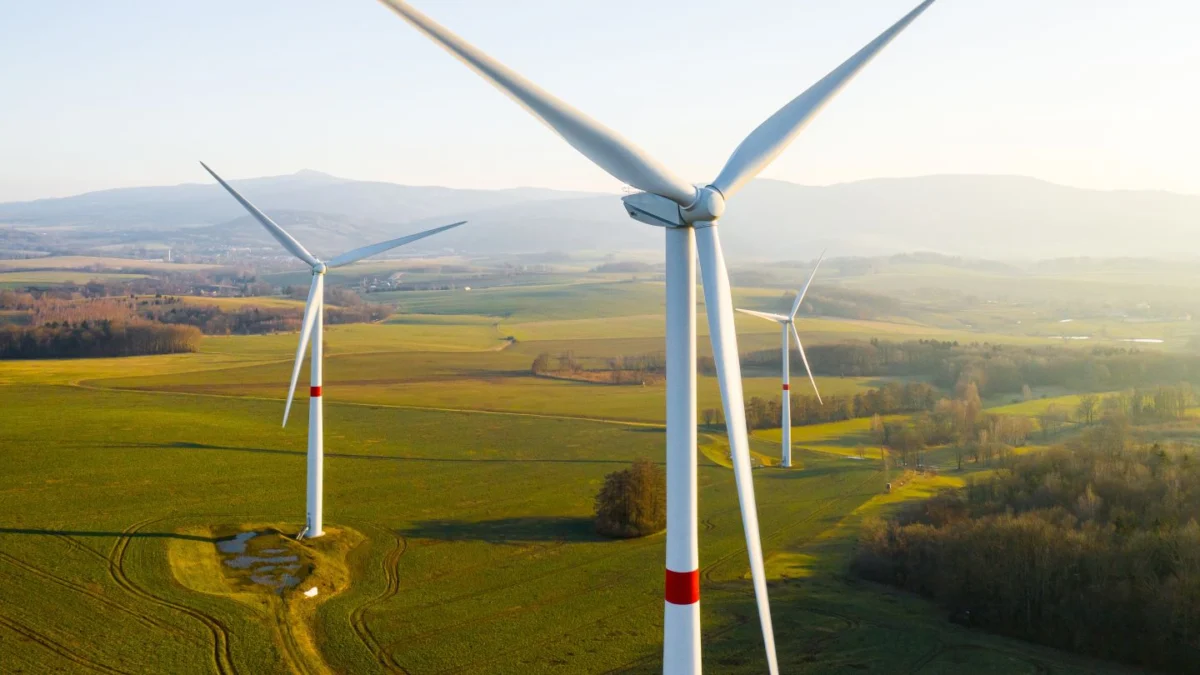
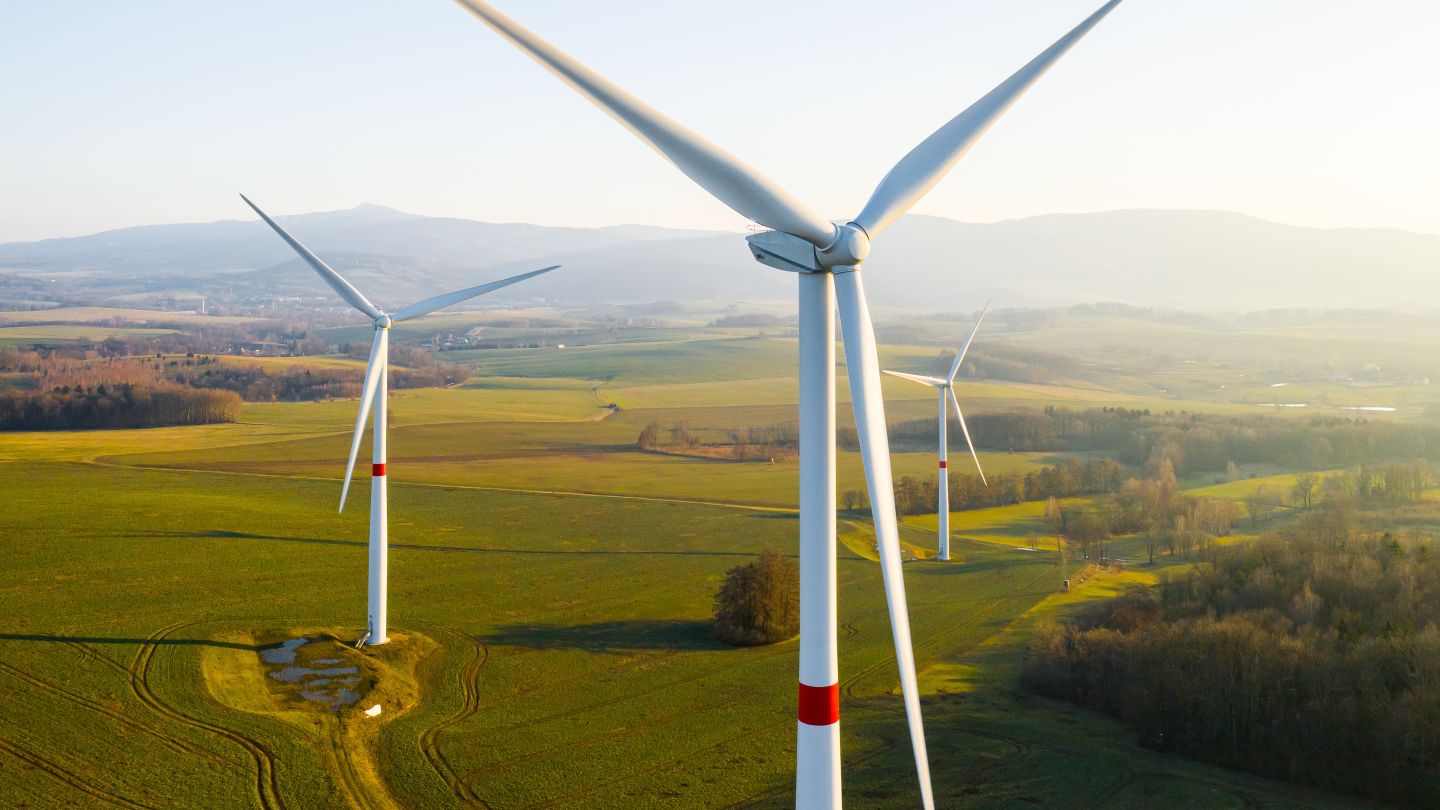
The Goyder North Wind Farm is a centerpiece of Neoen’s broader strategy to create a multi-technology energy hub capable of providing "baseload" renewable power. To achieve this, the project will utilize 48 of Vestas’ advanced V172-7.2MW wind turbines, which are designed to capture high-velocity winds characteristic of the Mid North region.
The infrastructure required to integrate this energy into the national grid is as complex as the turbines themselves. Neoen has officially issued "notices to proceed" to two industry leaders:
- Vestas: Tasked with the supply and installation of the 48 turbines.
- Downer: Appointed to manage the engineering, procurement, and construction (EPC) of the vital grid connection and transmission infrastructure, which will link the farm to ElectraNet’s Bundey substation.
The location of the project on the land of the Ngadjuri Nation adds a layer of cultural significance, with the developers emphasizing a collaborative approach to land use and community engagement throughout the construction process.
Chronology: A Roadmap to 2029
The development of the Goyder Renewables Zone has been a multi-year effort, marked by strategic milestones:
- 2024: The South Australian Government grants formal planning approval for the Goyder North Wind Farm, clearing the path for site preparation.
- July 2025: Neoen successfully commences its initial 70MW baseload contract with BHP, supplied by the existing Goyder South Stage 1 Wind Farm and the Blyth Battery.
- April 2026: While focusing on Australian assets, Neoen expands its global footprint by breaking ground on two major solar projects in Ireland, the 162MWp Garr Solar Farm and the 33MWp Johnstown North Solar Farm.
- October 2026: Construction officially begins on stage one of the Goyder North project.
- 2029: Projected commencement of commercial operations, marking a major increase in state-wide renewable output.
Supporting Data: The Scale of Ambition
The numbers behind the Goyder Renewables Zone are substantial. By integrating wind energy with large-scale battery storage, Neoen is solving the "intermittency problem" that has historically challenged renewable adoption.
Key Metrics
- Total Capacity (Goyder North Stage 1): 346MW.
- Annual Production: 1.3TWh per annum.
- Goyder Renewables Zone Total Capacity: 1.2GW.
- Combined Annual Output: 2.5TWh, enough to power more than 500,000 homes—representing roughly 20% of South Australia’s total annual energy demand.
- Battery Storage Integration: The 454MW/1.81GWh Goyder Battery acts as a shock absorber, allowing for the 24/7 supply arrangement with BHP.
Economic Impact
Beyond the electrons, the project is a major economic driver for the Mid North region. Stage one alone is expected to create approximately 500 construction jobs, with more than ten permanent roles dedicated to ongoing site operations. When viewed across the seven-year construction timeline for the entire Goyder Renewables Zone, Neoen estimates that total employment will exceed 1,000 positions, with 30 permanent operational roles remaining once the hub is fully active.
Official Responses and Stakeholder Engagement
The start of construction has drawn positive reactions from both the corporate and public sectors. Jean-Christophe Cheylus, CEO of Neoen Australia Pacific, framed the project as a milestone of collaboration.
"The start of construction at Goyder North is another major milestone for our flagship Goyder Renewables Zone and reflects the strength of the partnerships we have built across the region over the past decade," Cheylus said. "I would like to extend my deepest thanks to our host landowners, the Ngadjuri Nation, the Regional Council of Goyder, and to BHP for their ongoing trust and support."
He noted that the project is not merely about power generation but about delivering "lasting benefits for the Goyder community."
For BHP, the project is a critical component of their decarbonization roadmap. By utilizing a 100MW renewable energy baseload agreement, the mining giant ensures that its South Australian operations—including the Olympic Dam, Carrapateena, and Prominent Hill mines—are powered by sustainable sources. This arrangement effectively de-risks the company’s energy supply, insulating it from the price volatility of traditional fossil fuel markets.
Implications for the National Energy Market (NEM)
The implications of the Goyder North project extend far beyond the borders of South Australia. The National Energy Market (NEM) is currently undergoing a rapid transformation as aging coal-fired power plants retire and are replaced by decentralized, weather-dependent assets.
Solving the Baseload Conundrum
One of the most persistent criticisms of wind and solar has been their inability to provide "baseload" power—energy that is available 24/7. By pairing the Goyder North wind generation with the 454MW/1.81GWh Goyder Battery, Neoen is demonstrating that "firming" renewables is not only possible but commercially viable at scale. This hybrid model provides a blueprint for other developers and governments looking to transition away from coal without compromising grid stability.
Strengthening Grid Resilience
The connection to ElectraNet’s Bundey substation ensures that the power generated in the Mid North can be efficiently transmitted to major load centers. As the state increases its share of renewables, projects like Goyder North provide the necessary inertia and voltage control required to keep the grid steady.
Global Lessons
Neoen’s simultaneous expansion in Europe—such as the 2026 Irish solar projects—indicates that the company is refining its operational model in Australia and applying those lessons globally. The ability to manage complex EPC relationships with contractors like Vestas and Downer, while navigating land-rights agreements with First Nations peoples, is becoming a core competency for Neoen.
Conclusion: A Blueprint for the Future
As construction crews mobilize near Burra, the Goyder North Wind Farm stands as more than just a cluster of 48 turbines. It is a critical piece of infrastructure that will help define the next decade of Australian energy policy. By bridging the gap between intermittent generation and the rigorous demands of industrial users like BHP, Neoen is proving that a high-renewables grid is not a future aspiration—it is an engineering reality being built today.
With its completion expected in 2029, the project will play a defining role in South Australia’s journey toward total decarbonization, providing a template for how renewable energy zones can balance economic development, community support, and the technical challenges of the modern grid. As the global energy sector watches, the success of Goyder North will likely serve as a leading indicator for the pace and nature of the transition toward a cleaner, more resilient power system.