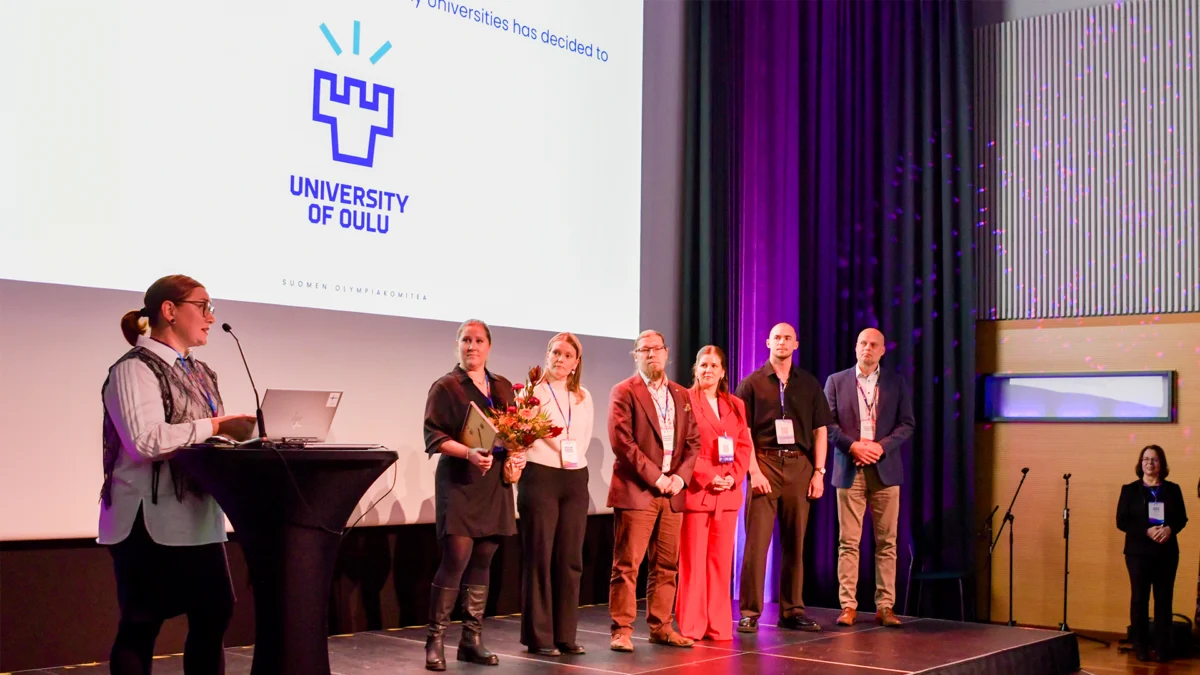
In a landmark development for Finnish academic and athletic synergy, the University of Oulu has officially been awarded the "Elite Athlete-Friendly Higher Education Institution" (HUMKK) quality label. This recognition, celebrated on October 6, 2026, during a high-level dual-career seminar in Oulu, marks a significant milestone in the university’s commitment to supporting student-athletes in balancing rigorous academic pursuits with high-performance sports.
The University of Oulu is now the eighteenth institution in Finland to successfully pass the rigorous HUMKK audit. This achievement underscores a national trend toward creating more flexible, supportive, and inclusive environments for athletes who aim to excel both in the lecture hall and on the field.
The Path to Recognition: Chronology of the Audit
The journey to achieving this status was not merely a formal administrative hurdle; it was a transformative process that involved deep introspection and structural evolution within the university.
- Early 2025: The University of Oulu initiates the internal audit process, aligning its policies with the national HUMKK framework.
- Autumn 2025: The Faculty of Medicine launches a pioneering pilot program, appointing a dedicated "home tutor" for twenty student-athletes, setting a benchmark for personalized academic support.
- Winter 2025–Spring 2026: Continuous collaboration between the university and the Oulu Region Sports Academy (Ouluseutu Urheiluakatemia) intensifies, focusing on refining communication channels and support mechanisms.
- October 6, 2026: During the national dual-career seminar, the audit committee officially grants the quality label to the University of Oulu, acknowledging the institution’s successful integration of athlete-friendly practices.
Institutional Commitment and Strategy
The audit process served as a catalyst for cultural change. According to Johanna Flyktman, a quality expert at the University of Oulu, the institution viewed the audit not just as a test, but as a development tool.
"The HUMKK audit process solidified the university management’s commitment to supporting the reconciliation of high-performance sports and academic studies," Flyktman noted. "It significantly increased staff awareness regarding support practices. Throughout the process, we implemented several development measures to ensure the fluidity of studies for high-performance athletes."
Flyktman emphasized that the active participation of student-athletes was critical. "Their input ensured that we weren’t just creating policies on paper, but building systems that actually work in practice. The audit provided a roadmap for long-term development that goes far beyond simply receiving a label."
The "Omaopettaja" Model: A Pillar of Student Support
One of the core strengths identified by the audit committee was the University of Oulu’s student-centric guidance system, particularly the "Omaopettaja" (home tutor) model.
In a traditional university setting, athletes often struggle to navigate rigid curricula when training camps, competitions, and recovery periods overlap with examination weeks or laboratory sessions. The University of Oulu has addressed this by ensuring that student-athletes have a designated point of contact—a faculty member who understands the specific pressures of elite sports.
The success of the medical faculty pilot, where one staff member is tasked with overseeing the progress of twenty athletes, serves as a blueprint for other departments. By centralizing guidance, the university ensures that student-athletes do not "fall through the cracks" during peak competition seasons.
Supporting Data: The Six Pillars of the HUMKK Framework
The HUMKK quality model is a comprehensive evaluation framework consisting of six major areas and 23 specific quality indicators. This rigorous approach ensures that institutions are not just paying lip service to athlete support, but are fundamentally changing their operational architecture.
The core areas evaluated include:
- Personalized Academic Guidance: Moving away from "one-size-fits-all" advice to tailored paths.
- Flexible Study Arrangements: Allowing for extensions, alternative examination methods, and blended learning.
- Recognition of Prior Learning: Giving academic credit for the high-level skills acquired through elite sports (e.g., discipline, time management, resilience).
- Institutional-Academy Cooperation: Formalized partnerships with entities like the Oulu Region Sports Academy.
- Transition Support: Assisting athletes moving from upper secondary school to higher education—a notoriously difficult period for young talents.
- Staff Competence: Ensuring professors and administrative staff are trained to recognize the unique needs of the student-athlete population.
The Student Perspective: Insights from the Field
For the athletes themselves, the value of the university’s initiative is measured in the reduction of stress and the ability to plan their futures with confidence.
Toni Keränen, a javelin thrower and student of business administration at the University of Oulu, highlighted the community aspect of the audit process. "The HUMKK project involved us in joint sessions that were incredibly valuable," Keränen said. "It gave us a chance to hear the experiences of our peers and reflect on our own situations. It helped us realize we aren’t alone in this dual-career struggle. These sessions didn’t just help with current studies; they gave us the tools to navigate the future."
Keränen’s testimony reflects a broader goal of the program: to foster a sense of belonging and camaraderie among student-athletes, transforming them from isolated individuals struggling to balance two lives into a supportive, interconnected community.
Implications: A New Era for Finnish Elite Sports
The implications of the University of Oulu’s accreditation are far-reaching. As Finland continues to invest in its "dual-career" philosophy, the role of universities becomes paramount.
Economic and Societal Impact
By enabling athletes to obtain degrees while training, universities are ensuring that these individuals have professional lives after their sports careers end. This reduces the risk of post-career depression or financial instability among retired athletes—a significant societal win.
The Role of Regional Academies
The partnership between the University of Oulu and the Oulu Region Sports Academy is the engine of this success. This collaboration allows for a seamless flow of information. If a student-athlete needs to travel for an international competition, the Academy can communicate this need to the university’s faculty, ensuring that academic consequences are minimized.
Future Outlook
The "Elite Athlete-Friendly" status is not a permanent state; it is a commitment to continuous improvement. As the university looks toward the future, the focus will likely shift to expanding digital infrastructure—enabling more remote learning opportunities—and further integrating sports-acquired competencies into the academic curriculum.
Conclusion: Setting the Standard
The University of Oulu’s achievement stands as a beacon for other institutions, both in Finland and internationally. By prioritizing the holistic development of the individual, the university is proving that academic excellence and athletic success are not mutually exclusive—they are complementary paths that, when managed correctly, lead to well-rounded, resilient, and highly capable graduates.
As the university moves forward, the "Omaopettaja" model and the strong ties with the Oulu Region Sports Academy will serve as the foundation for future innovation. In a world where the demands on elite athletes are higher than ever, institutions that can provide stability, flexibility, and genuine support will continue to attract the brightest and most disciplined minds.
The message from the Oulu seminar was clear: The dual career is not just an option; it is a necessity for the modern athlete. And with the University of Oulu leading the charge, the future of the Finnish student-athlete has never looked brighter.