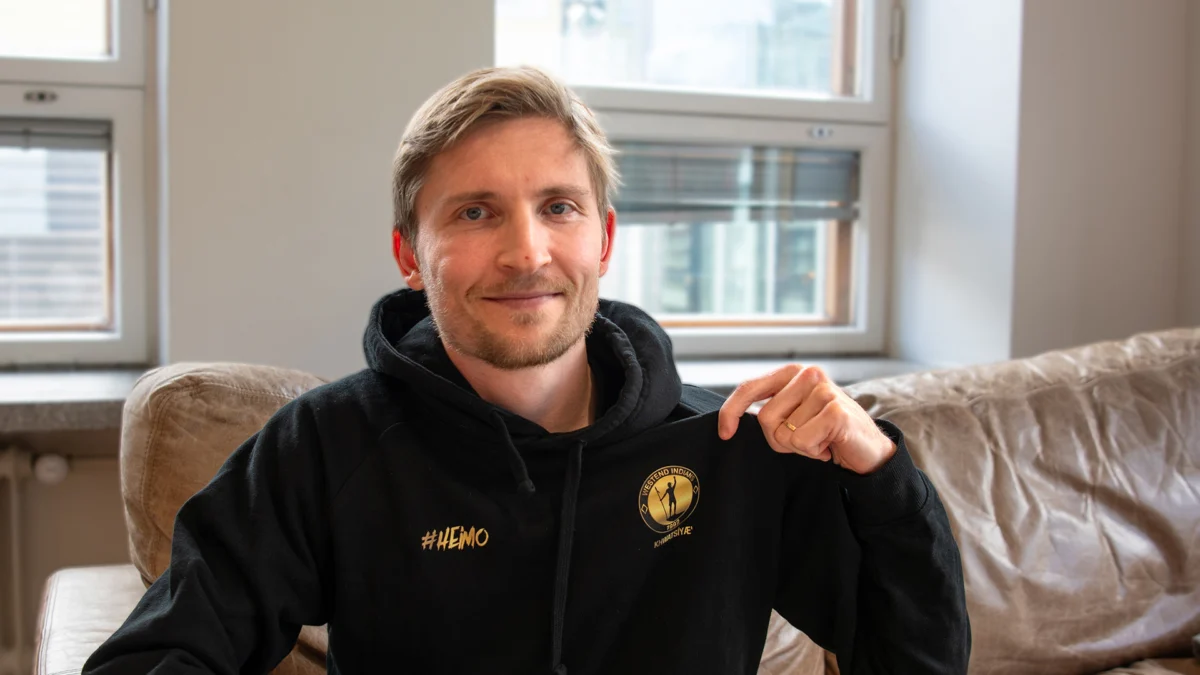
In the modern landscape of professional sports, where player movement, contract negotiations, and the pursuit of individual glory often take precedence over institutional history, the career of Valtteri Kainulainen stands as a striking anomaly. A stalwart of the Finnish floorball scene, Kainulainen’s tenure with Westend Indians—the Espoo-based club affectionately known as "The Tribe" (Heimo)—is a masterclass in commitment, identity, and the enduring power of community-driven sport.
Across a career that spanned over a decade in the F-liiga, Kainulainen did more than just compete; he served as the bedrock upon which the club’s current identity was built. From guiding the team through its formative years in the lower divisions to hoisting the club’s first-ever F-liiga medal, his narrative is inextricably linked with the rise of Westend Indians.
The Foundation: From Kirkkojärvi to the Otahalli
Valtteri Kainulainen’s floorball journey did not begin in the bright lights of the professional arena, but rather in the modest surroundings of Kirkkojärven Loiske. It was here that he developed the fundamentals of his game before transitioning into the Westend Indians junior system.
When asked about his most vivid early memories with the club, Kainulainen points to a setting that might surprise casual observers: the Otahalli. "We had previously played in school gyms, often dodging wall bars and cramped conditions," he recalls. "Stepping into a proper hall as part of a larger, ambitious club felt like a significant transition. It was the moment I realized the scale of what we were building."
This transition marked the start of a 12-year journey in the F-liiga, during which Kainulainen donned the iconic yellow-and-black jersey in over 300 regular-season matches. Throughout these years, he served as the team’s captain—a role he held not just by mandate, but by temperament.
Chronology of a Career: A Life in Yellow and Black
The trajectory of Kainulainen’s career mirrors the ascent of Westend Indians itself.
- Early Development: Rising through the junior ranks, Kainulainen quickly established himself as a leader, proving that his value extended beyond his technical skill set.
- The Ascent: He was instrumental in helping Westend Indians bridge the gap from the first division to the elite F-liiga. This era defined his work ethic, characterized by a willingness to prioritize team success over individual accolades.
- The Captaincy Era: For over a decade, Kainulainen wore the captain’s armband. His tenure was defined by stability during the league’s most volatile periods, as he helped navigate the team through coaching changes and evolving roster compositions.
- The Climax (Spring 2025): The pinnacle of his career arrived in the spring of 2025. In a dramatic bronze medal match against Seinäjoen Peliveljet (SPV), the Indians secured a 5–1 victory. This marked the first F-liiga medal in the club’s history—a historic achievement that cemented the core group’s legacy.
- Transition: Shortly after the historic medal win, Kainulainen announced his retirement from top-tier competition. The decision was prompted by the birth of his first child, as he chose to prioritize his growing family over the rigorous demands of professional athletics.
The "Heimo" Identity: More Than Just a Mascot
The term "Heimo" (The Tribe) is central to the club’s ethos, and according to Kainulainen, it is far more than a marketing slogan. It describes a culture of accessibility and shared purpose.
"The nickname tells you everything you need to know about the club," says Kainulainen. "We are all part of the same collective. You see the adult players greeting the juniors in the hallways, signing autographs, and genuinely engaging with the younger generation. The community spirit in Indians is tangible. I’ve always wanted to be a part of that."
Kainulainen’s humility is a defining trait. He describes his career not as a series of high-octane highlights, but as a commitment to "step-by-step" progress. He viewed himself as a servant of the club’s mission, famously stating, "I have always defended the Indians’ goal and thrown myself in front of shots. I have always thought about the game with humility rather than looking for quick fixes or glory."
Supporting Data and Club Impact
The statistics of Kainulainen’s career are impressive—over 300 regular-season games—but his impact is better measured by his consistency. In a league where player turnover is the norm, his 12-year stint provided a sense of continuity that is increasingly rare.
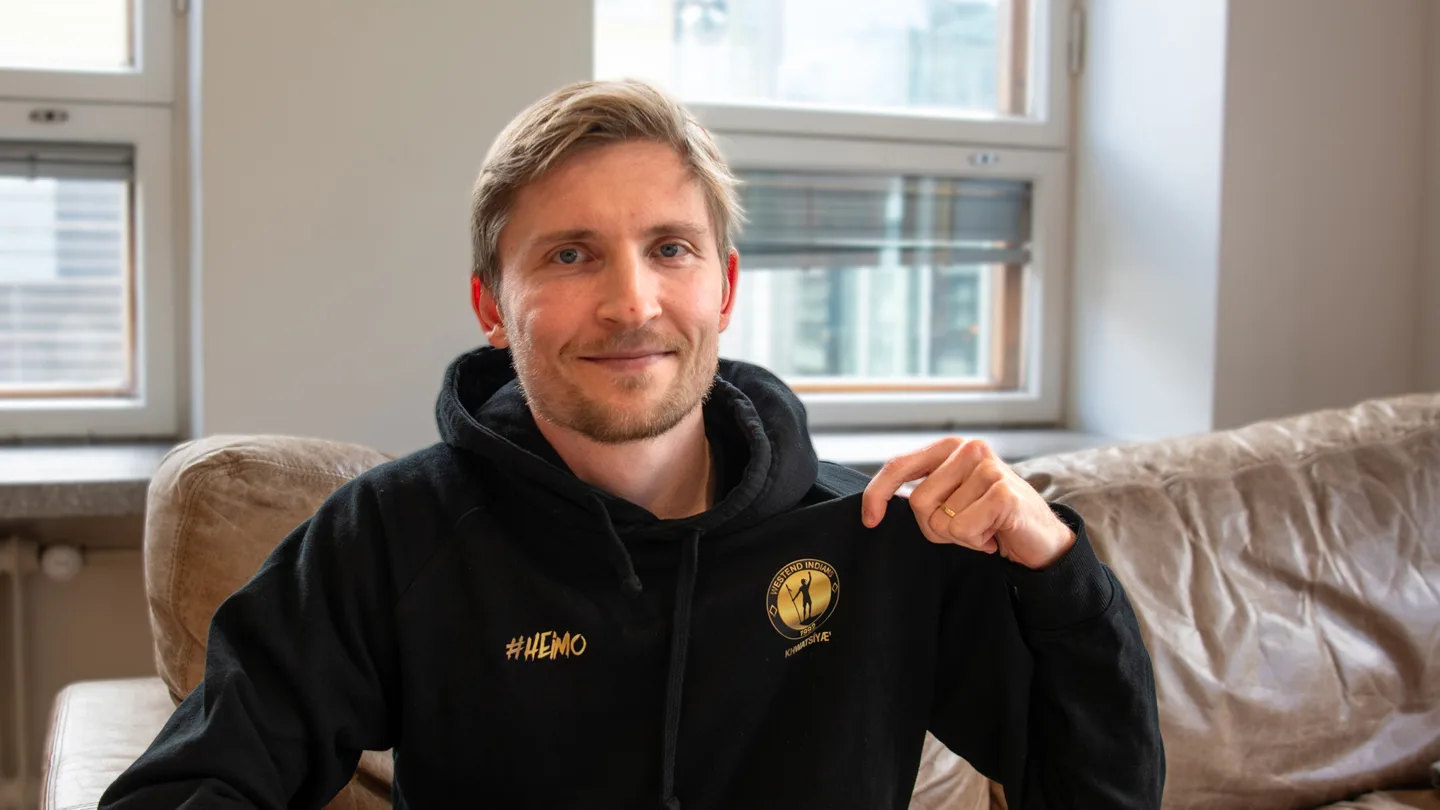
When discussing the difficulty of maintaining such a long tenure, Kainulainen remains modest. "I never considered it a given that I would always be playing for Indians. We signed contracts for a few years at a time. It wasn’t a struggle to negotiate, but I never took the position for granted."
This professional outlook allowed him to endure the inevitable slumps that occur in any long-term sporting endeavor. "There have been disappointments," he admits. "I’ve encountered more hurdles than celebrations throughout my career. But the belief that we would be better, more prepared, and stronger the following year always kept me grounded."
Implications: The Legacy of the "Heimolainen"
Kainulainen’s retirement has not severed his ties to the club. If anything, his role has shifted from player to deeply invested spectator. He acknowledges that watching from the stands is a bittersweet experience.
"It’s tough sitting in the stands," he laughs. "I want to be down there, defending the team. My partner mentioned that she expected us to just chat with friends while watching, but I’m too tense. I’m still fully invested in every play."
This deep-seated connection reflects a broader shift in how modern athletes define their careers. For Kainulainen, his identity as a "Heimolainen" supersedes his status as a "floorball player." This identity was recognized by the community; during his peak years, he recalls that neighbors didn’t ask about his professional work outside of sports—they asked about the team’s performance.
The Broader Context: Seurapaitapäivä (Club Jersey Day)
The story of Valtteri Kainulainen serves as a poignant lead-in to the national Seurapaitapäivä (Club Jersey Day), celebrated annually on September 29th. This day highlights the vital role that sports clubs play in the Finnish social fabric.
With approximately one-third of the Finnish population involved in organized sports—whether as athletes, volunteers, or supporters—the importance of these institutions cannot be overstated. A total of 1.8 million people participate in club activities in various roles, making it the largest grassroots movement in Finland.
As the nation prepares to celebrate this day, Kainulainen’s career serves as a reminder of what the movement is truly about: connection, loyalty, and the pursuit of a common goal within a community that values the individual as part of a larger whole.
Final Reflections
Valtteri Kainulainen’s legacy is not defined solely by his medal count or his 300+ games. It is defined by his choice to stay, to grow, and to contribute to a culture that values the human element of sport. In a world of transient professional commitments, the story of the "Heimolainen" is a testament to the fact that when a player commits to a club, the club becomes more than an employer—it becomes a family.
As he watches from the stands of the Otahalli today, he does so not as a former star reflecting on past glories, but as a permanent member of the Tribe, witnessing the next generation of players carry on the legacy he helped build.