By Samuli Haapasalo
Published: October 13, 2026
For many bird species that nest in open, exposed terrain, the cycle of life is a perpetual gamble. From the moment the first egg is laid until the fledglings take their first flight, the vulnerability of the offspring remains a critical evolutionary hurdle. Among these, the Common Gull (Larus canus) has developed a sophisticated suite of behavioral adaptations to survive in a world teeming with predators. Through observation at the Varanger Fjord in Northern Norway, we gain a unique window into how this resilient species protects its next generation.
Main Facts: The Common Gull’s Strategic Advantage
The Common Gull is a study in calculated risk. Unlike many other seabirds that rely solely on the safety of inaccessible cliffs, the Common Gull often selects nesting sites that balance accessibility with tactical defense. They typically nest in loose colonies, maintaining enough distance between nests to prevent territorial infighting while remaining close enough to mount a collective defense.
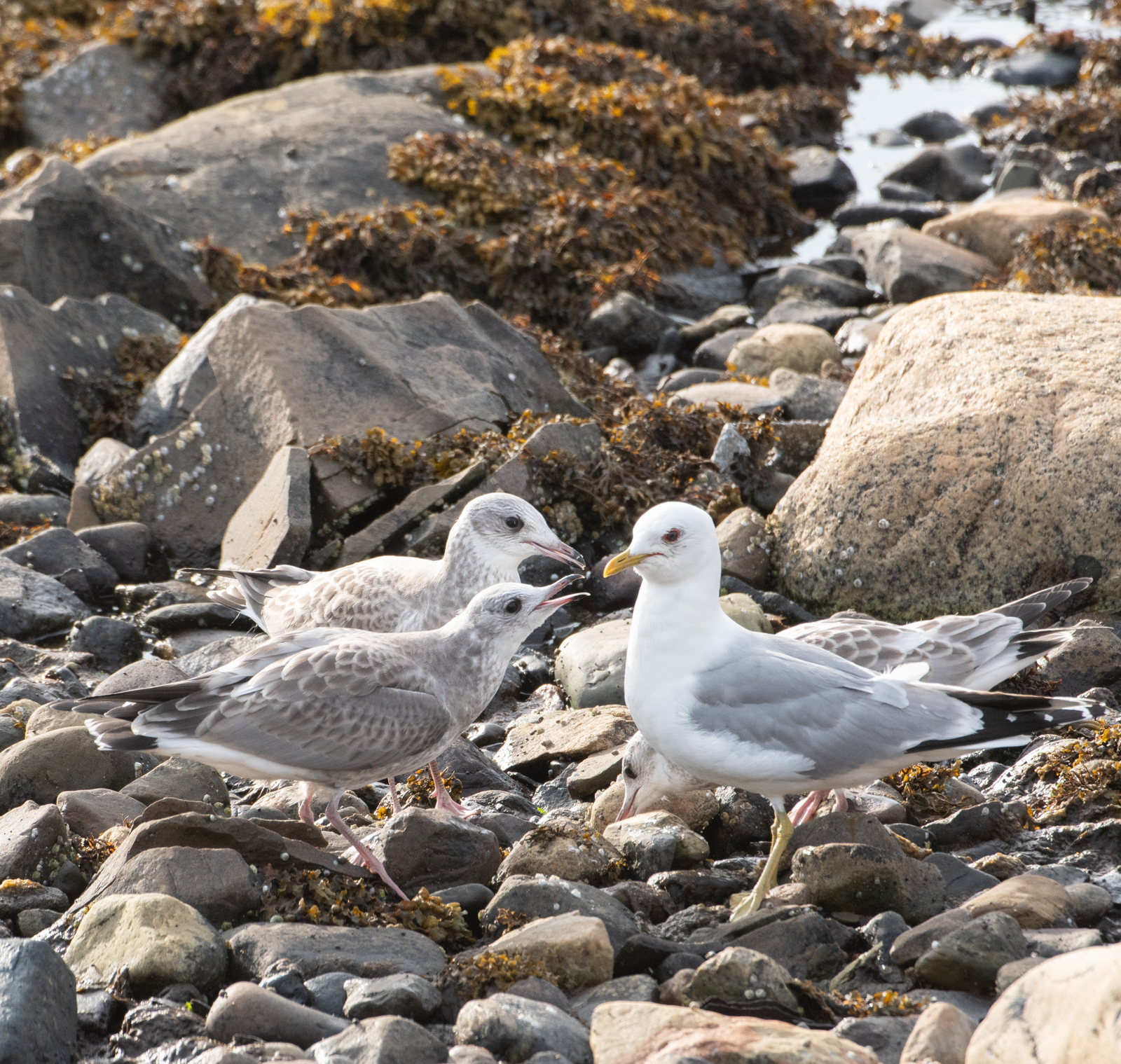
The primary survival mechanism for the species is "communal vigilance." When a predator—whether a skua, a larger gull species, or a ground-based mammal—approaches the nest, the gulls deploy a loud, aggressive, and highly coordinated response. By launching synchronized aerial attacks and producing a cacophony of alarm calls, they disorient and deter threats. This behavior is supplemented by the physical bravery of the incubating parent, who remains firmly on the nest, using its beak as a weapon to drive away intruders while its partner distracts the attacker from above.
Chronology of a Breeding Season
The life of a Common Gull colony follows a strict, seasonal rhythm, observed during field studies in the late summer months, particularly around the coastal areas of Ekkerøy.
- Early Breeding Phase: As spring turns to summer, the gulls establish their territories. On inland lakes, they often favor small, isolated rocks or islets, which provide a natural barrier against terrestrial predators like foxes.
- Incubation: During this period, the adults are tethered to the nest. The risk of nest robbery is at its highest, and the gulls show remarkable site fidelity, often returning to the same rocks year after year.
- The Fledgling Transition: Perhaps the most precarious period occurs just before the young are fully flighted. At this stage, the chicks are mobile but lack the speed and evasiveness of adults. It is here that the parents exhibit their most specialized parenting behaviors.
- Post-Fledging: By late July and early August, the survival of the brood depends on the efficiency of food delivery and the ability of the parents to shield the chicks from the gaze of opportunistic predators.
Supporting Data: Behavioral Adaptations and Survival Tactics
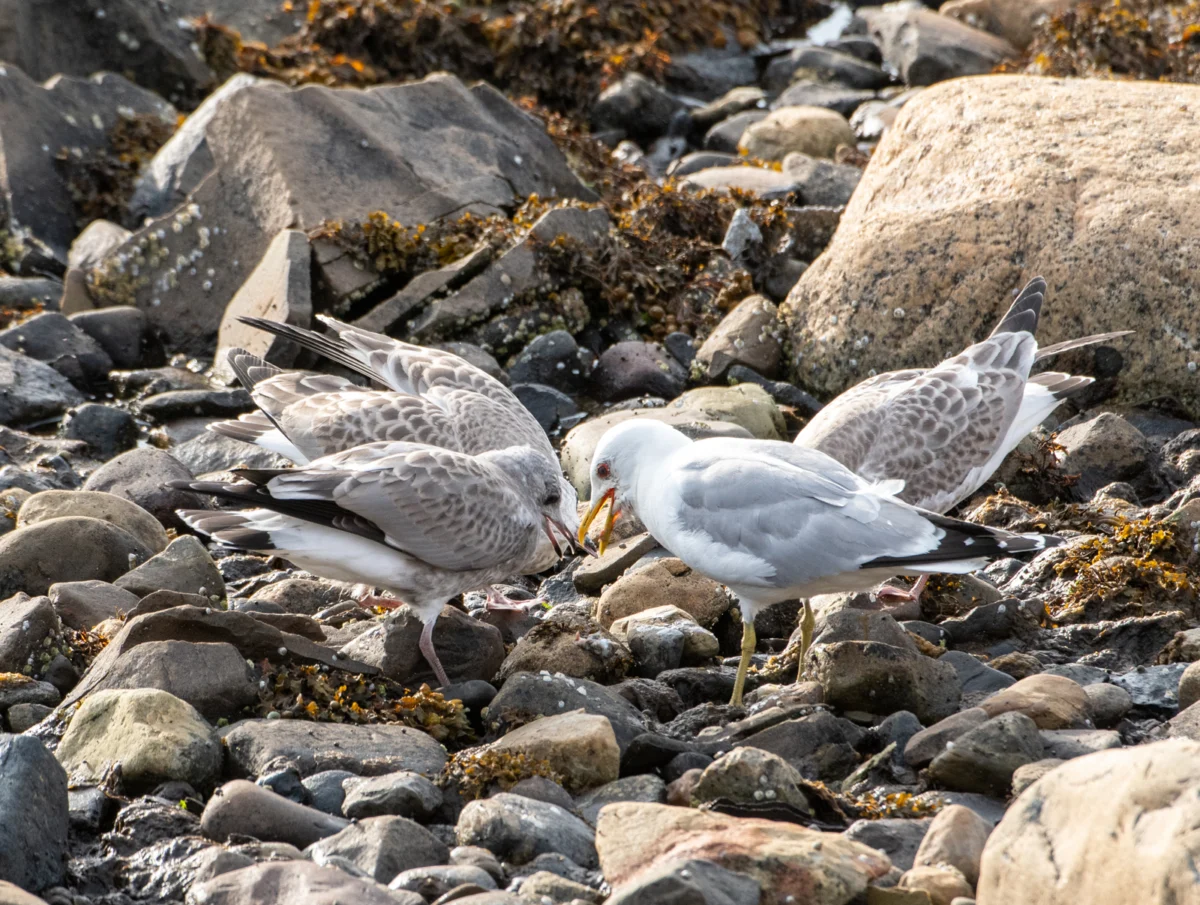
One of the most fascinating observations made during the 2026 season involves the "covert feeding" technique. To avoid revealing the location of their chicks, the parent birds do not fly directly to the hidden offspring. Instead, they land at a distance, ensuring that they do not draw the attention of aerial predators like Great Black-backed Gulls (Larus marinus) or Herring Gulls (Larus argentatus).
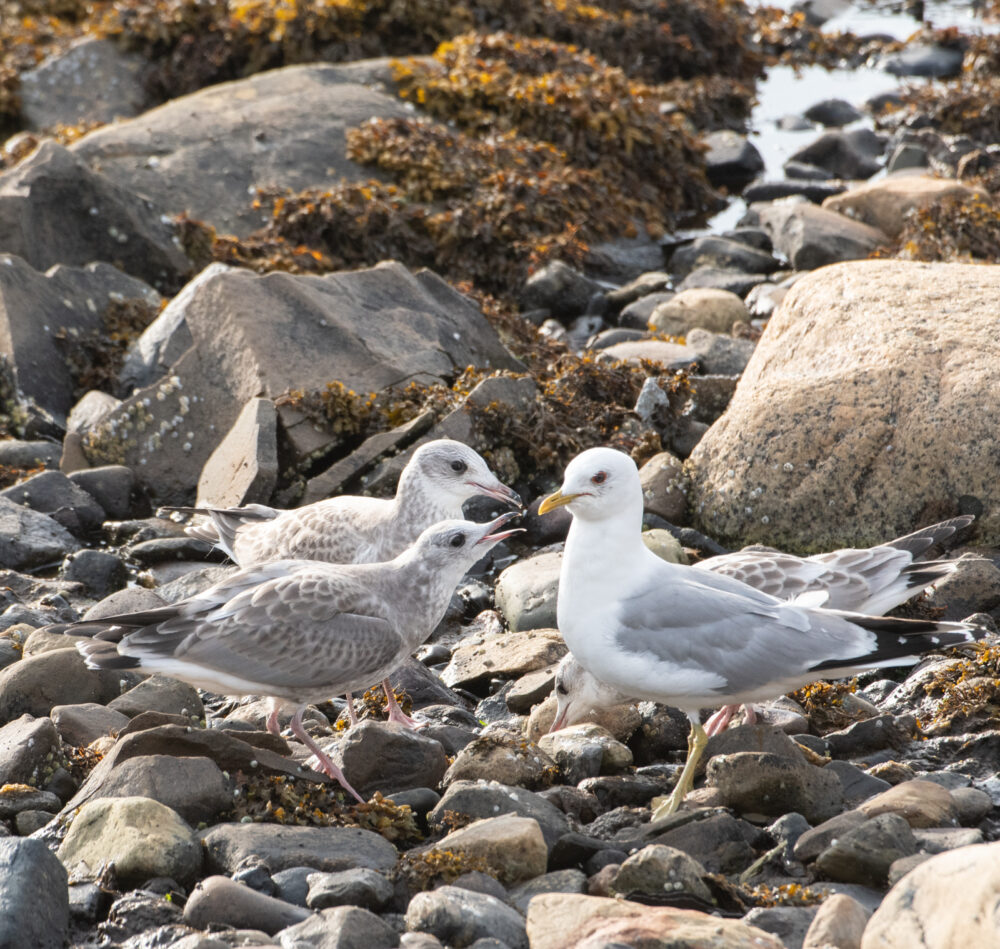
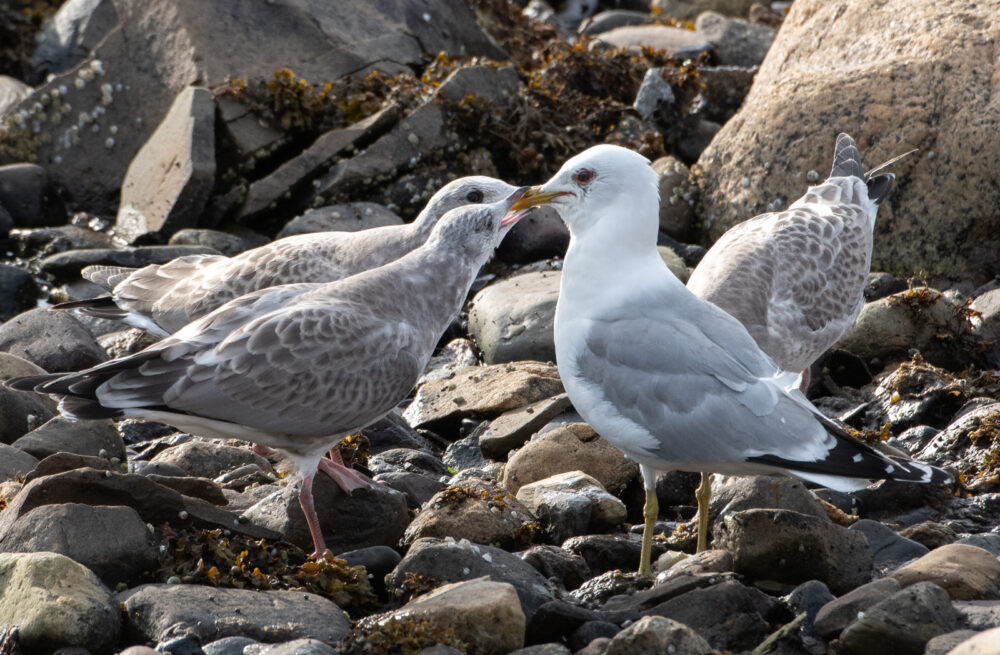
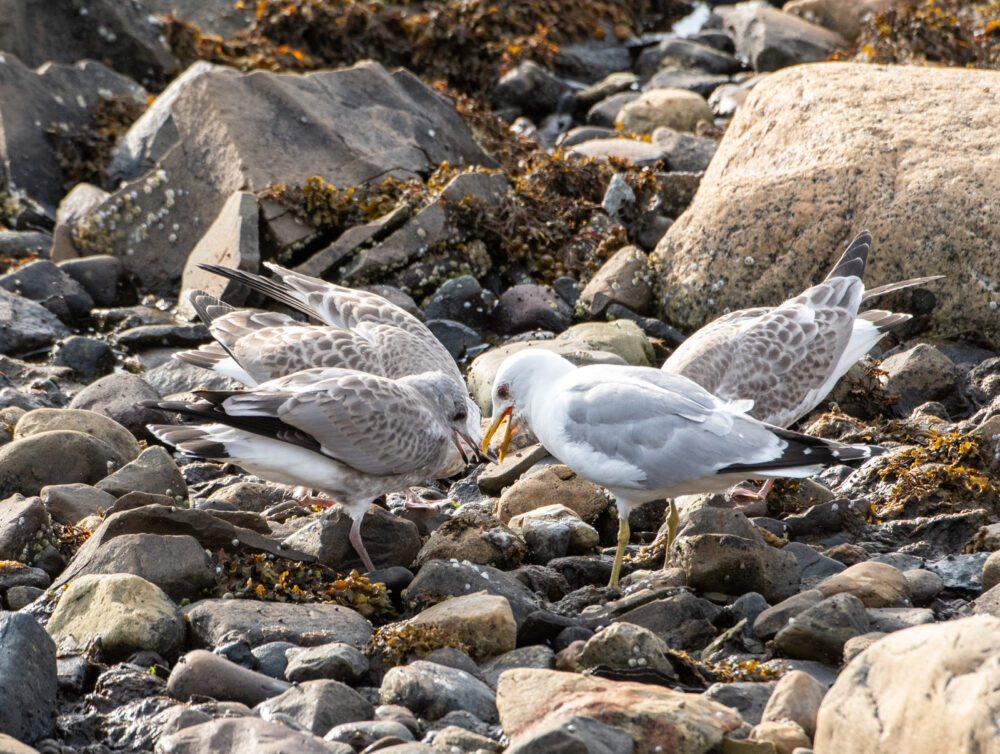
Once the parent has verified that the area is clear, the chicks emerge from their camouflage—often in tall grass, rock crevices, or debris—to receive food. The parent provides a quick, high-energy meal by regurgitating food directly onto the ground, allowing the chicks to consume it in a matter of seconds before returning to their hiding spots. This "rapid-fire" feeding strategy minimizes the amount of time the chicks spend exposed in the open.
Furthermore, the choice of nesting site is highly intentional. Observations near the Ekkerøy museum harbor revealed that the gulls purposefully nested in areas frequented by humans, such as trails and popular walking paths. This appears to be a defensive strategy known as "human shielding." Larger, more aggressive gull species are often more wary of humans, and their avoidance of these high-traffic areas creates a "safe zone" for the smaller Common Gulls.
Official Perspectives and Ecological Context
Ornithological experts have long noted the plasticity of the Common Gull’s nesting habits. While they are traditionally ground nesters, some pairs have been documented nesting in trees, specifically in large branch crotches. This behavior is a clear response to the increased threat posed by the American Mink (Neovison vison), an invasive species in many parts of the North that has decimated ground-nesting populations.
The presence of invasive predators has forced many gulls to adapt, yet the constant pressure from larger gull species remains an omnipresent threat. As these larger gulls encroach upon the territories of the smaller Common Gull, the latter is forced into increasingly tight, suboptimal nesting sites. The success of the population is, therefore, heavily dependent on the quality of the micro-habitat and the ability of the pair to defend their specific patch.
Implications: The Future of Coastal Avian Populations
The survival strategies of the Common Gull highlight a broader trend in avian ecology: the necessity of behavioral flexibility in a rapidly changing environment. As human development expands and invasive species shift the competitive landscape, the ability of a species to "learn" and adapt—such as utilizing human presence for protection or moving nesting sites into arboreal environments—becomes the ultimate determinant of long-term survival.
The case of the Ekkerøy colony serves as a microcosm for these larger ecological shifts. When we observe these birds, we are not just seeing a species in its natural state, but a species in a constant state of negotiation with its environment. The "noise" and "chaos" of a gull colony are not merely symptoms of agitation; they are the active, calculated, and highly effective tools of a species fighting to keep its lineage alive in a harsh, unforgiving landscape.
As we look toward the future of conservation, it is clear that we must look beyond just protecting habitats; we must also value the behavioral adaptations of the species that inhabit them. Protecting the coastline is not just about the water and the rock—it is about maintaining the complex, evolving relationships between predators, prey, and the human observers who, in this case, have become an unlikely part of the survival equation.
Key Takeaways for Observers
- Camouflage is Key: Always look for movement rather than the birds themselves; chicks are masters of blending into their surroundings.
- Respect the Buffer: Even when gulls appear comfortable near human activity, it is vital to maintain a distance that does not interfere with the critical feeding cycle.
- The Human Shield Effect: Notice the correlation between human presence and reduced harassment from larger predators—a fascinating example of urban-wildlife cohabitation.
The 2026 nesting season at Varanger Fjord continues to provide invaluable data on how species adapt to the pressure of predation and environmental competition. Through the lens of the Common Gull, we gain a greater appreciation for the persistence of life in the wild.