In the high-stakes world of outdoor gear, marketing materials often lean heavily on the technical specifications of textiles. Consumers are frequently bombarded with impressive denier ratings, hydrostatic head measurements, and proprietary coating acronyms. Yet, a sophisticated fabric does not automatically equate to a dry gear load. As any seasoned thru-hiker or alpinist knows, the transition from a dry trailhead to a storm-lashed ridgeline often reveals a harsh reality: the integrity of a backpack is defined not just by its material, but by the complex architecture of its assembly.
While brands boast about high-tenacity nylon or advanced laminates, water ingress remains a perennial challenge. The distinction between "waterproof fabric" and a "waterproof pack" is a critical one that is frequently overlooked by consumers at the point of sale. To address this discrepancy, we propose a standardized, accessible methodology for evaluating the practical water resistance of backpacks: the controlled shower test.
The Disconnect Between Fabric Specs and Field Performance
The modern backpacking pack is a marvel of engineering, yet it is inherently porous. Even when utilizing cutting-edge, waterproof materials, the assembly process introduces hundreds of potential failure points. Every stitch hole is a puncture in the vessel’s integrity; every zipper, hydration port, roll-top closure, and strap anchor acts as a potential conduit for moisture.
In field conditions, sustained heavy rain creates a hydrostatic pressure that often exploits these structural vulnerabilities. A pack might feature a high-performance fabric that beads water perfectly, yet under the relentless assault of a multi-hour deluge, moisture eventually finds its way into the packbag. The disparity between laboratory fabric testing and real-world performance is the "waterproof paradox" of the gear industry.
Establishing a Standard: The Controlled Shower Methodology
To bridge the gap between theoretical spec sheets and functional reality, we have developed a simplified, reproducible "shower test." The objective is not to simulate the infinite variables of a mountain storm—such as wind-driven rain, body heat, or the mechanical stress of a heavy load—but to create a controlled environment that highlights inherent flaws in construction.
The Experimental Protocol
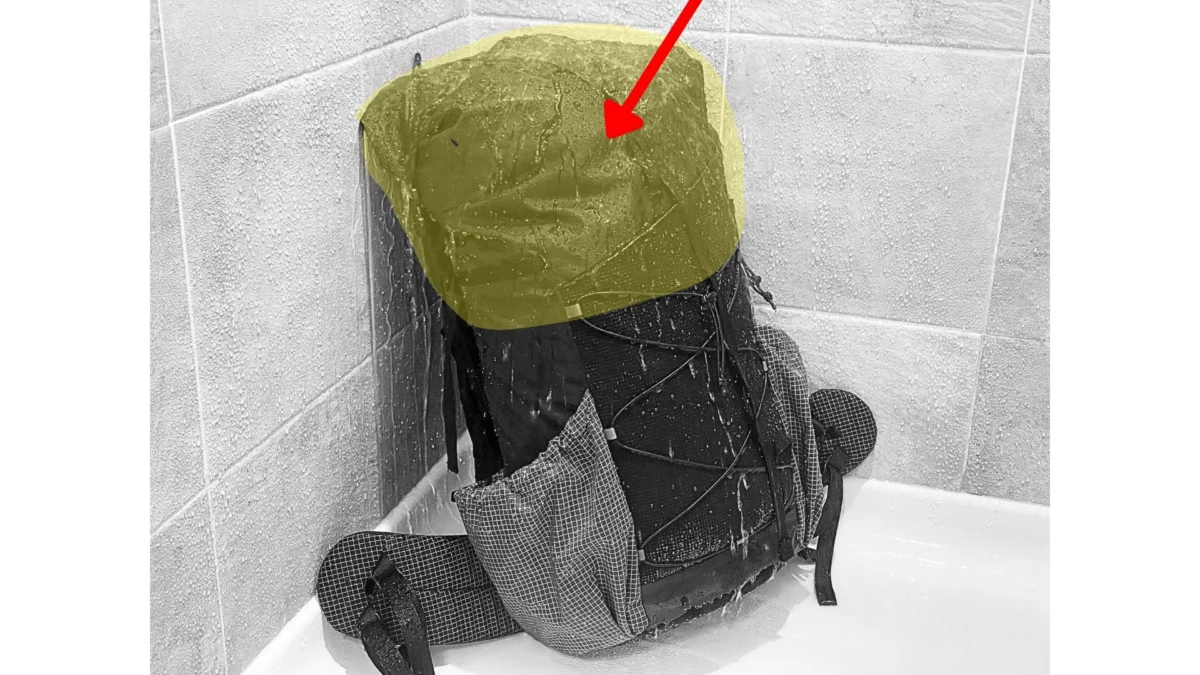
The test is designed to be accessible to anyone with a shower and a sense of curiosity. It relies on a consistent, high-intensity water exposure to reveal where a pack’s design fails to protect its contents.
- The Witness Material: A large, dry cotton pillowcase is placed inside the main compartment of the empty backpack. Cotton is chosen for its high absorbency and ability to clearly display localized moisture ingress.
- The Loading: The pack is packed to a standard volume to ensure that seams are under natural tension, mimicking the structural stress of a real-world load.
- The Exposure: The pack is placed in a standard residential shower stall. A 30-minute high-intensity spray, directed at various angles to simulate driving rain, is applied to the exterior.
- The Inspection: Upon completion, the pack is carefully opened, and the witness material is removed and inspected for dampness, saturation, or localized wet spots.
Chronology of a Stress Test
The utility of this method lies in its repeatability. By maintaining a fixed duration and consistent water volume, observers can generate comparative data between different models.
- T-Minus 0:00: The pack is secured in the test environment. Baseline weight and initial inspection of zippers and closures are recorded.
- T-Plus 0:05: The initial spray phase targets the most vulnerable areas: the roll-top or lid closures and the primary zipper tracks.
- T-Plus 0:15: The spray is redirected to the back panel and side compression points, where seams often undergo the most stretching during use.
- T-Plus 0:30: The final exposure concludes. The exterior is shaken off, and the pack is allowed to sit for five minutes before the internal witness material is extracted.
Supporting Data: Why "Waterproof" Is a Relative Term
In preliminary trials using this methodology, the data suggests a significant correlation between design complexity and moisture ingress. Packs with "floating" lids and excessive external pockets often show a higher rate of failure than minimalist, roll-top "dry bag" style packs.
Data gathered from these tests indicate that the most common failure points are:
- Stitch Holes: Even with seam tape, high-stress areas (such as where shoulder straps attach) often succumb to moisture over time.
- Hydration Ports: Often overlooked during construction, these apertures act as funnels for water tracking down the pack’s exterior.
- Zipper Tracks: Unless using dedicated waterproof-rated zippers (which are notoriously difficult to operate), standard coils almost invariably leak during sustained exposure.
Official Industry Perspectives
Manufacturers remain divided on the necessity of "waterproof" ratings. Most brands opt for a "water-resistant" designation, as achieving a true waterproof rating would require fully welded seams and the elimination of almost all external access points, which would arguably make the pack less functional for the average user.
"The goal is balance," noted one product designer during a recent industry forum. "We prioritize weight, durability, and accessibility. If we made a pack that was 100% impervious to water, it would be heavy, rigid, and nearly impossible to pack effectively. We design for the 95% of use cases where a pack cover or internal liner is sufficient."
This sentiment underscores the industry’s reliance on the user to take responsibility for their own gear protection. The implication is clear: the manufacturer provides the vessel, but the hiker provides the environmental insurance.
Implications for the Modern Backpacker
The implications of this testing methodology are twofold for the consumer. First, it democratizes knowledge. By moving away from reliance on marketing buzzwords and toward empirical, home-based testing, hikers can make more informed decisions about whether a specific pack meets their personal needs for moisture protection.
Second, it highlights the importance of supplemental weatherproofing. If a pack fails the 30-minute shower test, it does not necessarily mean the pack is defective; it simply means the user must adapt their gear management. The use of waterproof dry bags (stuff sacks) or a pack liner remains the gold standard for long-distance trekking. Relying on the packbag itself as a primary barrier against moisture is, according to the data, a gamble that most gear is not designed to win.
Moving Forward: The Future of Pack Design
As material science advances, we are seeing a shift toward DWR (Durable Water Repellent) coatings that are more environmentally friendly and fabrics that are inherently hydrophobic, such as Dyneema Composite Fabrics (DCF). However, even these high-end materials face the same structural limitations as traditional nylon.
The future of the industry likely lies in a hybrid approach: combining high-performance fabrics with seam-welding technology that eliminates the need for needle-and-thread construction. Until that becomes the industry standard, the 30-minute shower test stands as a vital tool for those who prioritize the integrity of their kit.
Conclusion
The backpack is a tool, and like any tool, its performance is subject to the conditions of its environment. By shifting the focus from fabric specs to holistic construction assessment, we empower the outdoor community to understand the limitations of their gear. Whether you are preparing for a weekend trip in the Cascades or a thru-hike of the Appalachian Trail, remember: the manufacturer’s spec sheet is only the beginning of the story. The true performance of your pack is written in the seams, the closures, and ultimately, the way you choose to protect your gear from the elements.
As testing continues, we hope to see more transparency from manufacturers regarding these structural vulnerabilities, encouraging a design culture that values real-world resilience over laboratory-born aesthetics. Until then, test your gear, pack your liner, and respect the rain.