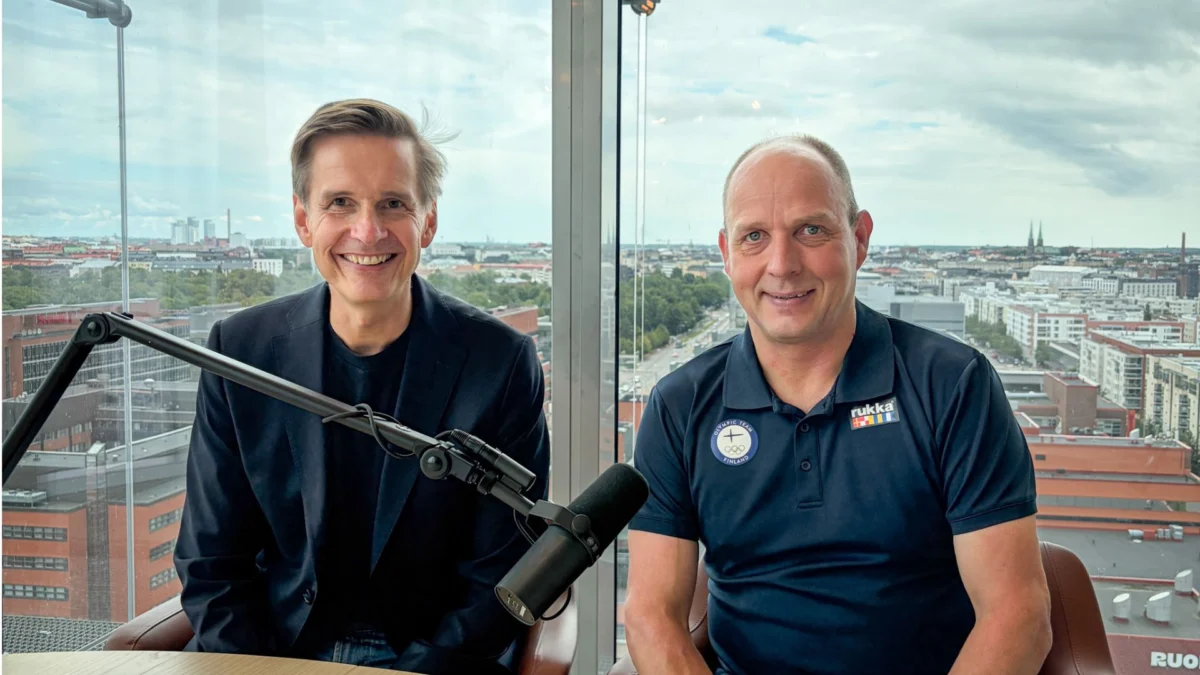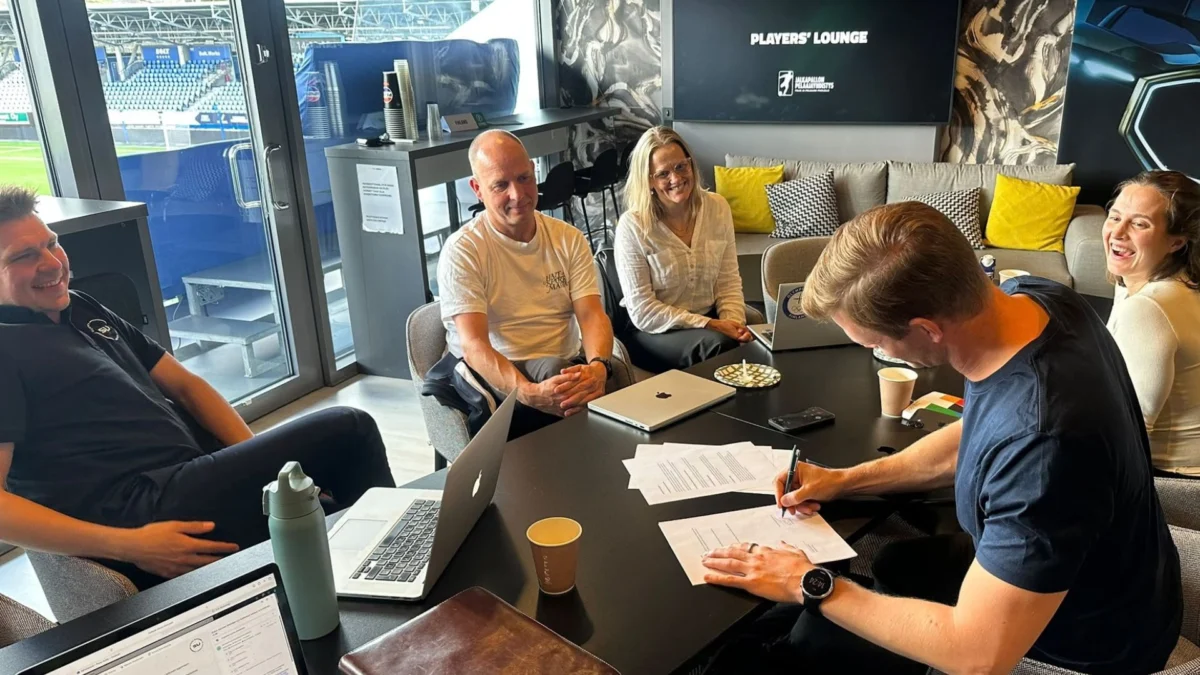
In a landmark move for Finnish sports governance, Suomen Urheilijat ry (The Finnish Athletes’ Association) and the Finnish Olympic Committee have officially entered into a formal Memorandum of Understanding (MoU). The agreement, signed by Suomen Urheilijat Chairman Teemu Ramstedt and Finnish Olympic Committee CEO Riku Tapio, marks a significant milestone in the evolution of how athletes’ rights, representation, and daily well-being are integrated into the national sports agenda.
This partnership is designed to bridge the gap between organized sports administration—represented by the Olympic Committee—and the independent, collective voice of the athletes themselves. By formalizing their cooperation, both parties aim to ensure that athletes are no longer just participants in the system, but active contributors to the policies that govern their professional lives.
1. Main Facts: The Core of the Agreement
The MoU is not merely a symbolic gesture; it is a structural commitment to institutionalize dialogue. Under the terms of the agreement, the two organizations have committed to a framework of regular consultation and cooperation.
- Recognition of Roles: The Olympic Committee acknowledges Suomen Urheilijat as the primary independent representative body for athletes. Conversely, Suomen Urheilijat recognizes the Olympic Committee’s role as the central umbrella organization for sports federations.
- The Scope of Cooperation: The agreement covers a vast array of critical areas, including legislative and regulatory changes affecting athletes, the development of sports rules, contractual frameworks, and essential support systems for athletes’ livelihoods and mental well-being.
- Institutionalized Dialogue: The parties have committed to recurring meetings to ensure that the athlete perspective is integrated into the decision-making process at the earliest possible stage, rather than as an afterthought.
- Advocacy: Both organizations have agreed to collaborate on external advocacy, aiming to promote shared interests to other stakeholders, including government bodies and funding agencies.
2. Chronology: The Road to Representation
The path toward this MoU reflects a growing global trend in professional sports: the transition from "management-led" organizations to "athlete-centered" governance.
Early Foundations
For years, the relationship between individual athletes and national sports governing bodies in Finland was defined by vertical hierarchies. Athletes often felt that while they were the "face" of the nation, their input on training conditions, anti-doping regulations, and professional contracts was limited.
The Rise of Suomen Urheilijat
Suomen Urheilijat was established to fill this void. By operating as an independent association, it provided a platform for athletes to organize without the potential conflicts of interest inherent in working directly under a sports federation. Over the last few years, the association has steadily built its reputation as a credible negotiator, moving from an advocacy group to a recognized professional partner.
The Negotiation Phase
The lead-up to this signing involved extensive discussions regarding the nature of the partnership. Both the Olympic Committee and Suomen Urheilijat recognized that for the Finnish sports system to remain competitive on the international stage, internal friction needed to be replaced by synergy. The drafting of the MoU focused on creating a "win-win" structure, where the Olympic Committee gains a clearer understanding of athlete needs, and athletes gain a direct line of communication to the highest levels of Finnish sports administration.
3. Supporting Data and Context
Why is this agreement so vital? Data from the broader European sports sector suggests that athlete satisfaction and performance are directly correlated with their sense of agency and inclusion in governance.
- Athlete Well-being: Research indicates that athletes who feel empowered in their decision-making processes experience lower levels of burnout and better mental health outcomes. By having a seat at the table, athletes can help shape policies that directly address financial security and training environments.
- Systemic Resilience: The Finnish sports system, like many others, faces challenges regarding funding, the professionalization of sports, and the integration of ethics and transparency. A collaborative approach allows for better risk management and a more unified front when negotiating with policymakers.
- The "Voice" Gap: Historically, the "voice" of the athlete has been fragmented across various individual sports. By consolidating this voice through Suomen Urheilijat, the association can provide a more representative data set to the Olympic Committee, allowing for more evidence-based decision-making.
4. Official Responses
The signing ceremony highlighted a shared vision for the future of Finnish sports, as articulated by the two primary architects of the deal.
Teemu Ramstedt, Chairman of Suomen Urheilijat:
"This agreement is a crucial step in strengthening the status of athletes. It is highly significant that Suomen Urheilijat and the Olympic Committee are building permanent structures for cooperation. Our goal is to ensure that the athletes’ voice is heard through an independent association whenever decisions concerning their position and daily life are made."
Riku Tapio, CEO of the Finnish Olympic Committee:
"Athletes are at the heart of sports, and it is important that we have active cooperation and dialogue with them. This creates the possibility for shared goals and common actions to achieve those goals. We win together!"
These statements underscore a shift in philosophy. Tapio’s emphasis on "winning together" signals an acknowledgment that the traditional top-down model is outdated. For Ramstedt, the focus remains on the structural independence of the association—ensuring that the voice remains authentic and uncompromised.
5. Implications: A New Paradigm for Finnish Sports
The impact of this MoU will likely be felt across several sectors of Finnish sports over the next decade.
Enhanced Governance and Transparency
By formalizing the role of the athlete, the Finnish Olympic Committee is effectively raising the standard of its own governance. In an era where sports organizations face increased scrutiny regarding ethics, finance, and athlete welfare, this partnership provides a buffer and a mechanism for accountability.
Professionalization of the Athlete Career
The agreement suggests that topics such as dual careers (balancing sports with education/work), post-career transitions, and professional contracts will be prioritized. With a direct line to the Olympic Committee, Suomen Urheilijat can ensure that these issues remain on the policy agenda during annual budget cycles and strategic planning sessions.
A Model for Other Nations
Finland’s proactive approach to athlete representation may serve as a blueprint for other national Olympic committees. As international bodies like the IOC increasingly emphasize the importance of athlete representation, the Finnish model demonstrates a practical, non-confrontational way to integrate those values into a national framework.
Challenges Ahead
While the agreement is a positive development, the true test will be in its execution. The effectiveness of the MoU will depend on the frequency of meetings, the transparency of the information shared, and the willingness of the Olympic Committee to yield ground on issues where athlete interests might initially conflict with federation priorities.
However, the foundation is now set. By moving from a relationship of necessity to a relationship of partnership, Suomen Urheilijat and the Finnish Olympic Committee have laid the groundwork for a more robust, athlete-centered, and successful future for Finnish sports. As the industry evolves, this institutionalized collaboration will serve as the backbone for navigating the complexities of modern, high-performance athletics.