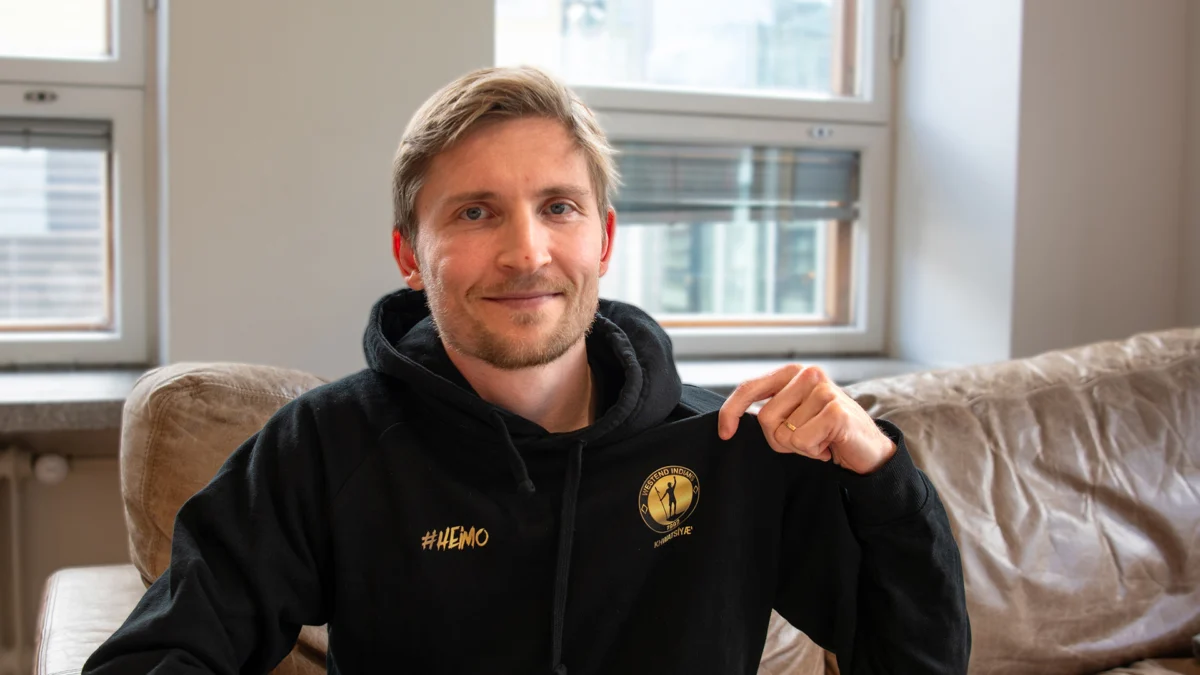
In an era defined by professional mobility, lucrative transfer windows, and the constant search for the "next big step," the career of Valtteri Kainulainen stands as a profound testament to the enduring power of club loyalty. For over a decade, Kainulainen was not just a player for the Finnish floorball powerhouse Westend Indians—he was the embodiment of the organization’s soul.
From his early days as a young talent in the Kirkkojärvi Loiske system to his retirement as a bona fide club legend in Espoo, Kainulainen’s journey is a rare narrative in modern athletics. He served as the captain of "The Tribe" (Heimo) throughout his 12-year F-Liiga career, leading the team from the shadows of the lower divisions to the pinnacle of national success. As the sports community prepares for the annual "Club Shirt Day" (Seurapaitapäivä) on September 29th, Kainulainen’s story serves as the quintessential example of what it means to belong to a sports community.
Chronology: A Career Built on Yellow and Black
The trajectory of Valtteri Kainulainen’s career is one of steady, methodical growth, mirroring the rise of Westend Indians itself.
- Formative Years: His path began in local youth programs, where the focus was on the fundamentals of the game and the joy of movement. His transition to Westend Indians during his junior years marked a turning point. He recalls the Otahalli arena—the club’s iconic home—not just as a facility, but as a sanctuary. Unlike the school gymnasiums of his childhood, the arena represented the ambition of a growing institution.
- The Rise: Kainulainen was instrumental in the club’s ascent from the first division to the F-Liiga. He did not merely witness the evolution; he was its heartbeat. During his tenure, the team transitioned from an underdog to a perennial contender.
- The Captaincy and the Milestone: Over 300 F-Liiga regular-season matches were played with the captain’s armband firmly secured to his sleeve. His career culminated in the spring of 2025, when Westend Indians secured their first-ever medal in the F-Liiga, defeating the Seinäjoki Peliveljet in a decisive bronze-medal match that will forever remain etched in the memory of the club’s faithful.
- Transition to Retirement: Following the 2025 season, fueled by the arrival of his first child and a desire to reprioritize his time, Kainulainen stepped away from the rigors of professional play.
Supporting Data: The Magnitude of the "Heimo" Identity
The term "Heimo" (The Tribe) is not merely a marketing moniker for Westend Indians; it is a cultural framework. Data surrounding the club’s engagement suggests that the sense of community fostered by players like Kainulainen has tangible effects on membership retention and fan loyalty.
Kainulainen notes that the culture of the club is defined by accessibility. "The players don’t just stay in the locker room," he explains. "The adults greet the juniors in the hallways, they sign autographs, and they participate in the community. It’s an ecosystem of mutual respect."
This ethos translated onto the court. Despite the physical demands of the F-Liiga, where turnover rates are notoriously high, Kainulainen’s commitment remained unwavering. He participated in short-term contract cycles throughout his career, yet he never seriously entertained the prospect of leaving. His consistency provided a stabilizer for the team during volatile seasons, proving that institutional memory is a competitive advantage that cannot be bought in the transfer market.
Official Perspectives: Reflections on a Legacy
When asked about his decision to remain with one club, Kainulainen’s perspective is grounded in humility. "I didn’t consider it a given that I would always stay," he says. "But I wanted to play for The Tribe. My closest friends were here, and the values of the club were perfectly aligned with my own. I always viewed my role as a defender of the club’s colors—literally throwing myself in front of shots for the sake of the logo."
The emotional weight of his departure is evident even now, months after his retirement. "It’s hard to sit in the stands," he admits. "My wife expected that without the pressure of competing, I could just sit back and socialize during the games. But I find myself just as tense as I was when I was on the floor. I still want to be out there defending the team."
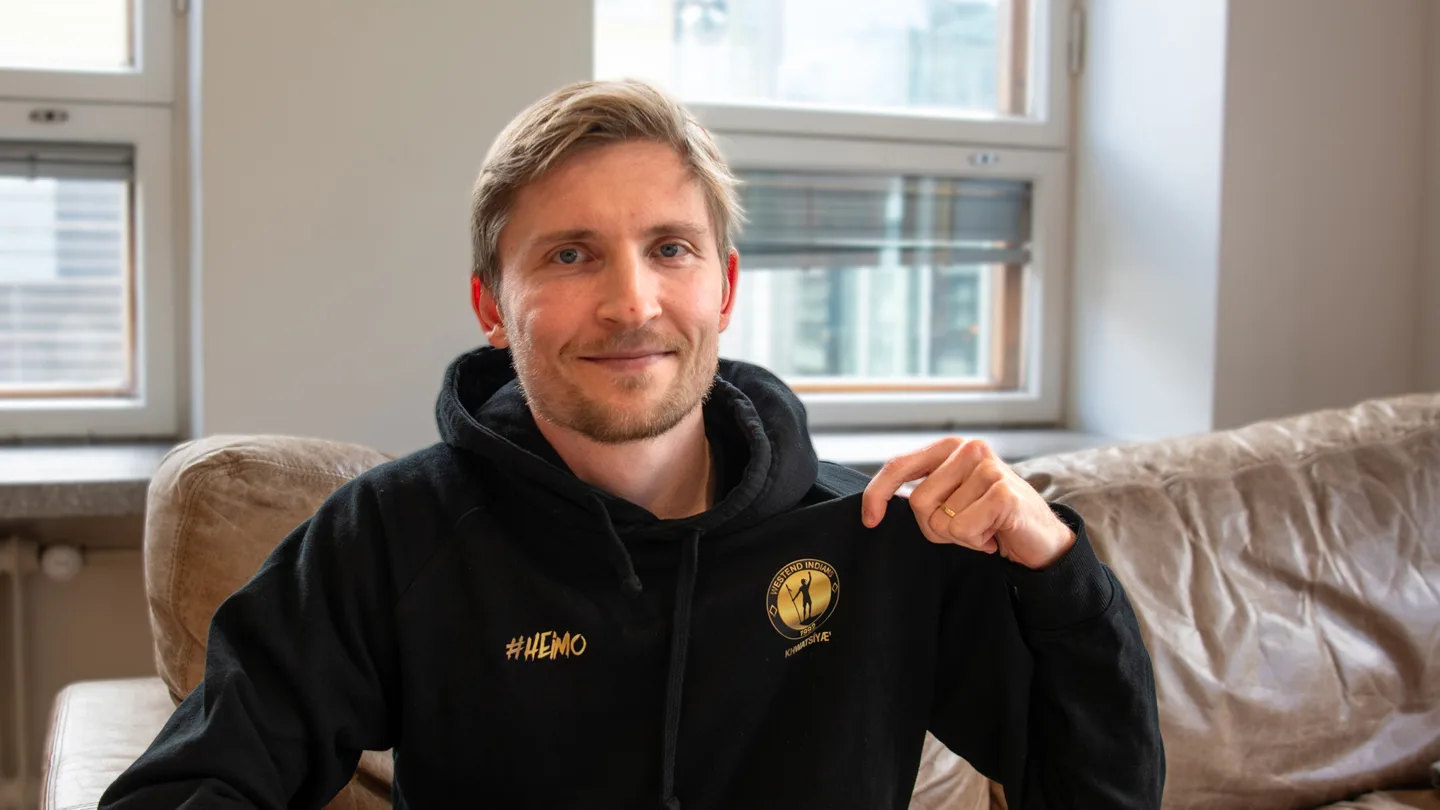
For Kainulainen, his identity has become inextricably linked with the club. "People in my neighborhood didn’t ask me about my day job or my personal life; they asked how the game went. Being a ‘Heimolainen’ (Tribal member) is more than just being a floorball player. It’s my identity."
The Societal Implications: Why Club Loyalty Matters
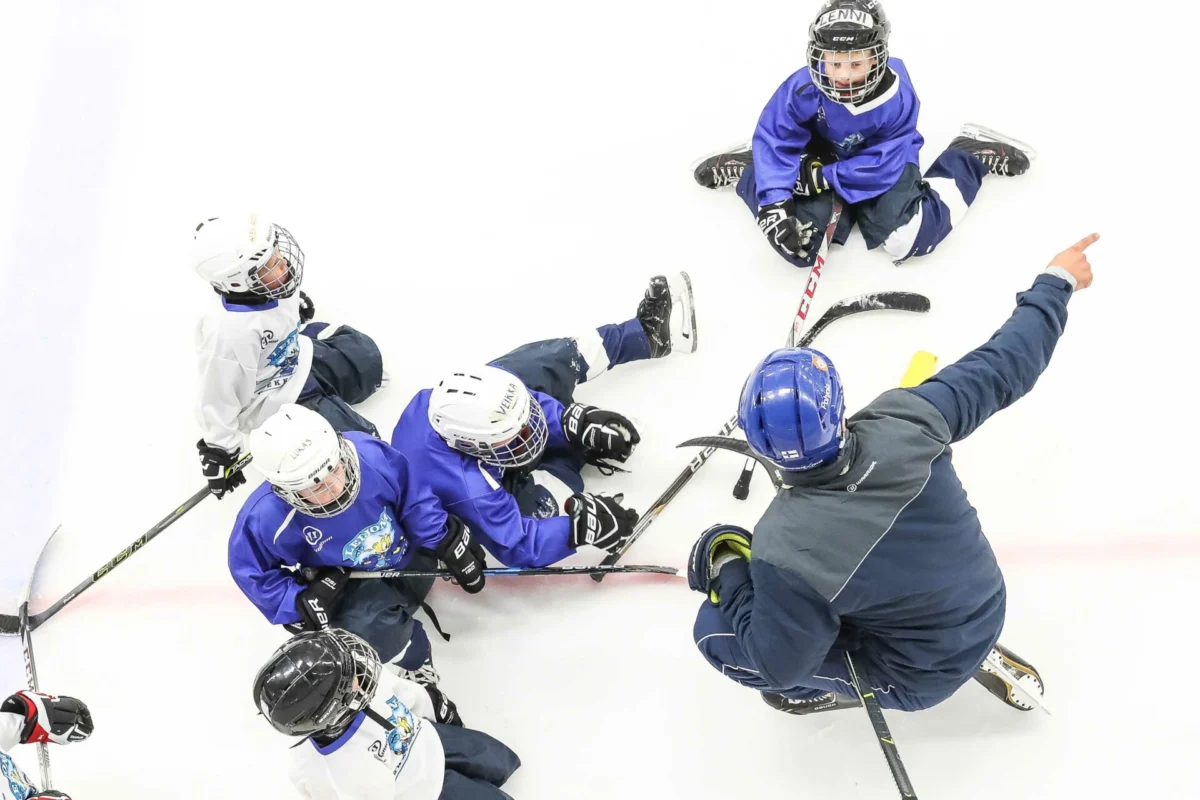
The broader context of Kainulainen’s story is the current state of Finnish sports culture. With approximately 1.8 million people participating in organized sports—roughly one-third of the Finnish population—the role of the club as a social anchor is vital.
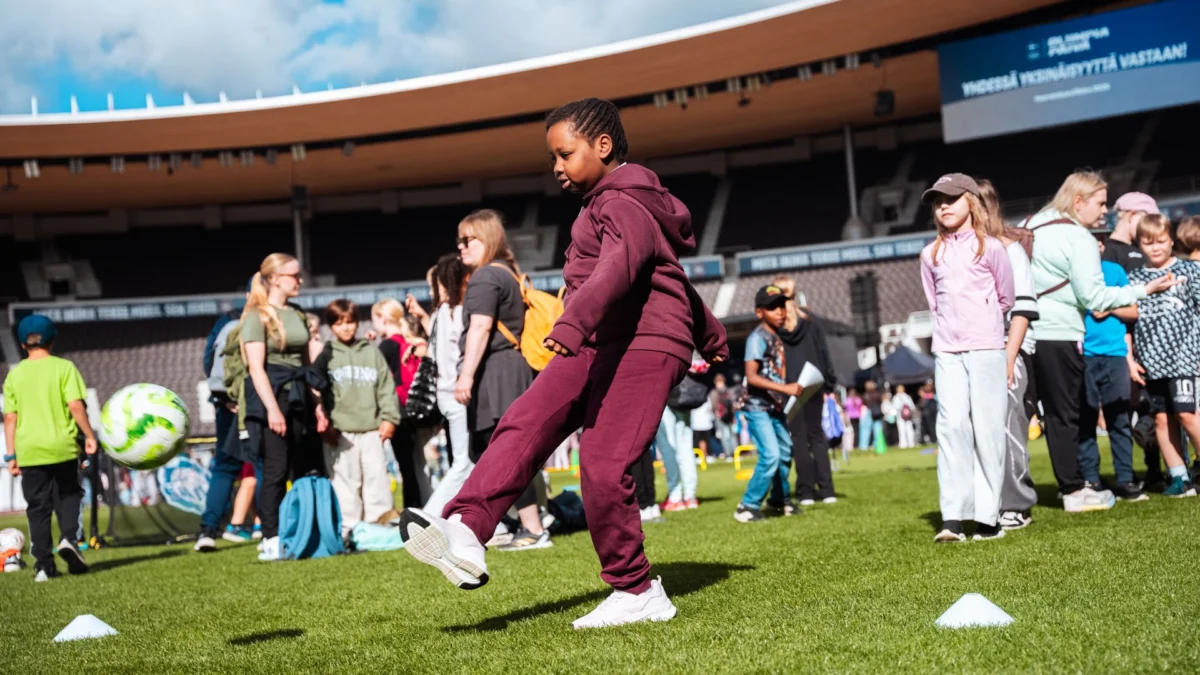
The upcoming Seurapaitapäivä (Club Shirt Day) on September 29th highlights this significance. In a world where digital disconnection is on the rise, local sports clubs remain one of the few places where people of all ages, backgrounds, and skill levels gather for a common purpose.
The Importance of the "Third Place"
Sociologists often describe sports clubs as "third places"—spaces outside of the home and the workplace where individuals find belonging. Kainulainen’s narrative underscores the health of this phenomenon in Finland. By staying with Westend Indians, he didn’t just win a medal; he helped cement a tradition that makes the club an attractive destination for the next generation of athletes.
Beyond the Scoreboard
The implications of long-term athlete commitment are significant for the longevity of sports organizations. Clubs that foster deep, generational relationships with their players often enjoy:
- Enhanced Fan Engagement: Fans identify with players who are synonymous with the club brand.
- Mentorship Pipelines: Veteran players who stay long-term are more likely to transition into coaching or administrative roles, ensuring the club’s philosophy survives.
- Community Stability: A strong core of players creates a culture of accountability that permeates through the entire youth system.
A Call to Action: Celebrating the Spirit of the Club
As the nation approaches September 29th, the story of Valtteri Kainulainen serves as a reminder that the value of sports cannot be measured solely in championships or statistics. It is measured in the connections made, the sacrifices endured for the sake of the team, and the pride of wearing a specific jersey.
Whether you are a volunteer, a competitive athlete, a parent, or a supporter, the act of wearing your club colors on Club Shirt Day is a symbolic gesture of support for the grassroots movement that sustains Finnish society. As Kainulainen puts it, "The club is a huge part of my life. I am a tribal member first, and a player second."
This year, as the community gathers to celebrate, take a moment to consider the "tribes" that define your own journey. For those involved in the 1.8 million roles across the nation’s sports clubs, the message is clear: your contribution is the bedrock of the Finnish identity. Whether you are in the stands, on the field, or working behind the scenes, you are part of something that, like the legacy of Valtteri Kainulainen, will endure long after the final whistle blows.