Jotunheimen National Park is, quite literally, the "Land of the Giants." Stretching across 1,151 square kilometers of rugged, high-altitude terrain in Norway, it is home to the twenty-three highest peaks in Scandinavia. To step into this landscape is to enter a world defined by glacial ice, towering crags, and an ancient, stoic silence that has captivated explorers for centuries. For the modern hiker, the Jotunheimen Loop offers a concentrated experience of the Norwegian wilderness—a three-day, 80-kilometer odyssey that serves as both a physical challenge and a spiritual reset.

Main Facts: The Anatomy of the Loop
The Jotunheimen Loop is a high-altitude trek that demands respect, though it remains accessible to those with moderate experience and proper preparation.

- Distance: 80 km (49.7 miles)
- Duration: 3 days
- Difficulty: Moderate to Challenging
- Total Elevation Gain: 3,941 meters (12,930 ft)
- Starting Point: Gjendesheim Mountain Hut
- Wildlife: Reindeer, moose, wolverines, lynx, and roe deer.
The park is not merely a collection of mountains; it is a functioning ecosystem. The geography is characterized by deep U-shaped valleys, remnants of the last Ice Age, and plateau environments like the Skautflye. The trail is marked by the iconic red "T" symbols maintained by the Norwegian Trekking Association (DNT), ensuring that even when the weather turns—a frequent occurrence in these latitudes—hikers have a reliable lifeline through the wilderness.

Chronology: A Three-Day Journey Through Time and Stone
Day 1: Entering the Deep Valley
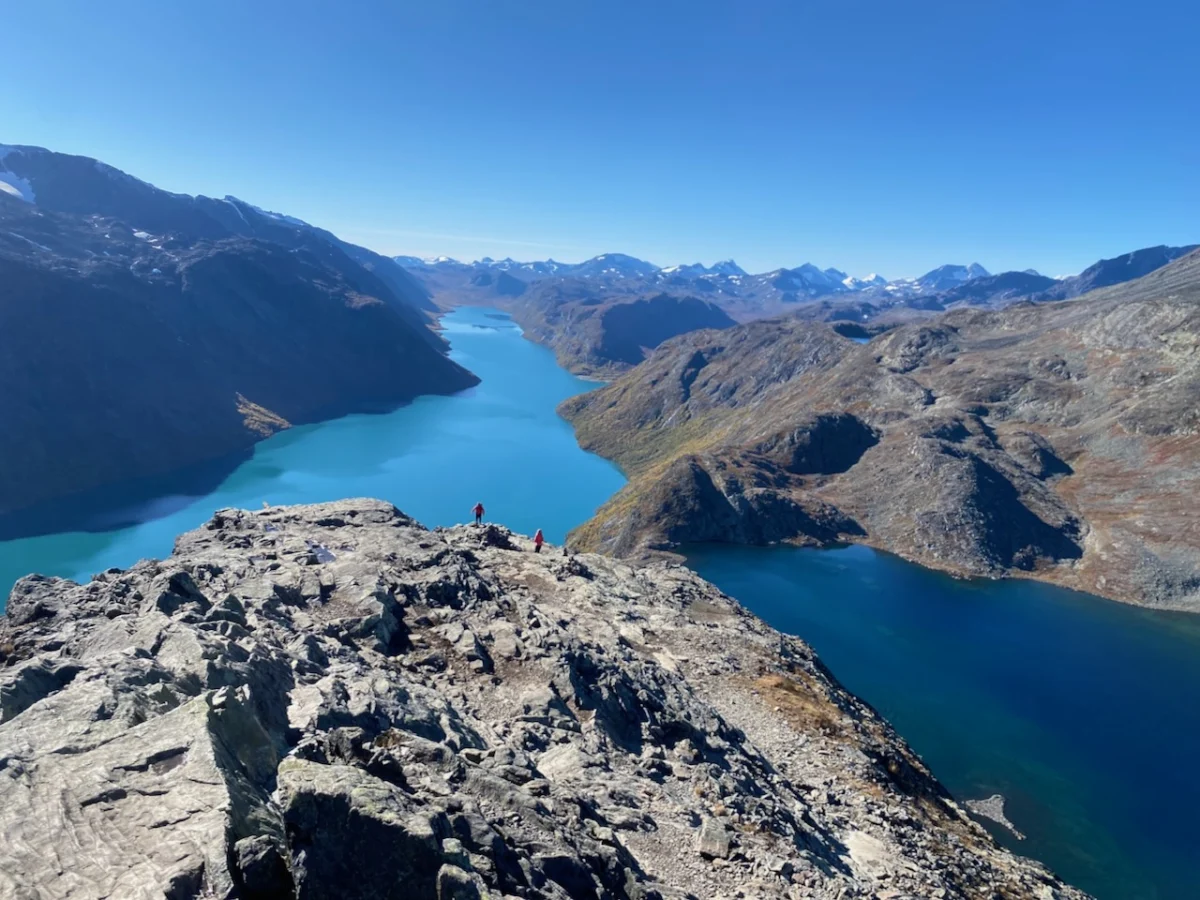
The journey begins not on foot, but on water. A 45-minute ferry ride across the glacial-fed, turquoise waters of Lake Gjende provides the necessary transition from civilization to the wild. Disembarking at the historic Gjendebu Hut—the oldest in the DNT system, established in 1871—the trail immediately swings northwest into the Storådalen Valley.

The initial stretch involves navigating through enchanting birch forests before rising above the treeline. The true test of the first day is the ascent beside the 60-meter-high Hellerfossen waterfall. As the path winds past Langvatnet ("Long Lake"), the scale of the environment becomes apparent. By the time the hiker reaches Leirvassbu Hut, the day’s exertion—some 20 kilometers—is rewarded by traditional Norwegian mountain cuisine, a culinary staple that often includes locally sourced reindeer, elk, and wild berries.

Day 2: Through the Heart of the Giants
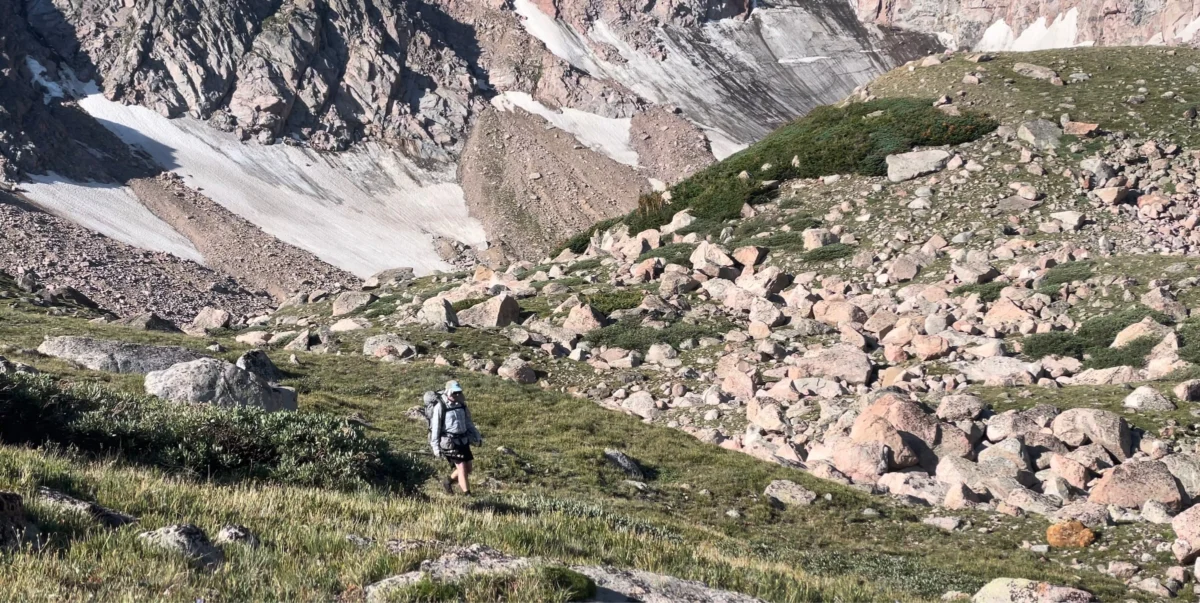
The second stage, spanning 16 kilometers from Leirvassbu to Spiterstulen, is a study in geological grandeur. The route passes the pyramid-shaped Kyrkja Peak and enters the expansive Visdalen Valley. This section is a corridor of giants, with peaks exceeding 2,000 meters, such as Store Hellstugutinden, looming on all sides.

Spiterstulen, once a humble family summer hamlet, serves as a vital base camp. Since 1881, it has functioned as the gateway for those attempting the 13-kilometer out-and-back trek to Galdhøpiggen, the highest peak in Scandinavia at 2,469 meters. For the loop hiker, the valley floor provides a rare, tranquil passage through the heart of the massif.

Day 3: The Spine of the World
The final day is the most dramatic. Leaving Spiterstulen, the trail climbs the Skautflye plateau, where the landscape shifts from lush valleys to a high-altitude, rocky expanse. The path eventually leads to the Veodalen Valley, a frequent grazing ground for large herds of reindeer.

The climax of the loop is the legendary Besseggen Ridge. This is not merely a hike; it is an experience of exposure. The ridge creates a stark visual contrast between the turquoise waters of Lake Gjende on one side and the deep sapphire of the higher Bessvatnet on the other. It is a heart-pumping scramble that serves as the perfect, adrenaline-fueled finale to a journey through the giants.

Supporting Data and Logistics
Success in Jotunheimen is predicated on a comprehensive understanding of the logistics. The trail system is highly developed, yet the climate is unforgiving.

Equipment Requirements:
The unpredictable nature of the Nordic climate requires a multi-layered clothing system. Even in late summer or early autumn, temperatures can plummet, and sudden snow squalls are common. A robust shelter, such as a semi-freestanding tent or a high-quality pyramid shelter like the MLD Duomid, is essential for those choosing to camp rather than utilize the hut network.

The Hut Network:
The DNT network is a marvel of Scandinavian infrastructure. While many hikers choose to carry full camping gear, the huts provide an alternative for those seeking a lighter pack or a hot meal. These lodges are more than just shelters; they are social hubs. During a late September trek, it is common to find an international congregation of hikers—from ultralight enthusiasts to seasoned mountaineers—all sharing stories in the communal areas.

Official Perspectives: Cultural Significance
The significance of the Jotunheimen region extends beyond its physical attributes; it is woven into the fabric of Norwegian literature and national identity. The most prominent example is Henrik Ibsen’s 1867 masterpiece, Peer Gynt. The protagonist’s legendary account of riding a reindeer across "Gendin-Edge" (Besseggen Ridge) remains one of the most famous literary descriptions of the Norwegian landscape.

When hikers traverse that same ridge today, they are not just walking through a national park; they are participating in a cultural ritual that connects the modern traveler to the romanticism of the 19th century. The "Gendin-Edge" is described by Ibsen as a "scythe" stretching four miles through the air—a description that still holds true for anyone standing on those narrow, exposed rocks today.

Implications for the Future of Alpine Trekking
The popularity of the Jotunheimen Loop raises important questions regarding the management of high-altitude environments. As global interest in "bucket-list" trekking grows, the pressure on these fragile alpine ecosystems increases.

1. Environmental Stewardship:
The presence of large reindeer herds in valleys like Veodalen highlights the need for strict adherence to Leave No Trace principles. Hikers must remain on marked paths to prevent erosion and to avoid disturbing wildlife during critical migration or grazing periods.

2. The Role of the "Mountain Hut" Experience:
The communal nature of the huts—gas cookers, shared dining tables, and impromptu friendships—serves as a model for sustainable tourism. By concentrating impact in designated areas, the DNT ensures that the wider wilderness remains pristine. This "alpine congregation" creates a shared sense of responsibility among hikers. When a diverse group of people from Chile, Germany, England, and the Netherlands sits together in an emergency hut, they are more than just tourists; they become stakeholders in the protection of the environment.

3. Planning for the "Wanderlust" Era:
For those planning their own Nordic adventure, resources such as Wanderlust Nordics offer a roadmap that balances accessibility with the realities of remote travel. The trend toward documenting these journeys—as seen in photography and digital trail logs—can serve to inspire future generations to value wilderness preservation, provided that it is accompanied by an education on the risks and responsibilities of arctic-alpine travel.

Conclusion
The Jotunheimen Loop is a testament to the raw power of the natural world. It is a place where the scale of the landscape dwarfs the human ego, leaving hikers with a profound sense of perspective. Whether you are scrambling up the knife-edged spine of the Besseggen Ridge or sharing a quiet meal in the communal warmth of a mountain hut, the experience is transformative. To walk the land of the giants is to accept a challenge from the earth itself, and to return from it with the realization that the wilderness is not just a destination—it is a vital, living part of our collective heritage.