In an era defined by digital saturation and the rapid consumption of bite-sized content, the act of sitting down with a seminal work of outdoor literature remains a radical, grounding pursuit. For the fifth iteration of the "Hiking Books Guide," the project has undergone a significant expansion, now cataloging more than 90 essential works. This curated collection is designed to serve as a comprehensive roadmap for hikers, adventurers, and armchair travelers alike, categorized into eight distinct pillars: Educational, Guidebooks, Humour, Inspirational, Literature, Memoirs, Philosophy, and Ultralight Backpacking.

The collection, housed within the digital and physical archives of The Hiking Life, represents years of synthesis. The featured authors include some of the most seasoned wilderness experts, legendary long-distance trekkers, and visionary thinkers on the planet.

The Architecture of the Collection: A Categorical Overview
The expansion to over 90 titles was not merely a quantitative increase but a qualitative refinement. By organizing these works into eight specific categories, the guide allows readers to navigate the vast landscape of outdoor writing with intent.

1. Educational
This section serves as the technical foundation for any aspiring outdoorsperson. From survival skills to understanding local ecosystems, these books move beyond theory into the practical application of wilderness interaction. A recurring theme in this year’s updated selection is the shift toward "indigenous ways of knowing." As noted in the guide, the Western tradition often positions humans at the pinnacle of a hierarchy, whereas other frameworks view humanity as the "younger brothers of Creation." By studying these works, hikers learn to look toward other species as teachers, fostering a more humble and observant approach to the backcountry.

2. Guidebooks
The evolution of the guidebook is a testament to the changing nature of travel. Once the sole domain of heavy, printed volumes, the modern hiker’s library now seamlessly integrates physical Cicerone guides from the 1990s with high-definition, searchable Kindle editions used for navigation in the Scottish Highlands or the Alps. These tools remain the backbone of safe and structured exploration.

3. Humour
Hiking is often romanticized as a somber, meditative pursuit. However, the best outdoor literature acknowledges the inherent absurdity of the activity. Whether it is the cognitive dissonance of someone driving a car to a gym to walk on a treadmill, or the well-documented blunders of gear-obsessed novices who collect high-end equipment they have no idea how to operate, the humour category provides a much-needed perspective on the human condition.

4. Inspirational
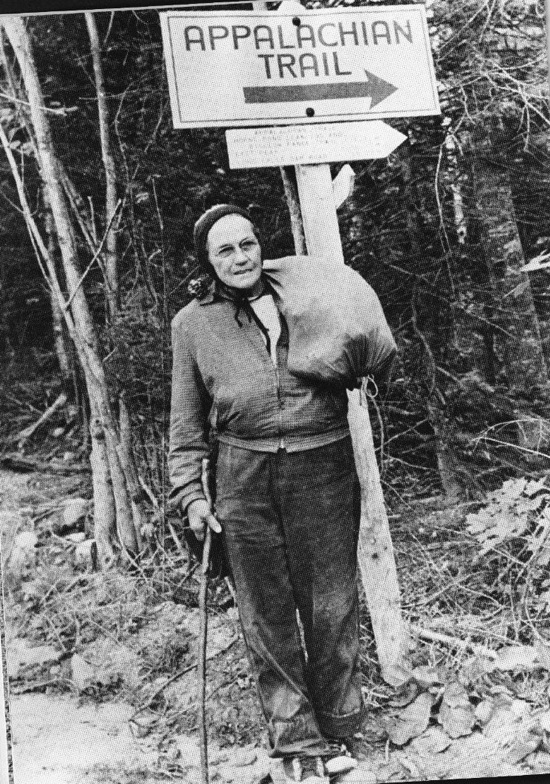
Inspiration in the outdoors often comes from the stories of those who defied convention. This section honors figures like Grandma Gatewood, whose sheer grit challenged the status quo of mid-century hiking. The inclusion of original works in this category reflects a commitment to documenting the personal evolution that occurs when one detaches from the modern, fast-paced world to reconnect with the rhythms of the earth.

5. Literature
This category moves into the philosophical and the poetic. It includes works that explore the "practice of the wild"—the idea that walking is the primary meditation of humankind. From the legendary musings of J.R.R. Tolkien’s characters—who dream of mountains and peace—to modern nature writing, these books treat the landscape not just as a setting, but as a catalyst for internal discovery.

6. Memoirs
While the guide deliberately omits certain high-profile contemporary thru-hiking memoirs, it highlights the classics that have stood the test of time. These accounts serve as a reminder that a journey is not defined by a "neatly tied bundle" or a final goal, but by the ongoing process of moving forward. As the guide notes, the wilderness is a "necessity of the human spirit," and those who seek it are part of an ancient, ongoing conversation.

7. Philosophy
The philosophical category questions the motive of the hiker. It highlights the wisdom of those who realized that "the less you carry, the more you will see." It challenges the modern obsession with safety, noting that a life lived entirely without risk—avoiding the outdoors, avoiding travel, and avoiding new ideas—is a life that ends long before the physical body ceases to function.

8. Ultralight Backpacking
Finally, the ultralight section traces the technical lineage of modern backpacking. It connects the "OGs" of the movement, like Horace Kephart, to the seminal works of the 1990s, such as Ray Jardine’s The Pacific Crest Trail Hiker’s Handbook. This category is dedicated to the "fine art" of equipping a pedestrian with everything they need while maintaining a weight so light that the hiker can move with grace and ease.

Supporting Data and Historical Context
The evolution of this library reflects a broader trend in the outdoor industry. Over the past decade, there has been a documented pivot away from heavy, gear-intensive expeditions toward "fast and light" methodologies. The inclusion of works like the Wood Wide Web research—which details how trees share nutrients and communicate through fungal networks—illustrates that hikers are increasingly interested in the scientific and ecological connectivity of the spaces they traverse.
Furthermore, the data suggests that readers are looking for more than just route descriptions. The popularity of the "Philosophical" and "Educational" categories indicates a desire to understand the why of hiking, rather than just the how.

Official Responses and Perspectives
Curators of such collections often face questions regarding the "sanctity" of the canon. When asked about the omission of certain popular, mainstream memoirs, the response remains consistent: the guide is a reflection of personal resonance and literary value rather than market trends. The goal is to provide a curated list of works that offer longevity, wisdom, and genuine insight into the wilderness experience.

The "official" stance on these books is that they are not meant to be read in isolation. They are designed to be treated as companion pieces to the act of walking itself. Whether it is a passage from John Muir’s The Yosemite or the practical advice of a classic trail manual, these texts are designed to be carried, referenced, and shared.

Implications for the Future of Hiking
What does this expansion mean for the future of the outdoor community?

- A Shift Toward Mindful Hiking: By emphasizing literature that focuses on ecology and philosophy, the guide encourages a generation of hikers who are more than just "peak baggers." They are becoming stewards of the land, informed by the wisdom of those who walked before them.
- Technological Integration: The acknowledgment of Kindle guides alongside physical books confirms that the future of hiking is hybrid. We are not choosing between the past and the future; we are integrating the convenience of modern technology with the timeless wisdom of traditional literature.
- The Preservation of the Wild: The literature highlighted in this collection acts as a cultural buffer against the encroachment of development. By fostering a deep, intellectual, and emotional connection to the wilderness, these books help ensure that the wild places of the world are protected and valued by a broader audience.
Conclusion
The fifth iteration of the "Hiking Books Guide" is more than a list of titles; it is an invitation. It invites the reader to step off the treadmill of modern life and into the expansive, challenging, and rewarding world of the outdoors. By curating these works, we are not just preserving history—we are providing the tools necessary for the next generation of explorers to understand their place in the "Range of Light."

As we look toward the future, these 90+ books remain a vital resource. Whether you are planning your first overnight trip or reflecting on a lifetime of long-distance trekking, this collection offers a path toward deeper understanding, better preparation, and a more profound connection to the natural world.

Disclosure: This article contains affiliate links. When you purchase an item through these links, you support the ongoing mission of creating quality content for the hiking and backpacking community. Thank you for your continued support.