In an era where the landscape of youth sports is undergoing a profound transformation, Finnish ice hockey powerhouse Juniori-KalPa is positioning itself at the vanguard of change. By shifting the focus from scoreboard results to individual development, safety, and long-term engagement, the club has introduced a comprehensive “Sports Manual” (urheilutoiminnan käsikirja) that is setting a new benchmark for sports organizations nationwide.
The Paradigm Shift: Quality Over Quantity
For years, the success of a youth sports team was measured by its win-loss record and league standings. However, Juniori-KalPa, in collaboration with broader Finnish sports frameworks, has officially moved away from this traditional metric. The club’s newly implemented playbook prioritizes versatility, long-term individual development paths, and the fundamental joy of movement.
“The framework provided by the national ‘Children’s Sports in Team Games’ guide and the updated Finnish Hockey Player Path have been instrumental,” says Benjamin Laurinkari, Juniori-KalPa’s Junior Sports Director. “These tools haven’t just changed what we do; they have helped us articulate, strengthen, and unify our daily operations. We are no longer chasing short-term victories; we are chasing sustainable quality in both the rink and the locker room.”
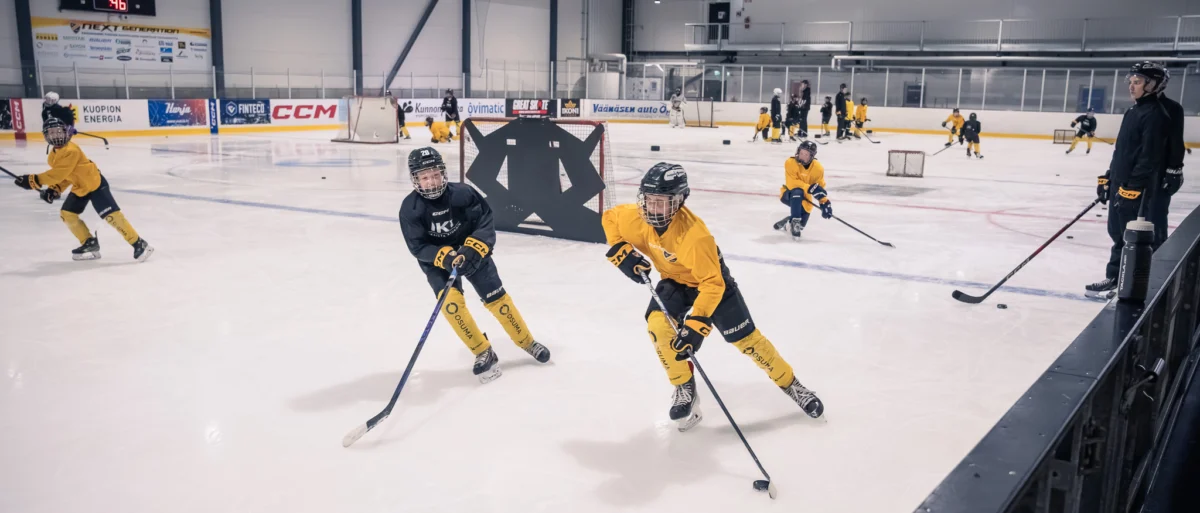
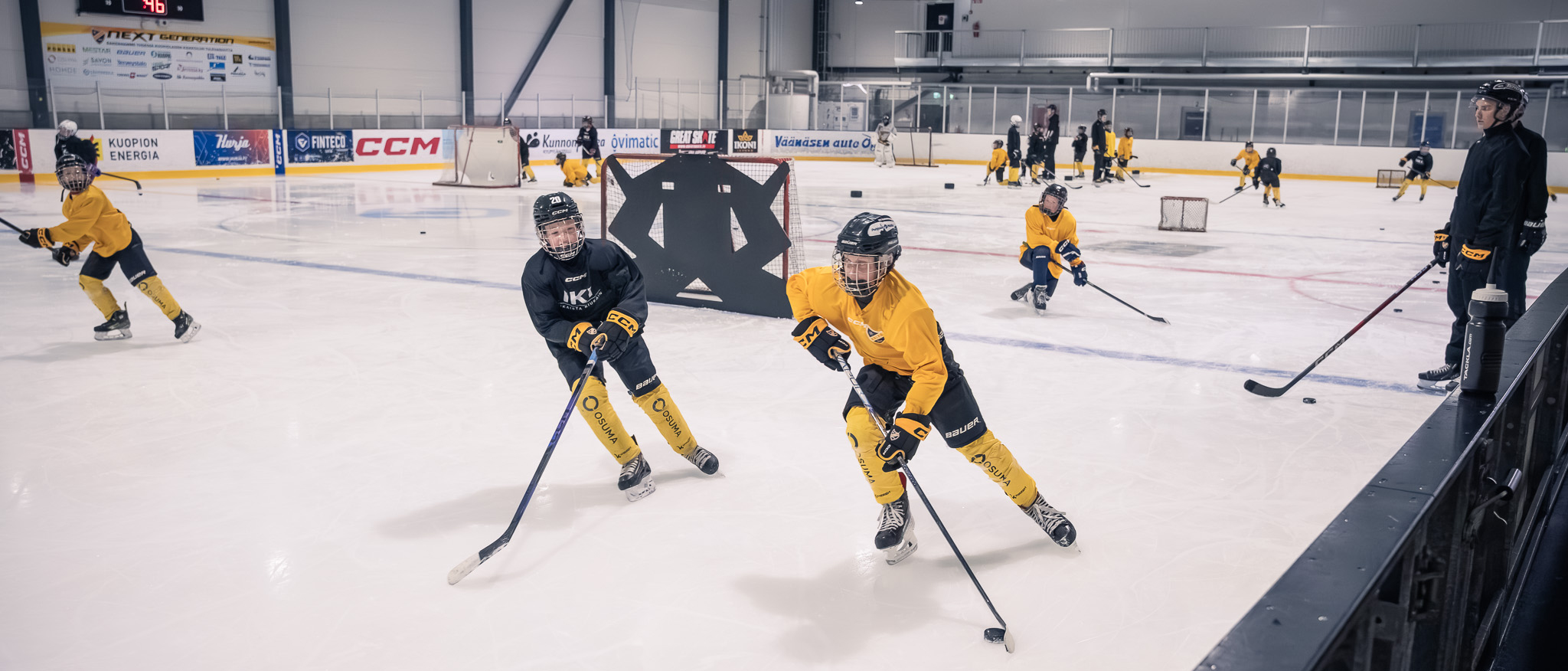
The club’s philosophy now centers on increasing children’s active time, improving the quality of training sessions, and ensuring that every child—regardless of their skill level—feels like a valued member of the organization.
Chronology of a Cultural Transformation
The transition to this new model did not happen overnight. While the written manual is a recent development, the principles within it have been cultivated over years of trial and error within the KalPa organization.
- Foundation Phase: For years, the club operated with a focus on core hockey skills, but realized that talent retention was becoming a systemic issue.
- Alignment Phase: Juniori-KalPa began aligning its internal culture with the Finnish Ice Hockey Association’s updated player path, focusing on "holistic development" rather than just "hockey development."
- Implementation Phase: The formalization of the Sports Manual brought these abstract goals into the daily routine. The club integrated the Hockey Centre management system, allowing for data-driven feedback on training quality.
- Feedback Integration: Most recently, the club introduced mandatory monthly surveys for children as young as 11, creating a direct feedback loop between the players and the administration.
Supporting Data: Why the Old Way No Longer Works
The necessity for this change is backed by a worrying trend in Finnish sports. Currently, youth sports are at a crossroads. Statistics indicate that fewer children are meeting recommended physical activity levels, and, alarmingly, many are dropping out of organized sports far too early.
The decline in fundamental motor skills, coupled with an increasing tendency for early specialization in a single sport, has created a "bottleneck" effect. Children enter the system younger than ever, but they leave just as quickly. Juniori-KalPa’s data-driven approach aims to reverse this by focusing on:
- Retention Rates: Tracking how many children stay in the program year over year.
- Safety & Inclusion: Monitoring if children feel safe and welcome within the club environment.
- Active Engagement: Measuring how much "active time" a player spends moving during a training session rather than waiting in line.
The "Hockey Centre" Tool: A Coach’s Digital Compass
One of the most significant pillars of this new strategy is the Hockey Centre digital tool. Designed to support coach development, this platform allows staff to evaluate every practice session against specific, objective criteria:
- Target Clarity: Did the session have a clear, achievable goal?
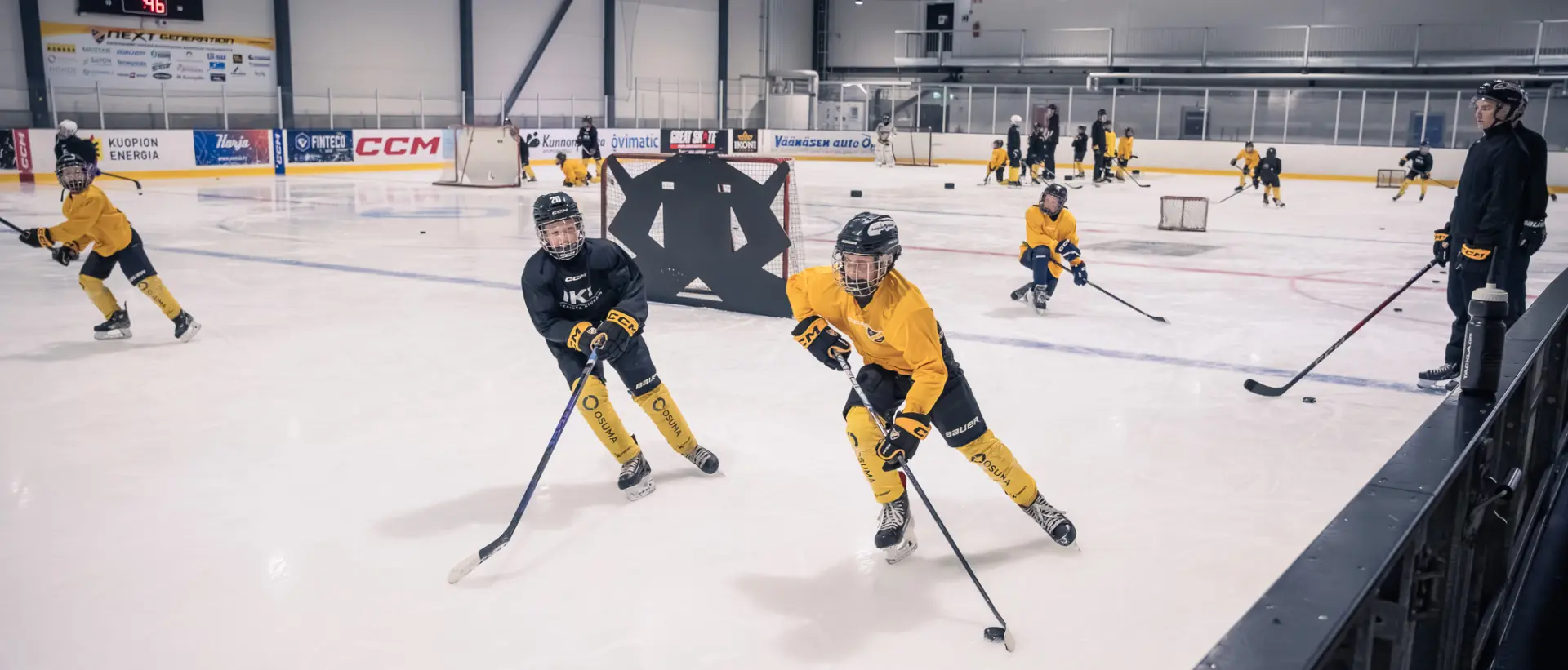
- Active Time: Was the ratio of active skating to stationary instruction optimal?
- Decision Making: Did the training include game-like scenarios that required the child to think rather than just execute rote drills?
Teemu Koljonen, the U13-U10 Coaching Manager at Juniori-KalPa, emphasizes that this tool is not about policing coaches, but about empowering them. “We discovered through our surveys that children weren’t receiving enough constructive feedback. By using the system, we identified the gap and immediately adjusted our coaching protocols to prioritize open, honest interaction.”
Official Perspectives: The Value of the Child’s Voice
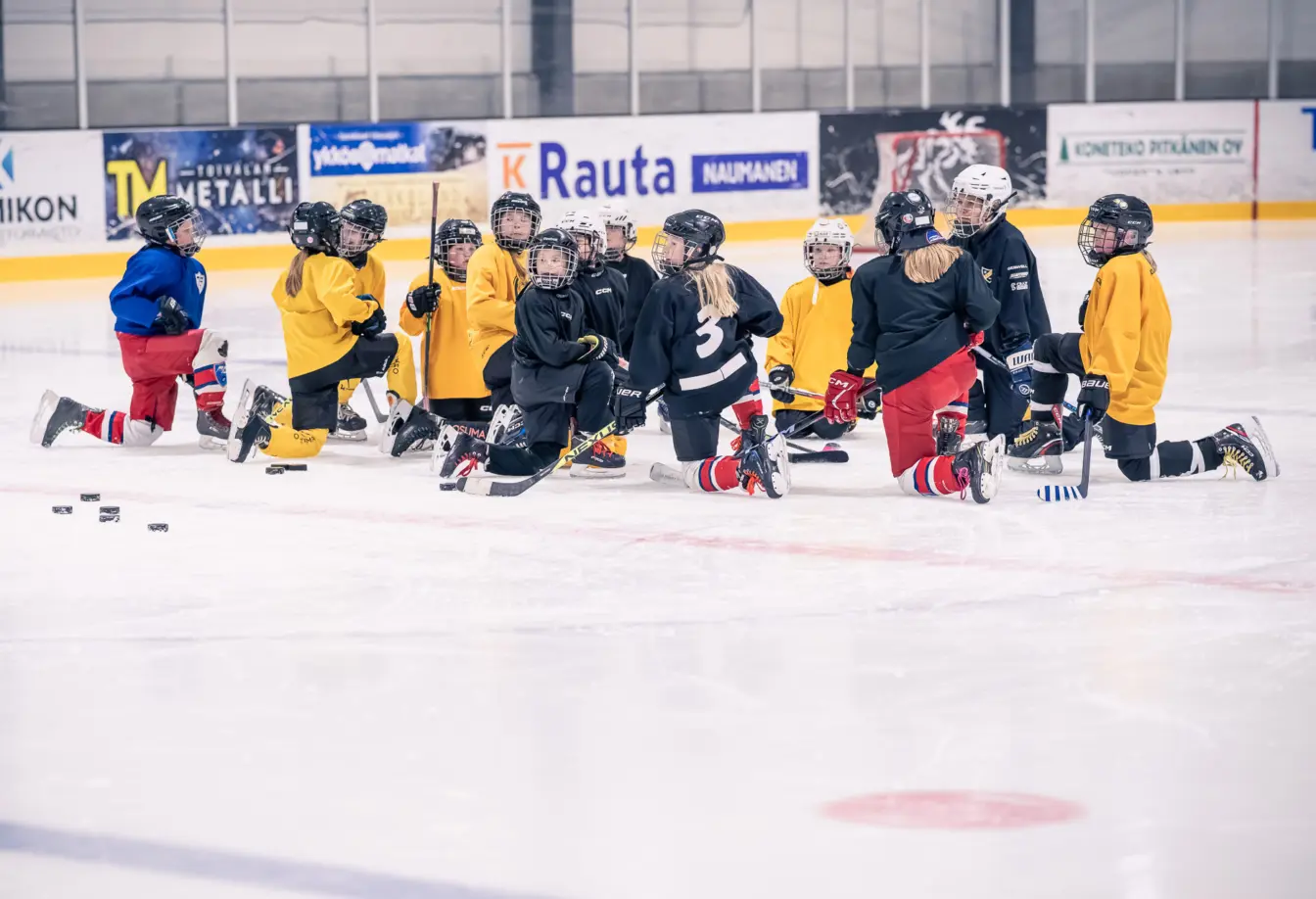
Perhaps the most striking aspect of the Juniori-KalPa model is the empowerment of the players themselves. By gathering regular feedback from 11-year-olds, the club has gained insights that administrators often miss.
Martta Kokkonen, a young hockey player who attended the club’s 2026 summer camp, highlights the importance of being heard. “It feels good to know that my opinion matters. I’ve suggested that we focus more on team spirit activities rather than just small-group drills. It’s about feeling like a team, not just a bunch of individuals.”
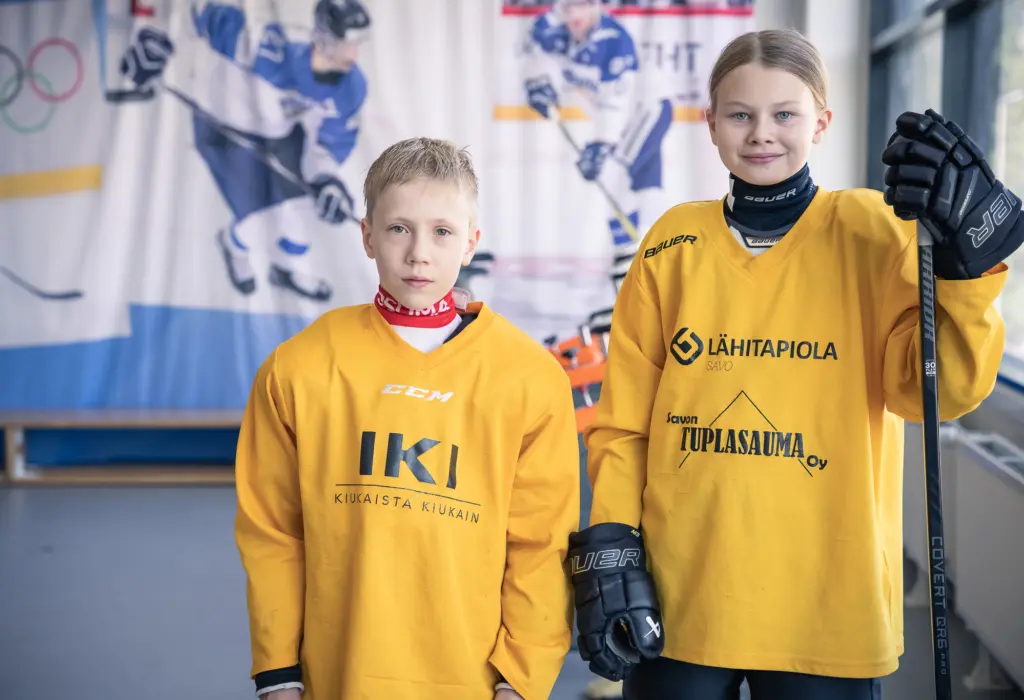
Otto Uimonen, another young athlete, agrees: “I like that we can influence the training. I’ve asked for more skating-focused sessions and more events throughout the year. When you feel like you have a say in your training, you want to work harder.”
From an administrative standpoint, Olli Savikko, Junior Manager at the Finnish Ice Hockey Association, views Juniori-KalPa as a gold standard. “The way they have integrated the national frameworks into their own structures is exemplary. They have moved from abstract policies to tangible, high-quality daily practice.”
Implications for the Future of Finnish Sports
The implications of Juniori-KalPa’s initiative extend far beyond the city of Kuopio. As the Finnish Olympic Committee and 40 different sports federations look for ways to combat the decline in youth physical activity, the Juniori-KalPa "Manual" is being looked at as a scalable blueprint.
1. Reversing the Drop-out Trend
By prioritizing the child’s enjoyment and sense of belonging, the club is effectively lowering the barrier to entry. If a child feels safe, heard, and challenged appropriately, they are less likely to quit.
2. Developing "Human" Athletes
The focus on versatile development acknowledges that most children will not become professional athletes. By fostering a love for movement and physical literacy, the club is ensuring that these children remain active adults, regardless of their eventual career path.
3. Professionalizing the Volunteer Environment
Often, the weak link in youth sports is the volunteer coach who lacks pedagogical training. By providing a "manual" and digital tools, the club lowers the threshold for quality coaching, ensuring that the child’s experience is consistent regardless of who is running the drill.
Conclusion: A New Standard for Success
The success of Juniori-KalPa’s approach is a clear message to the sports world: the quality of an organization is not determined by the trophies in the display case, but by the confidence, happiness, and physical development of the children in the locker room.
As the Finnish sports sector continues to grapple with the challenges of a digital, sedentary age, initiatives like this serve as a vital reminder. By treating children as individuals rather than commodities, and by using data to support—not replace—human empathy, clubs can ensure that the "joy of sports" remains a lifelong pursuit for the next generation.
The "red thread" that connects every practice, every survey, and every coaching decision at Juniori-KalPa is simple: provide a safe, high-quality environment, and the results—both on the ice and in the child’s development—will naturally follow.