In a landmark development for the Finnish sports ecosystem, Suomen Urheilijat ry (the Finnish Athletes Association) and the Finnish Olympic Committee (Suomen Olympiakomitea) have officially signed a Memorandum of Understanding (MoU). This agreement signals a paradigm shift in how the voice of the athlete is integrated into the high-level decision-making processes of Finnish sports. By formalizing a structure for regular dialogue and cooperation, both organizations aim to ensure that the individuals at the center of the sporting world—the athletes themselves—are no longer merely subjects of policy, but active architects of their own environment.
The Core Agreement: Bridging Governance and Representation
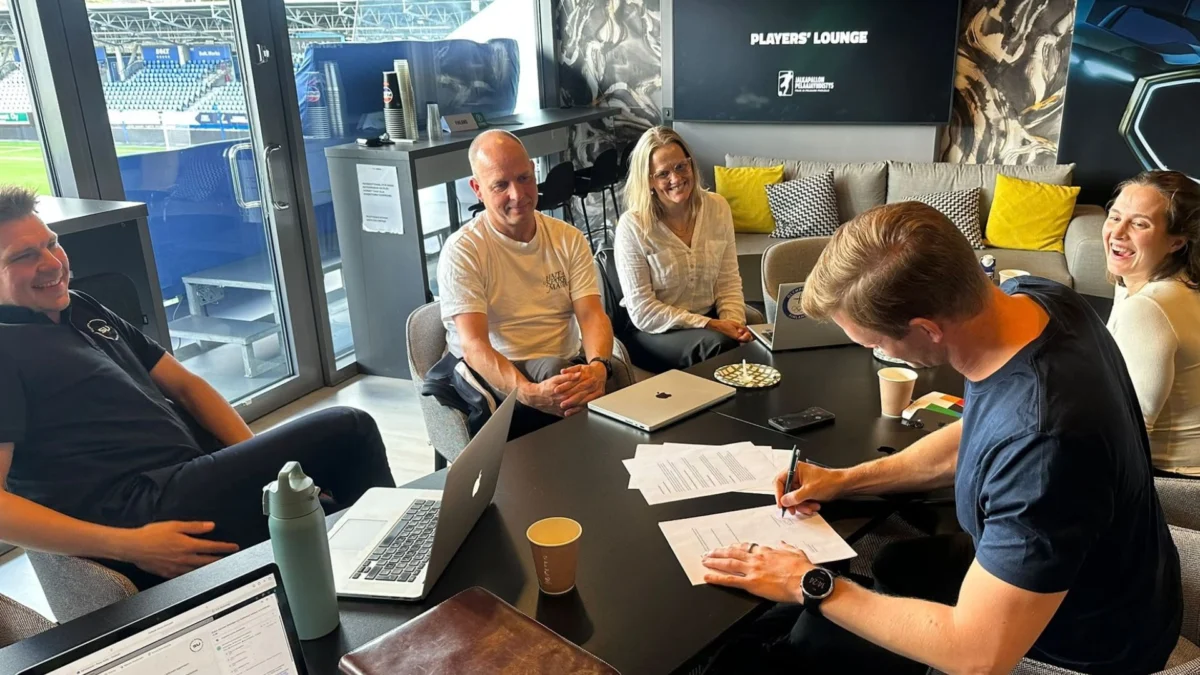
The MoU, signed by Suomen Urheilijat Chair Teemu Ramstedt and Finnish Olympic Committee CEO Riku Tapio, serves as a formal commitment to collaborative governance. At its heart, the agreement recognizes the distinct roles both organizations play: Suomen Urheilijat acts as the independent voice for athletes’ rights and advocacy, while the Olympic Committee represents the broader institutional interests of sports federations and the organized athletic structure.
The agreement is not merely a symbolic gesture; it is a framework for policy influence. Under the terms of the MoU, the parties have committed to:
- Structured Consultation: Establishing a regular schedule of meetings to discuss policy, legislation, and organizational shifts.
- Policy Oversight: Providing the athlete perspective on laws, regulations, and ethical guidelines that dictate the terms of professional and amateur sport.
- Well-being and Livelihood: Joint advocacy for the economic and mental well-being of athletes, addressing the practical realities of their daily lives.
- Integrated Advocacy: Coordinating with external stakeholders and governmental bodies to champion shared interests.
A Brief Chronology of Athlete Advocacy in Finland
To understand the weight of this agreement, one must look at the evolution of athlete representation in Finland. For decades, the structure of Finnish sports was dominated by a top-down approach, where national federations and the central Olympic body made decisions that trickled down to the individual.
- The Pre-Independence Era: Historically, athletes relied on their respective national federations to voice concerns. This created inherent conflicts of interest, as federations were often tasked with both managing athletes and overseeing the budgets that sustained them.
- The Rise of Suomen Urheilijat: As the global sports landscape professionalized, the need for an independent, autonomous body for Finnish athletes became apparent. Suomen Urheilijat was formed to provide that independent platform, operating outside the hierarchy of the federations.
- The Turning Point: Over the past few years, the push for "athlete-centered" sports management gained momentum globally. Following international trends in Nordic sports, the conversation shifted from asking "what do athletes need?" to "what do athletes demand?"
- The MoU Signing (October 2026): The formalization of this partnership marks the culmination of months of negotiation, aimed at transforming the relationship from an adversarial or detached one into a true partnership.
Supporting Data: Why Athlete Representation Matters
The urgency for this cooperation is supported by the changing nature of the athlete’s profession. Modern athletics is no longer just about physical performance; it is a complex intersection of commercial law, mental health, long-term career planning, and social responsibility.
1. The Financial Reality
Research into the financial stability of Finnish athletes shows that a significant percentage of those at the "elite" level live on subsistence-level stipends. Without a direct seat at the table, athletes have historically struggled to influence the allocation of grants or the structure of sponsorship agreements. The new MoU provides a mechanism to bring these fiscal realities to the attention of the Olympic Committee’s board.
2. Mental Health and Sustainable Careers
The pressure on modern athletes is unprecedented. With the rise of 24/7 media coverage and the relentless cycle of international competition, mental health has become a critical performance metric. The partnership intends to tackle the systemic issues that lead to burnout and early retirement, ensuring that the environment created by the Olympic Committee supports sustainable career paths rather than "burn-and-churn" models.
3. Legal and Regulatory Protections
As sport becomes more litigious, the need for clear rules regarding anti-doping, player transfers, and international eligibility is paramount. By including athletes in the drafting of these regulations, the Finnish Olympic Committee mitigates the risk of legal challenges and ensures that rules are not only fair but also enforceable and respected by the athletes themselves.
Official Responses: A Unified Front
The signing of the agreement was marked by a sense of optimism and pragmatism from the leadership of both organizations.
Teemu Ramstedt: The Voice of the Athlete
Teemu Ramstedt, reflecting on his role as the Chair of Suomen Urheilijat, emphasized the structural permanence of the deal. "This agreement is a critical step in strengthening the position of athletes," Ramstedt stated. "It is significant that we are building permanent structures for this collaboration. Our goal is clear: the athlete’s voice must be heard through an independent body whenever decisions affecting their daily lives and professional future are being made."
Ramstedt’s perspective underscores the necessity of independence. By maintaining their status as an autonomous entity while working in concert with the Olympic Committee, Suomen Urheilijat ensures that the athletes are not "captured" by the institution they seek to improve.
Riku Tapio: The Institutional Perspective
Riku Tapio, the CEO of the Finnish Olympic Committee, framed the partnership as a necessity for competitive success. "Athletes are at the center of everything we do," Tapio remarked. "It is vital that we have active cooperation and dialogue with them. This creates the possibility for common goals and, more importantly, the unified actions required to achieve them. Simply put, we win together!"
Tapio’s commitment represents a maturation of the Olympic Committee’s approach—acknowledging that top-down management is no longer compatible with the expectations of modern, empowered, and globally aware Finnish athletes.
Implications for the Future of Finnish Sports
The impact of this MoU will likely be felt across several key areas of the Finnish sporting landscape in the coming years.
Empowerment and Retention
By having a formalized channel to express grievances and contribute to policy, athletes are more likely to feel invested in the Finnish sports system. This sense of ownership is crucial for retention, keeping talent within the system and preventing the "brain drain" of athletes who might otherwise feel marginalized by bureaucratic hurdles.
Conflict Resolution
Historically, when disputes arose between athletes and governing bodies, the process was often opaque and frustrating. With a standing partnership in place, there is now a dedicated channel for mediation. This will likely reduce the frequency of public disputes, as issues can be addressed internally through the collaborative framework before they escalate.
Influence on International Policy
Finland is a small nation with a proud sporting history. By presenting a unified front—where the Olympic Committee and the Athletes Association are in lockstep—Finland can exert greater influence on international bodies like the International Olympic Committee (IOC) and World Athletics. When Finland speaks with one voice, its arguments regarding athlete welfare and fair play carry significantly more weight.
Conclusion: A New Standard for Collaboration
The Memorandum of Understanding between Suomen Urheilijat and the Finnish Olympic Committee is more than just a bureaucratic milestone; it is a declaration of maturity for the Finnish sports sector. By recognizing that the institution and the individual are interdependent, both parties have set a new standard for how sports organizations should operate in the 21st century.
As the implementation phase begins, the success of this agreement will be measured by the concrete improvements in the day-to-day lives of Finnish athletes. Whether it is through improved financial conditions, better mental health support, or more democratic decision-making, the partnership promises a more resilient, competitive, and human-centric future for Finnish sport. The slogan "We win together" is no longer just a rallying cry—it is now a blueprint for action.