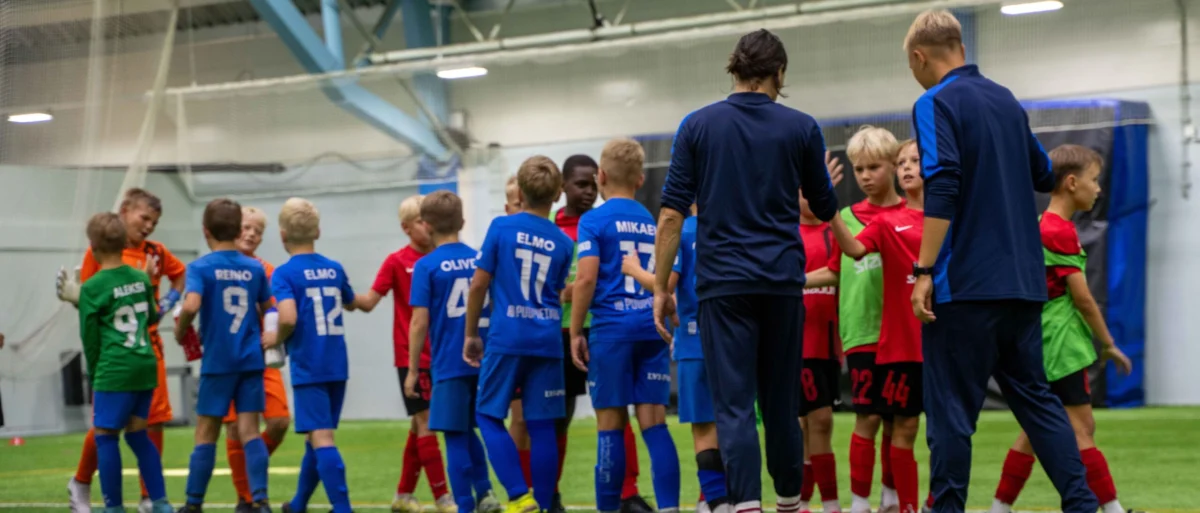
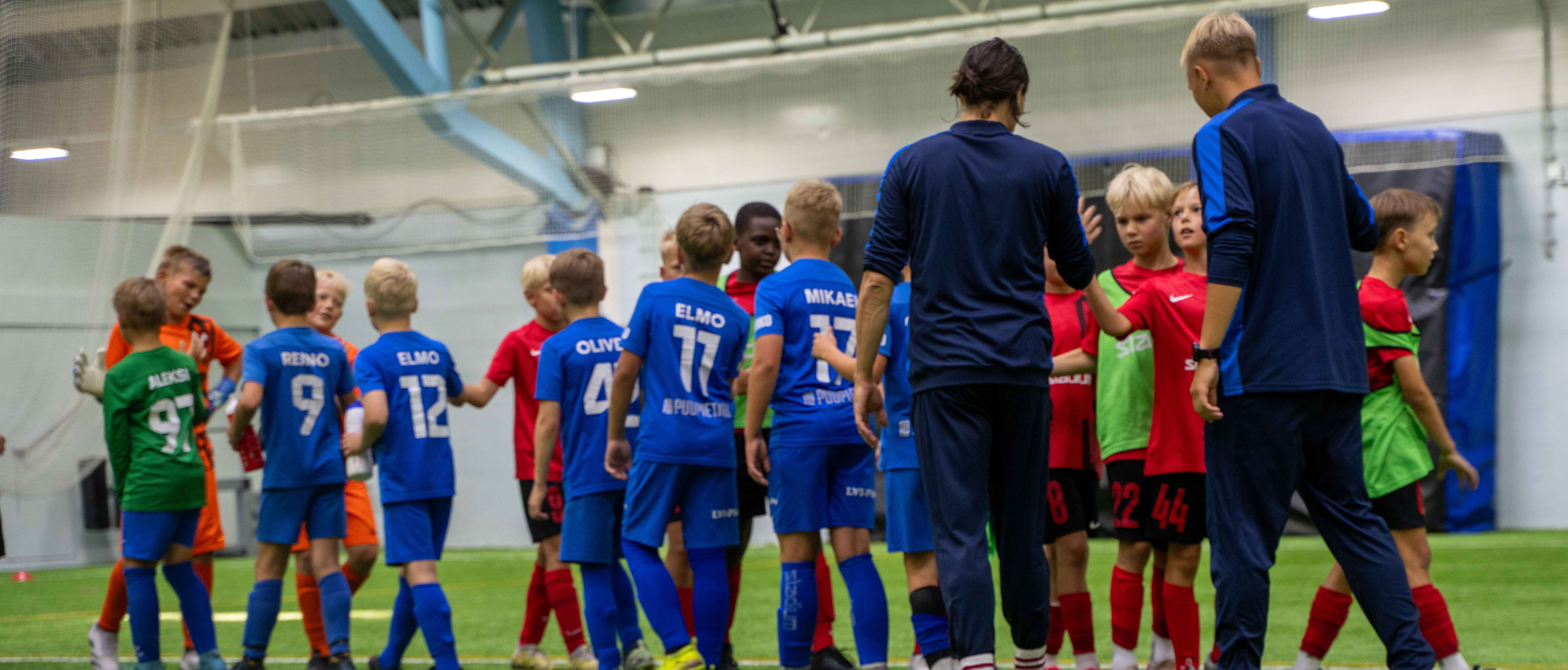
In the landscape of Finnish sports, a quiet revolution is taking place on the green pitches of Eerikkilä. For the third consecutive year, the Football Association of Finland (Palloliitto), in collaboration with the Eerikkilä Sports Institute, has hosted the "Huuhkaja- ja Helmaripolku" (Eagle-Owl and Helmari Path) development event for 10-year-olds. While the event name suggests a traditional tournament, the reality is a fundamental shift in pedagogical philosophy, aiming to replace rigid, adult-led structures with a child-centric environment that prioritizes joy, autonomy, and holistic development.
This two-day event, which brings together 50 teams from across the country, serves as a blueprint for the future of organized youth sports in Finland. By stripping away the traditional trappings of professional football—such as referees, rigid league standings, and long periods on the sidelines—the organizers are fostering an environment where children are encouraged to "surrender to the game."
Main Facts: A New Pedagogical Framework
The core mission of the Huuhkaja- ja Helmaripolku is to align football practice with the "Pelille heittäytyvät lapset" (Children who throw themselves into the game) initiative. The organizers argue that 10-year-olds do not need the pressures of elite, result-oriented competition; instead, they need stimulation, variety, and the freedom to solve problems on the fly.
Key structural changes implemented during the event include:
- Variable Pitch Sizes: Teams rotate between different pitch sizes (4 vs. 4 and 7 vs. 7), forcing players to adapt their tactical awareness constantly.
- No Referees: Children are responsible for resolving their own on-field disputes, a move that has been surprisingly successful in teaching conflict resolution and self-reliance.
- Continuous Engagement: Unlike traditional formats where players sit on the bench, players at this event participate in guided 1 vs. 1 exercises or individual drills when they are not in the main game, ensuring maximum activity levels.
- Emphasis on Development over Trophies: While every game is competitive, there are no official tournament winners or rankings, removing the anxiety of "must-win" scenarios.
Chronology: From Concept to National Movement
The initiative began as part of a broader, multi-year developmental process within the Finnish Football Association’s coaching curriculum.
2024 (Inaugural Year): The pilot phase introduced the core concepts of flexible pitch sizes and the removal of referees. Initial feedback from coaches and parents was mixed, with many expressing skepticism about the lack of officiating.
2025 (The Normalization Phase): By the second year, the skepticism began to wane. Reports from the event suggested that the children were far more capable of managing their own games than adults had anticipated. The "confusion" that marked the first year was replaced by a smooth, self-sustaining flow of play.
2026 (Refinement): The third year of the event has seen the integration of family-centered education. It is no longer just about the players; the event now hosts mandatory workshops for parents regarding the role of physical activity in a child’s life, the risks of early specialization, and the importance of unstructured play at home.
Supporting Data: Why the Change Was Necessary
The urgency for this reform stems from concerning trends in Finnish youth activity. The Finnish Olympic Committee and its member federations have identified a "crisis of movement" among the youth:
- Declining Activity Levels: A smaller percentage of children meet the daily recommended physical activity guidelines.
- Early Dropout Rates: A significant number of children quit organized sports before the age of 14, often due to burnout or the loss of "the joy of the game."
- Fundamental Motor Skill Deficits: Due to a decrease in spontaneous, unstructured outdoor play, children are arriving at club sports with lower base-level coordination and athletic versatility than previous generations.
- Premature Specialization: There is a growing tendency to treat children like mini-adults, with intense schedules and early sport-specific selection, which research has shown to be detrimental to long-term athletic growth.
Official Responses: Voices from the Pitch
Antti Kekkonen, Manager of Football Services at the Eerikkilä Sports Institute, acknowledges that the transition has been a psychological challenge for many adults involved.
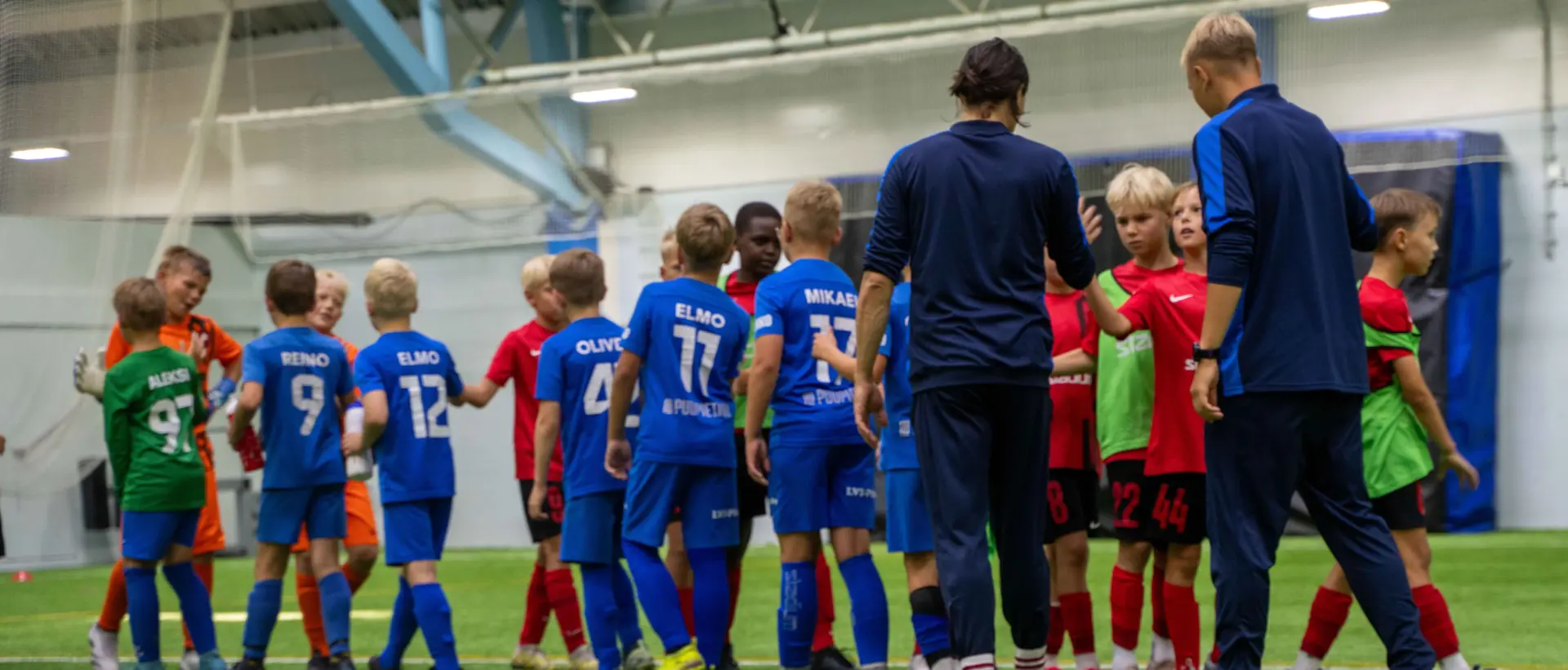
"We are very accustomed to certain frames and rules," Kekkonen explains. "Giving those up can feel difficult at first. But when we think about 10-year-olds, rules have their place, but they must be adapted to the child’s world. We’ve seen that the kids are incredibly clever when left to solve situations on their own. Last year, we hardly heard a single question about why there wasn’t a referee. The games simply rolled along beautifully."
Jani Tulehmo, Head of Children’s Coaching Development at the Finnish Football Association, emphasizes that the goal is not to kill the competitive spirit, but to channel it correctly.
"Every game is played to win, but we don’t play for rankings," Tulehmo says. "The goal is to provide different stimuli through varied pitch sizes. On a large pitch, the focus is on sprinting and defending space. On a small pitch, the focus shifts to quick decision-making and goal-scoring. We want to avoid the ‘bench-sitting’ culture. If you aren’t on the field, you are active in a drill. We want the players to leave the event with a higher sense of their own self-efficacy."
The Players’ Perspective
When asked about their experience, the children at the event offered insights that often contradicted adult anxieties.
Timofei, a participant, expressed excitement about the 4 vs. 4 format, noting that he wanted a game that was "fast-paced, where you get to move a lot." Aaro, another player, found the absence of a referee to be a non-issue, remarking, "I haven’t seen many free kicks. Actually, I haven’t seen any. So there just aren’t any."
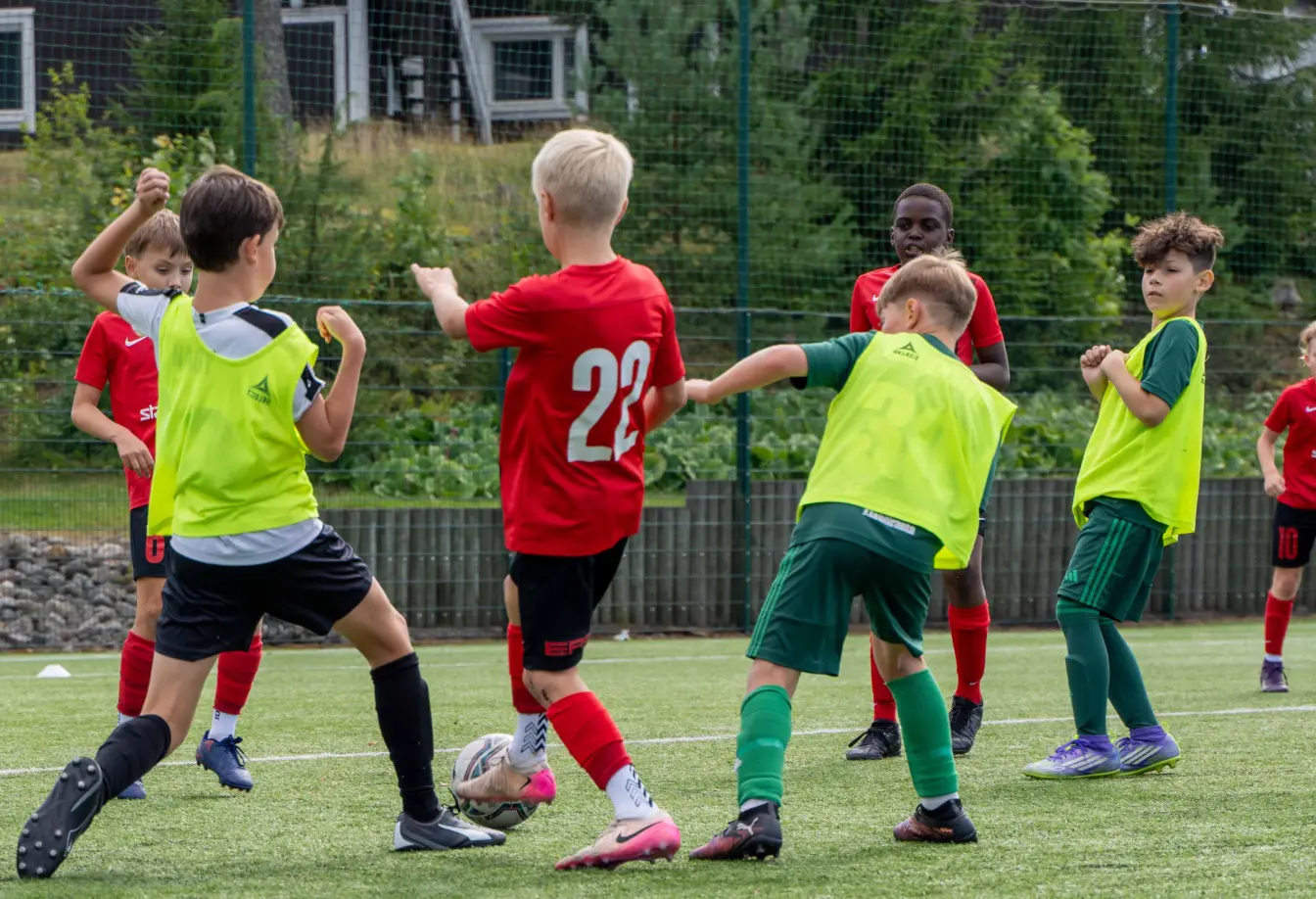
For players like Leo, Rasmus, and Eetu, the variety of the event helped them understand their own tactical preferences. "We feel better on the big pitch (7 vs. 7)," they noted. "We are used to playing there, but we enjoy the challenge of switching."
Implications for the Future of Finnish Sports
The Huuhkaja- ja Helmaripolku is not merely a football event; it is a signal of a larger cultural shift. The Finnish Olympic Committee, alongside 40 other sports federations, is currently at a crossroads. The traditional model of club sports—often characterized by rigid hierarchy, early specialization, and parental pressure—is being systematically challenged by evidence-based research that favors long-term athlete development (LTAD).
Implications for Parents
One of the most innovative aspects of the 2026 event is the integration of parents into the educational process. During the tournament, parents participate in seminars discussing:
- The "Whole Athlete" approach: How to support a child’s development beyond just the sport.
- The Power of Autonomy: The importance of letting children make their own mistakes on the field without constant parental instruction from the sidelines.
- Total Activity Load: Managing the balance between organized training, school, and independent play.
The Macro-level Impact
If the success of the Eerikkilä model continues, it is likely to influence other sports in Finland. The focus on "joy of movement" rather than "trophies at ten" aims to reverse the dropout trend. By creating an environment where children feel ownership over their game, the associations hope to foster a generation that remains active well into their adult lives, regardless of whether they eventually reach the professional level.
The "Huuhkaja- ja Helmaripolku" proves that even in a sport as codified as football, it is possible to hit the reset button. By prioritizing the developmental needs of the child over the organizational preferences of the adult, Finnish football is not just teaching its youth how to play; it is teaching them how to love the game—and how to navigate the world with confidence, intelligence, and self-reliance. As the program enters its third year, it stands as a testament to the idea that sometimes, the best way to develop elite athletes is to simply let them be children.